The WHO warns that global measles elimination is becoming less attainable as vaccination coverage falls and outbreaks rise. Deaths have dropped 88% from 2000–2024, saving an estimated 58 million lives, yet 59 countries reported major outbreaks last year and roughly 30 million children remained underprotected in 2024. Canada lost elimination status and the U.S. recorded its highest case count since 2000. WHO urges sustained financing, stronger routine immunization, restored surveillance and targeted outreach to vulnerable populations.
Measles Is Surging — WHO Warns Global Elimination Is Slipping Out of Reach

For decades, measles vaccination was a major global public health success: deaths fell 88% between 2000 and 2024, and an estimated 58 million lives were saved, according to a World Health Organization report. But recent declines in vaccination coverage have allowed outbreaks to return, threatening those gains.
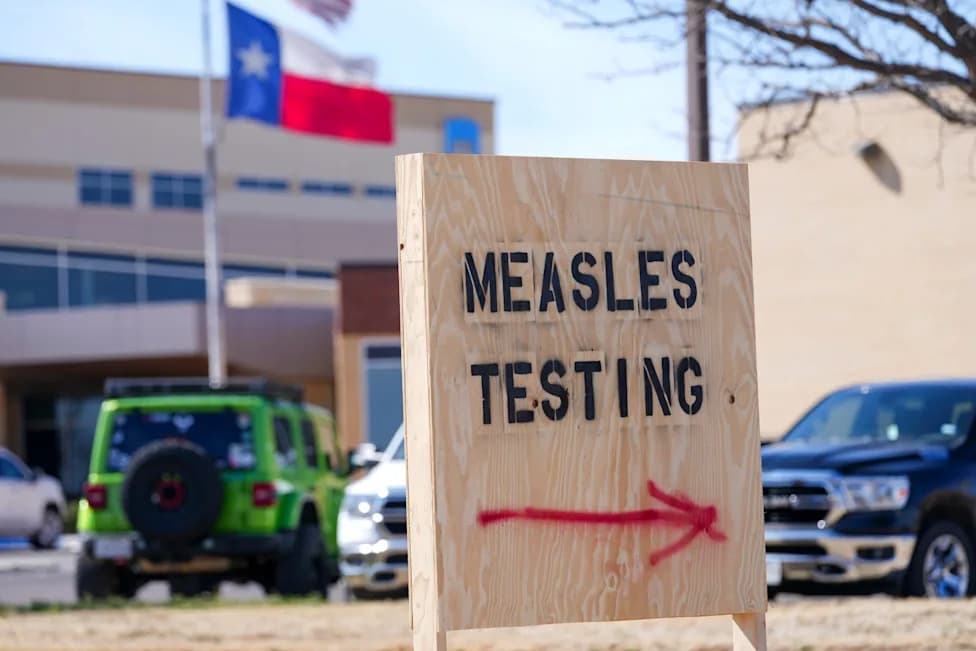
Last year, 59 countries reported large or disruptive measles outbreaks — nearly three times the number reported in 2021 — and roughly one-quarter of those outbreaks occurred in countries previously declared measles-free, including Canada and the United States. Canada recently lost its elimination status, and the WHO has raised concerns about potential backsliding in the U.S., where the Centers for Disease Control and Prevention reported 1,798 confirmed cases this year, the highest total since elimination was certified in 2000.
"Global measles elimination remains a distant goal," the WHO report warns.
WHO Director-General Dr. Tedros Adhanom Ghebreyesus emphasized the threat: "Measles remains the world’s most contagious virus," and despite a highly effective, low-cost vaccine, the disease "exploits gaps in immunization coverage." The report estimates that more than 30 million children were underprotected against measles in 2024.
Why outbreaks are returning
WHO officials point to several converging causes:
- Weakened routine immunization systems: Sustaining high coverage requires trained health workers, reliable logistics and transport, strong surveillance and steady financing — capacities that many countries lack or have seen eroded.
- Pandemic disruptions: COVID-19 interrupted vaccination services and left many children without recommended doses; catch-up efforts have been uneven.
- Access gaps: The main barrier is reaching populations in fragile, conflict-affected, or remote settings.
- Funding cuts: Reductions in support for surveillance and laboratory networks — including the Global Measles and Rubella Laboratory Network of about 760 labs — risk widening immunity gaps.
- Misinformation: False information has slowed uptake in some communities, although access remains the primary obstacle.
Coverage shortfalls and solutions
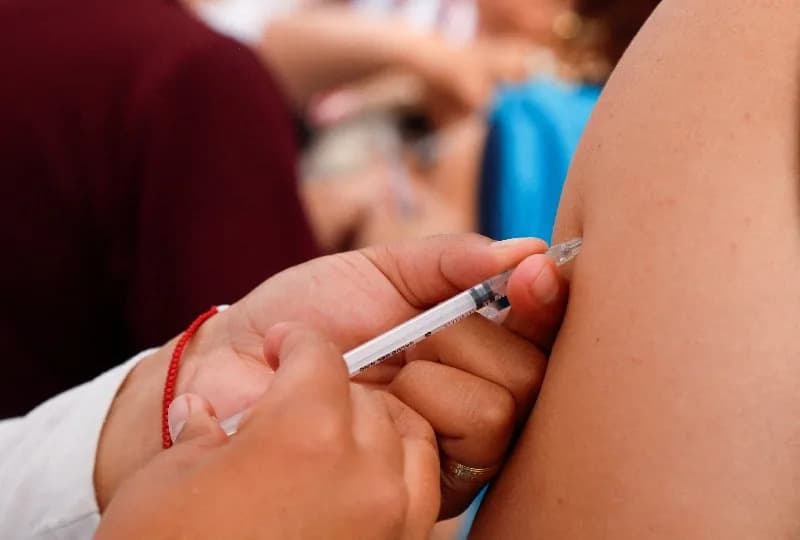
In 2024, about 84% of children worldwide received a first measles vaccine dose and 76% received a second dose. The second dose is important: it raises vaccine effectiveness to about 95% and provides long-lasting immunity for most people. Three countries still do not include the second dose as routine immunization.
WHO leaders call for urgent action: secure sustainable domestic financing, restore and strengthen surveillance and laboratory networks, prioritize catch-up campaigns to reach the roughly 30 million underprotected children, and expand outreach to vulnerable communities. Diana Chang Blanc, head of WHO’s Essential Programme on Immunization, said progress has been made but remains too slow, and that every measles death is preventable with existing, affordable vaccines.
Measles can also serve as a "fire alarm" for broader weaknesses in immunization programs: where measles reappears, other vaccine-preventable diseases such as pertussis and polio may also resurge. Strengthening routine systems and ensuring equitable access are central to reversing the current trend and protecting children worldwide.
Help us improve.