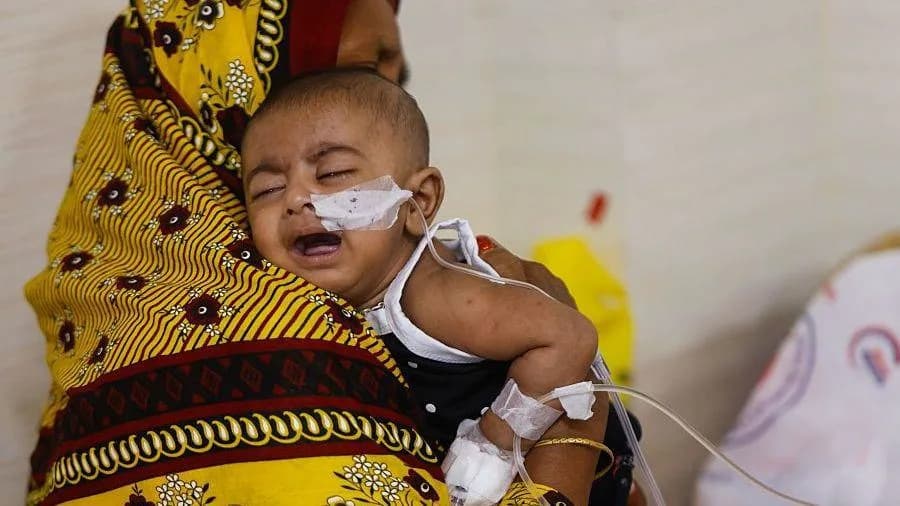
Displaced families in Darfur are facing a fast-moving measles outbreak while conflict restricts medical access and vaccine deliveries. MSF reports more than 1,300 new cases since September and warns that only a small fraction of the roughly 5 million children at risk have been reached by recent vaccination efforts. Attacks on health facilities, detentions of medical staff and logistical and bureaucratic barriers have compounded the crisis. Aid groups are urgently calling for the removal of transport obstacles and coordinated action to scale up vaccinations.
Darfur Measles Surge Overwhelms Clinics As Fighting Chokes Vaccine Supply

Displaced people ride an animal-drawn cart in the Zamzam displacement camp in Tawila, North Darfur, Sudan [File: Reuters]
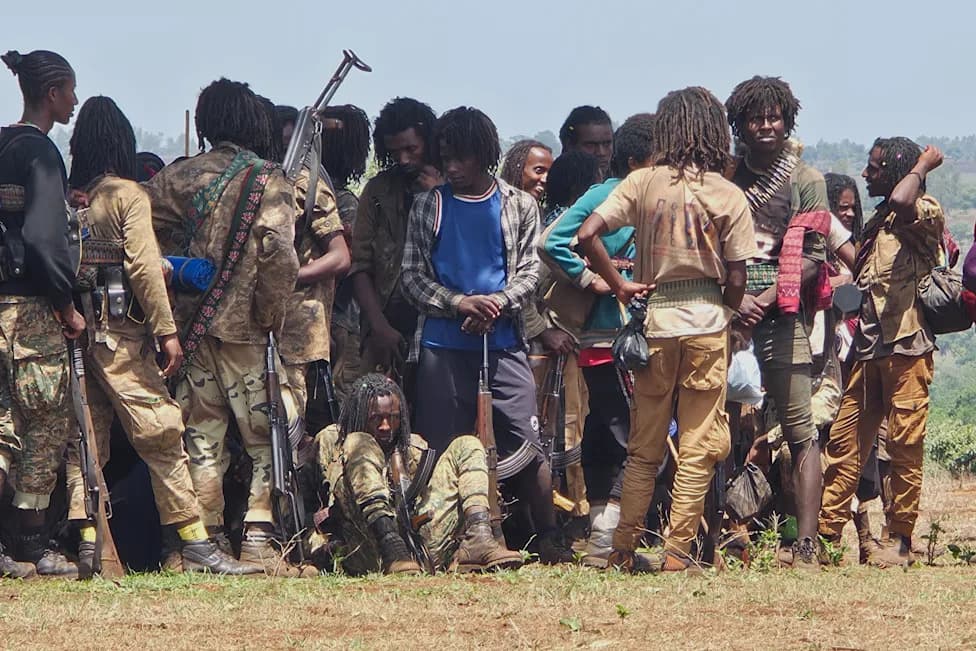
Displaced families across Sudan's war-ravaged Darfur region are confronting a rapidly spreading measles outbreak as ongoing fighting between the Sudanese military and the paramilitary Rapid Support Forces (RSF) severely limits medical access and logistics.
Outbreak and Local Response
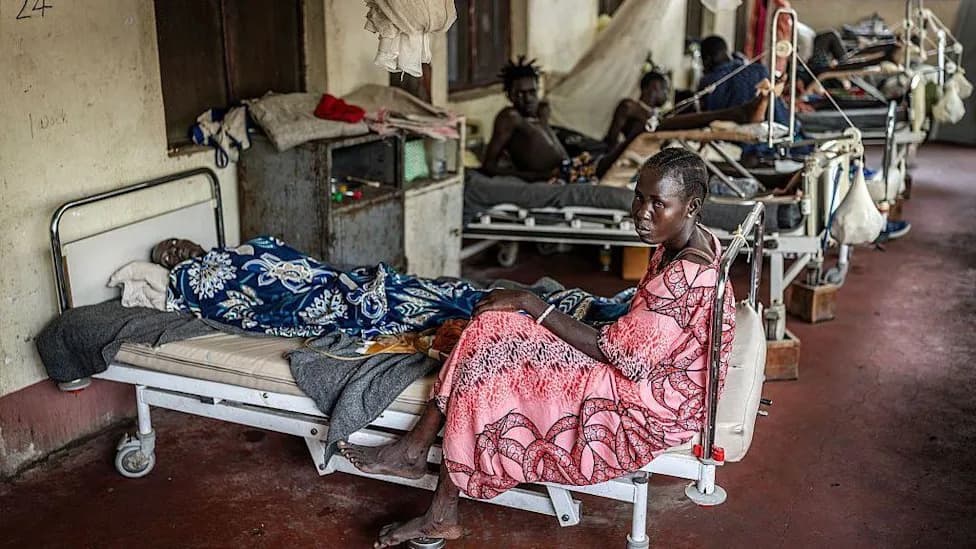
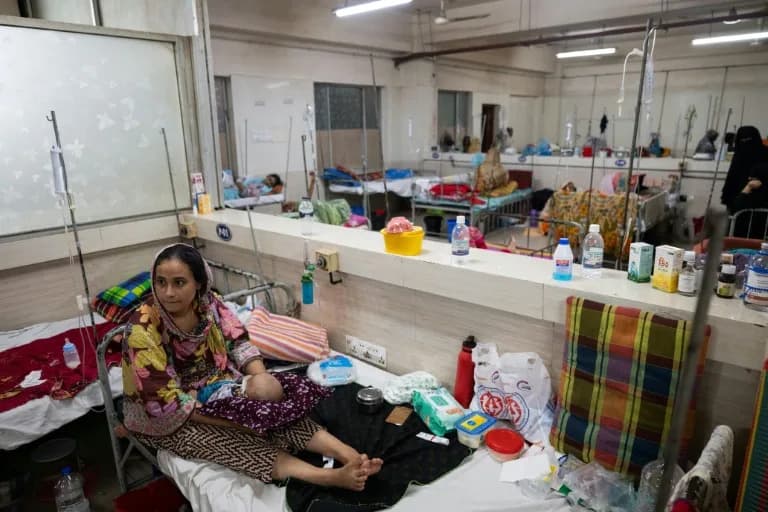
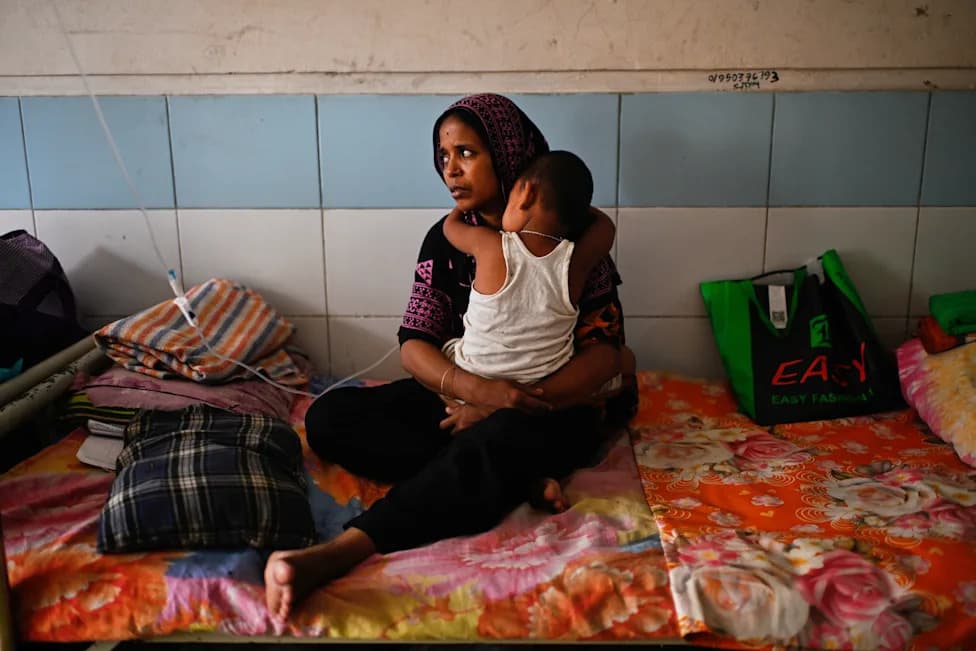
Doctors Without Borders (MSF) says staff at Nyala Teaching Hospital in South Darfur are being overwhelmed by an influx of measles patients. MSF emergency health manager Dr Ali Almohammed reported from Amsterdam that the facility has just 25 isolation beds for measles and that case numbers are climbing daily.
Dr Ali Almohammed: 'We have 25 beds in isolation for measles, but every day the number of cases is increasing. Our capacity is limited and we must prioritise lifesaving care.'
Scale, Risk and Vaccination Gap
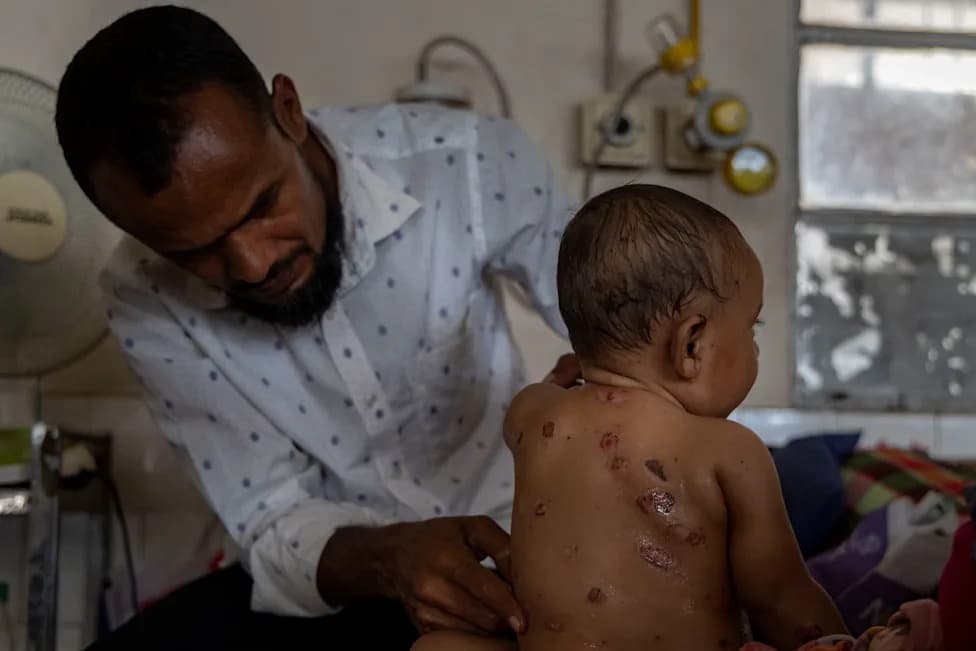
MSF reports more than 1,300 new measles cases in Darfur since September. Measles is highly contagious and can cause high fever, coughing and a characteristic rash; it is especially dangerous for children under five because it can lead to severe complications, according to the US Centers for Disease Control and Prevention.
While nearly 179,000 children in Sudan were vaccinated against measles over six months last year, MSF says this covers only a small fraction of the roughly 5 million children considered at risk in the region.
Access Barriers and Logistics
MSF says vaccine shipments have been hampered by active violence as well as 'significant administrative and bureaucratic hurdles.' The organisation has urged authorities to remove those barriers immediately and called on UNICEF to take a more urgent, coordinating role in transporting vaccines, syringes and other critical supplies throughout Darfur.
Humanitarian Impact and Attacks on Health Care
Recent fighting has driven mass displacement: more than 100,000 people fled el-Fasher after the RSF seized control of the city in late October following an 18-month siege. The United Nations has warned that Darfur has become 'the epicentre of human suffering in the world,' with civilians in many areas lacking medicines, food and other essentials.
Attacks on health facilities have further worsened the crisis. The World Health Organization reports that assaults on health infrastructure in Sudan have killed 1,858 people and wounded 490 since the conflict began in mid-April 2023. In Nyala alone, WHO said at least 70 health workers and about 5,000 civilians have been detained in recent months.
The Sudan Doctors Network said the RSF released nine detained medical workers in Nyala — nine of 73 health workers who had been held there — and reiterated calls for the unconditional release of all detained medical staff and civilians. Separately, the network has documented that 234 medical workers have been killed, 507 injured and 59 reported missing since the war began.
Urgent Calls And What Needs To Happen
MSF and local medical networks are urging immediate action to remove bureaucratic obstacles, increase secure transport corridors for vaccines and supplies, and scale up coordinated vaccination campaigns to protect children and curb the outbreak. Without swift improvements in access and logistics, preventable diseases such as diphtheria and whooping cough may spread alongside measles.
Key facts: 25 isolation beds at Nyala Teaching Hospital; >1,300 new measles cases since September; nearly 179,000 children vaccinated over six months last year versus ~5 million children at risk; major constraints from fighting, administrative hurdles and attacks on health services.
Help us improve.