US health officials have narrowed RSV prevention to 'high-risk' infants despite growing evidence that maternal vaccination (~70% effective) and newborn monoclonal antibodies (~81% effective) substantially reduce infant hospitalizations. Clinicians and four recent JAMA studies report fewer severe RSV cases among protected infants. Experts warn the change could reduce access—especially for low-income families—create logistical confusion during RSV season, and potentially increase hospital admissions if many infants are left unprotected.
RSV Shots Cut Infant Hospitalizations — But U.S. Policy Narrows Access
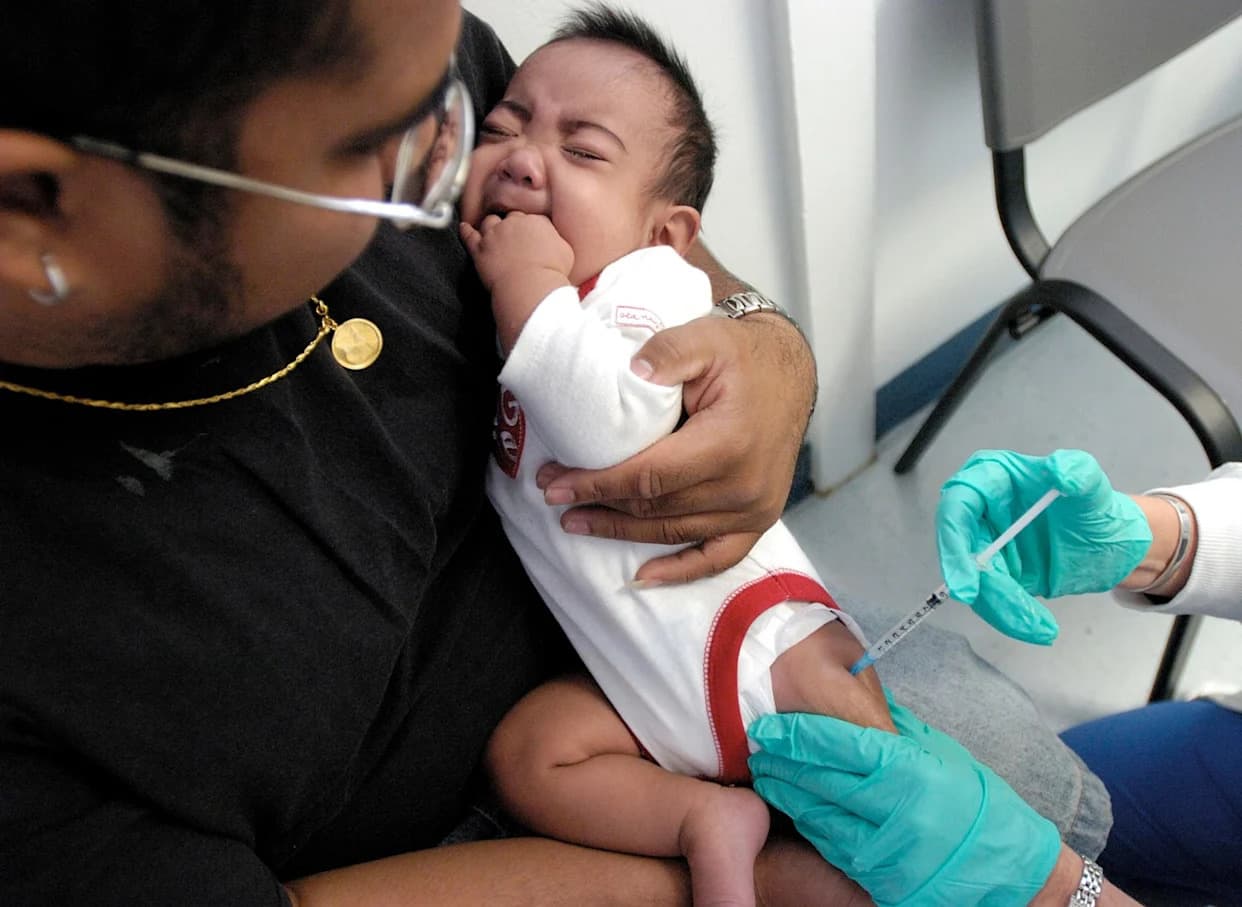
Merle Galicio holds his daughter, Jaya Galicio, nine months, as she gets an RSV shot in Long Beach, California.Photograph: MediaNews Group/Orange County Register/Getty Images
US officials have narrowed recommendations for respiratory syncytial virus (RSV) prevention products, restricting them to 'high-risk' infants even as multiple studies and clinicians report large reductions in infant hospitalizations following maternal vaccination and newborn monoclonal-antibody use.
What Changed and Why It Matters
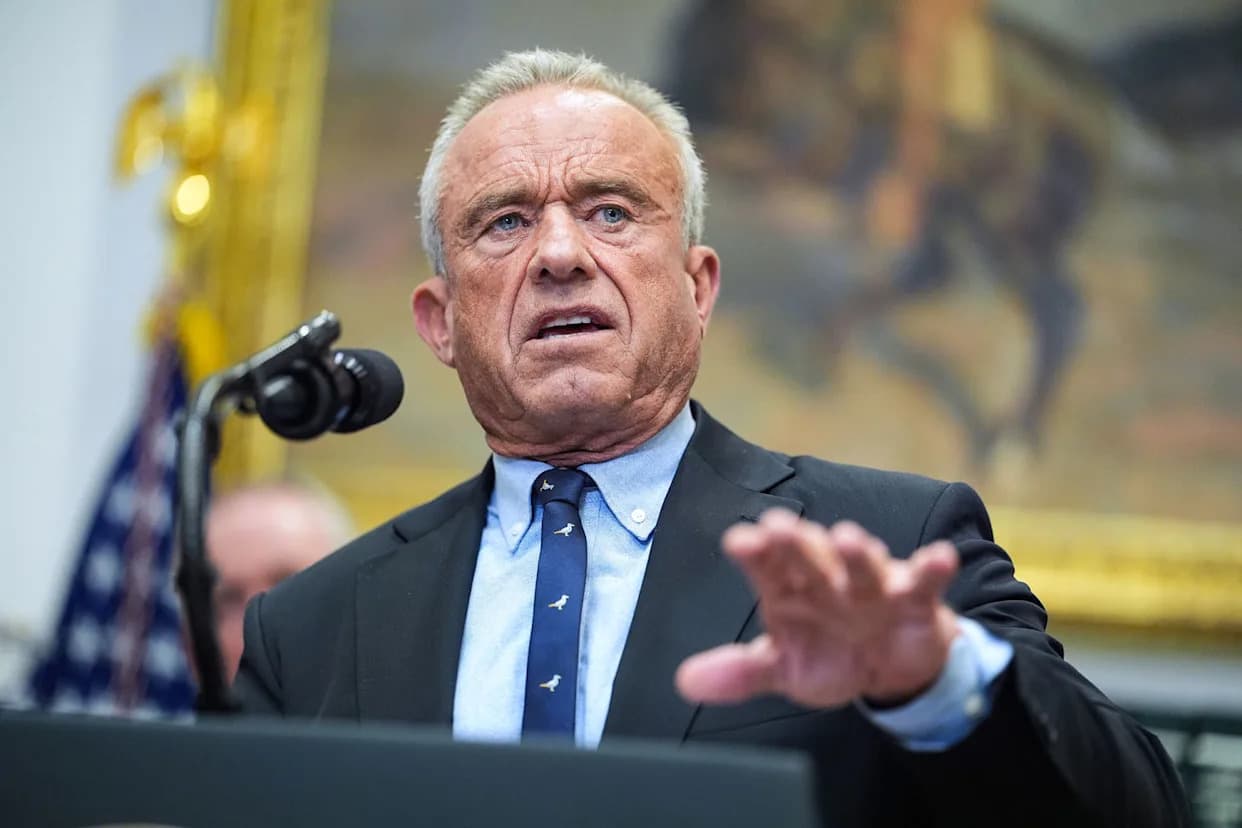
Last week the administration announced a policy that limits RSV protection to only high-risk infants, reversing an earlier broader recommendation that covered all newborns. The change, advanced by health secretary Robert F. Kennedy Jr., affects roughly one-third of routine childhood immunizations and has alarmed many pediatricians and public-health experts.
Evidence of Benefit
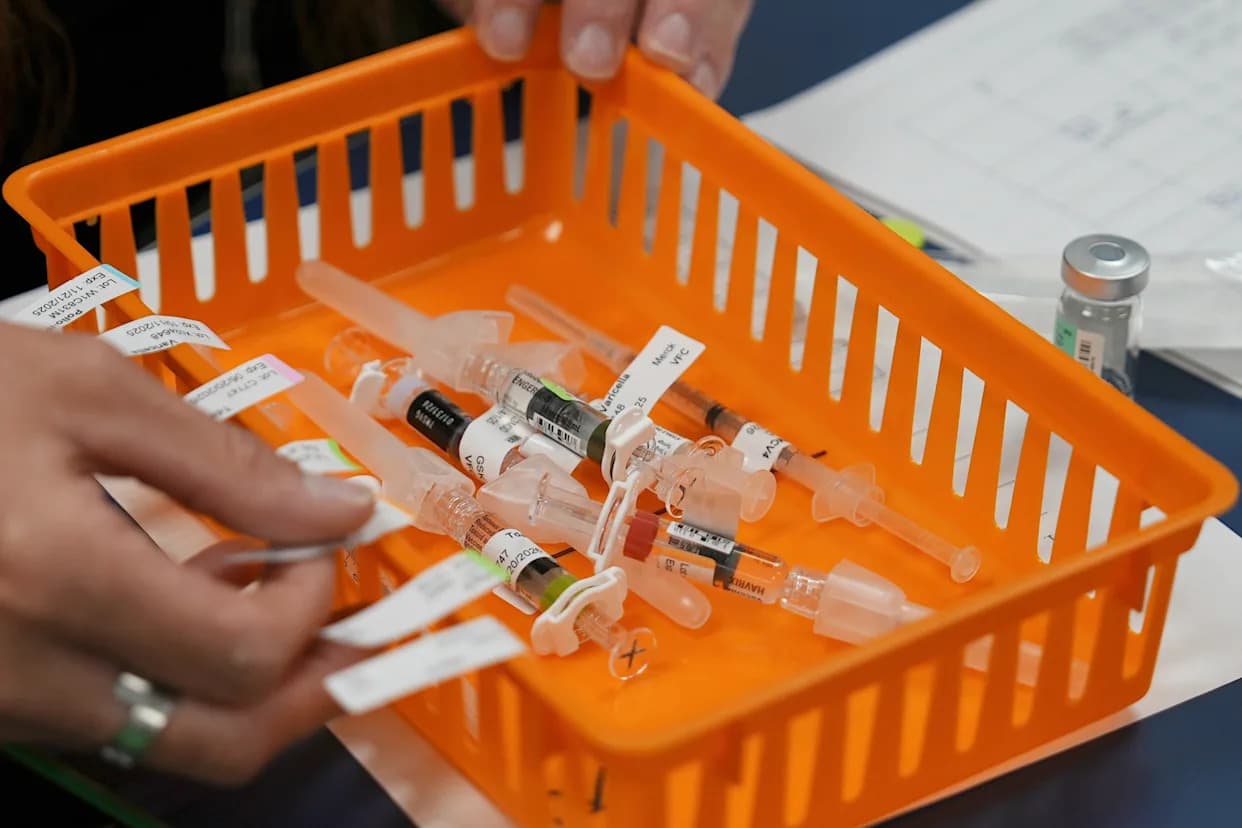
Clinical experience and four recent studies published in JAMA show meaningful reductions in hospital admissions. Maternal RSV vaccination was associated with about 70% effectiveness at preventing infant hospitalization in trials, while the monoclonal-antibody product given directly to newborns showed roughly 81% effectiveness in at least one study. Another analysis found the infant product reduced admissions for all lower-respiratory infections, likely by preventing severe RSV that can lead to secondary complications.
Safety And Trial Signals
The newborn protection products are monoclonal antibodies (lab-made antibodies) that provide several months of protection. Early trial data raised a non-statistically significant signal for preterm birth in pregnancies, but later follow-up analyses found no association. There were three deaths reported in trials, but investigators say they occurred months after dosing and were linked to other causes such as dehydration; the difference was not statistically significant. The Food and Drug Administration has opened an investigation to review safety data.
Practical Concerns About The New Policy
Clinicians warn several immediate risks from narrowing recommendations:
- Most infants hospitalized with RSV (about 81%) have no underlying conditions, so limiting shots to a narrow 'high-risk' group could miss the majority of cases.
- Fragmented delivery of care in the US — where only about one-third of pregnant people receive the maternal RSV shot, according to the CDC — means restricting recommendations may reduce access, especially for low-income families who rely on federal programs.
- Stocking and coordination problems: hospitals, pediatricians, and public-health offices may assume others will supply or administer the product, creating gaps during RSV season.
Comparisons With Other Countries
Countries such as the UK, Australia and Denmark recommend infant monoclonal-antibody products only for high-risk newborns because they also routinely recommend maternal RSV vaccination and operate under more universal health systems that facilitate prenatal care and vaccine uptake. In the US, lower maternal uptake complicates that approach.
'It's easy to see in real life. We can really tell that hospitalizations are down,' said Richard Rupp, a pediatrics professor involved in RSV research. 'It's made a big difference.'
What Clinicians Want Clarified
Experts say the guidance does not clearly define 'high risk.' Because so many hospitalized infants had no prior conditions, some clinicians argue that being a very young infant by age alone should qualify as high risk. They also warn that coverage through programs such as Vaccines for Children and Medicaid may be jeopardized or complicated by the policy change.
As RSV season progresses, pediatricians and hospitals are scrambling to interpret the new guidance and coordinate who orders and gives the products. Many clinicians fear that restricted recommendations will cause preventable hospitalizations and widen disparities in access.
Key data points: Before the 2023 approvals, roughly 2–3% of US infants were hospitalized with RSV each year; maternal vaccination appeared ~70% effective at preventing hospitalization; the neonatal monoclonal antibody product has shown ~81% effectiveness in trials; and millions of infants have since received these products with no widely recognized safety signals to date.
Help us improve.