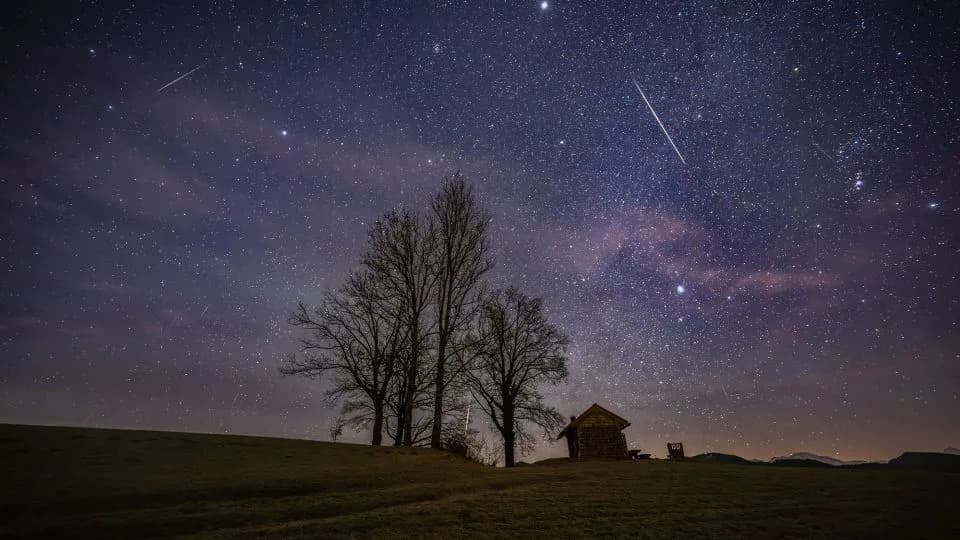
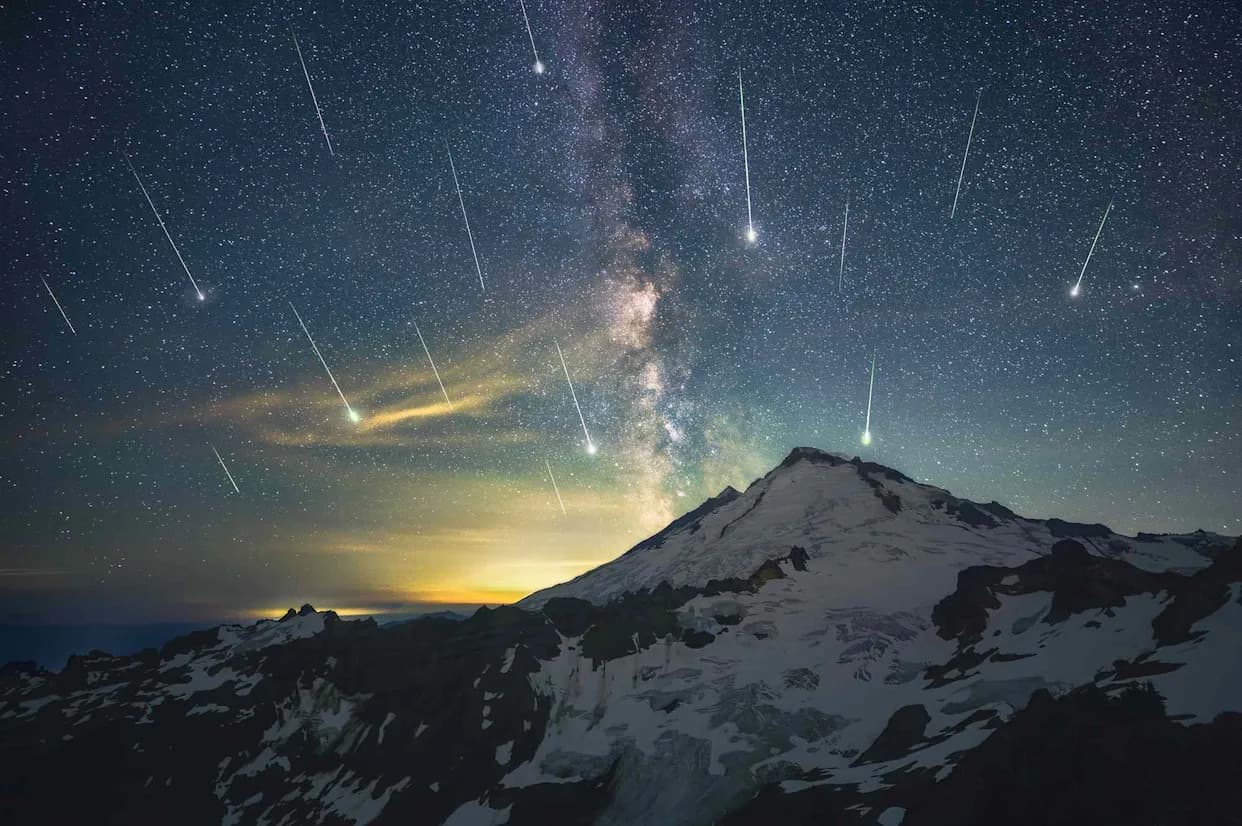
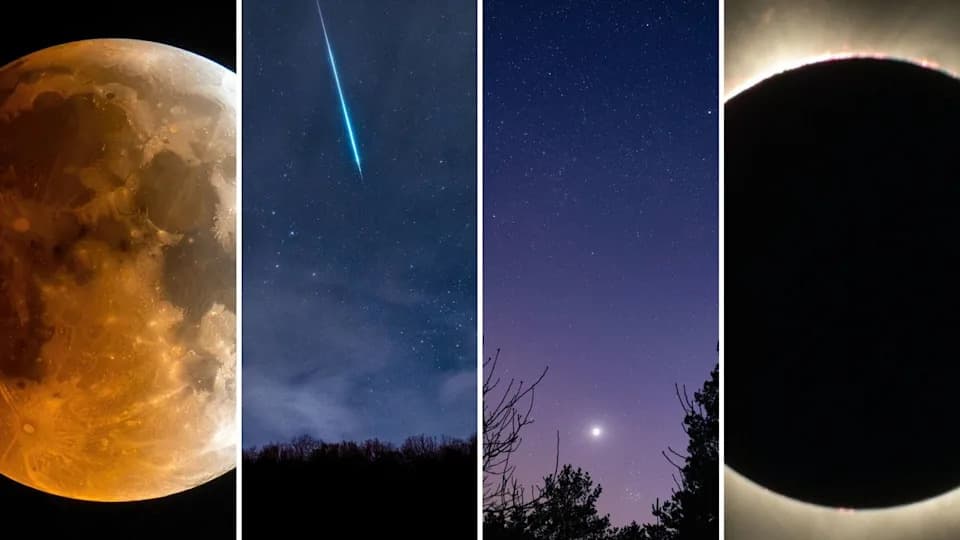
December 2025 offers several notable night-sky events: a supermoon on Dec. 4–5, the strong Geminid meteor shower peaking overnight on Dec. 13–14, the winter solstice on Dec. 21 at 10:03 a.m. ET, and the smaller Ursid shower on Dec. 21–22. The Geminids can produce 100+ meteors per hour from dark sites and begin early enough for family viewing. The Ursids typically yield about 10 meteors per hour and are best seen late at night or before dawn.
December 2025 Sky Guide: Supermoon, Geminids Peak, Winter Solstice and Ursids

The final month of 2025 delivers a compact lineup of memorable night-sky events: a supermoon, the year’s best meteor shower and the start of astronomical winter — plus a smaller year-end shower worth checking out. Below are the key dates, what to expect and quick tips for getting the most from each event.
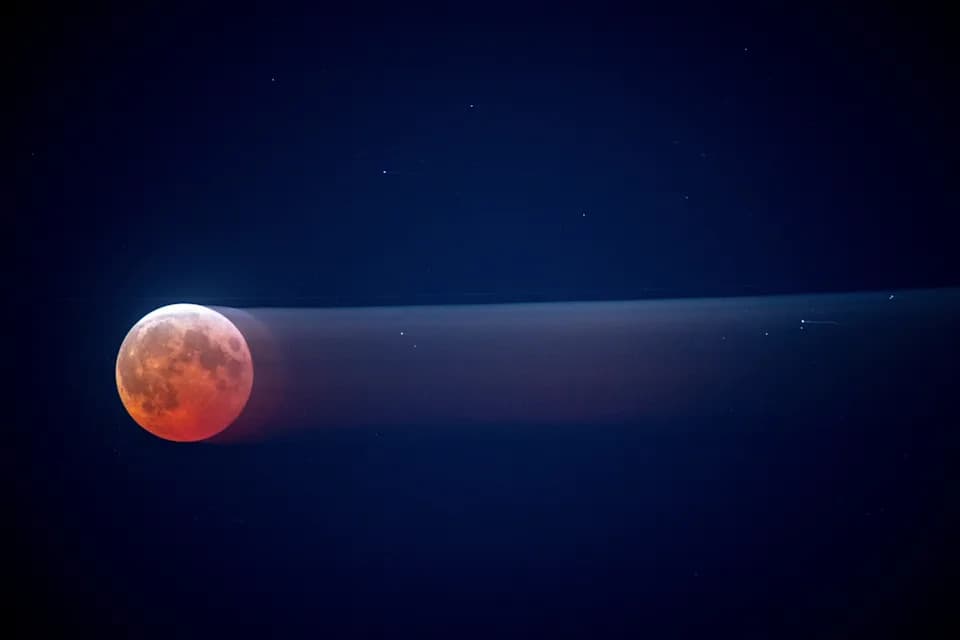
Supermoon: Dec. 4–5
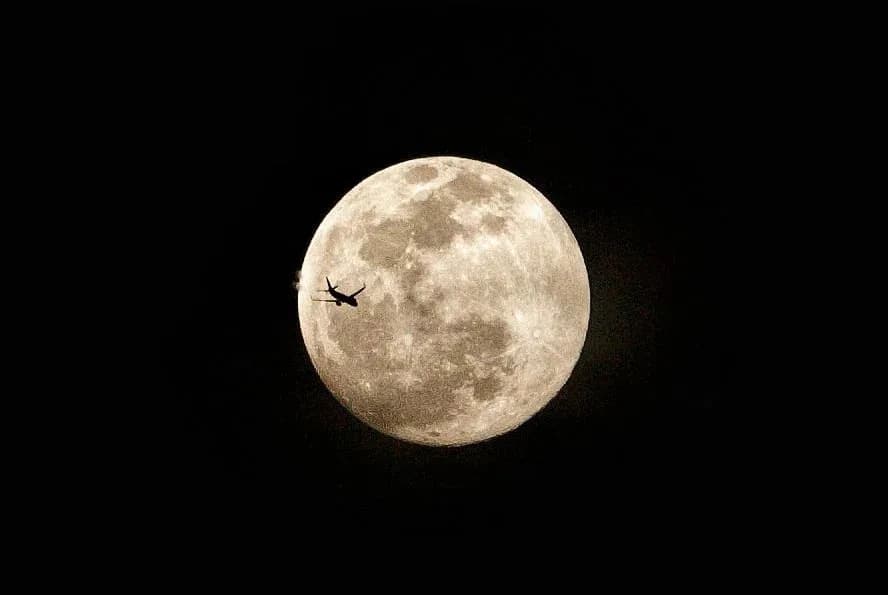
The year’s last full moon arrives as a supermoon on the night of Dec. 4 into Dec. 5, appearing slightly larger and brighter than a typical full moon. The increased brightness comes from the Moon being nearer to Earth in its elliptical orbit: while the Moon’s average distance is about 238,855 miles, on Dec. 4 it will be roughly 17,000 miles closer than that average. December’s full moon carries traditional names tied to the season — Cold Moon, Winter Maker Moon, Long Night Moon, Moon of the Popping Trees and Little Spirit Moon — reflecting winter’s chill and long nights.
Geminid meteor shower: Dec. 13–14
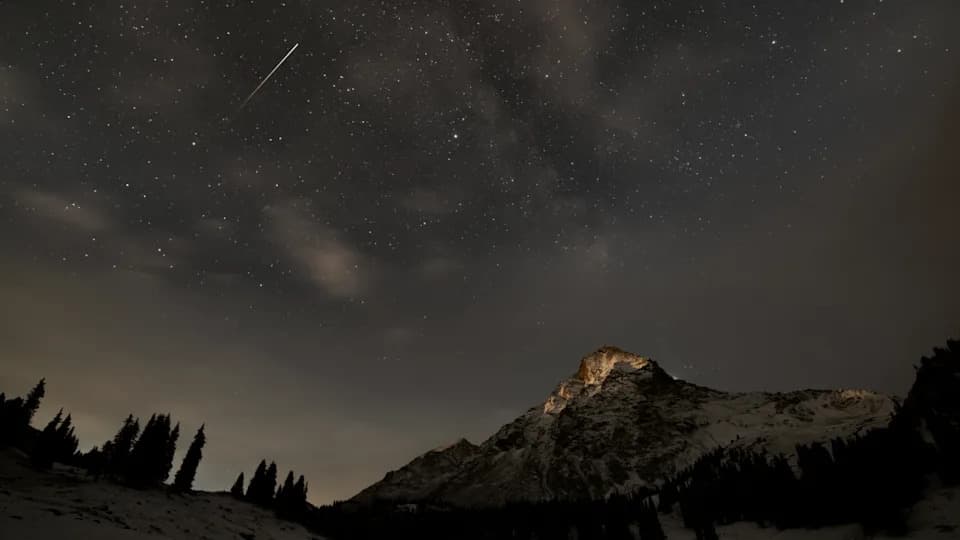
The Geminids are December’s headline event and one of the most reliable and active meteor showers of the year. Peak activity arrives the night of Saturday, Dec. 13 into the early hours of Sunday, Dec. 14. From a dark, clear site you could see more than 100 meteors per hour at peak.
Unlike many showers that favor the pre-dawn hours, the Geminids begin early in the evening, making them ideal for families and casual viewers. The best viewing window is generally after about 10:00 p.m. local time, when the shower’s radiant in the constellation Gemini climbs higher, and before roughly 2:00 a.m. local time when the moon rises and brightens the sky in some locations.
Winter solstice: Dec. 21 at 10:03 a.m. ET
Astronomical winter begins in the Northern Hemisphere on Sunday, Dec. 21 at 10:03 a.m. ET, when Earth’s tilt places the Northern Hemisphere farthest from the Sun, producing the shortest day and the longest night of the year. In the Southern Hemisphere the same moment marks the start of summer. (Note: meteorological winter is counted differently and begins on Dec. 1.)
Ursid meteor shower: Dec. 21–22
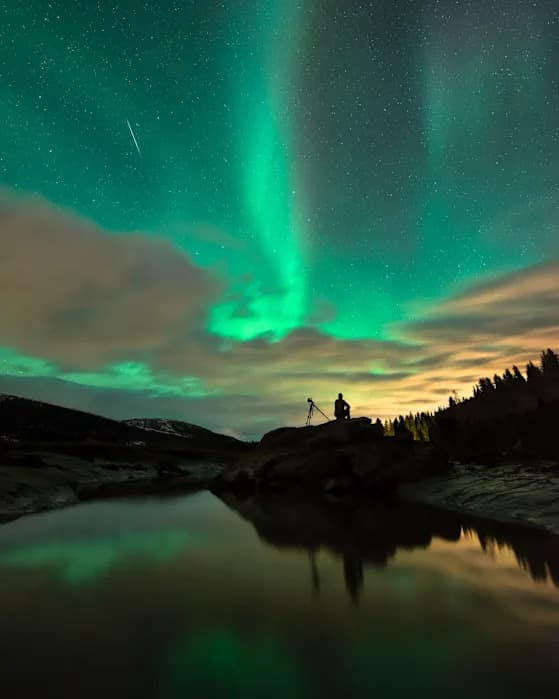
The month closes with the Ursids, a smaller shower that peaks the night of Dec. 21–22 — the first night of astronomical winter following the solstice. The Ursids typically produce around 10 meteors per hour, but those numbers can be easier to spot thanks to long, dark winter nights. The best time to look is late at night and before dawn, when the radiant near Ursa Minor rises higher in the northern sky.
Though less active than the Geminids, the Ursids are one of the last good showers of the year; after the short-lived Quadrantids in early January, observers generally wait until spring for the next notable shower.
Observer tips
- Find a dark site away from streetlights and allow your eyes about 20–30 minutes to adapt to the dark.
- Dress warmly and bring a reclining chair or blanket so you can comfortably scan the sky.
- Turn off bright phone screens or use a red filter — dark adaptation is critical for seeing faint meteors.
- No telescope is needed for meteor showers; a wide view of the sky is best. For the Moon, binoculars or a small telescope will add detail but aren’t required.
- Check local weather and moonrise times for the best observing windows in your area.
Enjoy the season’s skies and remember that clear, dark conditions and patience are the keys to a great show.
Help us improve.