Nearly 400 marine animals have been reported sick or stranded along California’s Central Coast since late June, with fewer than one-third surviving. Many show signs of leptospirosis, a bacterial disease that attacks kidneys and livers and spreads through contaminated water and urine. This year’s outbreak began earlier than usual and caused record fatalities, prompting investigation into links with warming, shallower coastal waters. Rescue centers are overwhelmed, and authorities urge the public to avoid contact with sick wildlife and support local rehabilitation efforts.
Surge in Leptospirosis Along California Coast Raises Alarm as Oceans Warm
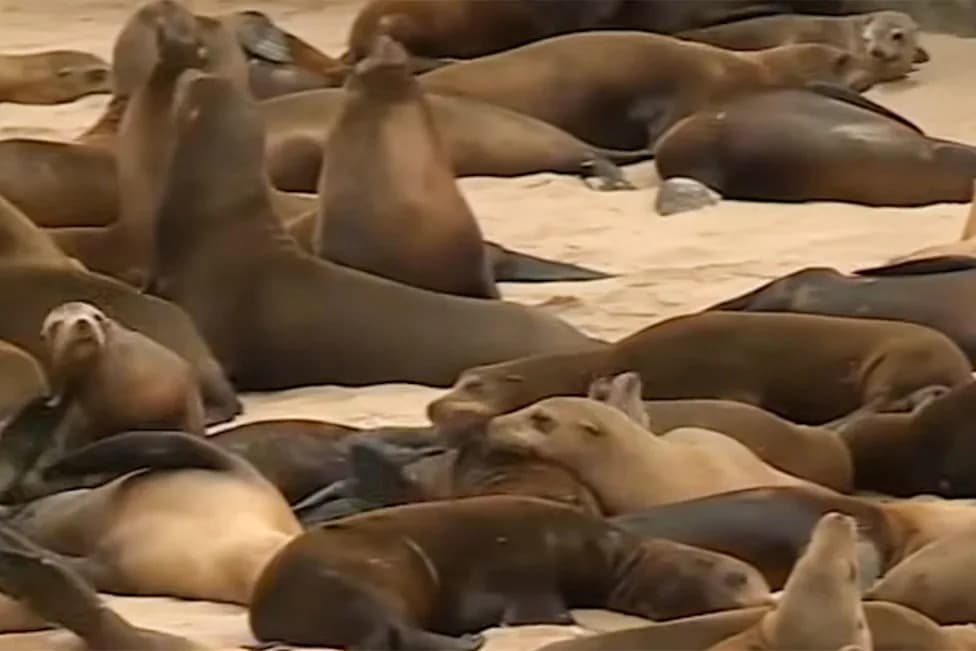
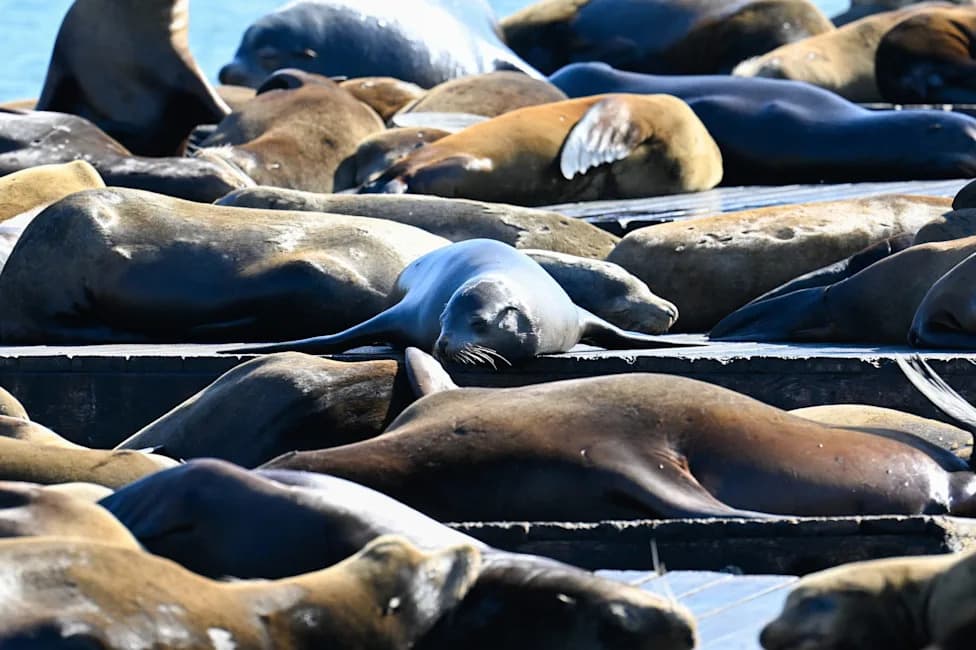
Researchers have recorded a sharp rise in leptospirosis among marine animals along California’s Central Coast. Nearly 400 sea animals have been reported sick or stranded since the end of June, and fewer than one-third have survived. Veterinarians and volunteers say many of the affected animals show classic signs of the disease, and this outbreak began earlier than usual and has produced a record number of fatalities.
What is leptospirosis?
Leptospirosis is caused by the spiral-shaped bacterium Leptospira, which thrives in warm, moist environments and can persist in contaminated water or soil. The bacterium spreads easily through the urine of infected animals, making outbreaks likely among social species such as sea lions. Infected animals can suffer kidney and liver damage that impairs their ability to regulate fluids and electrolytes.
Signs in marine animals and human risk
Rescuers look for symptoms such as repeated drinking, apparent abdominal pain, lethargy and changes in behavior—sea lions folding their flippers over their abdomen is one reported sign. Humans can also contract leptospirosis; mild cases may last days to weeks, while severe infections can persist for months and require medical treatment. Health organizations advise avoiding contact with sick or stranded animals and contaminated water and seeking prompt medical care if exposure is suspected.
Why this outbreak is worrying
Small outbreaks of leptospirosis have been reported annually since the disease was first identified in the region in 1970, with larger episodes occurring every three to five years. This year’s event started about a month earlier than typical and has produced unusually high mortality. Scientists are investigating whether shifting ocean conditions are increasing disease risk.
“It’s a work in progress. And the world is changing quickly underneath our feet,”
— Jamie Lloyd-Smith, professor of ecology and evolutionary biology, UCLA
Environmental context
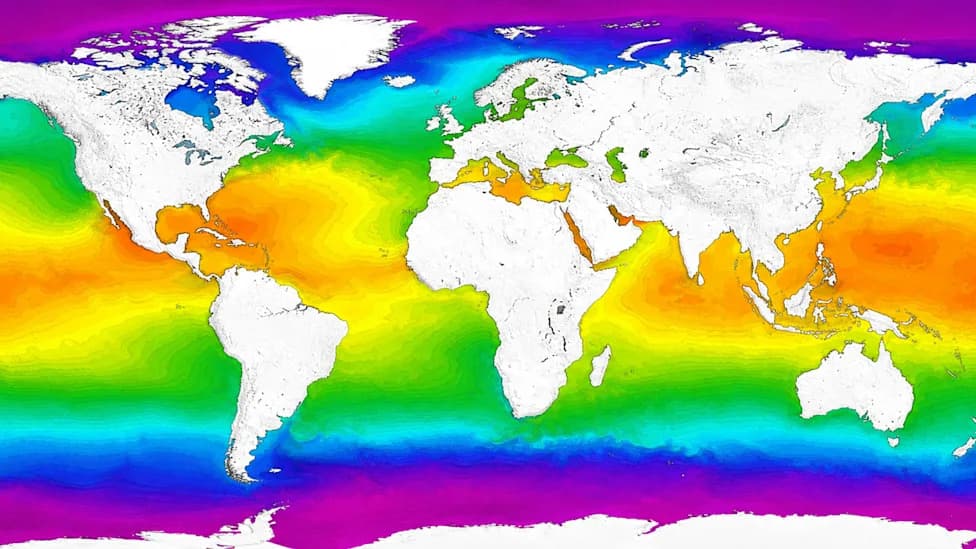
Oceans are absorbing excess heat and carbon from the atmosphere, becoming warmer, more acidic and raising sea levels. These changes stress marine ecosystems and can create conditions that favor pathogens. For example, warmer, shallower waters can help Leptospira survive longer, and rising temperatures also contribute to harmful algal blooms that reduce oxygen levels and further weaken marine life. Coral systems worldwide have experienced extensive heat-related damage, illustrating how climate stressors are compounding biological threats.
Strain on rescue and rehabilitation centers
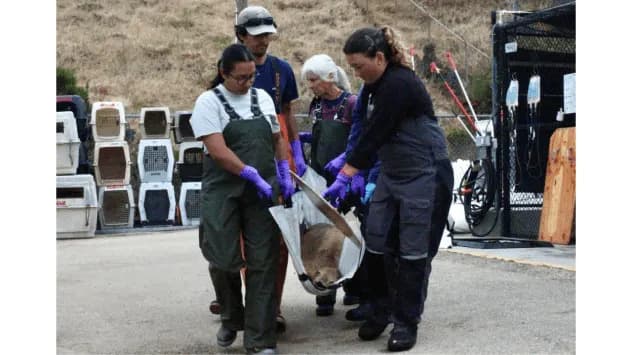
Wildlife rescue organizations report record caseloads after extreme weather and disease outbreaks. For instance, one center admitted 160 animals in a single day following a severe storm—its largest intake ever—and another treated an unusually high number of badger cubs after weather-related collisions. Limited funding and volunteer capacity leave many centers stretched thin during simultaneous crises.
How you can help
If you find a sick or stranded marine animal, do not attempt to handle it. Contact local wildlife authorities or a marine mammal rescue organization for guidance. Consider supporting local rescue centers through donations or volunteering if you are able. Reducing pollution, supporting coastal conservation, and advocating for climate action can also help address the broader environmental drivers behind disease risk.
Sources and guidance
Information in this article is consistent with guidance from veterinary and public health sources, including clinical descriptions of leptospirosis and research into environmental drivers of marine disease. For medical concerns about potential exposure, seek advice from a healthcare professional.
Help us improve.