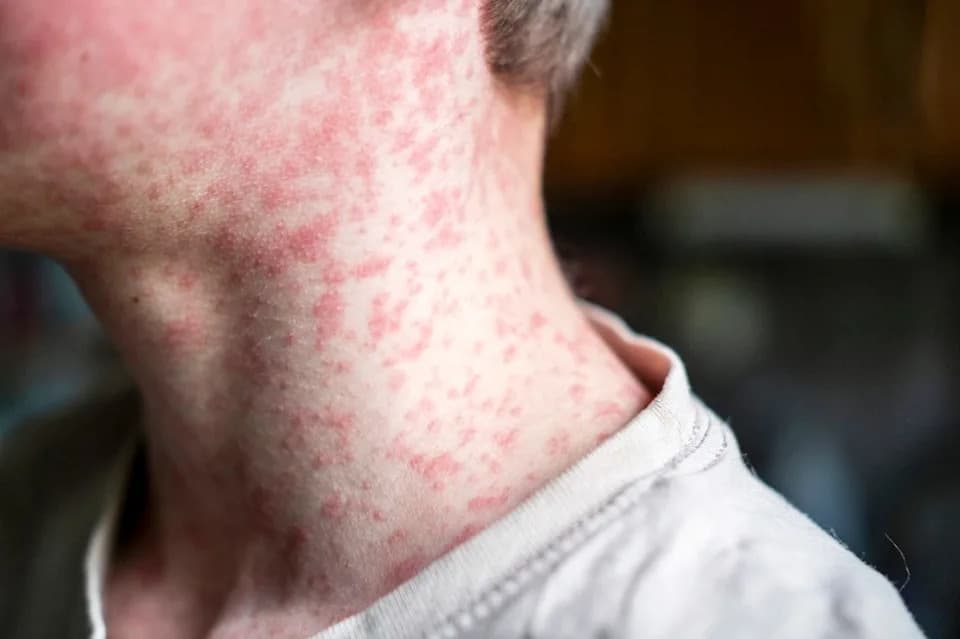
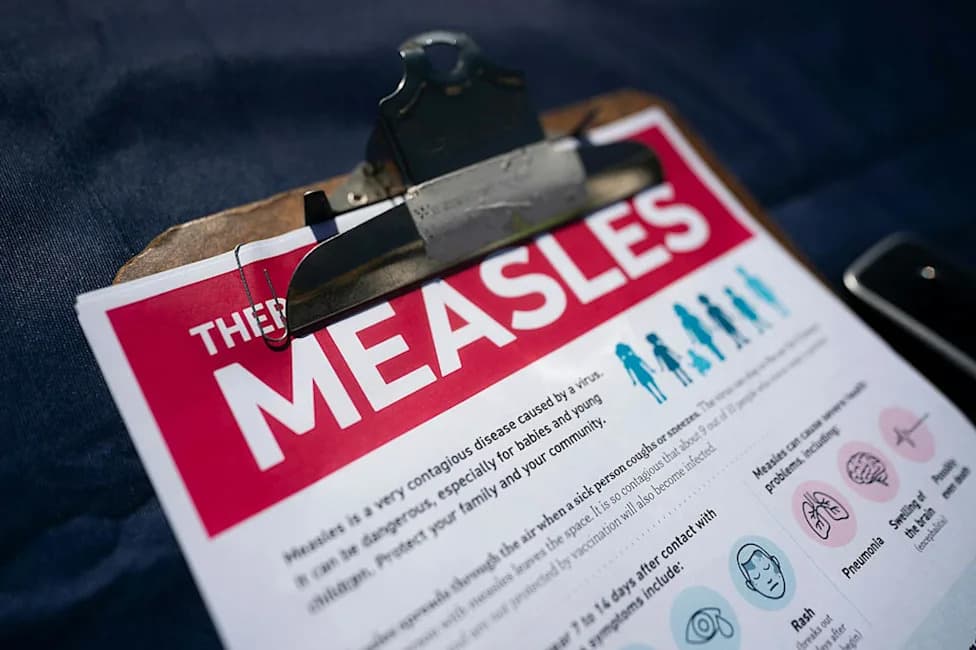
The Spartanburg County measles outbreak — more than 50 confirmed cases — highlights how low vaccination coverage, rising religious exemptions and pandemic-era misinformation have left some communities vulnerable. State data show student immunization rates in the county dropped from 95.1% to 90% between 2020–21 and 2024–25, and nearly 6,000 children lack required vaccinations. Public health officials are urging MMR vaccination now, especially before holiday travel, to prevent further spread.
Measles Returns to South Carolina: Misinformation, Exemptions and a County on Edge

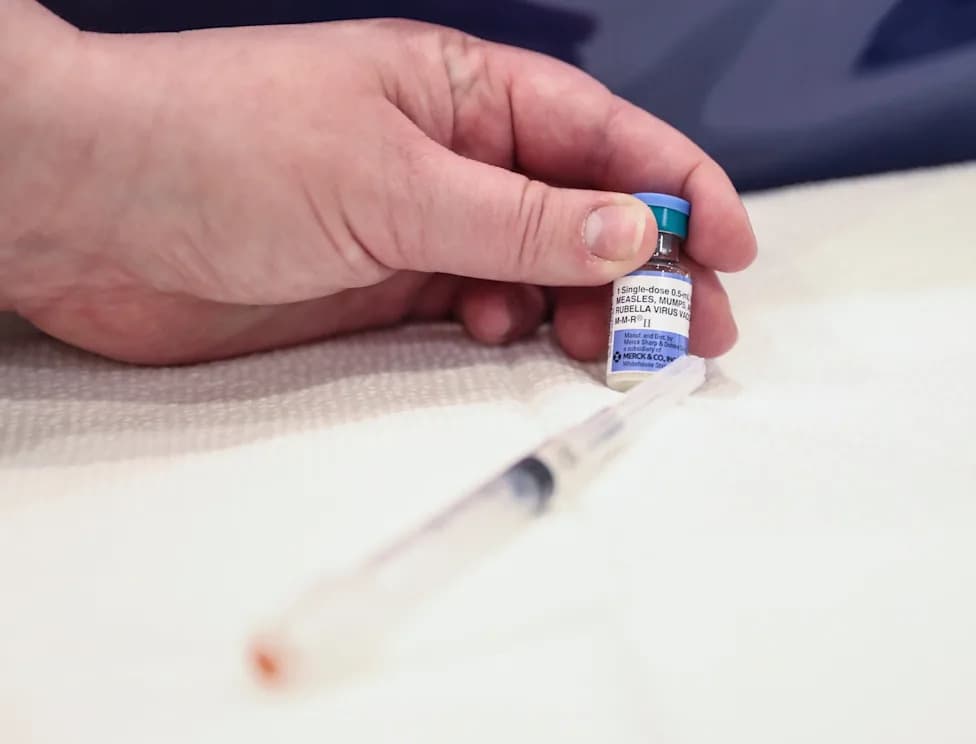
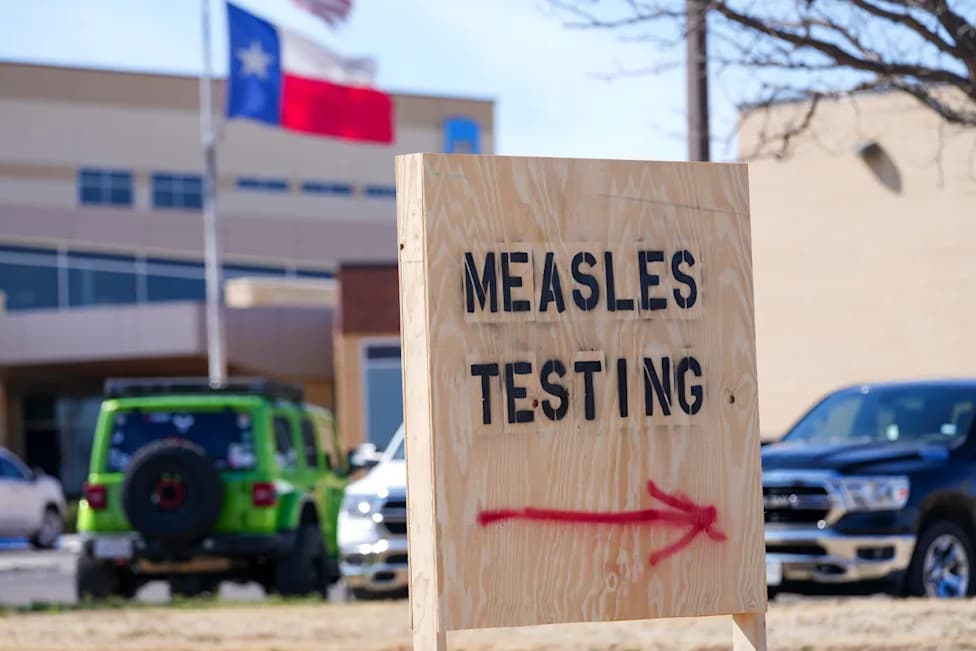
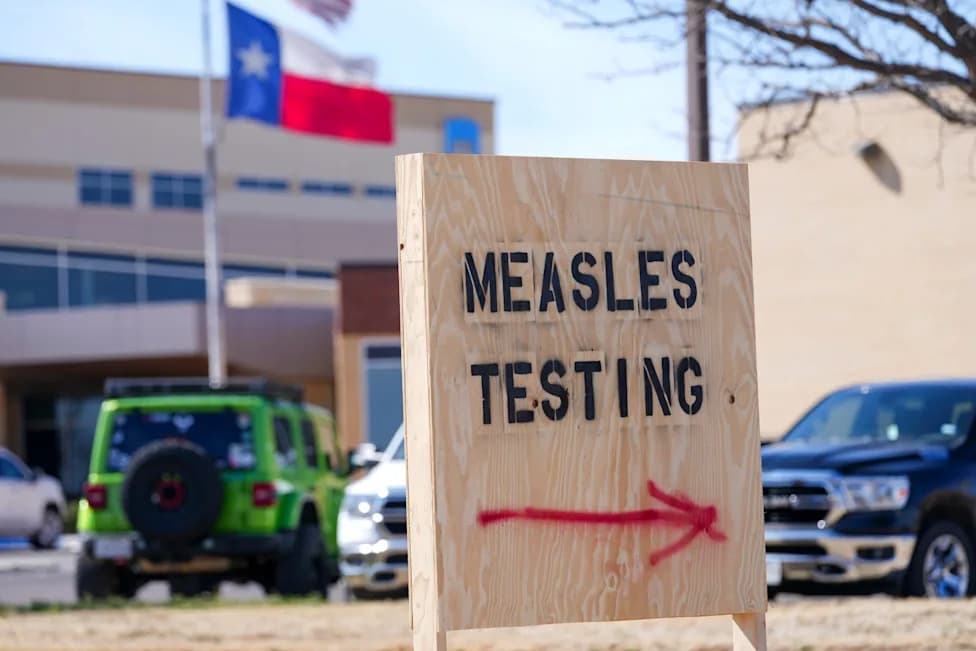
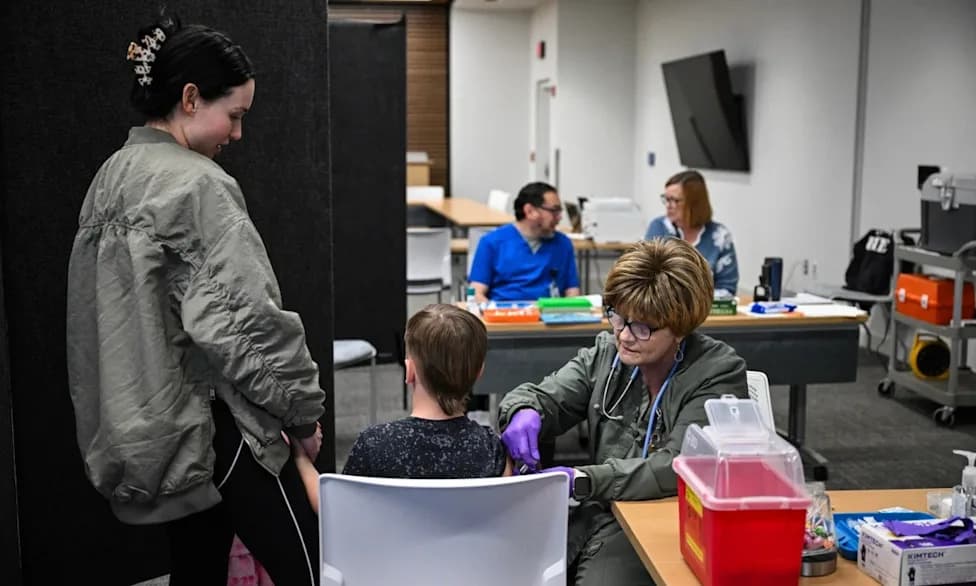
At a tucked-away corner of a local library parking lot in early November, a pop-up clinic offering free measles (MMR) vaccinations drew just one visitor on a Monday afternoon in Boiling Springs. Spartanburg County, in South Carolina’s Upstate, has been responding to a measles outbreak that began in early October; health officials have confirmed more than 50 cases so far.
Outbreak and scope
The outbreak in Spartanburg is part of a broader national increase in measles: public health agencies reported more than 1,700 cases and 45 outbreaks in 2025, with the largest cluster starting in Texas and resulting in hundreds of infections and several child fatalities. For the first time in more than two decades, the United States faces the risk of losing its measles-elimination status, which denotes that cases are rare and quickly contained.
Why this community is vulnerable
Spartanburg’s vaccination coverage is among the lowest of South Carolina’s 46 counties. Between the 2020–21 and 2024–25 school years, the share of students with required immunizations fell from 95.1% to 90% — below the 95% threshold public health officials consider necessary to prevent sustained measles spread. Nearly 6,000 children in county schools last year either held exemptions or did not meet vaccine requirements.
Religious exemptions in the state are relatively easy to obtain: the form must be notarized but does not require a physician’s statement or disclosure of specific religious beliefs. Over the past decade, the number of religious exemptions has climbed sharply in the Upstate, rising from roughly 2,044 in 2013–14 to more than 13,000 by fall 2024.
Sources of erosion in vaccine confidence
Local health leaders link the county’s low coverage to long-standing misinformation spread on social media and by nonmedical community leaders. The covid pandemic intensified vaccine skepticism, according to public health experts, fueling concern and distrust that sometimes spilled over to routine childhood immunizations such as MMR.
“Measles is the canary in the coal mine because it’s extremely contagious,” said Josh Michaud, associate director for global and public health policy at KFF. “Given the current trends, we should expect more outbreaks unless coverage improves.”
Politics, public messaging and the response
Political rhetoric emphasizing “health freedom” and reluctance to support mandates has influenced some state and local leaders, creating what Michaud describes as a “chilling effect” that makes officials hesitant to speak forcefully about vaccine safety and the risks posed by outbreaks. In South Carolina, the governor has said he does not support vaccine mandates and has urged calm, noting that measles is “dangerous” but not a reason to panic.
Public outreach for measles has been quieter than previous covid campaigns. For example, a 2021 campaign that paired covid vaccinations with local breweries received attention, while recent pop-up MMR clinics have been low-profile and offered no incentives.
Edward Simmer, interim director of the South Carolina Department of Public Health, is leading the agency while awaiting legislative confirmation. Political opposition related to his past support for covid mitigation measures has complicated his confirmation process.
On-the-ground efforts and guidance
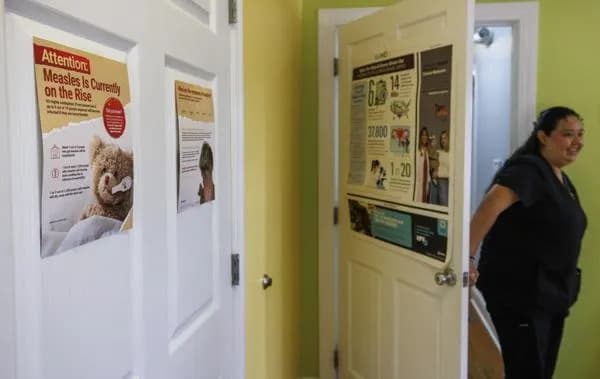
The state’s mobile unit administered 44 MMR doses from October through mid-November, and local providers administered more measles vaccines in October than the same month a year earlier. Still, more than 130 people—mostly elementary and middle school students—remained in quarantine as of mid-November, and cases have been linked to a church and a regional airport.
Public health officials urge anyone who is unvaccinated or unsure of their immunization status to get the MMR vaccine, especially ahead of holiday travel that can raise exposure risks.
What you can do: Check vaccination records, speak with your primary care provider about MMR, and seek vaccination if you or your children are not up to date.
Help us improve.