The Highway Trust Fund is again at risk: gas taxes and user fees stopped fully financing federal highways in 2007, and temporary transfers in 2021 only delayed the problem. The HTF could run out in 2027 and will need roughly $250 billion by 2033 (about $2,000 per household). Rising EV adoption worsens the gap because EVs don’t pay gas taxes; the article argues for comprehensive user fees, expanded state tolling, or a higher federal gas tax to restore sustainable funding.
Thanksgiving Traffic Exposes the Highway Trust Fund Shortfall — Who Will Pay for Our Roads?

Nearly 82 million Americans are expected to travel more than 50 miles over Thanksgiving, and most will drive. That surge underscores a growing — and costly — reality: the federal Highway Trust Fund (HTF) is relying increasingly on general revenues and debt instead of user fees, and it will run short again unless policymakers act.
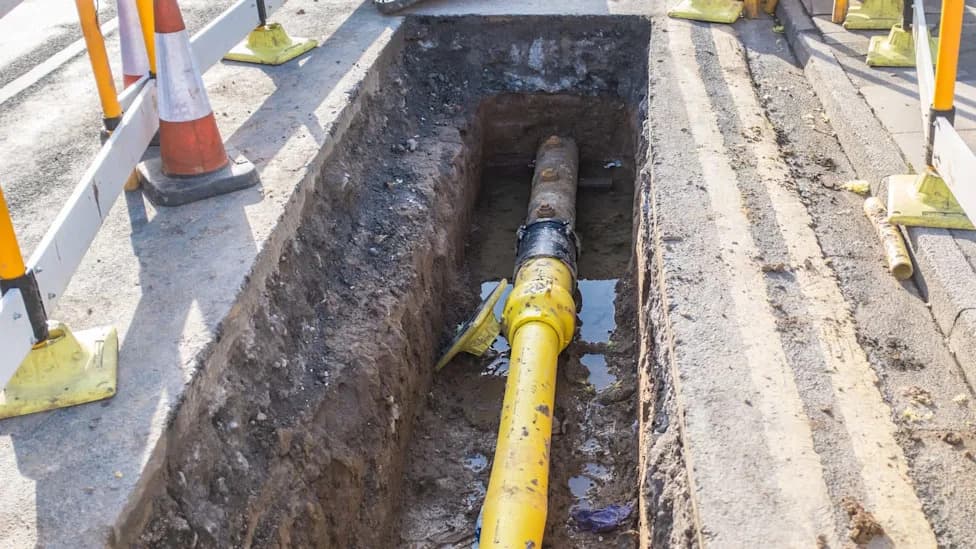
Gas taxes and other user fees stopped covering the full cost of the federal highway system in 2007. In 2021, Congress transferred roughly $181 billion from general revenues and borrowing into the HTF to close an immediate gap, but those transfers only delayed the problem. Projections now show the HTF could exhaust its balance again in 2027 and will need about $250 billion more by 2033 — roughly $2,000 per American household spread over the next eight years.
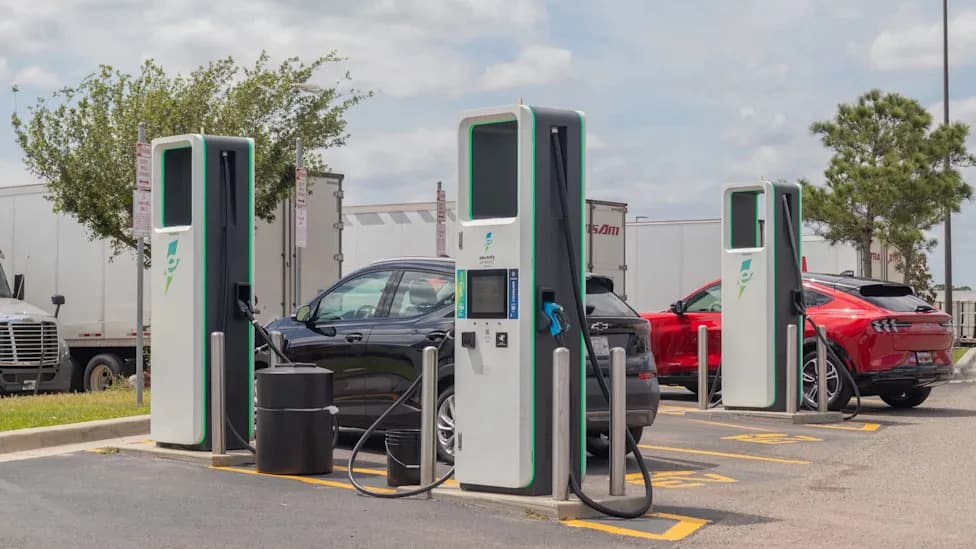
The higher share of electric vehicles (EVs) on the road aggravates the shortfall because EV drivers do not pay gasoline taxes. Still, the core issue is the financing model: current revenue mechanisms do not align with how roads are used or with the costs users impose.
Why user fees make sense
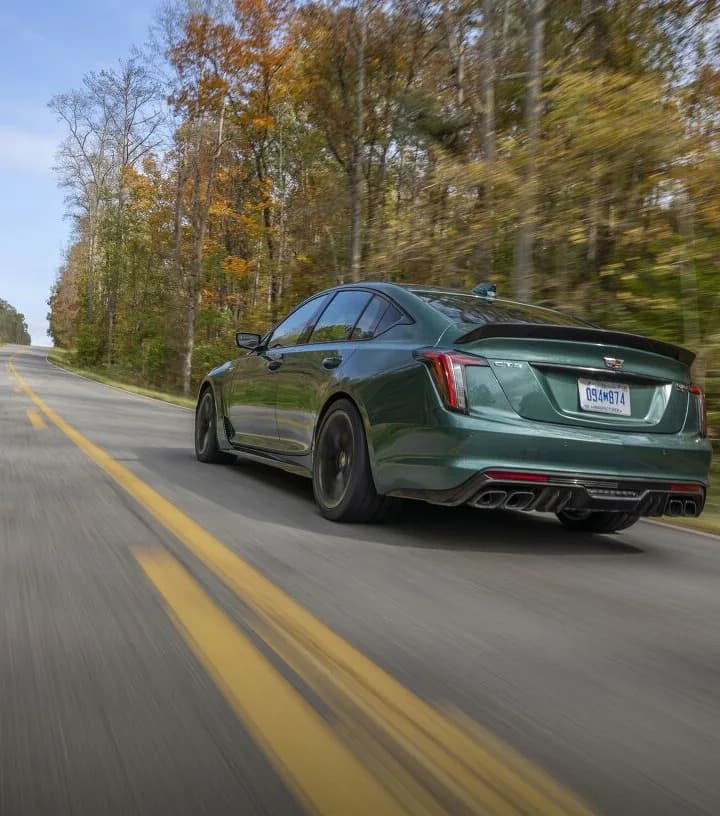
User fees — like fuel taxes, tolls, and higher registration fees for heavy vehicles — come closest to reflecting market prices for road use. Gas taxes scale with miles driven and partly account for air and noise pollution. Heavier vehicles, such as large trucks, cause disproportionate pavement damage and therefore pay higher fees in many jurisdictions. By contrast, private freight railroads fund more than 90% of their own capital investment and avoid comparable subsidies.
Tolls, EVs and shifting revenue tools
Federal law limits the use of tolls to finance the HTF directly, but states that operate and maintain federal and state highways can impose tolls on their roadways. As EVs capture a growing share of the fleet, tolling (including variable pricing) will probably become the main way for EV drivers to contribute to road upkeep.
Some argue EVs should be exempt from road charges because they reduce tailpipe emissions. Yet EVs also bring environmental and infrastructure considerations: their greater curb weight tends to increase particulate wear from tires, brakes, and pavement, and battery manufacture, charging, and disposal have environmental costs that should be accounted for in lifecycle assessments.
Policy options
Policymakers have several practical choices:
- Adopt comprehensive user-fee systems (tolls, mileage-based fees, or higher fuel and registration levies) that charge vehicles according to use and impact.
- Allow and encourage states to take primary responsibility for federal highways — including the ability to implement variable tolling and other user fees — aligning funding authority with the tools available on the ground.
- If the federal government remains the main funder, raise the federal gas tax (or adopt a federal mileage fee) to restore HTF solvency rather than relying on general revenues and debt.
Variable tolling — surge pricing for road space at peak times — can reduce congestion, better allocate scarce highway capacity, and give drivers price signals to shift travel times or modes when possible. Charging users for the costs they impose also creates incentives to use roads more efficiently and to choose lower-impact travel behaviors.
Ultimately, the HTF shortfall is both a budget challenge and a design problem. Fixing it will require clear choices about who pays for roads and how charges reflect use, wear, and environmental impact.
Help us improve.