One year after a $9 congestion toll began in Manhattan, officials report an 11% drop in vehicle entries and about $550 million raised. The revenue will help fund roughly $15 billion in MTA projects, including subway expansion, new railcars and signal upgrades. Data show faster travel times, safety improvements and stronger downtown business activity, though air-quality benefits are disputed and some neighborhoods outside the zone report parking spillovers. The program faces federal legal challenges.
One Year In: NYC’s $9 Congestion Toll Cuts Traffic 11% and Raises $550M, Hochul Says

Traffic fell, revenue rose one year into NYC congestion pricing, Hochul says
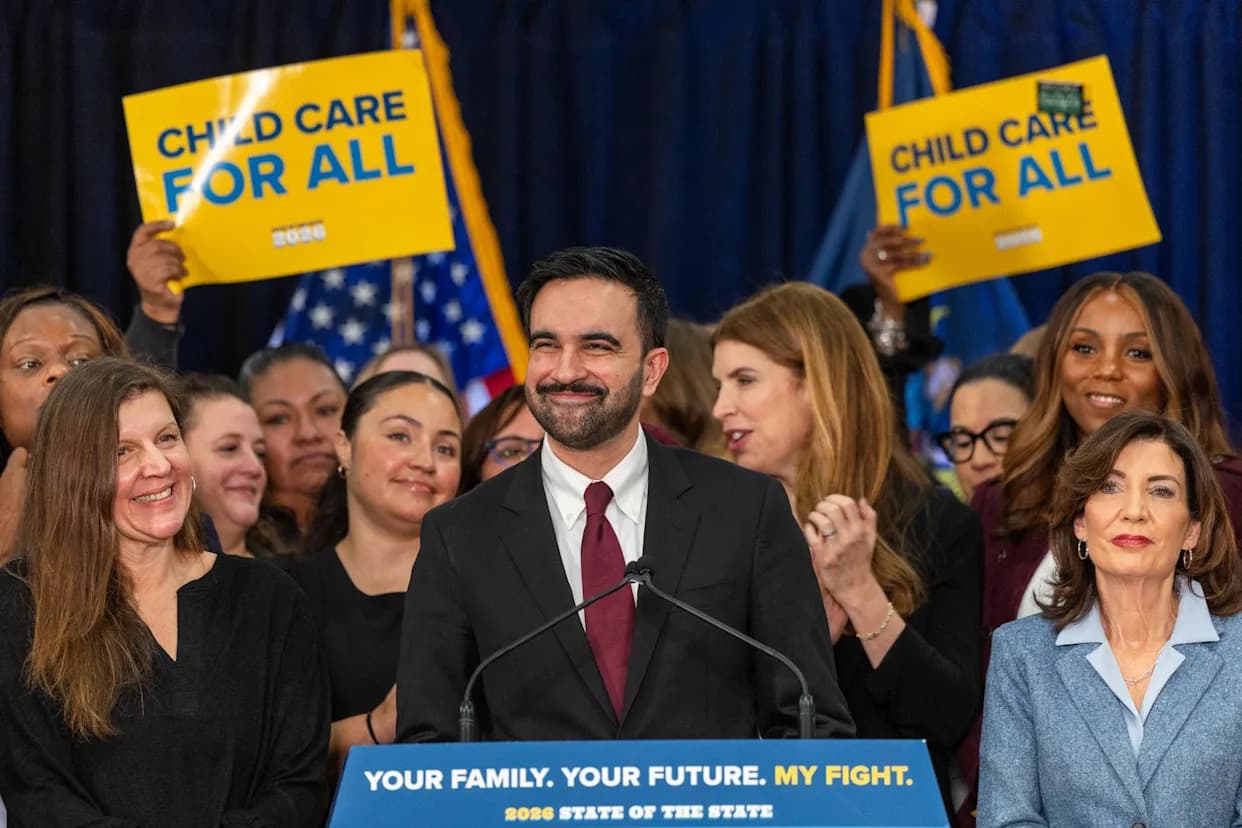
One year after New York City began charging a $9 congestion toll for vehicles entering Manhattan south of 60th Street, state officials reported significant traffic, safety and transit impacts — and generated roughly $550 million in revenue, Governor Kathy Hochul said Monday.
Hochul called the early results “transformational,” saying the policy has changed how residents and commuters travel and breathe, and that the reductions in gridlock and pollution are meaningful despite ongoing federal legal challenges.
How the Revenue Will Be Used
The funds will allow the Metropolitan Transportation Authority (MTA) to move forward with about $15 billion in projects that had been at risk from earlier budget shortfalls. Planned investments include extending the Second Avenue Subway, purchasing new railcars, and upgrading signals on the A, C and F lines to reduce delays for riders in Brooklyn and Queens.
Traffic, Transit and Time Savings
Officials and the Central Business District Tolling Program (CBDTP) reported that vehicle entries into the congestion zone fell by about 11% in the program’s first year — roughly 27 million fewer vehicle trips in 2025 compared with 2024.
Traffic speeds improved across key crossings: morning-rush speeds at the Holland Tunnel rose 51%, speeds on the Queensboro Bridge increased 29%, and the Williamsburg Bridge saw a 28% bump, according to the CBDTP evaluation. Bus speeds in the congestion zone rose for the first time in years.
Governor Hochul said daily commuters can save up to 117 hours per year (about five days). Research affiliated with Stanford estimated those shorter trips translate to roughly $14.3 million in weekly time savings.
Safety, Ridership and Neighborhood Effects
The year also saw reported safety and quality-of-life gains inside the toll zone: serious injuries from crashes fell nearly 9% and total crashes dropped about 7%, CBDTP said — improvements that benefit roughly 600,000 daily cyclists and pedestrians. Transit ridership grew about 7% to nearly 1.9 billion trips, marking the busiest year since 2019, while on-time performance for subways and regional rail also improved.
Other quality-of-life measures cited by officials include a 23% drop in traffic noise complaints inside the zone and a roughly 5.5% decline in reported crime on the transit system year-over-year.
Economic Indicators
Local economic data cited by city agencies paint a stronger-than-expected picture for downtown business: a December 2025 NYC Economic Development Corporation report found Broadway ticket sales rose 23% and office leasing reached its best year since 2002. Sales tax receipts in New York City grew more than 6% through November, reportedly outpacing growth in nearby counties.
Uneven Regional Impacts and Criticisms
While traffic decreased on many corridors — a 7.4% drop on the Cross Bronx Expressway and double-digit declines in truck traffic on the Brooklyn-Queens Expressway and parts of the Major Deegan — some routes outside Manhattan saw slight increases, such as under 1% growth on the Staten Island Expressway. The Regional Plan Association also flagged a 17% rise in illegal parking complaints in neighborhoods just outside the toll zone.
Air-quality findings are contested. State-cited analysis said concentrations of harmful fine particulate matter fell about 22% inside the zone in the year after the toll began, but a National Bureau of Economic Research (NBER) study concluded the program had "little-to-no effect on air quality" and ambient fine particulate concentrations.
Legal and Political Challenges
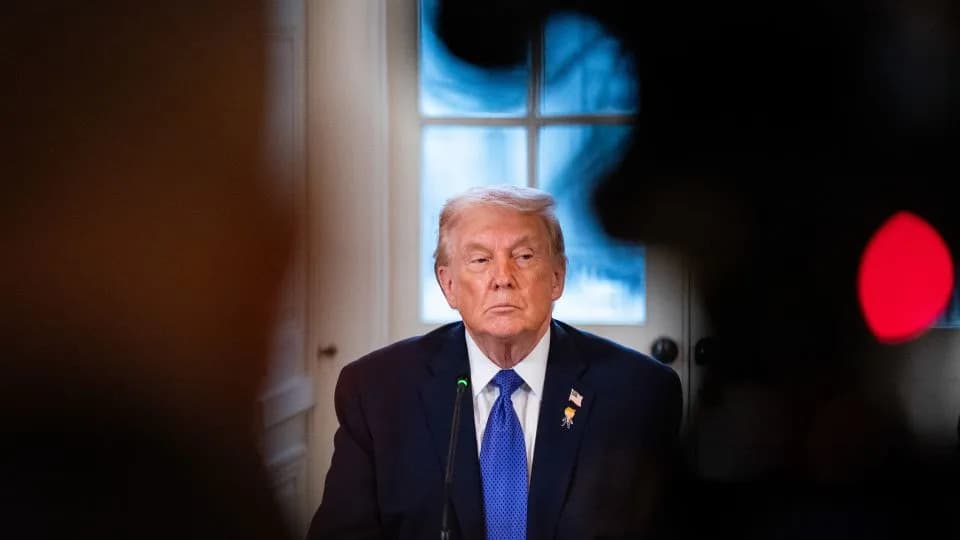
The program has faced legal and political pushback. President Donald Trump and U.S. Transportation Secretary Sean Duffy have sought to revoke the program’s pilot status and withhold federal transit grants, arguing the toll penalizes drivers; Duffy raised concerns about subway safety during a July hearing. Hochul said the state will defend the program in court and noted judges have so far ruled in its favor.
“We changed how people in this great city and the region live, how they breathe, how they act, and now the results are in,” Governor Hochul said when announcing the findings.
The MTA and advocacy groups also say revenues support accessibility upgrades — like new elevators and Access-A-Ride improvements — and public-health initiatives such as an asthma case-management program in Bronx neighborhoods historically affected by heavy truck traffic.
Bottom line: In year one, New York’s congestion pricing coincided with lower central Manhattan vehicle volume, faster traffic flows in key corridors, safety and transit-ridership gains, and substantial revenue for transit projects — even as researchers dispute some environmental benefits and nearby neighborhoods report spillover effects.
Help us improve.