GasBuddy projects a national average gasoline price of $2.97 in 2026, the first annual average below $3 since 2020. The group expects average household gasoline spending to fall to $2,083 and forecasts diesel to remain higher at about $3.55. Analysts warn that seasonal demand, refinery outages, hurricanes and geopolitical developments could still push prices higher.
GasBuddy Forecasts U.S. Annual Gas Price Under $3 in 2026 — $2.97 Projected
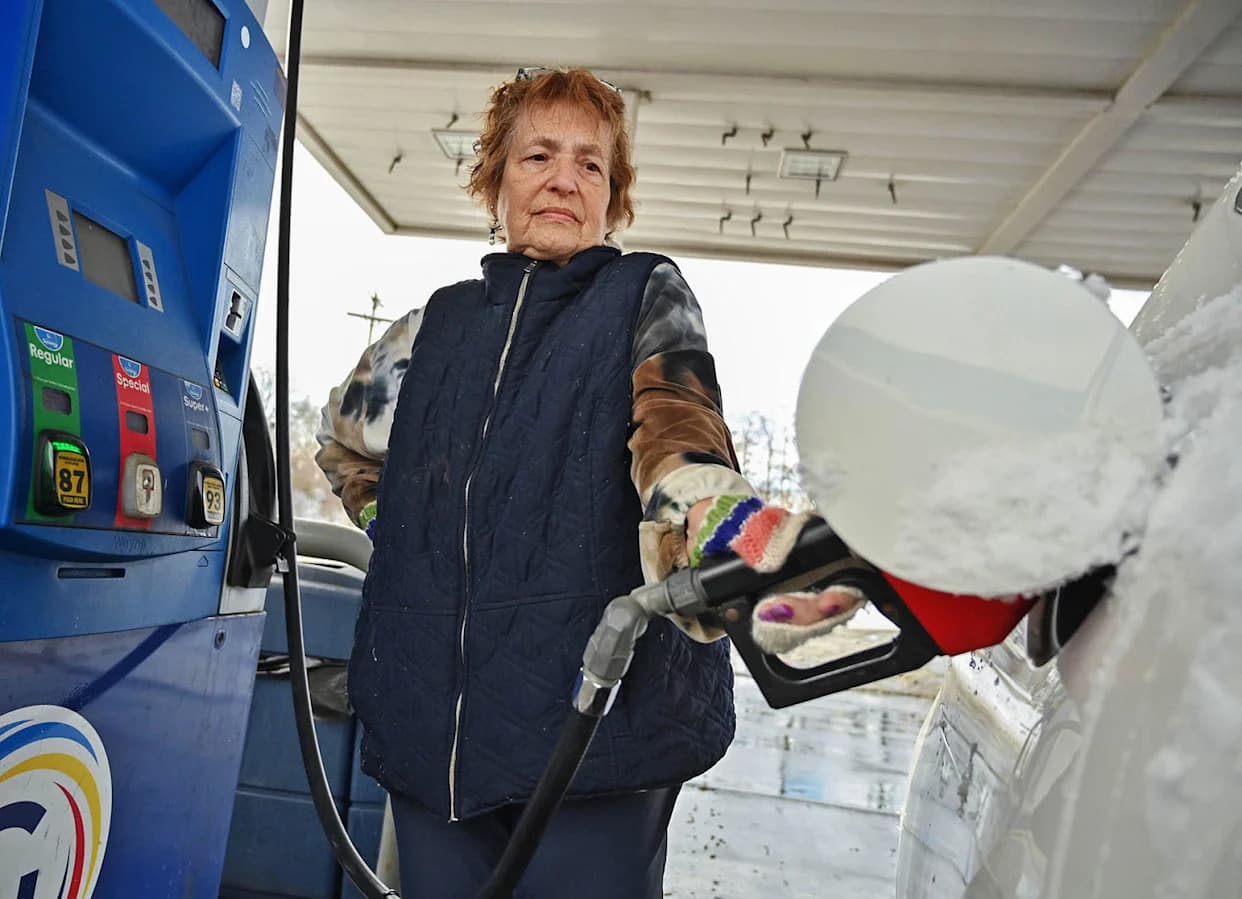
A customer pumps gas in Schenectady, N.Y., on Dec. 3. (Lori Van Buren / Albany Times Union via Getty Images file)
GasBuddy projects that the U.S. annual average price for regular gasoline will fall below $3 per gallon in 2026, estimating a yearlong average of $2.97. If realized, this would be the first time the annual average drops under $3 since 2020.
How the Forecast Was Calculated
GasBuddy said it arrived at the $2.97 figure by averaging each month’s price range and then taking the mean of those 12 monthly averages. Full methodology and results are included in the group's 2026 fuel price outlook report.
Context And Key Figures
GasBuddy’s projection is about 13 cents lower than the nationwide average of $3.10 recorded in 2025. The last year with a comparable low annual average was 2020, when pandemic-related demand declines produced an average unleaded price of $2.17, according to the U.S. Energy Information Administration.
The group also expects U.S. households to spend less on gasoline overall in 2026, projecting average household fuel spending of $2,083 for the year — well below the $2,715 average household spending reported for 2022.
Diesel And Real-Time Prices
While regular gasoline is projected to slip below $3, diesel is expected to remain higher. GasBuddy projects a 2026 diesel average of $3.55 per gallon, slightly below last year’s nationwide average of $3.62. As of Tuesday, GasBuddy’s real-time price measure put the nationwide gasoline average at $2.79 per gallon, a bit under its forecast for January.
Risks And Market Drivers
“The world has spent years recovering from the economic whiplash of the pandemic and the shock of Russia’s invasion of Ukraine, but the situation has been improving quietly since 2022,” said Patrick De Haan, GasBuddy’s head of petroleum analysis.
GasBuddy cautioned that averages could still be affected by seasonal demand patterns, refinery maintenance schedules, the Atlantic hurricane season and geopolitical developments. The group specifically noted that recent news surrounding Venezuela — a country with large crude reserves — is an example of the kind of geopolitical factor that could influence markets, but emphasized such developments are unlikely to produce immediate relief at the pump.
De Haan also reminded consumers of the strong seasonal pattern in retail fuel prices: “Gas prices almost always start going up in the spring. What’s happening in Venezuela is not going to stop that seasonal trend,” he said.
This report was originally reported on NBCNews.com and is based on GasBuddy’s 2026 fuel price outlook.
Help us improve.