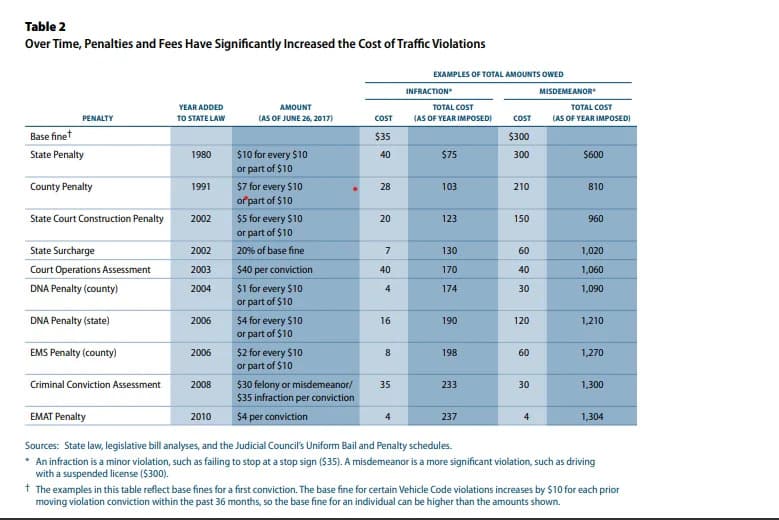
California drivers often face far higher costs than the base amount on a traffic citation due to numerous added fees, some unrelated to traffic enforcement. A state audit called these surcharges "seemingly arbitrary" and urged a full review nearly a decade ago, but lawmakers have not acted. Advocates say the extra charges disproportionately harm low-income drivers and have coincided with declining fine revenue. Officials say they favor appropriate, transparent penalties while working with partners on public safety.
Hidden Costs: How California Adds Hundreds in Fees That Inflate Traffic Tickets
/ Credit: Joint Legisative Audit Committee
Getting a traffic ticket is stressful — and for many Californians the sticker shock comes not from the base violation, but from a long list of extra fees that can multiply the total owed.
A red-light camera captured Kris Kahrs driving through an intersection in April 2025. Her underlying citation was for $100, but the bail amount she was told to pay arrived at $486.
"As I was pulling, approaching this light, which was starting to turn yellow, there was no chance to stop at that point," Kahrs said. "It feels like they're trying to hide something."
Where the Extra Money Goes
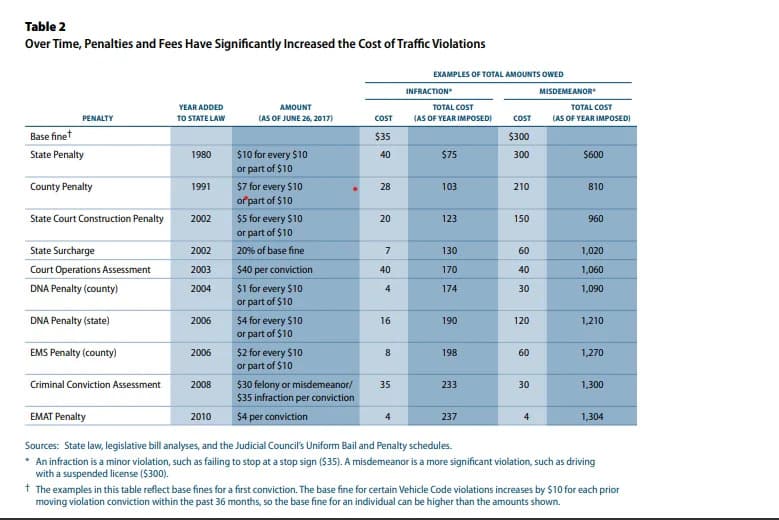
California lawmakers and agencies have, over the years, layered nearly a dozen surcharges and assessments onto traffic citations. Some levies — for example, payments directed to the Fish and Game Preservation Fund — have no clear connection to traffic safety or enforcement. By law, many of these added fees are only permissible when imposed by state agencies, yet they frequently appear on local traffic citations.
Audit Findings and Stalled Reform
Nearly a decade ago, the state’s Joint Legislative Audit Committee commissioned an audit that described these additional charges as "seemingly arbitrary" and not clearly tied to program needs or the offenses that generated them. The auditor urged the Legislature to "reconsider the entire penalty and fee structure." Eight years later, the auditor says lawmakers still have not acted.
"It's not very effective because it's inefficient. People can't pay what they don't have," the auditor told investigators.
Impact On Low-Income Drivers And State Revenue
Advocates and researchers say the cumulative effect of fines plus unrelated fees disproportionately burdens low-income motorists, driving many citations unpaid. Brandon Greene of the Western Center on Law and Poverty noted that these assessments contribute to a cycle in which enforcement becomes a revenue tool rather than a public-safety measure. State data also show collections from these fines have fallen year after year even as California faces a multi-billion-dollar budget shortfall.
How People Respond
Some drivers, like Kahrs, choose to fight citations in court or hire private companies that contest tickets. Kahrs paid $179 to Ticket Snipers, one of several firms that specialize in fighting citations, rather than pay the inflated total.
Official Responses
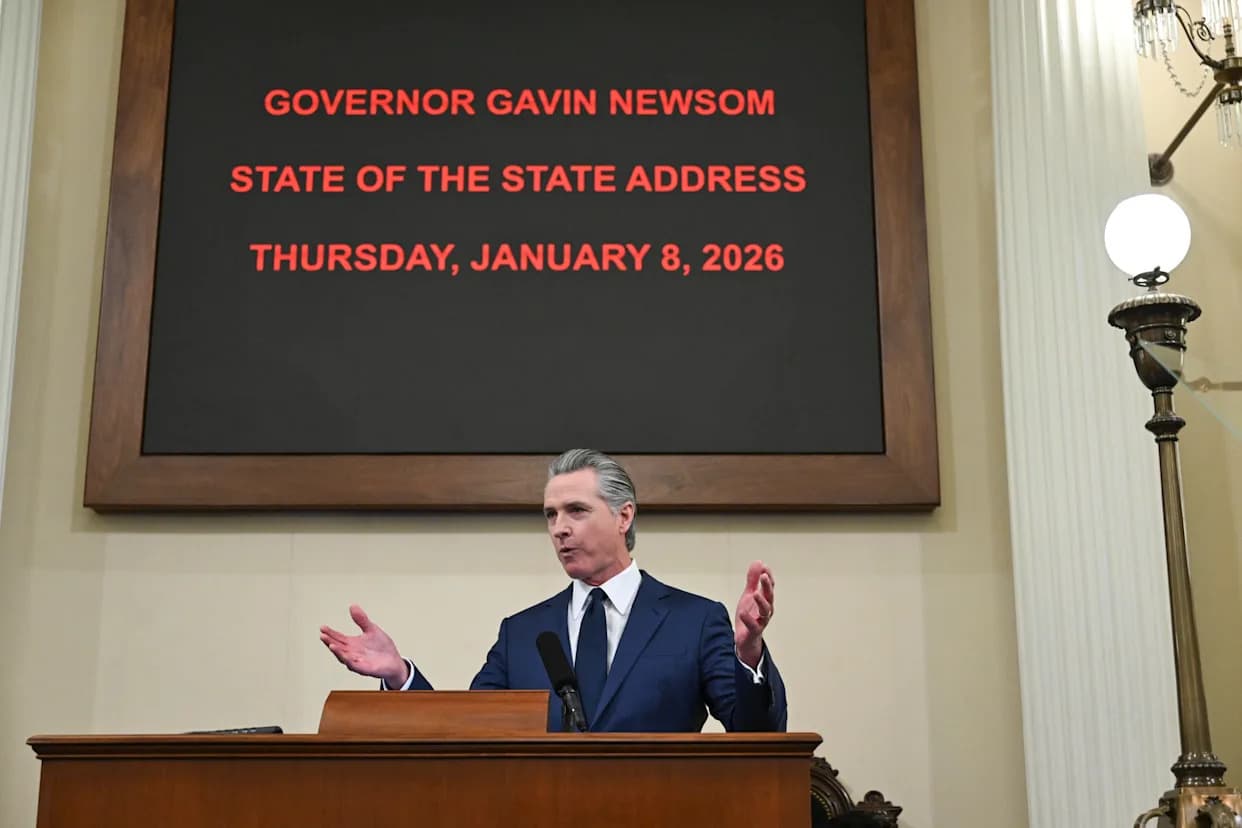
When CBS News California asked whether the governor’s office planned to address these bundled fees, the administration did not answer directly. Kimberly Erickson of the California State Transportation Agency issued a statement that the state believes traffic-related fees should be "appropriate, transparent, and encourage safe and responsible driving" and that the agency is working with partners to maintain public safety while keeping transportation affordable.
The chair of the Assembly Transportation Committee told investigators she was unaware of the scope of the added charges until reporters raised the issue.
Why It Matters
Critics argue that continuing to pile on fees is inefficient, unfair to those least able to pay, and unlikely to produce steady revenue. The auditor’s recommendation for a comprehensive review of the penalty and fee structure remains unaddressed, leaving drivers to shoulder costs that often far exceed the original citation.
Help us improve.