California Governor Gavin Newsom proposed $200 million in state EV rebates after Congress eliminated a $7,500 federal credit for new electric vehicles. The move aims to replace part of the incentives lost when the federal credit expired Sept. 30, 2024; California's earlier rebate program spent $1.49 billion to support about 586,000 vehicles through 2023. Automakers are already adjusting—Stellantis will halt certain plug-in Jeep sales in North America and GM plans a roughly $6 billion charge tied to unwinding EV investments—as federal regulatory changes also reshape EV incentives and perks.
Newsom Proposes $200M in California EV Rebates After Federal $7,500 Credit Ends
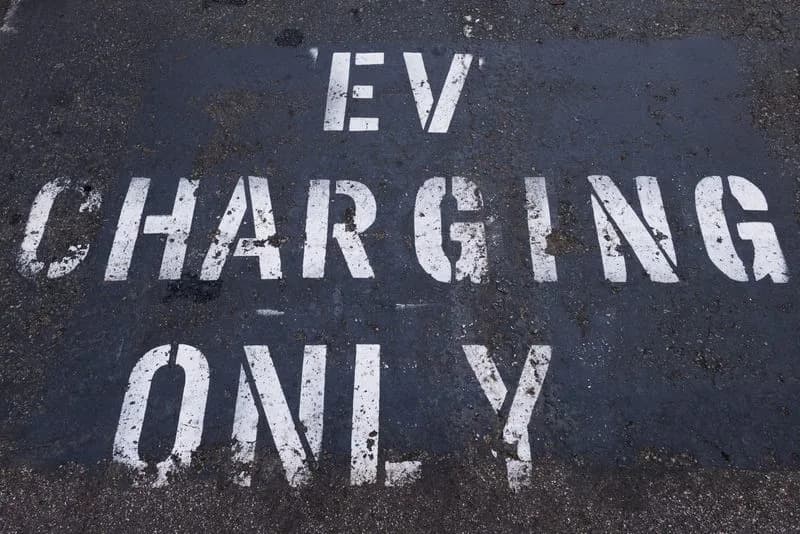
A parking space is marked specifically for an electric vehicle to charge charger in a shopping center parking lot in Oceanside, California, U.S.,October 19, 2023. REUTERS/Mike Blake
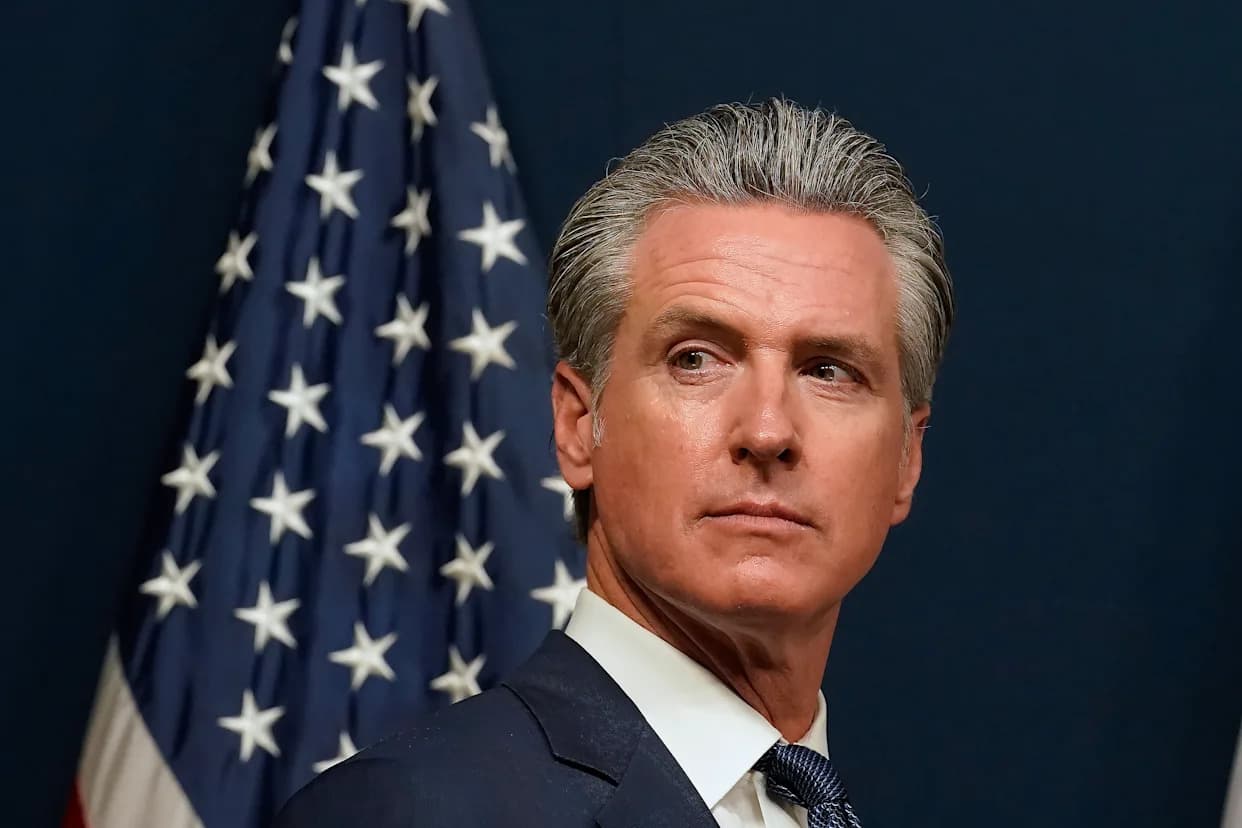
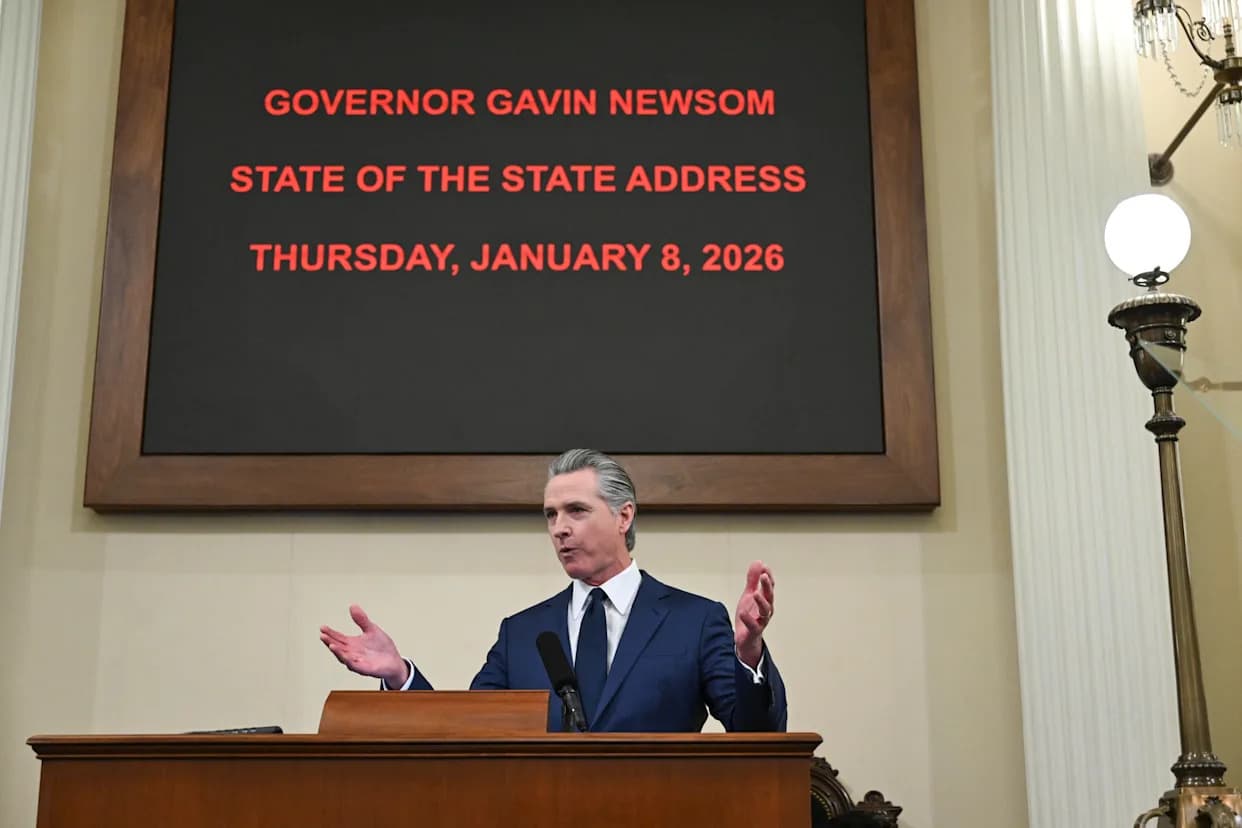
California Governor Gavin Newsom has proposed a $200 million state rebate package to support electric-vehicle (EV) buyers after Congress eliminated a federal $7,500 tax credit for new EVs, the state said on Friday.
Proposal Background
Newsom announced late in 2024 that he would push to recreate a version of California’s Clean Vehicle Rebate Program if the federal credit were repealed. That earlier program ended in 2023 after distributing about $1.49 billion in subsidies that supported roughly 586,000 vehicles over a decade. EV sales fell sharply in the final three months of 2024 after the federal credit expired on Sept. 30, 2024.
What The State Is Considering
The California Air Resources Board (CARB) said it was reviewing options but had not yet decided how large any per-vehicle rebate would be or the eligibility rules. The proposed $200 million would be a state-level effort to help offset the loss of federal incentives and encourage EV purchases while CARB develops program details.
Industry Impact
Automakers have begun adjusting to weaker EV demand and changing rules. Chrysler parent Stellantis said it will stop selling plug-in hybrid versions of the Jeep Wrangler and Grand Cherokee in North America. General Motors said it would take a roughly $6 billion charge tied to unwinding some prior EV investments.
Federal Policy Changes
Federal changes this year also affected state EV incentives and perks. Legislation ending the $7,500 new-vehicle credit also removed a $4,000 credit for used EVs. Effective Oct. 1, the federal government barred states from allowing electric and other clean vehicles to use high-occupancy vehicle (HOV) lanes without meeting vehicle-occupancy requirements — a perk California and some other states had used to encourage EV adoption.
In addition, the federal administration has taken multiple regulatory steps affecting EV policy, including legislation limiting California's authority to set strict vehicle sales mandates and guidance affecting enforcement of earlier fuel-efficiency rules. Officials say some of those changes will reduce automakers' need to buy compliance credits from other manufacturers, a shift that industry analysts say could save automakers billions.
Outlook
Newsom's proposal aims to blunt the immediate sales drop from the federal credit's removal while California and automakers adapt to a rapidly changing regulatory and market environment. CARB and state legislators must still finalize program details and funding approvals before rebates would be available.
Help us improve.