Taiwan will deploy a special $40 billion defense fund between 2026 and 2033 to purchase weapons and develop systems such as a proposed “Taiwan Dome” and upgraded air defenses. The sum is an upper limit intended primarily for U.S. purchases and joint Taiwan–U.S. procurement, including precision-strike missiles. President Lai also pledged stronger measures against Beijing’s psychological warfare and weighed in on rising regional tensions involving Japan and China.
Taiwan Unveils $40 Billion Special Defense Budget to Buy Weapons and Build ‘Taiwan Dome’

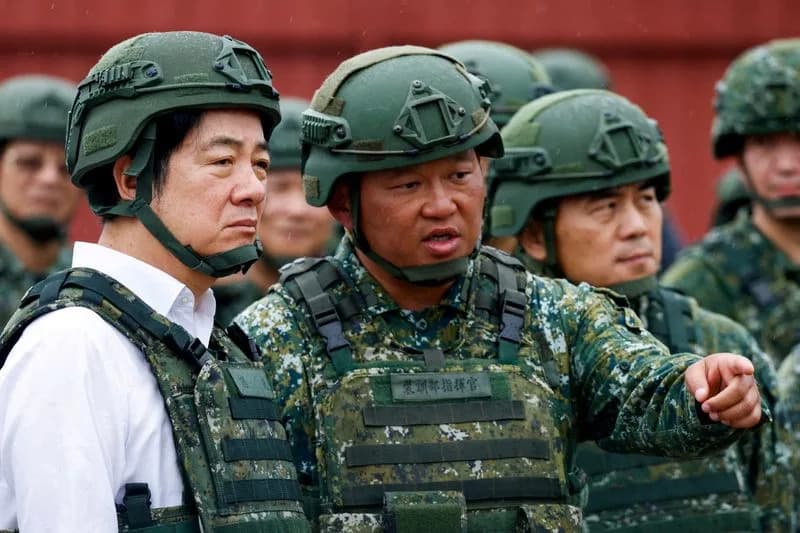
Taiwan’s President Lai Ching-te on Wednesday announced a special $40 billion budget, to be disbursed from 2026 through 2033, aimed at strengthening the island’s defenses through arms purchases and new systems including a proposed “Taiwan Dome” and an upgraded air-defense network with enhanced detection and interception capabilities.
The package comes as Taipei responds to persistent military pressure from Beijing and amid calls from U.S. figures for Taiwan to increase its defense spending. Lai has previously pledged to push Taiwan’s defense spending to 5% of GDP; for 2026 the island has already set defense outlays at 3.3% of GDP, allocating 949.5 billion New Taiwan dollars (about $31.18 billion).
“China’s threats to Taiwan and the Indo-Pacific region are escalating,” Lai said, pointing to recent military intrusions, maritime gray-zone operations and disinformation campaigns around the Taiwan Strait and elsewhere in the region.
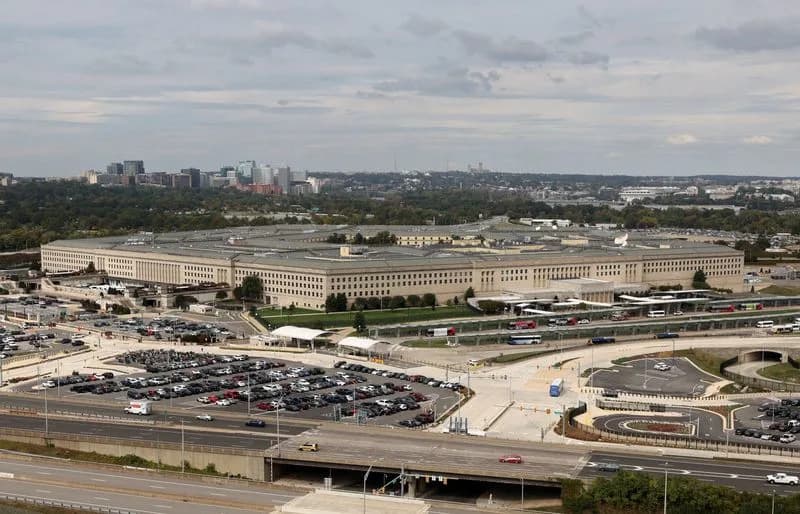
Wellington Koo, Taiwan’s minister of national defense, described the $40 billion figure as an upper limit for the special fund. He said the money will be used to acquire precision-strike missiles and support joint development and procurement projects with the United States for equipment and defense systems.
Lai said the special budget is intended mainly for purchases from and cooperation with the U.S., and he emphasized the need to strengthen defenses not only against kinetic threats but also against Beijing’s “psychological warfare”—disinformation and influence campaigns intended to sow discord and weaken social cohesion. The government plans to monitor interference attempts and boost public awareness ahead of major events and elections.
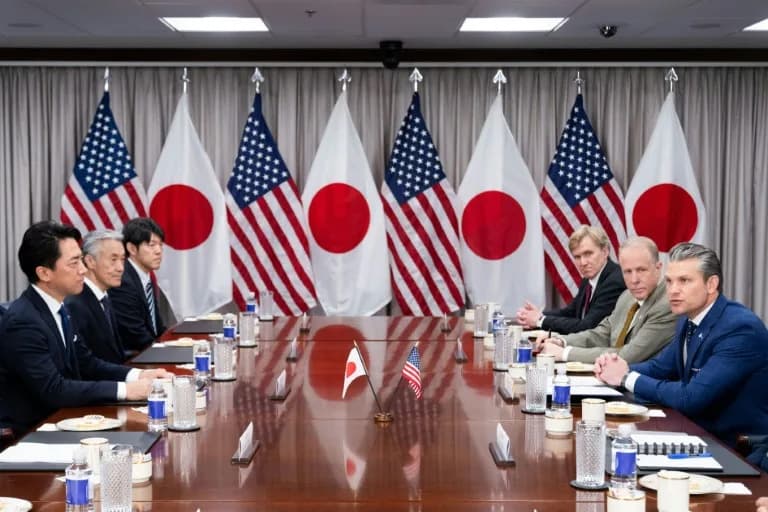
The announcement also touched on regional tensions after a conservative Japanese politician, Sanae Takaichi, suggested Japan might consider a military response should China act against Taiwan—comments that drew a sharp reaction from Beijing. Lai said such remarks reflected concerns about regional stability and urged major powers to act responsibly to preserve peace.
Taiwan, which governs itself, is claimed by China; in recent years Beijing has frequently deployed warplanes, naval vessels and drones near the island as part of military exercises. The special fund is intended to bolster deterrence and expand Taiwan’s capacity to defend itself over the coming decade.
Reported by Huizhong Wu.
Help us improve.