New Mexico’s Rio Grande corridor is a critical winter stop for tens of thousands of large migratory waterfowl that rely on wetlands and flooded fields for food and shelter. The state is experiencing its driest 20 years in 1,200, and climate projections show a 67–80% drop in January snowpack water and up to a 25% decline in Rio Grande flows above Elephant Butte within the next 50 years. Agriculture consumes roughly 80% of the state’s freshwater, and flooded fields currently help sustain overwintering birds. Experts urge more water-efficient farming and targeted wetland restoration to reduce the risk that birds will reroute around New Mexico.
Megadrought Could Reroute Thousands of Geese and Cranes Away From New Mexico

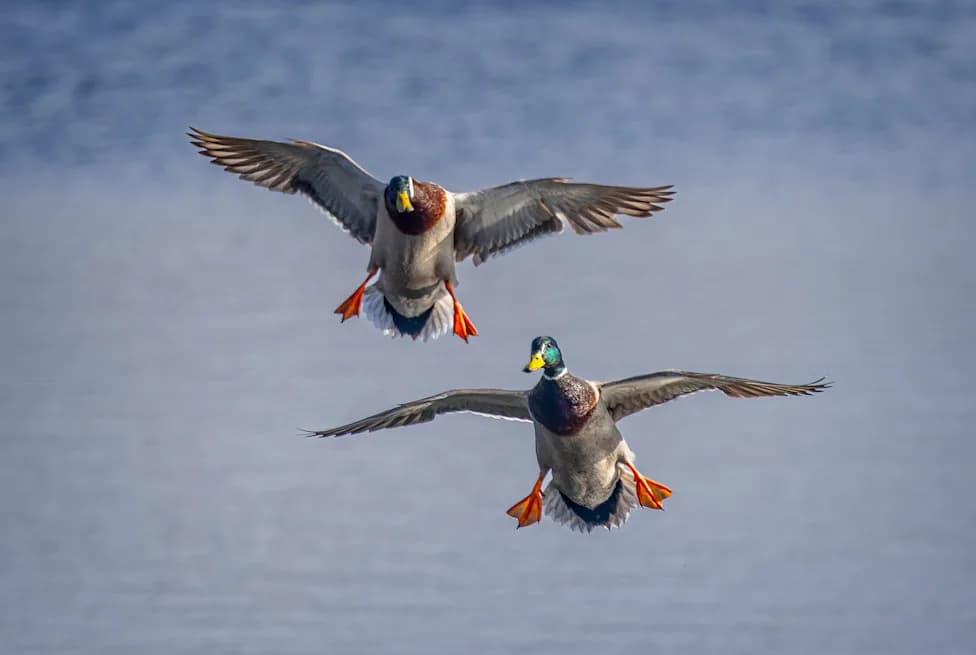
Each fall and winter, tens of thousands of large migratory waterfowl — including snow geese, Ross's geese and sandhill cranes — descend on the Rio Grande Valley to roost and refuel. Albuquerque sits squarely within the Central Flyway, one of four major migration corridors in the United States, and the river, surrounding wetlands and flooded crop fields act as vital stopovers on these long journeys.
Why the Rio Grande matters
Migratory birds use prominent landmarks like rivers and mountain ranges to navigate. The Rio Grande’s wetlands and flooded agricultural fields provide soft, unfrozen soils where birds can probe for invertebrates, along with nearby food sources that sustain them until spring. "Everything needs water on their way south," says Tucker Davidson of Audubon Southwest. "Some of these trips are really, really long. Especially for large migratory birds, they are cueing in on the wetlands along the river."
Drought and the stakes for birds
New Mexico is experiencing its driest 20-year period in more than a millennium — often described by scientists as a "megadrought." Drier conditions increase the risks of dehydration and hypothermia for birds and reduce the abundance of insects, vegetation and fruits they depend on. Without dependable wetlands and flooded fields, many species could struggle to find the food and shelter needed to survive winter and continue their migrations.
What the climate models say
Snowpack is a key determinant of river and stream flows. Projections cited by local models suggest the water tied to New Mexico’s January snowpack could decline by roughly 67% to 80% depending on future emissions scenarios. State reports estimate flows into the Rio Grande above Elephant Butte Reservoir could drop by up to 25% over the next 50 years as average annual temperatures rise by roughly 3–7°F, with some climate models projecting even greater warming.
Agriculture’s outsized water use
Although New Mexico has reduced overall water use from historical peaks, agriculture remains the dominant consumer. Recent analyses indicate roughly 80% of the state's fresh water is used for agricultural production — including dairies, alfalfa, pecans and chile — with many acres irrigated by sprinklers or flooding. Flooded fields and irrigation runoff currently help sustain overwintering birds when natural wetlands shrink.
Competing needs and potential solutions
Conservationists and water managers face a difficult tradeoff: sustaining flooded fields to support wildlife versus conserving dwindling water supplies for people and crops. Experts are promoting more water-efficient practices, such as drip irrigation and strategically timed wetland restoration, to reduce agricultural demand while protecting critical habitat. "Attracting the cranes and geese really is a manufactured thing at this point," Davidson notes. "We have to flood up fields, and if we don’t provide corn or supplemental food, then they would probably start to find other places to overwinter."
What this means for the future
If warming continues and snowpack and river flows decline, scientific evidence suggests many large migratory birds may alter their routes in the coming decades — potentially bypassing New Mexico entirely. Preserving reliable water in Bosque wetlands and balancing agricultural practices with wildlife needs will play a central role in whether the Rio Grande remains a vital stop on the Central Flyway.
Help us improve.