Arizona has designated the Ranegras Plain Groundwater Basin as an active management area after falling water levels and documented land subsidence. The move requires basin users — including Saudi-owned agribusiness Fondomonte — to monitor, report and conserve groundwater. Gov. Katie Hobbs said the action protects rural communities, while agricultural groups warn the rules could sharply affect farms. The designation may face administrative and court challenges and follows a 2024 public nuisance lawsuit against Fondomonte.
Arizona Imposes New Limits on Groundwater Pumping in Ranegras Plain as Wells Run Dry

Arizona Democratic Gov. Katie Hobbs speaks during her State of the State address in the House of Representatives at the Capitol with Speaker of the House Rep. Steve Montenegro, R-Litchfield Park, left, and Senate President Warren Petersen, R-Gilbert, flanking the governor, Monday, Jan. 12, 2026, in Phoenix. (AP Photo/Ross D. Franklin)(ASSOCIATED PRESS)
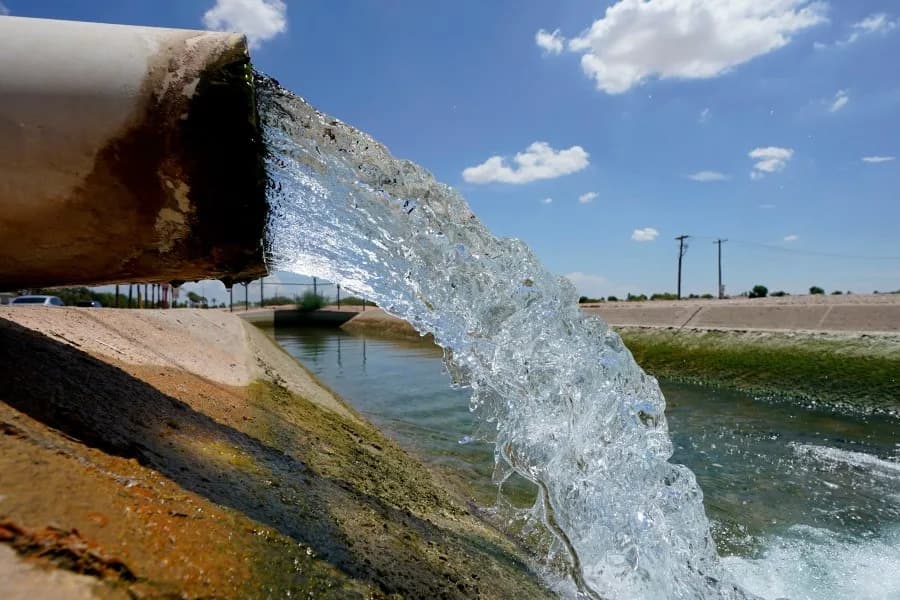
State officials in drought-stricken Arizona have designated the Ranegras Plain Groundwater Basin along the state's western edge as an active management area, enacting new rules to curb groundwater withdrawals after wells began running dry and studies documented land subsidence.
What The Designation Means
The Arizona Department of Water Resources (ADWR) will work with local stakeholders to create a management plan. Under the new rules, users in the basin must monitor, track and report their groundwater usage and comply with conservation requirements designed to slow the rate of depletion. Authorities emphasize the measures are intended to reduce the pace of decline, not immediately restore lost groundwater.
Impact On Local Residents
Gov. Katie Hobbs announced the designation during her annual address to the Legislature. The decision followed an ADWR finding that rapidly falling groundwater levels are causing land in the Ranegras Plain to subside, which reduces the basin's capacity to store water underground.
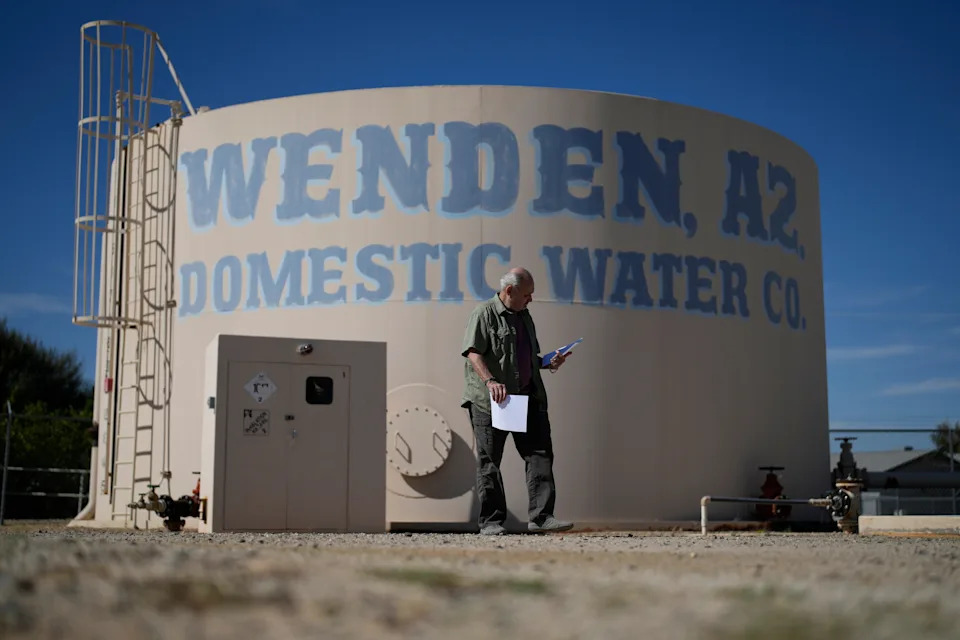
FILE - Gary Saiter, chairman of the board and general manager of the Wenden Domestic Water Improvement District, walks by a water tank at the district's well, Tuesday, Oct. 17, 2023, in Wenden, Ariz. (AP Photo/John Locher, File)(ASSOCIATED PRESS)
“We can no longer sit idly by while our rural communities go without help,” Hobbs said. “They deserve solutions and security, not another decade of inaction and uncertainty.”
Local residents will likely face new reporting requirements and tighter oversight of new or expanded pumping. Kari Ann Noeltner, La Paz County's chief deputy assessor and a basin resident, said she is saving money in case she must drill a deeper well for her property. “What this does is give us some breathing room that we’re not going to have more straws put into this basin without some serious oversight,” she said.
Friction With Lawmakers And Possible Legal Challenges
Arizona's groundwater framework, established in 1980, focused initially on population centers such as Tucson and Phoenix, where developers must demonstrate a 100-year water supply before building. Rural areas historically faced looser rules, which attracted large-scale farming operations that rely heavily on groundwater. Gov. Hobbs toured fields operated by Fondomonte last spring and urged the Legislature to consider alternate regulatory approaches for rural areas; those legislative talks later stalled.
The new designation is likely to face administrative or court challenges from opponents. This is the second active management area designation issued by Hobbs since taking office.
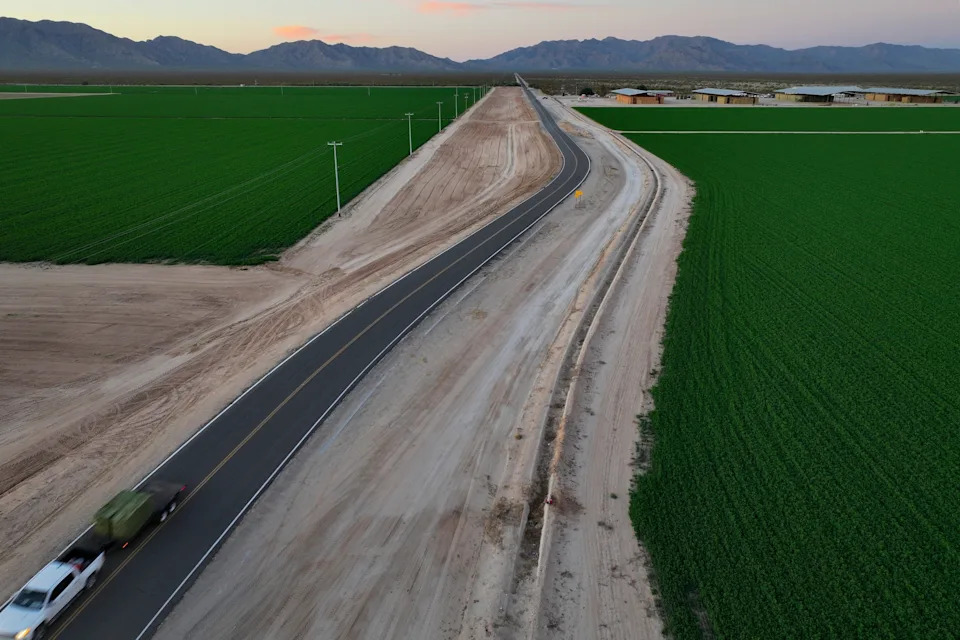
FILE - A truck hauling hay drives near Al Dahra Farms, Tuesday, Oct. 17, 2023, in the McMullen Valley in Wenden, Ariz. (AP Photo/John Locher, File)(ASSOCIATED PRESS)
Agribusiness And The Public Nuisance Lawsuit
The rules apply to all basin users, including Fondomonte, a Saudi-owned agribusiness that draws groundwater from the Ranegras Plain to grow alfalfa for export. Agricultural leaders say the changes will hit farms hardest. Philip Bashaw, chief executive of the Arizona Farm Bureau, warned the restrictions could affect both large operations and long-established family farms: “It doesn’t matter if it’s Fondomonte or they are family farms that have been in that area for a long time. Everyone is going to wind up with the same limitations.”
ADWR maps show land subsidence is most pronounced in areas where Fondomonte farms. Fondomonte spokesperson Barrett Marson said the company — a subsidiary of Saudi dairy firm Almari Co. — will continue to comply with state and local regulations and has invested in water-efficiency measures. “We are proud supporters of Arizona agriculture and the farming community,” Marson said.
Arizona Attorney General Kris Mayes sued Fondomonte in 2024, alleging the company's groundwater pumping constitutes a public nuisance and threatens public health, safety and infrastructure. Fondomonte has disputed the allegations, calling them unfounded and asserting the lawsuit attempts to bypass the legislative process.
The designation gives state regulators new tools to oversee pumping and require conservation, but officials acknowledge it will take time and additional measures to stabilize the basin's groundwater levels. Stakeholders on all sides say more work is needed to balance rural water security, agricultural livelihoods and long-term sustainability.
Help us improve.