A newly described set of partially mineralized vertebrae from the Darwin Formation in northern Australia indicates that lamniform sharks reached very large sizes about 115 million years ago. The fossils, likely from a cardabiodontid, suggest an individual roughly 20–26 feet long and over 3 tons in weight. Statistical analysis of nearly 2,000 modern sharks supports the conclusion that giant lamniform body sizes evolved much earlier than previously believed. The discovery reshapes our understanding of ancient marine food webs and underscores the importance of Australian fossil sites.
Ancient Giant Shark Pushes Back Timeline for When Sharks Became Ocean Giants

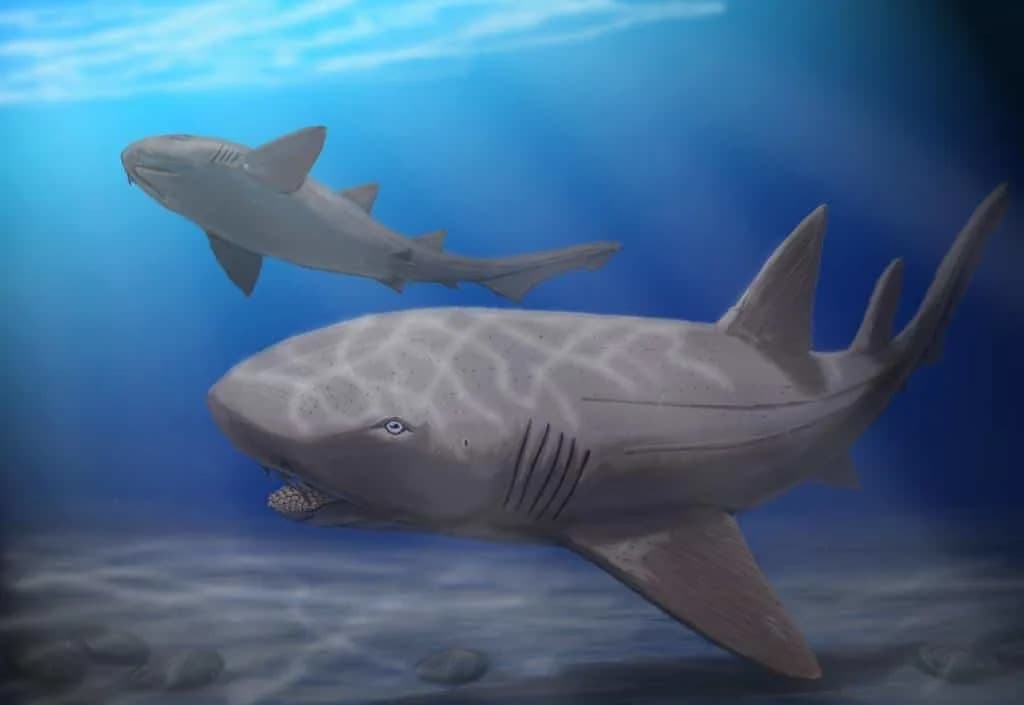
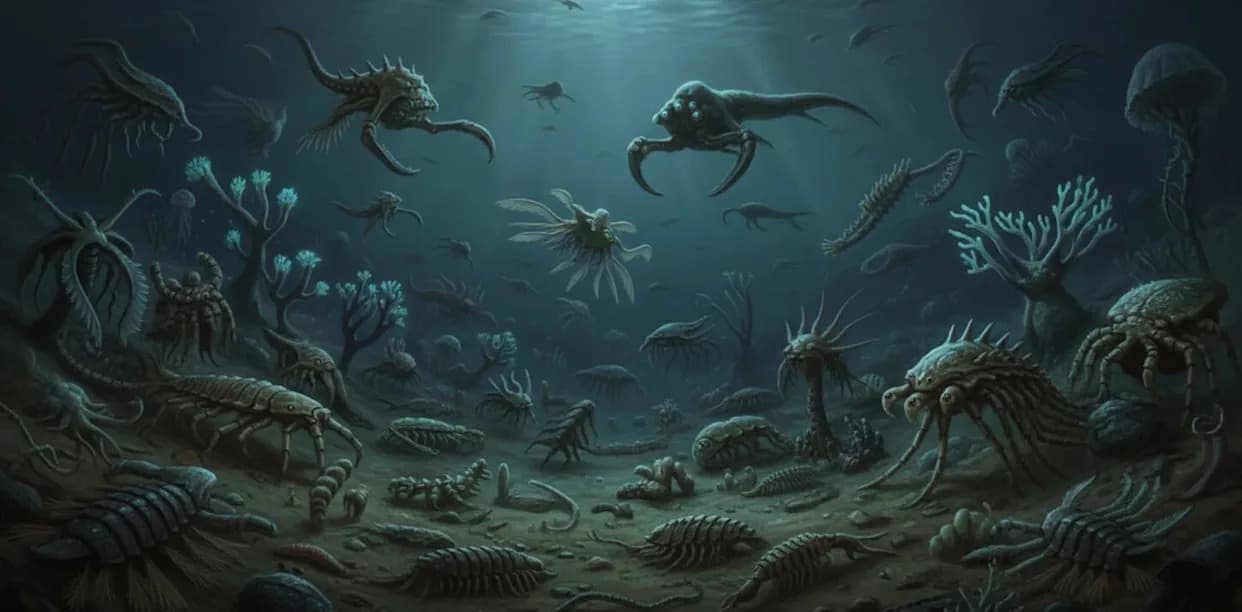
About 115 million years ago, swimmers in the shallow Tethys Ocean would have needed a much bigger boat — and a lot more courage. New fossil vertebrae recovered in northern Australia reveal a huge lamniform shark, likely a cardabiodontid, that measured roughly 20–26 feet (6–8 meters) and weighed more than 3 tons.
Lamniformes — the order that includes the modern great white — likely originated around 135 million years ago as relatively small, shallow-water predators. Previous studies placed the rise of truly gigantic lamniforms near the top of marine food chains at about 100 million years ago. The Australian vertebrae push that milestone back by roughly 15 million years and indicate that at least some lamniform lineages evolved very large body sizes much earlier than thought.
What the fossils show
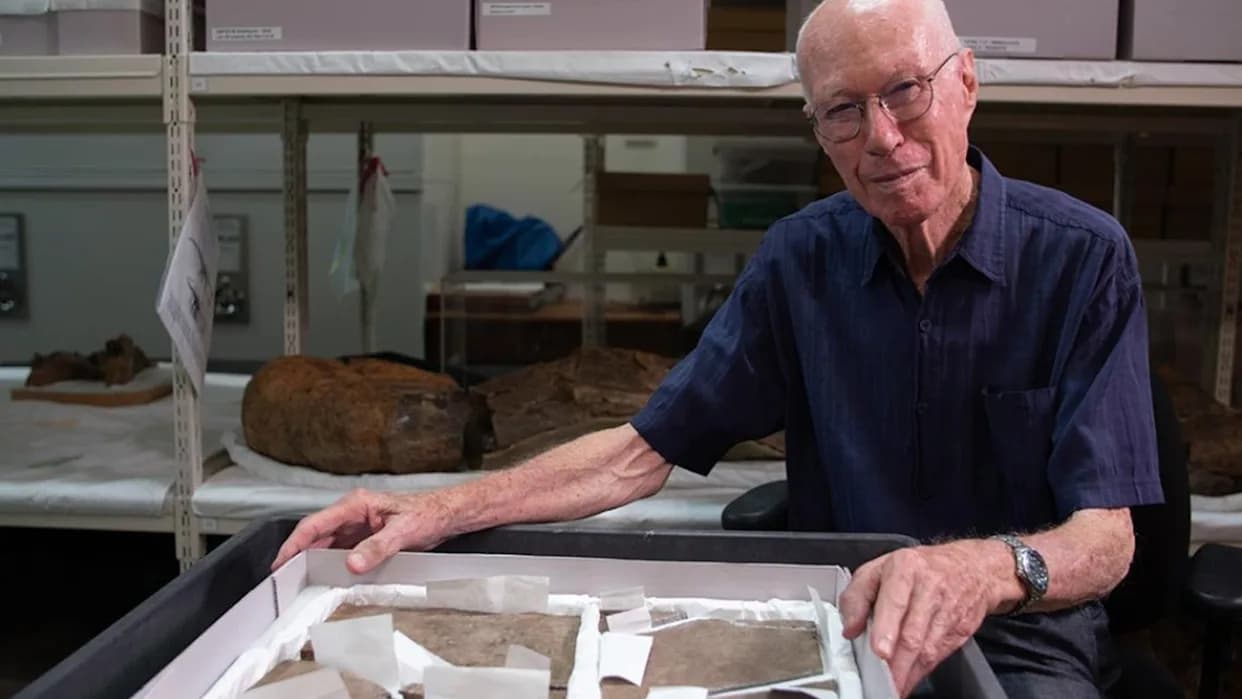
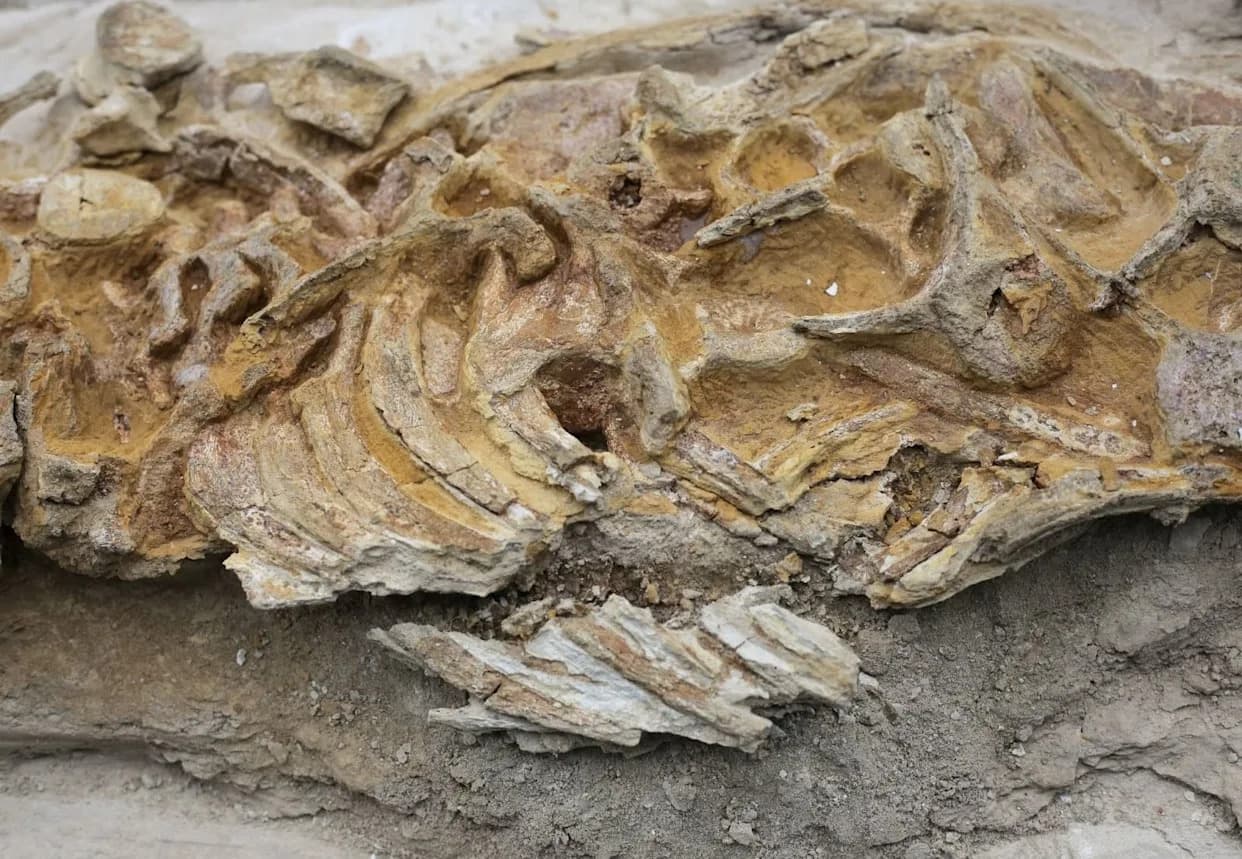
The partially mineralized vertebrae were unearthed in the Darwin Formation, a shallow-shelf deposit that was once part of the ancient Tethys Ocean. Because shark skeletons are composed of cartilage, they usually leave behind only teeth in the fossil record; preserved vertebrae are rare and therefore valuable. These specimens are well enough preserved to provide reliable estimates of body size and mass.
How scientists reached their conclusions
The research, published in Communications Biology, used statistical models built from data on nearly 2,000 living shark species to infer total body size from vertebral dimensions. Based on those analyses, the authors conclude that this cardabiodontid reached giant proportions roughly 20 million years after the lamniform order first appeared — far earlier than the previously proposed timeline.
“This discovery changes the timeline for when sharks started getting really big,” said Mikael Siversson, a paleontologist at the Western Australian Museum. “They evolved giant body sizes much earlier than previously thought and were already top predators in shallow seas.”
These fossils not only revise the timing of shark gigantism, they also illuminate ancient marine food webs — showing that powerful predatory sharks coexisted with large marine reptiles such as plesiosaurs and ichthyosaurs. The find highlights the scientific importance of Australian fossil sites for reconstructing prehistoric marine ecosystems and offers new avenues for research into how and why extreme body sizes evolved in sharks.
Source: Study published in Communications Biology; statement from Mikael Siversson.
Help us improve.