California health officials warn the state may face an earlier and possibly sharper flu season because vaccination rates have fallen and a late-emerging H3N2 subclade K may partially mismatch this year\'s vaccine. International signals — including a record Australian season and early waves in Japan and the U.K. — raise concern. Experts emphasize that vaccines still reduce severe illness and hospitalizations, recommend prompt antiviral treatment when appropriate, and urge unvaccinated people to get vaccinated before holiday gatherings.
California Faces Risk of an Early, Sharper Flu Season as H3N2 Subvariant Emerges

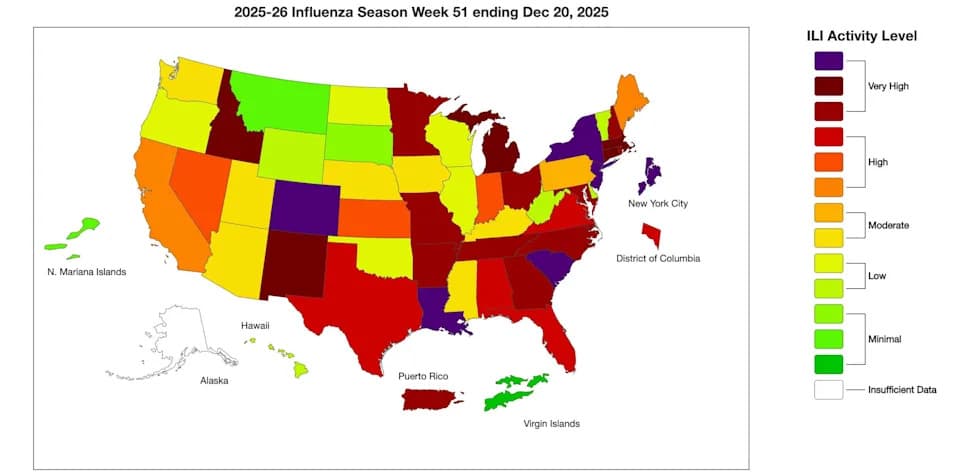
California health officials are warning of a potentially earlier and more severe flu season after a late-emerging H3N2 subclade — called subclade K — began circulating in parts of Asia and Europe. Public-health leaders cite declining vaccination rates and the timing of the mutation, which appeared after this year’s vaccine composition was finalized, as reasons for concern.
Why this season is concerning
H3N2 subclade K surfaced late in the summer, months after public-health authorities selected strains for this fall’s vaccine (decisions were made in February). That timing raises the possibility of a partial mismatch between circulating viruses and the vaccine. At the same time, vaccination coverage has fallen in several countries, leaving more people susceptible.
“We\'re expecting an early and likely sharp start to the flu season,” said Dr. Elizabeth Hudson, regional physician chief of infectious diseases at Kaiser Permanente Southern California.
What we know about vaccine protection
It is not yet clear how much subclade K will reduce vaccine effectiveness. Experts note the new subclade is related to the strains targeted by this year\'s vaccine, and early data from Britain indicate vaccines continue to prevent many severe outcomes: vaccinated children there were about 70–75% less likely to need hospital care, while vaccinated adults were about 30–40% less likely.
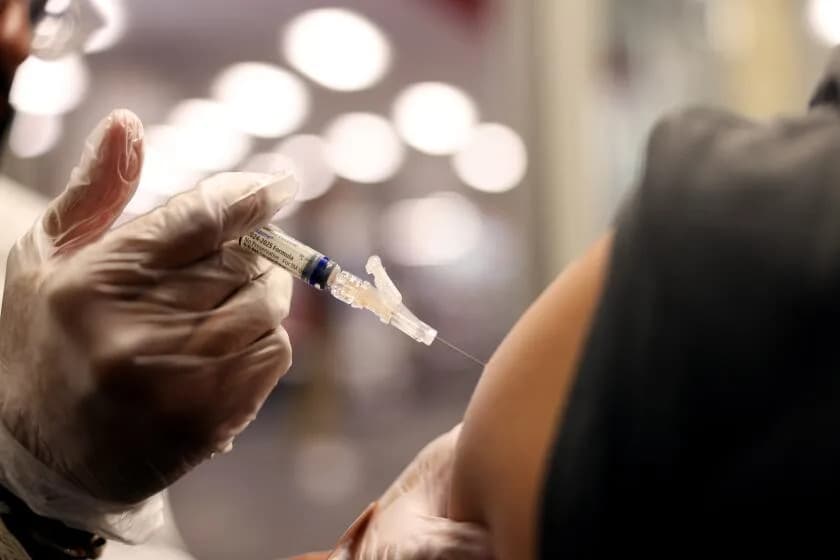
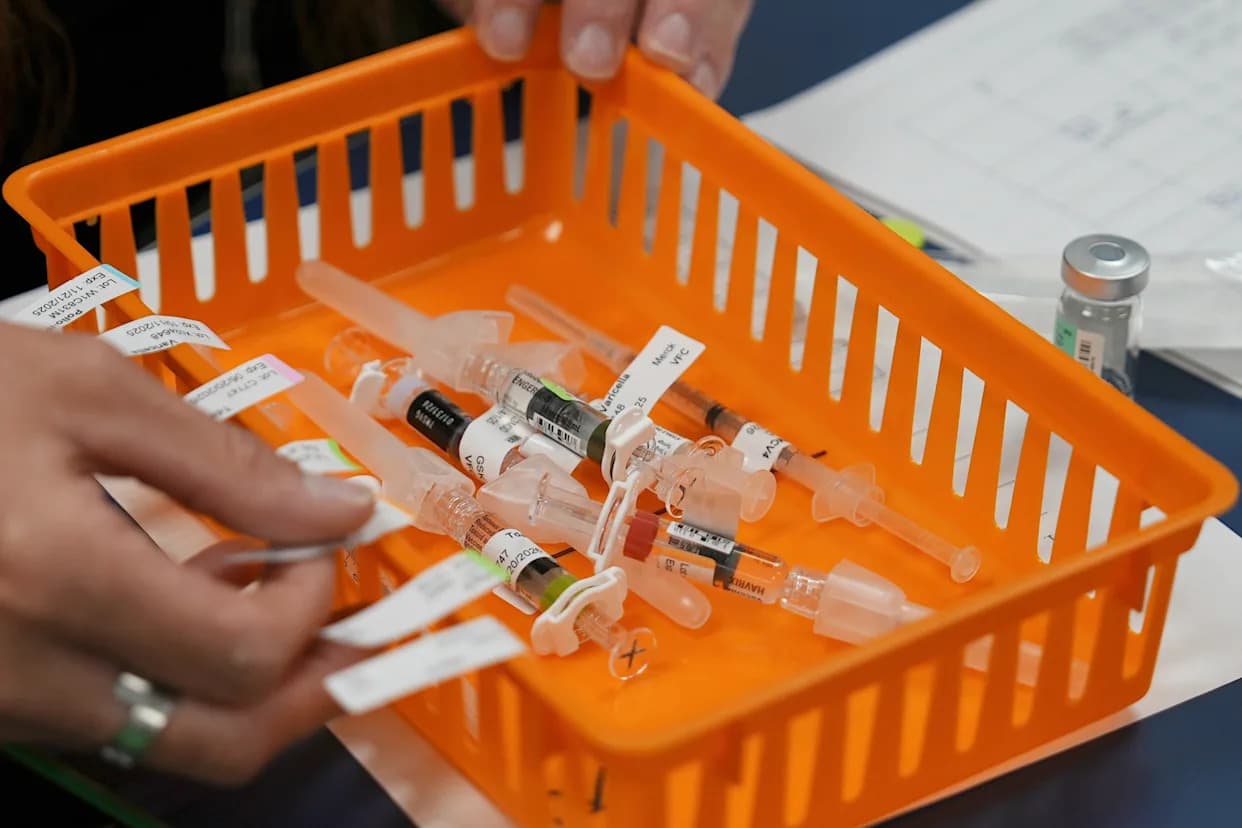
Local public-health officials emphasize that even an imperfectly matched vaccine still reduces the risk of severe illness and hospitalization. Officials are urging anyone who has not yet been vaccinated to get their flu shot before holiday gatherings.
Antivirals and testing
Because a late-mutating variant may blunt vaccine protection to some degree, antiviral medications such as oseltamivir (Tamiflu) may play a more important role this season — including for vaccinated people who develop symptoms. Antivirals are most effective when started early; the U.S. Centers for Disease Control and Prevention recommends beginning treatment within 1–2 days of symptom onset. Widely available at-home flu tests can help people confirm infection and seek care promptly.
Global signals: what other countries are reporting
- Australia experienced an unusually early and severe season, reporting more than 410,000 lab-confirmed cases, a national record.
- Japan issued a national alert after sharp increases in cases and hospitalizations, especially among children and older adults, and many schools reported closures.
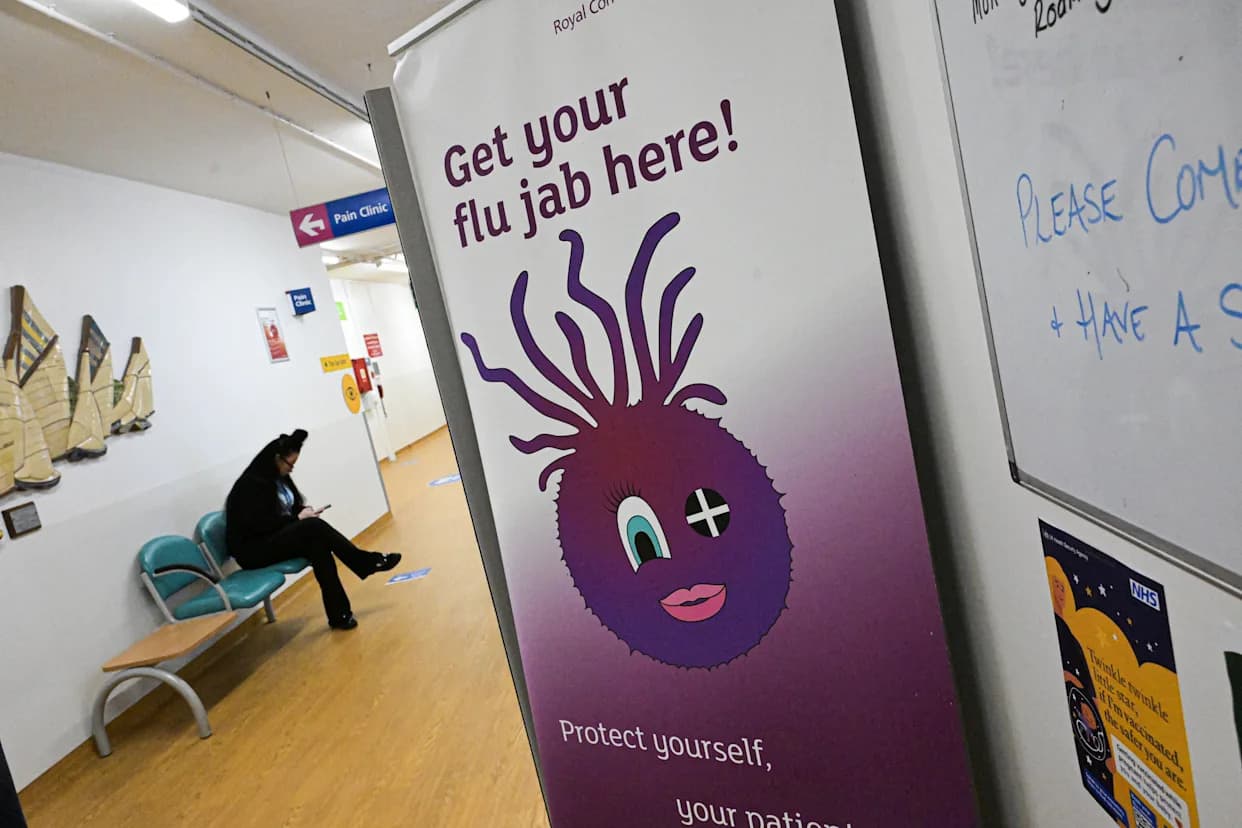
- The U.K. reported an early wave of influenza, prompting urgent appeals for vaccination. Surveillance in Europe and Asia shows subclade K gaining ground in some areas.
While southern hemisphere patterns are not perfect predictors of the U.S. season, these international trends have raised concern among experts and informed preparedness planning.
Who is most at risk
Young children (especially under age 5), older adults, pregnant people, and those with certain chronic medical conditions remain at highest risk for severe flu. Clinicians are particularly worried about infants and toddlers, who can deteriorate quickly with respiratory infections.
Steps individuals can take
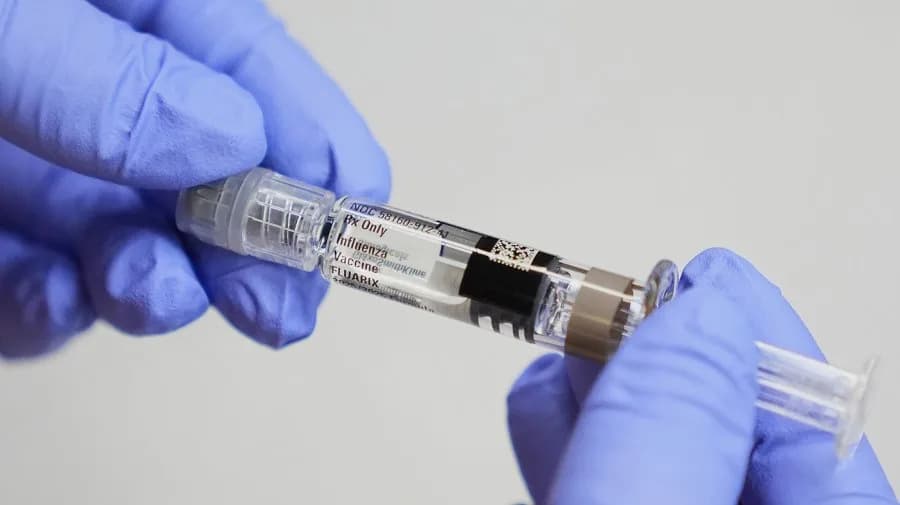
- Get vaccinated: Annual influenza vaccination is recommended for everyone 6 months and older. Seniors (65+) may be eligible for higher-dose formulations; FluMist nasal spray is approved for ages 2–49.
- Test early: Use at-home tests or seek clinical testing at the first sign of influenza-like symptoms to allow early treatment.
- Start antivirals promptly: If you are high-risk or become seriously ill, speak with a clinician about antivirals — they work best within 48 hours of symptom onset.
- Reduce spread: Practice frequent handwashing, avoid close contact with sick people, and consider a well-fitting mask in crowded or high-risk indoor settings.
Vaccine confidence and public messaging
Vaccination rates have declined in recent seasons. In the United States, preliminary data showed about 49.2% of children and 46.7% of adults had received a flu shot as of late April — both below pre-pandemic levels. Public-health officials underscore that extensive, high-quality studies have found no link between routine childhood vaccines and autism, and they encourage people to rely on evidence-based guidance when deciding about vaccination.
Health experts reiterate: vaccines reduce severe illness and hospitalizations, antivirals help when given early, and proactive testing and prevention measures can limit transmission during what may be an early and active flu season.
Sources: Statements from infectious disease experts and public-health agencies; recent surveillance reports from the U.K., Japan and Australia; CDC guidance on antiviral use.
Help us improve.