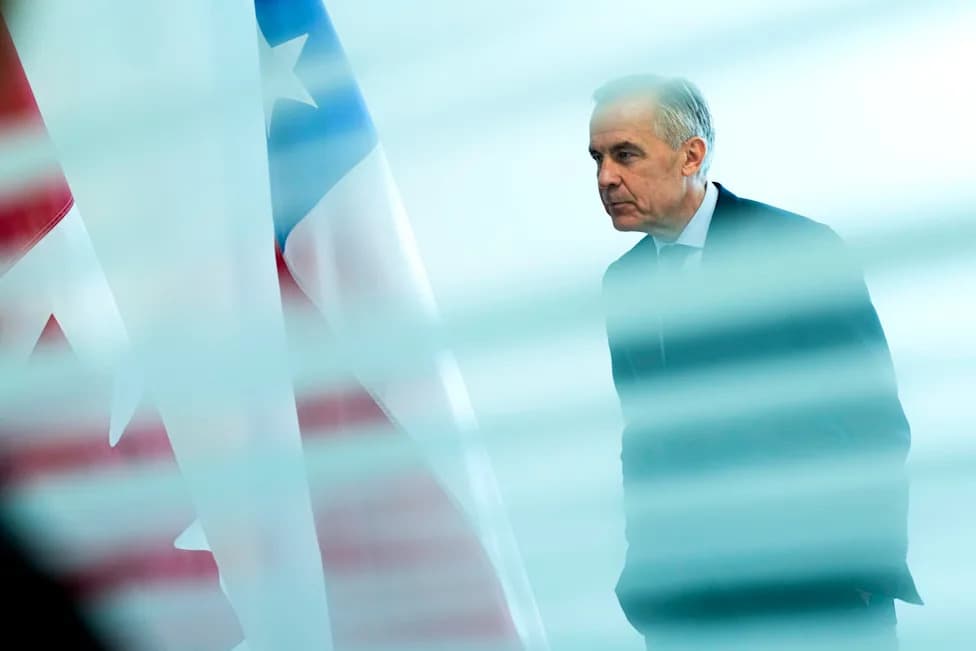
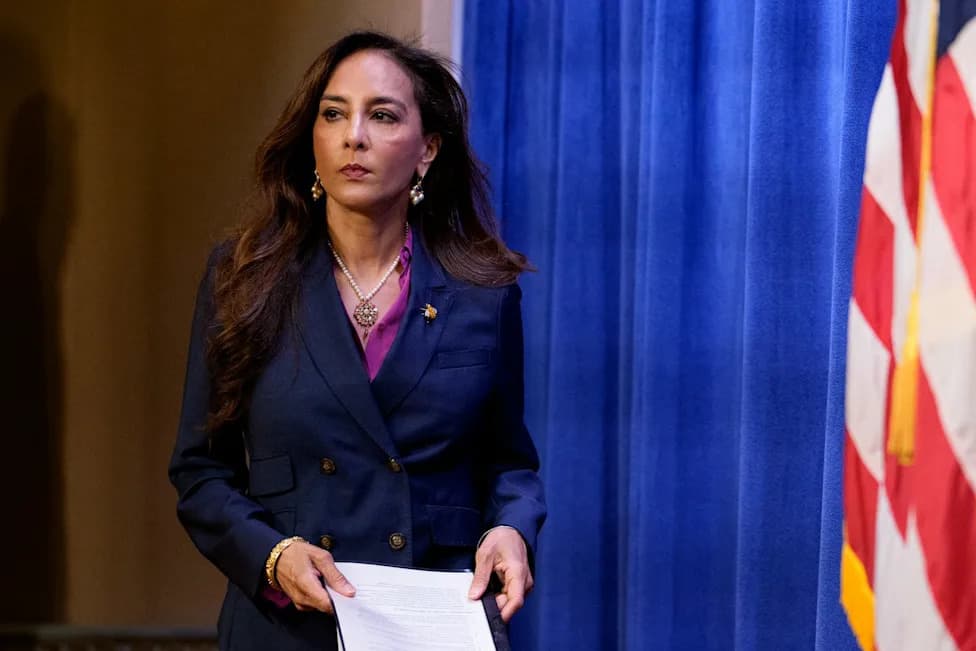
Canadian Foreign Minister Anita Anand says Ottawa and New Delhi will quickly resume stalled trade negotiations after a diplomatic thaw. Prime Minister Justin Trudeau and India’s Narendra Modi agreed at the G20 to restart talks, and Trudeau is expected to visit India early next year. Anand emphasized a new Canadian foreign-policy focus on diversifying trade away from the U.S., aiming to double non-U.S. trade and grow bilateral trade with India to about US$50 billion by 2030.
Canada to Move Quickly to Restart Trade Talks with India as Ties Thaw

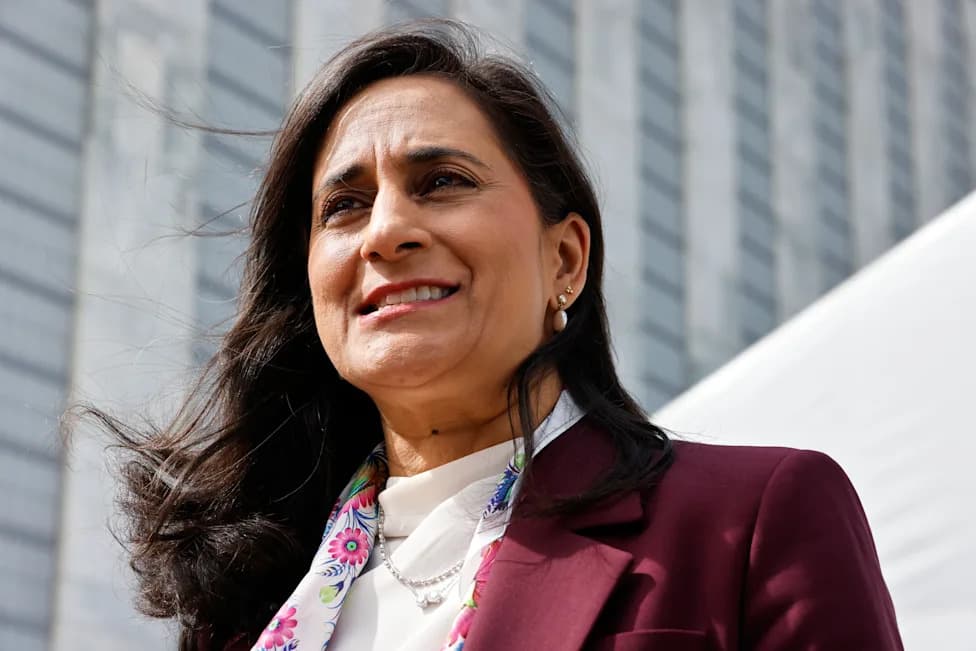
Canadian Foreign Minister Anita Anand said Monday that Ottawa and New Delhi will move rapidly to resume negotiations on a trade agreement after two years of strained relations. Anand said Canada has adopted a new foreign-policy approach to respond to shifting global trade dynamics, including previous tensions with the United States under former President Donald Trump.
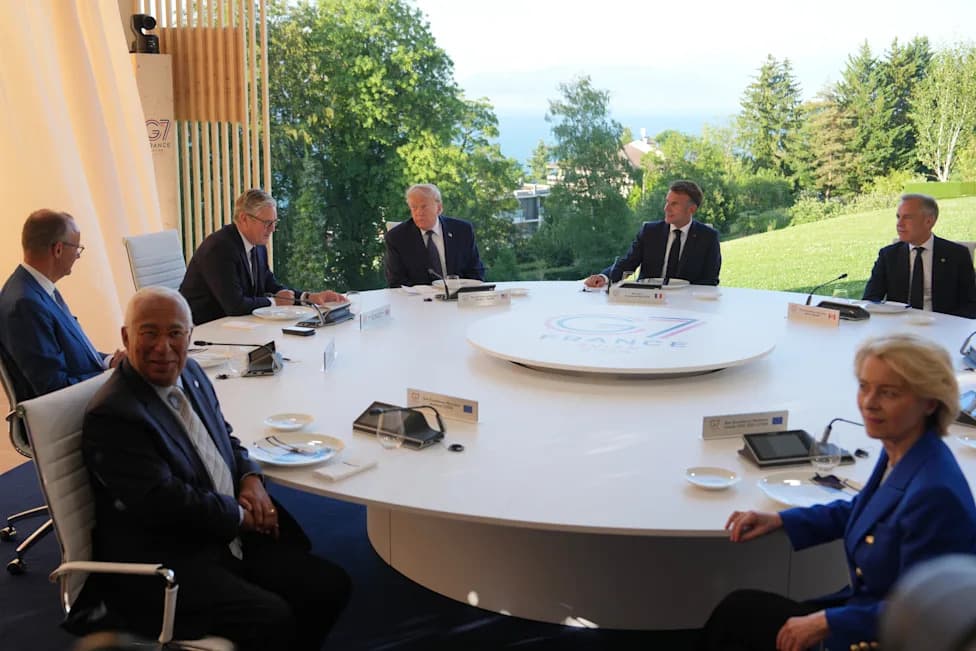
Her remarks followed a meeting at the Group of 20 summit in South Africa between Canadian Prime Minister Justin Trudeau and Indian Prime Minister Narendra Modi, where the leaders agreed to reopen stalled trade talks.
Fast-tracked negotiations
“The leaders were adamant that this work proceed as quickly as possible so that timing is going to be expeditious,” Anand told reporters in a telephone interview.
Trudeau is expected to visit India early next year as part of efforts to deepen bilateral ties.
Diversifying trade away from the U.S.
Anand highlighted the government’s goal of doubling trade outside the United States over the next decade. Canada is one of the world’s most trade-dependent economies, with more than 75% of its exports going to the U.S. Most cross-border commerce with the United States is governed by the USMCA, which is due for review in 2026.
“This is a completely new approach to foreign policy that is responsive to the global economic environment in which we find ourselves,” Anand said. “There is a new government, a new foreign policy, a new prime minister and a new world order where countries are becoming more protectionist — this is a moment for Canada as a trading nation.”
Broader diplomatic thaw
Canada is also seeking improved relations with Beijing. Last month, Trudeau met Chinese President Xi Jinping at an Asia-Pacific summit, a meeting officials described as a step toward mending long-fractured ties.
Relations between Ottawa and New Delhi deteriorated in 2023 after the Royal Canadian Mounted Police publicly alleged that Indian government actors were involved in the June killing of Sikh activist Hardeep Singh Nijjar near Vancouver. Nijjar, 45, an Indian-born Canadian citizen who led a Sikh temple in Surrey, British Columbia, was fatally shot after leaving the temple.
Four Indian nationals living in Canada have been charged in Nijjar’s murder and are awaiting trial in Canada.
Ties began to improve in recent months: leaders exchanged invitations and both governments agreed to restore their top diplomats in August. “This is a step-by-step process. And in the last six months, significant steps have been taken,” Anand said.
Anand said both countries expect bilateral trade to double to about US$50 billion by 2030. She noted Canada is among India’s larger foreign investors and is India’s seventh-largest trading partner for goods and services.
On relations with the United States
Anand also addressed Canada’s relationship with the United States. She said Ottawa is prepared to return to talks with Washington and is working from the understanding that U.S. trade relationships have evolved in recent years. “We look forward to getting back to the table,” she said.
Help us improve.