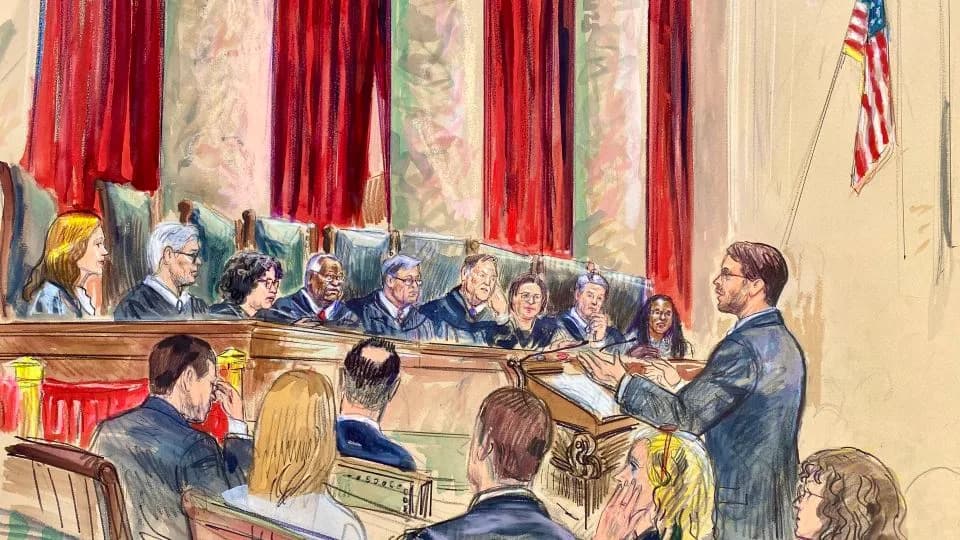
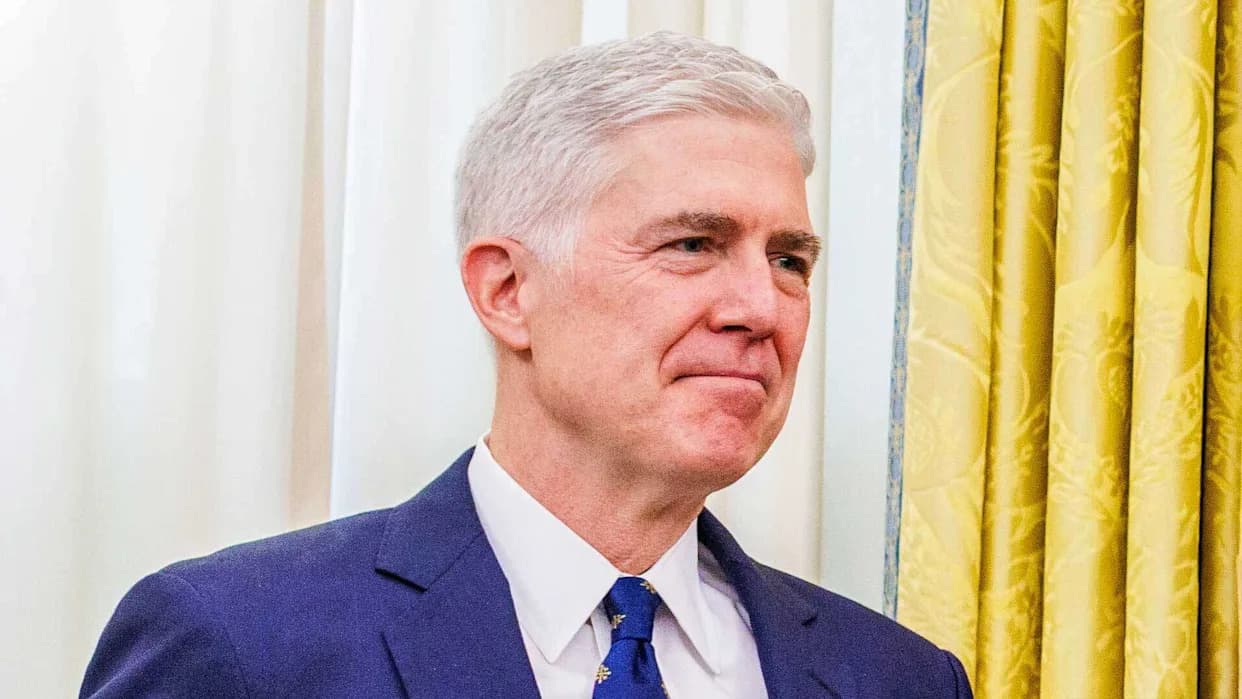
Justice Clarence Thomas dissented after the Supreme Court declined to hear a wrongful-death suit brought by the widow of Air Force Staff Sgt. Cameron Beck, who was killed in 2021 by a distracted civilian employee while off duty. Thomas urged the Court to revisit the Feres v. United States doctrine, calling the lower courts’ application overly broad. Justice Sonia Sotomayor urged Congress to address the issue if the Court will not. The Court’s refusal to grant review leaves the Eighth Circuit’s ruling in place.
“Open and shut”: Justice Thomas Rebukes Court for Denying Widow’s Case, Urges Revisit of Feres Doctrine

Supreme Court Justice Clarence Thomas sharply criticized his colleagues Monday after the Court declined to review a widow’s wrongful-death claim against the federal government. In a dissent from the Court’s denial of certiorari, Thomas said the case presented a clear opportunity to clarify — and potentially overturn — the long-standing Feres v. United States doctrine, which has been read to bar many suits by military families.
The case involves Air Force Staff Sergeant Cameron Beck, who was killed in 2021 while leaving a Missouri military base on his motorcycle to meet his wife and their seven-year-old child for lunch. A civilian government employee struck Beck while distracted by her cellphone; she later admitted responsibility as part of a plea agreement.
Beck’s widow sued the United States, but a federal district court dismissed the claim and the U.S. Court of Appeals for the Eighth Circuit affirmed, applying Feres to conclude the government is immune from such suits when the victim is a service member. Thomas said the lower courts applied the precedent far too broadly in this instance.
“We should have granted certiorari. Doing so would have provided clarity about [Feres v. United States] to lower courts that have long asked for it,” Thomas wrote, adding that Beck was off duty and not carrying out military orders when he was killed — facts that normally would make for an “open and shut” wrongful-death case.
Thomas argued that either the Court should overrule Feres or at minimum enforce it as originally intended, noting that Beck “was not ordered on a military mission to go home for lunch with his family.” He warned that allowing an expansive reading of Feres lets the government evade responsibility for harms suffered by service members and their families.
Justice Sonia Sotomayor—who joined the majority in declining review—urged Congress to act if the courts will not. “This important issue deserves further congressional attention,” she wrote, warning that without legislative change, Feres will continue to produce results she described as deeply unfair.
Under Supreme Court practice, at least four justices must vote to grant review of a petition for certiorari; that threshold was not met in this matter. The Court’s refusal leaves the Eighth Circuit’s ruling intact but keeps the broader legal question unresolved, for now, whether and when military families may bring wrongful-death claims against the federal government.
Why it matters: The dispute highlights a persistent tension between judicial precedent and calls for accountability when civilian government conduct harms military personnel. A decision to revisit Feres could reshape liability rules for the government and affect many pending and future claims by service members’ families.
Help us improve.