Researchers are probing an unusually swift retreat of the Hektoria Glacier, which lost about 16 miles of ice between January 2022 and March 2023. A recent study suggests the glacier — which had rested on a seabed — may have destabilized unusually quickly, but experts disagree because the grounding line remains uncertain. If similar rapid losses occur more widely, sea‑level rise and flood risks for coastal communities could accelerate, and glacier retreat threatens seasonal water supplies. Ongoing monitoring and analysis aim to clarify causes and guide responses.
Scientists Probe Hektoria Glacier’s Unprecedented 16‑Mile Retreat — Experts Debate Cause

Rapid retreat raises alarm
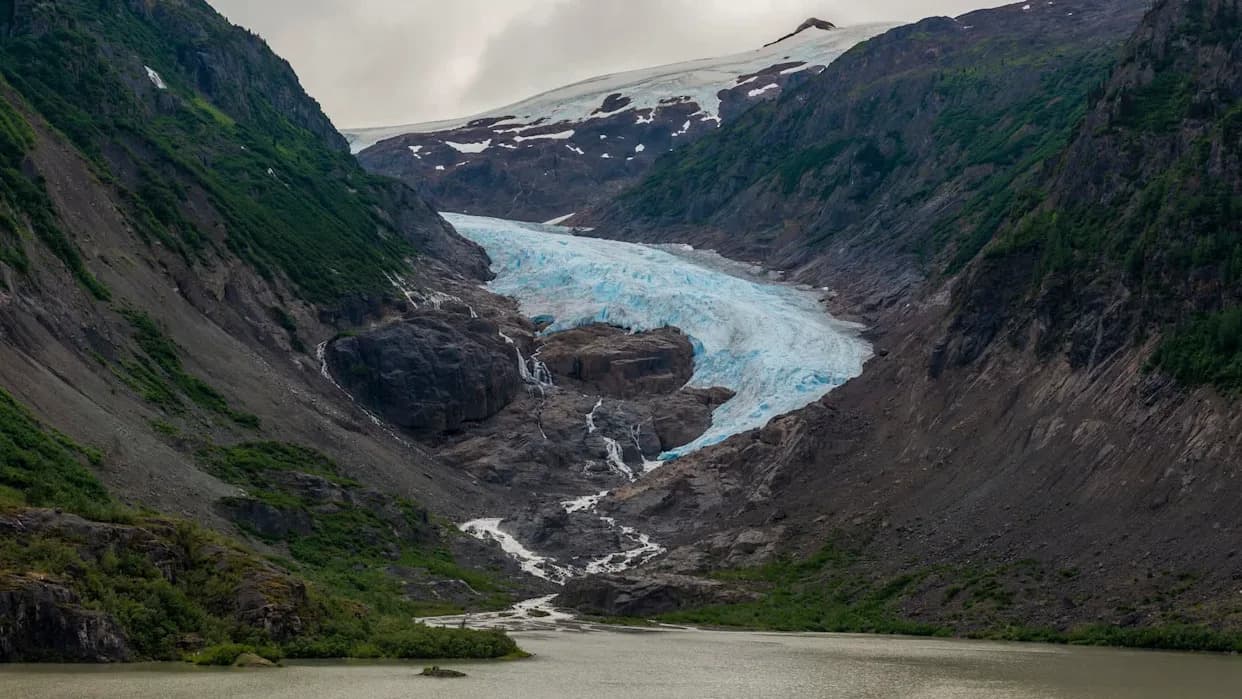
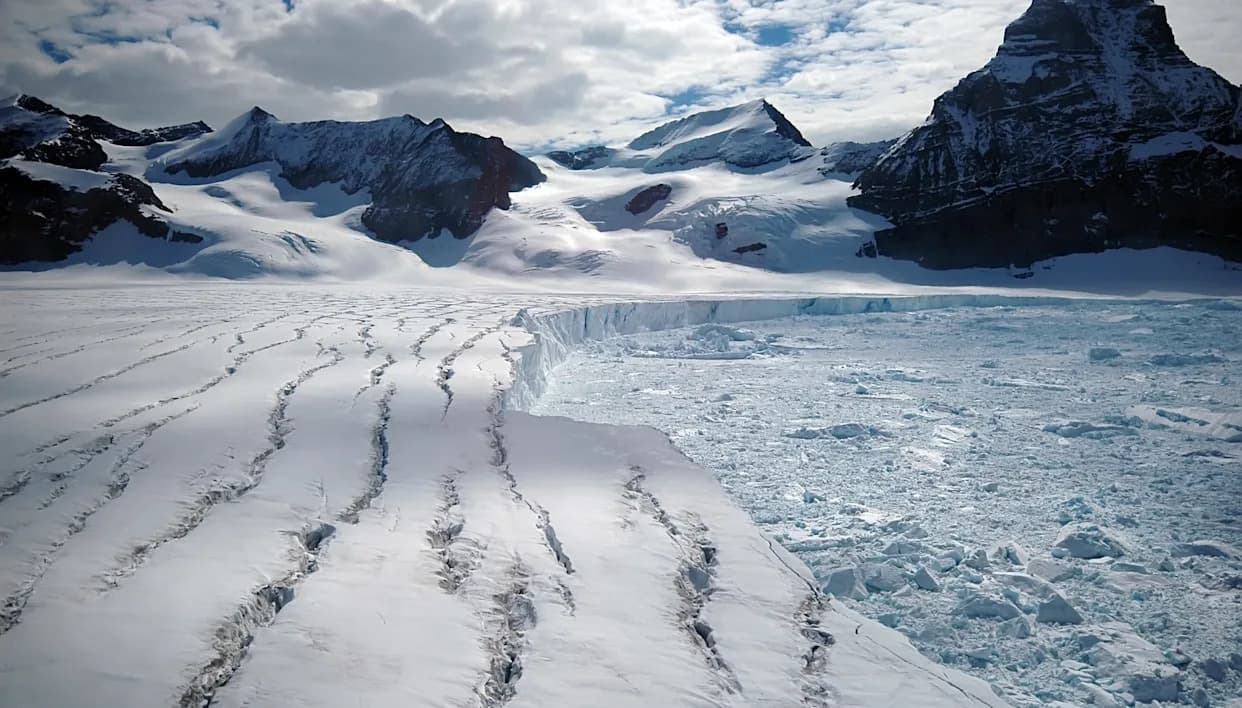
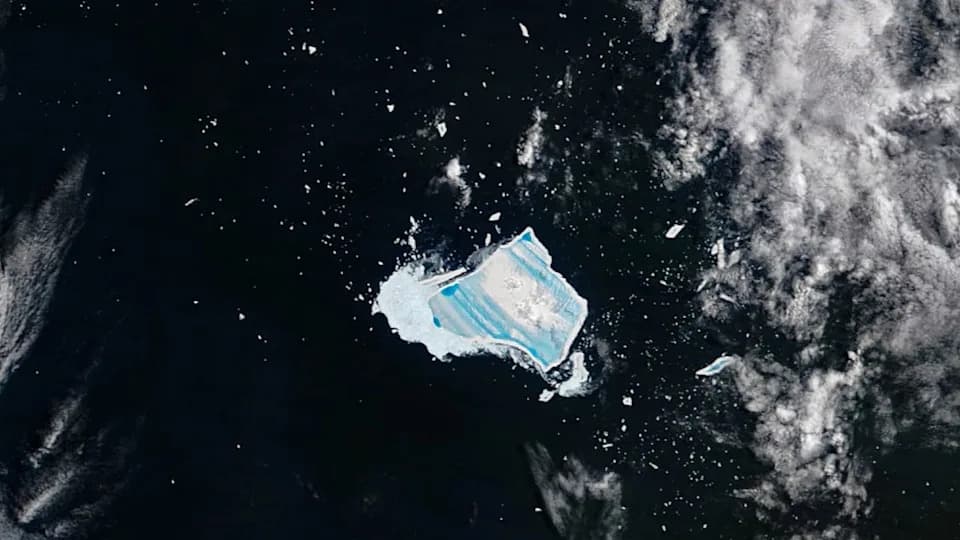
Researchers are investigating why the Hektoria Glacier in Antarctica retreated about 16 miles between January 2022 and March 2023 — an unusually fast loss of ice that has sparked debate over the underlying cause.
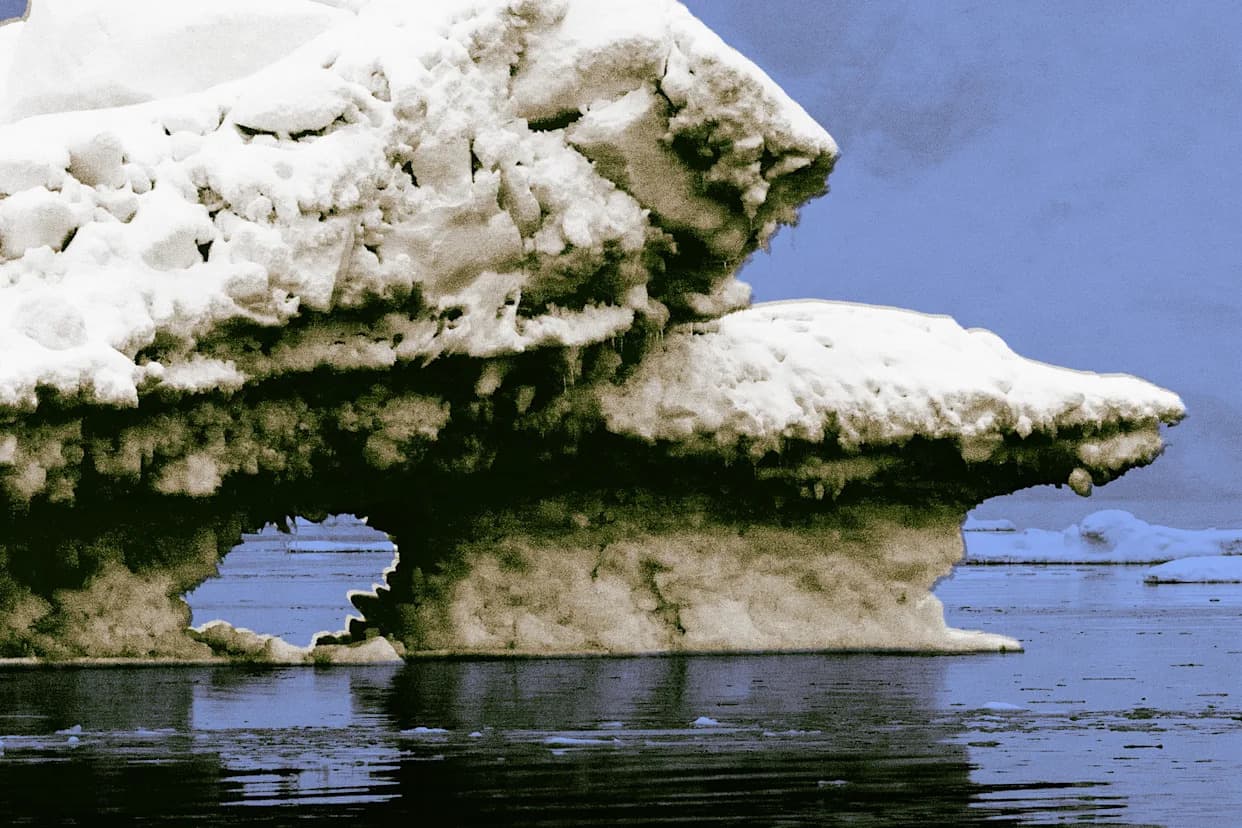
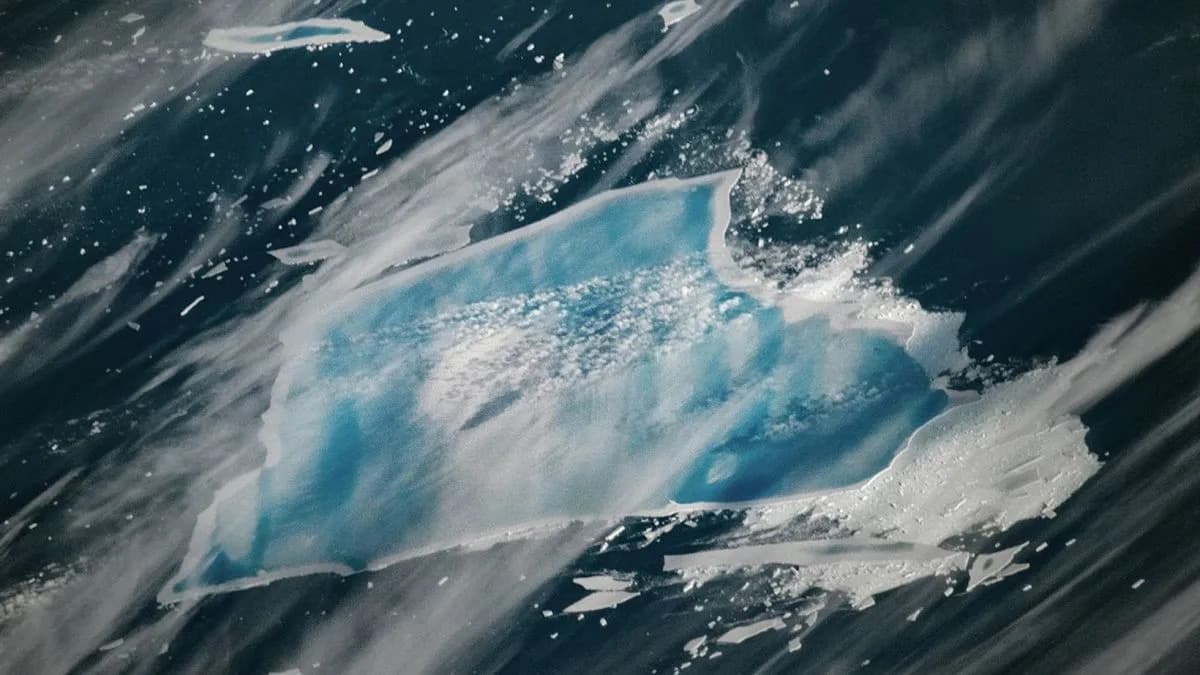
Hektoria has been weakening since 2002, when the nearby Larsen B ice shelf disintegrated. Ice shelves normally act as buttresses that slow glaciers as they flow toward the sea. After Larsen B collapsed, sea ice later helped partially re‑stabilize Hektoria, but that protective cover recently broke up, coinciding with the glacier’s most significant modern retreat.
What researchers disagree about
A recent study proposed that this could be the first recorded case in which a glacier that rested on the seabed destabilized so quickly. Other scientists dispute that interpretation, arguing that the glacier’s grounding line — the point where ice meets the seabed — remains uncertain and that different mechanisms may explain the rapid loss.
“While we disagree about the process driving this change at Hektoria, we are in absolute agreement that the changes in the polar regions are scarily rapid, quicker than we expected even a decade ago,” said Anna Hogg, professor of Earth observation at the University of Leeds.
Why it matters
If grounded ice is indeed destabilizing suddenly, similar events across Antarctica could accelerate global sea‑level rise. Faster sea‑level rise would amplify the impacts of extreme weather and increase flooding risk for vulnerable coastal communities. In addition, the worldwide retreat of glaciers threatens seasonal water supplies that millions of people rely on during drier months.
What scientists are doing and what you can do
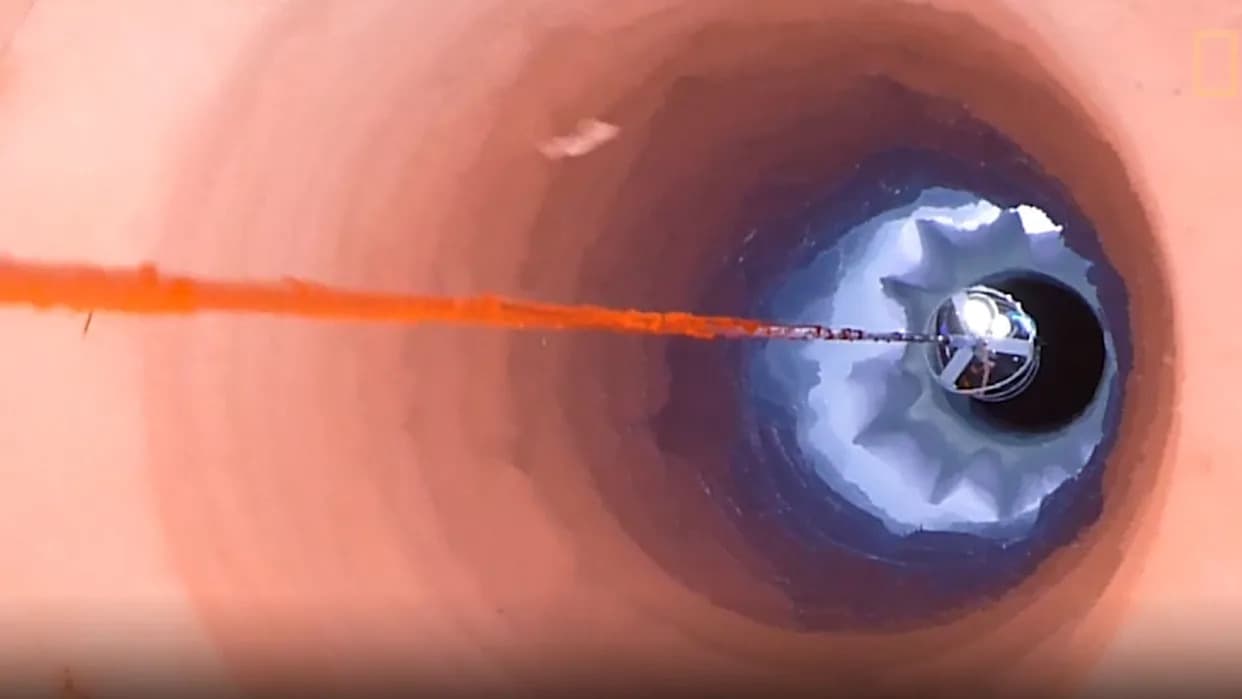
Glaciologists continue to monitor Hektoria using satellite imagery, observational records and modeling to narrow down the causes of the rapid retreat. Resolving the disagreement will improve projections of future ice loss and sea‑level contributions.
At a practical level, individuals can stay informed about local climate risks, support policies that reduce planet‑warming emissions, and adopt energy and consumption choices that lower their carbon footprint. Collective action and improved scientific understanding together help communities prepare for and reduce the impacts of accelerating change.
Help us improve.