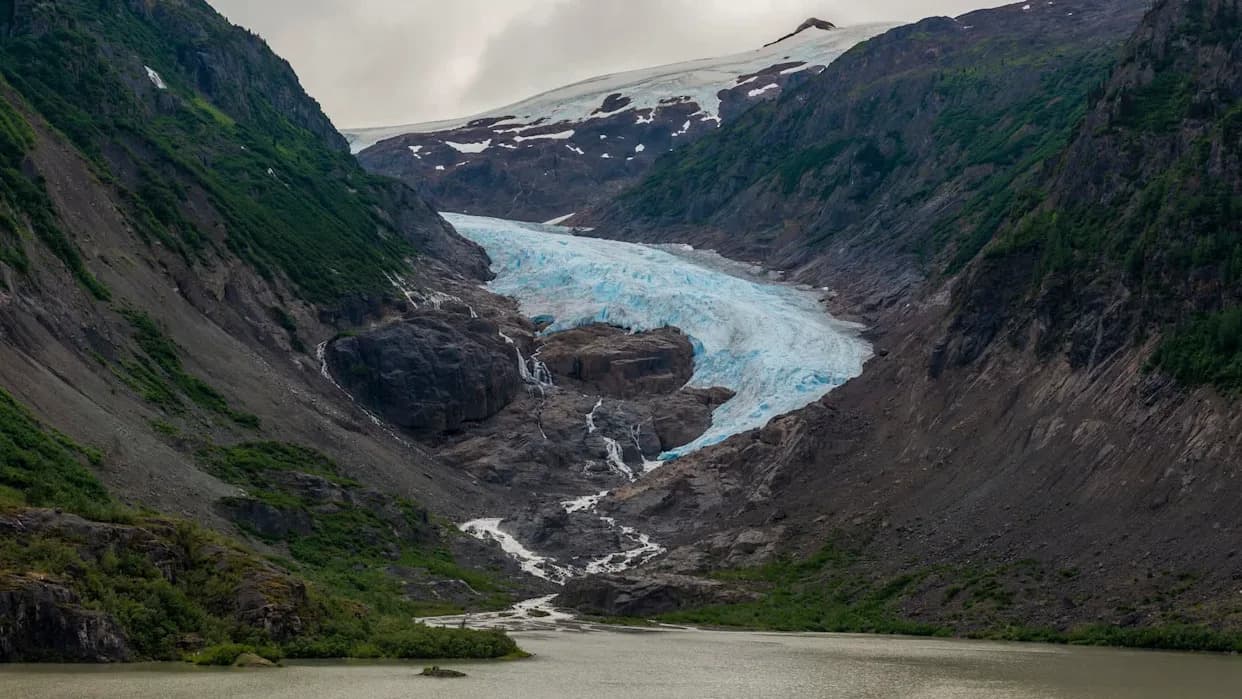
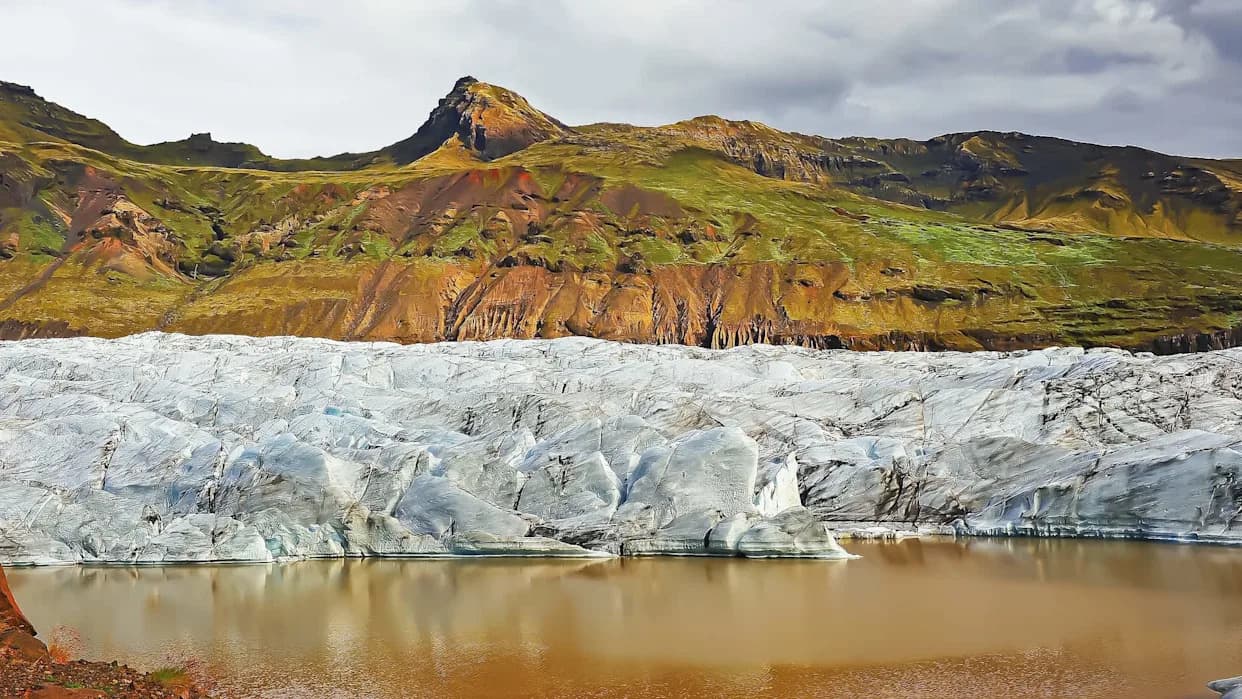
Chinese scientists report that thaw slumps — abrupt permafrost collapses — are making land sink and slide on the Qinghai‑Tibet Plateau and disrupting alpine grasslands. Field surveys above 4,600 m show that slumps alter soil structure and moisture, changing carbon and nitrogen dynamics. The thaw releases stored CO2 and methane and can amplify warming; the findings will help refine global carbon models and regional mitigation planning.
Thaw Slumps on the Qinghai‑Tibet Plateau Are Causing Land to Sink and Slide — Releasing Carbon and Threatening Alpine Ecosystems
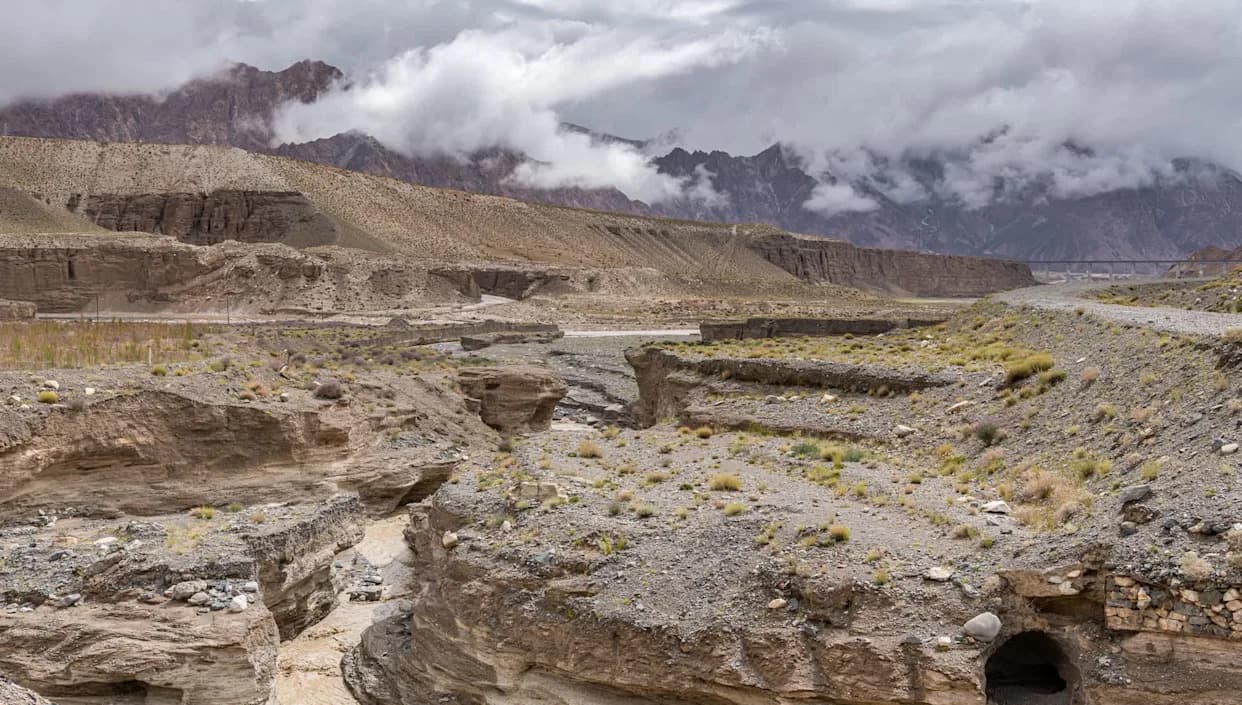
Photo Credit: iStock
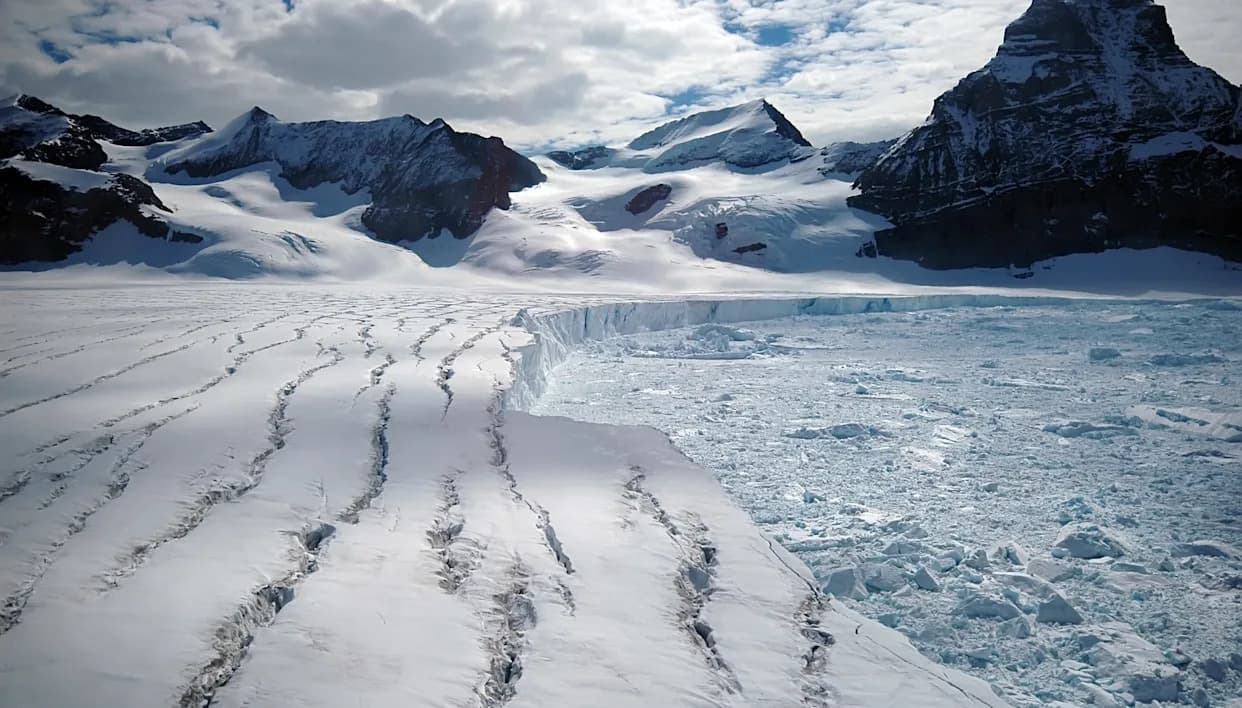
A new study by Chinese researchers shows that thaw slumps — a sudden form of permafrost collapse — are causing land to sink and slide across parts of the Qinghai‑Tibet Plateau and disrupting fragile alpine grassland ecosystems.
The research, led by scientists at the Northwest Institute of Eco‑Environment and Resources and published in the journal Catena, combined detailed field surveys and analytical methods to assess collapse processes at representative slump sites.
Researchers examined two very high‑elevation regions, each above 4,600 meters, and documented how thaw slumps change the ground. When frozen ground degrades, the soil’s physical structure and moisture regime are substantially altered. Those changes modify the movement and availability of essential nutrients such as carbon and nitrogen, with knock‑on effects for soil health and vegetation.
“Our study addressed the previous knowledge gap in permafrost collapse, particularly thaw slumps, on the plateau,” said Jiang Guanli, a researcher at the Northwest Institute of Eco‑Environment and Resources and co‑author of the paper. “This is of importance in better understanding and preserving the plateau ecosystem.”
The researchers identify rising global temperatures and shifting precipitation patterns as primary drivers of permafrost collapse. Widespread thawing releases large stores of previously frozen carbon — in the form of carbon dioxide and methane — into the atmosphere, creating feedback loops that can accelerate further warming.
Beyond greenhouse‑gas releases, thaw slumps destabilize terrain, reshape local hydrology, and threaten wildlife, plant communities, and the livelihoods of people and industries that depend on alpine grasslands. The team’s data can improve estimates of carbon emissions linked to permafrost collapse and help refine global carbon models and mitigation strategies.
The authors suggest that integrating field observations of thaw slumps into broader carbon accounting will make regional and global climate projections more accurate and help policymakers assess the plateau’s contribution to national and international carbon goals.
Study Citation: Published in Catena, led by the Northwest Institute of Eco‑Environment and Resources (Chinese Academy of Sciences).
Help us improve.