Researchers report that a three-minute session of low-intensity focused ultrasound may stimulate neuronal microtubules and improve memory by addressing tau-related damage rather than amyloid plaques. Early laboratory and exploratory human evidence is encouraging but preliminary. Larger, controlled clinical trials are required to verify safety, efficacy, and long-term benefits. If proven, the method could offer a low-cost, noninvasive option for memory-care settings.
3-Minute Ultrasound 'Massage' Might Restore Memory — New Research Targets Tau Protein

A compact, low-cost device about the size of a hair dryer has generated excitement because a brief, three-minute application of low-intensity focused ultrasound may help restore memory by stimulating microscopic structures in the brain called microtubules.
What the technique does
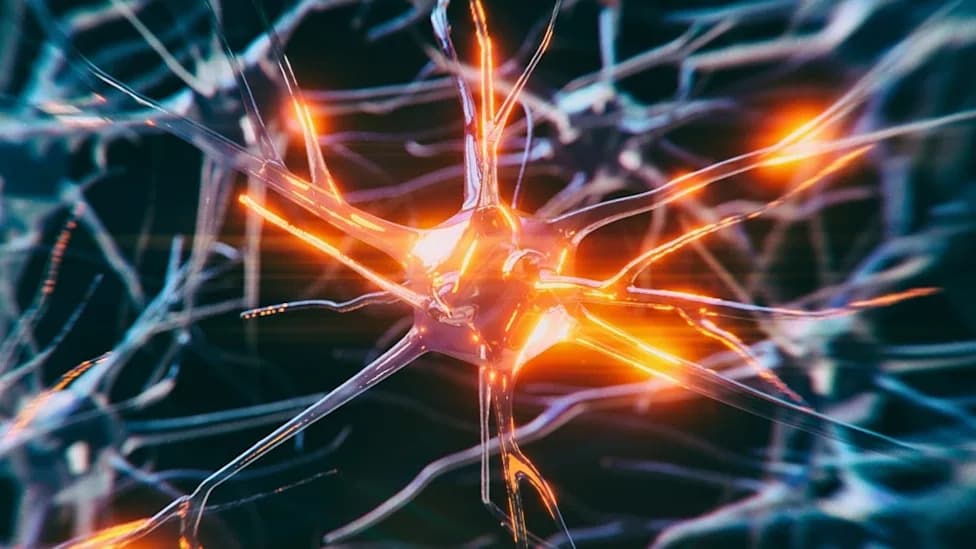
Focused, low-intensity ultrasound delivers gentle mechanical pulses that appear to interact with microtubules — tiny structural components inside neurons that support signaling and transport. When microtubules degrade, neuronal communication and memory can suffer. Some early experiments suggest this ultrasound stimulation can revive microtubule function and, in turn, support damaged brain tissue.
Why this is different
Many past Alzheimer’s strategies concentrated on amyloid plaques. This approach explicitly targets tau protein and the cellular structures affected by tau pathology, offering a different angle on preventing or reversing cognitive decline.
Early evidence and anecdotes
Initial laboratory and exploratory human studies report encouraging signs, though the data remain preliminary. One high-profile example describes a scientist who tried the device on himself, underscoring both the curiosity driving the research and the need for formal clinical oversight.
Promise and caution
Because the device is inexpensive and noninvasive, it could—if later trials confirm safety and efficacy—become an accessible option in memory-care settings. However, larger controlled clinical trials are needed to confirm benefits, determine optimal treatment parameters, and rule out risks or placebo effects.
Where this could go next
Researchers are planning or calling for more rigorous studies to test whether short ultrasound sessions can produce lasting cognitive improvements, slow disease progression, or complement other therapies.
Bottom line: Early findings are intriguing and point to a novel, low-cost, noninvasive approach that targets tau-related damage. But the evidence is preliminary — more high-quality clinical trials are essential before this becomes a recommended treatment.
Credits: Editors Andrew Daniels, John Gilpatrick, and Jamie Sorcher discussed the technique and its implications in a recent editorial segment.
Help us improve.