Bihar, India’s youngest and one of its poorest states, has seen mounting youth anger over education, unemployment and alleged corruption. Students like 20-year-old Ajay protested an alleged exam leak after the Supreme Court rejected calls for a re-test. With more than 74 million eligible voters and assembly results due on 14 November, the vote tests whether Modi and the NDA can retain Gen Z support or if younger opposition leaders can capitalise on their frustrations. Promises of mass job creation, controversies over electoral-roll revisions, and migration-related grievances raise the stakes.
Bihar’s Gen Z Rising: Can Modi Hold Youth Support in India’s Youngest State?

Bihar’s youth frustration meets election stakes
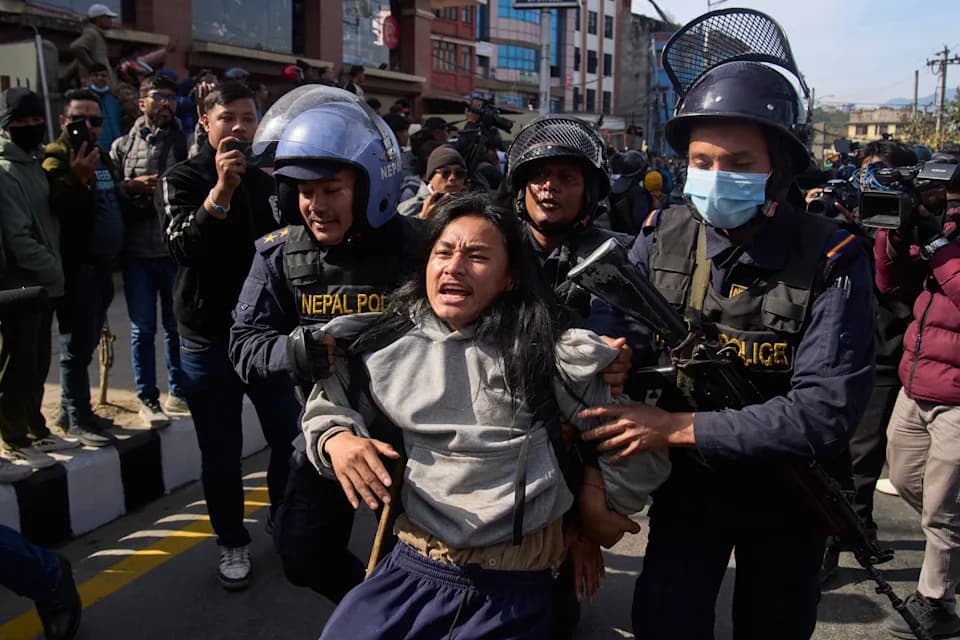
Patna, India – At 20, Ajay Kumar scrolled social media in Muzaffarpur and saw rumours that a crucial government-job exam he had taken was leaked. Ajay, a Dalit who had pinned his hopes on a job reserved under India’s affirmative-action system, found his future suddenly uncertain. He watched clips of student protests in Patna, boarded an overnight bus and spent roughly 100 days sleeping outdoors and protesting for a re-examination. In April, India’s Supreme Court dismissed petitions for a fresh test.
Why Bihar matters
Bihar is India’s youngest state and among its poorest. Government figures put the state’s population at about 128 million, with roughly 40% under 18 and about 23% aged 18–29. At the same time, the World Bank estimates one in three Bihari families live in extreme poverty. Between 2018 and 2022, Bihar recorded roughly 400 student protests—the highest number among Indian states—according to central government data.
Personal stories: education, migration and anger
Pratham Kumar, 20, moved from Jehanabad to Patna because local colleges offered “no teaching, only degrees.” Even in Patna, Pratham says hostel facilities are poor: no clean drinking water, broken Wi‑Fi and insufficient housekeeping. Many students enrol for a paper qualification and then pay for private coaching to actually compete.
Pratham plans to migrate for work—a common route. A 2020 International Institute of Population Sciences (IIPS) study found more than half of Bihar households relied on remittances from family members who had migrated within India or abroad. Ishant Kumar of Darbhanga describes how migrants from Bihar sometimes face hostility and violence in other states, adding to young people’s sense of grievance.
Komal Kumari, 23, from Vaishali and also Dalit, says she has lost two years because a government cash transfer promised to graduates in 2021 has not arrived. Her family subsists on about 9,000 rupees (~$100) a month from her mother’s anganwadi (childcare) work. Komal needs around 75,000 rupees (~$846) for a B.Ed teaching degree but cannot afford it after spending nearly 100,000 rupees (~$1,128) on her first degree and coaching.
“Students are constantly angry here. When they are studying, they are angry at poor educational facilities. When they finish studying, they are angry at the lack of employment opportunities.”
Economic reality and political rivalry
Official data show urban unemployment among 15–29-year-olds in Bihar at about 22%, well above the national average of roughly 14.7%. That makes the youth vote especially contested in this election for the 243-seat state assembly.
The two-phase election, held on 6 and 11 November, saw more than 74 million eligible voters. Results are due on 14 November. Observers say this outcome will be an important test of whether Prime Minister Narendra Modi and the National Democratic Alliance (NDA) can hold youth support, or whether the opposition INDIA alliance—led in Bihar by Tejashwi Yadav and nationally by Rahul Gandhi—can capitalise on Gen Z discontent.
Campaign promises and controversies
Both sides have tried to court young voters. The NDA pledged 10 million jobs for Bihar in its manifesto; the INDIA alliance promised one government job per family within 20 days of taking office. Modi has emphasised digital opportunities, noting lower data costs as a way young people can earn online.
Controversies have added urgency: critics accused the Election Commission of a contentious revision of Bihar’s electoral rolls just before voting that removed about 3.04 million names, disproportionately affecting districts with large Muslim populations. Opposition leaders, including Rahul Gandhi, also alleged manipulations of voter rolls and urged young voters to remain vigilant.
What’s at stake
For protesters like Ajay—whose name has been changed to protect him—the election is an opportunity to turn months of anger into political consequence. The broader question is whether Bihar’s young population will back the promise of a younger, opposition leadership or stick with the incumbent coalition anchored by Modi and veteran regional leaders.
Note: Ajay Kumar’s name has been changed to protect his identity.
Help us improve.