CNN late-summer polling: Nearly six in ten Americans say they feel politically connected to people in their generation, outpacing connections by gender (43%) and race (39%). Partisanship shapes these bonds: younger connected adults skew Democratic and report strong frustration with Trump-era policies, while older connected adults skew Republican. About 20% feel connected across generation, gender and race, and roughly one-quarter feel no political connection on any of those dimensions.
Nearly Six in Ten Americans Say Their Generation Shapes Their Political Views, CNN Poll Finds

Voters are seen at a polling location on Election Day, November 5, 2024, in Beltsville, Maryland. - Graeme Sloan for The Washington Post/Getty Images
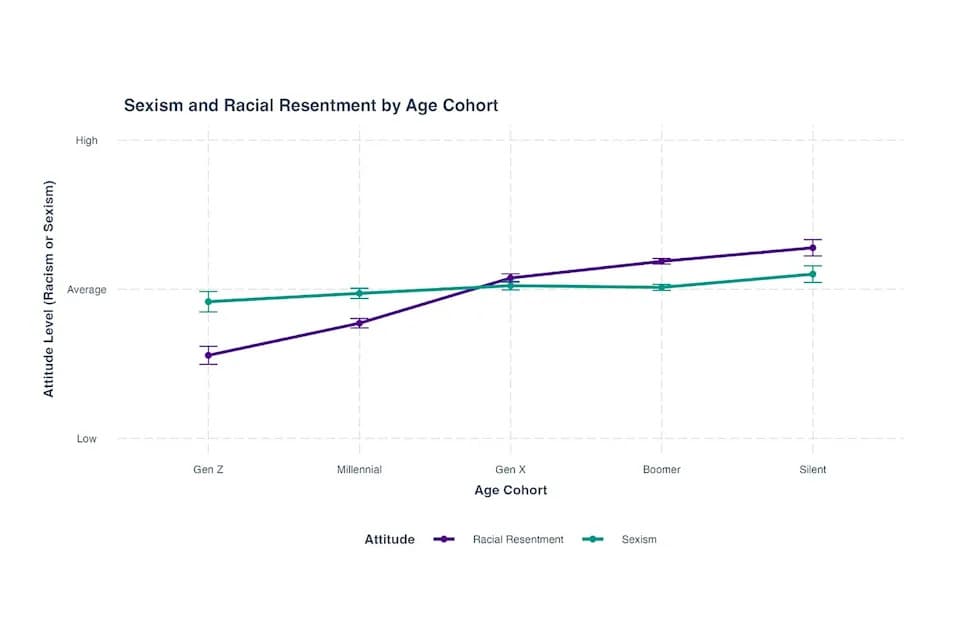
Late-summer CNN polling finds Americans feel stronger political ties to people in their own generation than to those who share their race or gender. Nearly six in ten respondents say they share many political concerns with others their age, while 43% report a political connection by gender and 39% by race.
Key Findings
- About 6 in 10 Americans report generational political ties.
- Fewer than half feel politically connected by gender (43%) or race (39%).
- Roughly 1 in 5 feel connected across generation, gender and race; 46% feel connected across more than one category.
- About one-quarter of respondents say they feel no political connection along any of the three dimensions.
Why Generation Matters
Many respondents described shared economic and life-experience concerns that bind people of the same age.
“My generation is one of the first ones looking at an economy that will be worse for us than for our parents,”said Gabriel, a 21-year-old college senior from California, who cited affordability, homeownership and growing up during the pandemic as reasons members of his cohort prioritize different issues than older Americans.
The Role of Partisanship
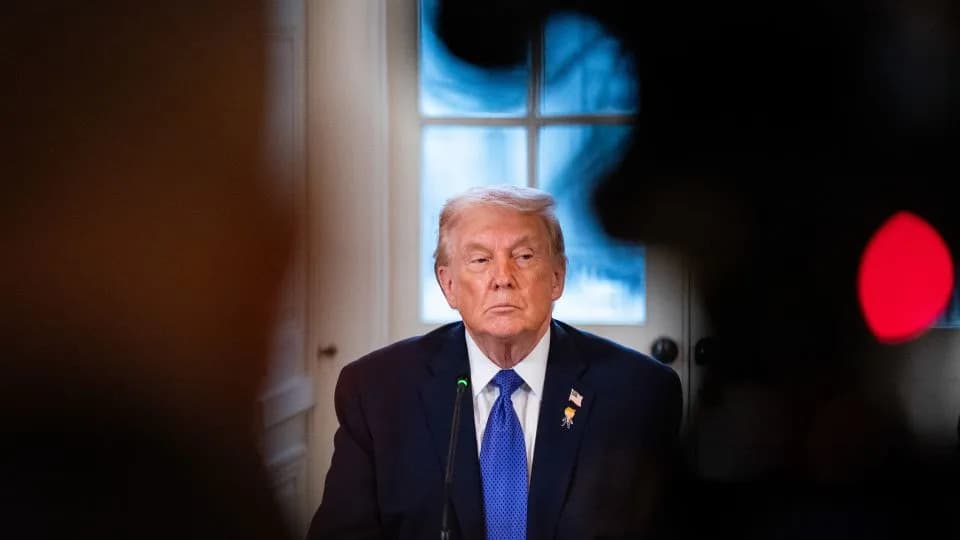
Political party alignment strongly shapes whether people feel connected to others in their demographic groups. Younger adults (under 35) who feel a strong generational bond tend to be Democrats or Democratic-leaning; more than half of those younger, connected respondents said they were angry about President Donald Trump’s policies and broadly frustrated with politics. By contrast, adults 65 and older who report a generational connection are much more likely to be Republican.
Gender and Race
Gender differences in reported political importance are modest on the surface: 46% of women versus 40% of men say gender is politically important. Yet women who report gender solidarity skew strongly Democratic compared with women who do not; the pattern is reversed for men.
Race shows a sharper divide: 64% of Black Americans and 55% of Latino Americans say they share political concerns with others of the same race, compared with 28% of White adults. White respondents who report racial political connections are disproportionately GOP-aligned (63% GOP or GOP-leaning), while most Black and Latino respondents who feel racial ties identify with the Democratic Party.
Views on Diversity
Among White Americans, those who feel a racial political connection are more likely to say growing diversity threatens U.S. culture (42% vs. 24% among Whites who do not feel that connection). For people of color the pattern reverses: relatively few see diversity as a threat overall, and those who do not feel a racial political bond are more likely to view diversity as threatening (28%) than those who do (13%).
Engagement and Disconnection
Younger people who feel closely tied to their generation tend to be more politically engaged than younger people who do not feel that tie, while the same engagement gap is not observed among older adults. Those who feel generational ties are also more likely to say they can name a political figure who speaks for people like them. Conversely, roughly one-quarter of Americans say they do not feel politically connected to others by generation, gender or race; this sense of disconnection is especially common among true independents and people who say they do not pay attention to politics.
Methodology: Findings come from a late-summer CNN poll of U.S. adults. Reported percentages are from the survey unless otherwise noted.
Help us improve.