India Hate Lab reported a 13% increase in anti‑minority hate speech in India in 2025, documenting 1,318 incidents — the majority in BJP‑governed states and territories. April was the peak month, with 158 events and a cluster of nearly 100 incidents between April 22 and May 7 amid violence in Kashmir and clashes with Pakistan. Human rights groups link growing hostility to policies and laws enacted since 2014; the BJP says the lab's findings are biased and denies discrimination.
Report: Anti‑Minority Hate Speech in India Climbs 13% in 2025, Largely in BJP‑Run Regions
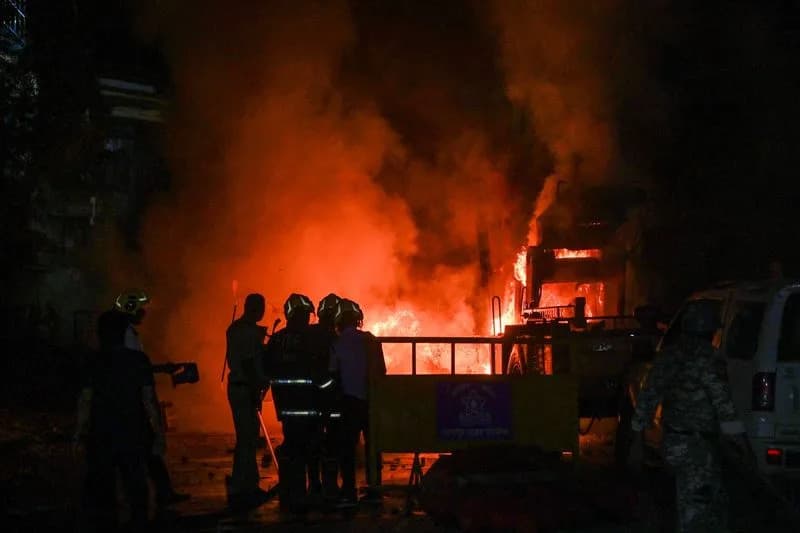
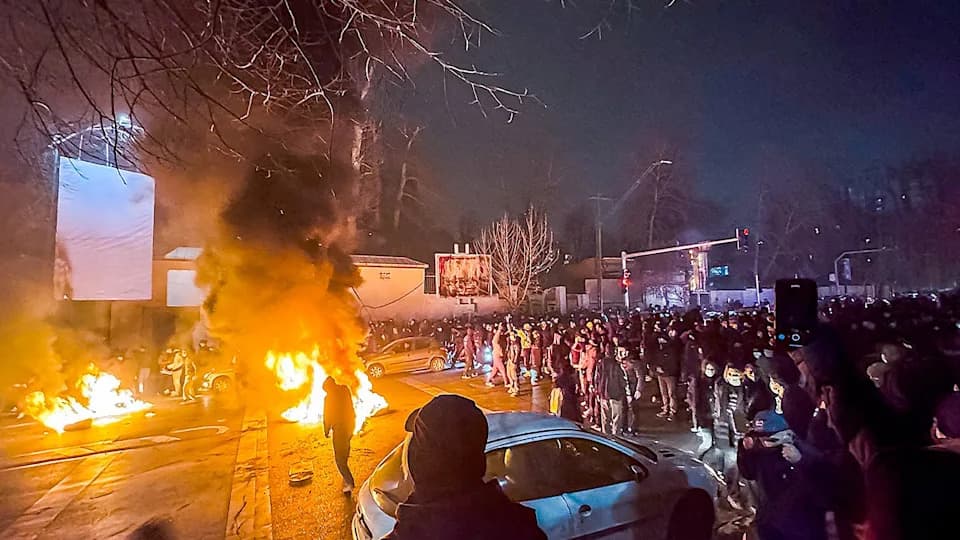
FILE PHOTO: Members of police stand as vehicles burn after clashes erupted due to demands over removal of the tomb of Mughal emperor Aurangzeb, in Nagpur, India, March 17, 2025. REUTERS/Stringer/File Photo
A Washington-based research project, India Hate Lab, said on Tuesday that anti‑minority hate speech in India rose by 13% in 2025, with most incidents occurring in states and union territories governed by Prime Minister Narendra Modi's Bharatiya Janata Party (BJP).
India Hate Lab recorded 1,318 instances it classified as hate speech in 2025, up from 1,165 in 2024 and 668 in 2023. The incidents were documented at political rallies, religious processions, protest marches and cultural events.
Geographic breakdown: The group reported that 1,164 of the 1,318 incidents took place in jurisdictions where the BJP governs either alone or in coalition.
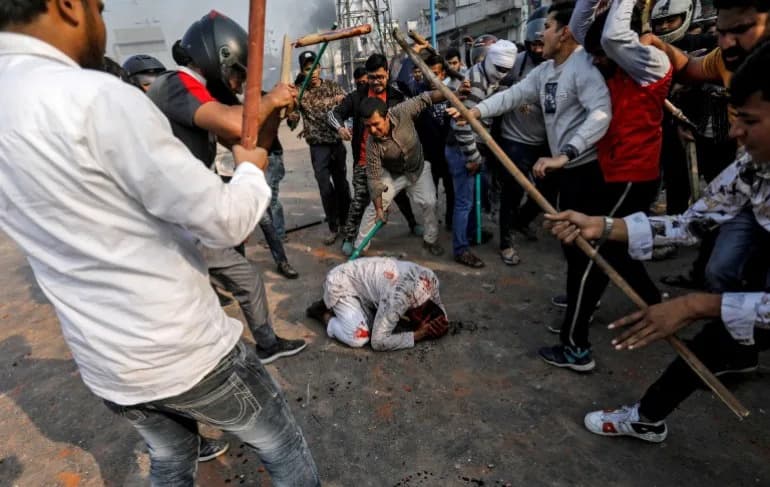
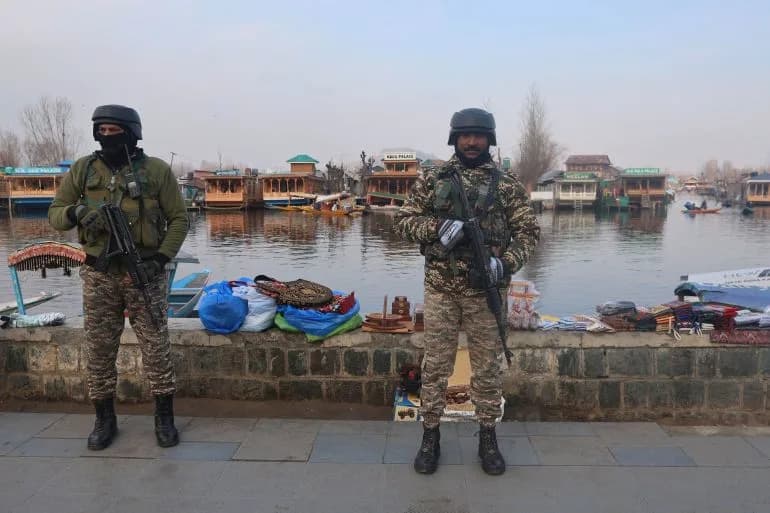
Monthly spike: April was the highest month, with 158 documented events. Nearly 100 of those incidents occurred between April 22 — after a deadly Islamist militant attack in India‑administered Kashmir — and May 7, when four days of fighting broke out between India and Pakistan.
Context and reactions: Human rights organizations, including Amnesty International and Human Rights Watch, say abuses and hostile rhetoric toward religious minorities have increased since Narendra Modi became prime minister in 2014. They point to measures such as a religion‑based citizenship law that the United Nations described as "fundamentally discriminatory," anti‑conversion laws, the 2019 revocation of Jammu and Kashmir's special status, and the demolition of some Muslim‑owned properties.
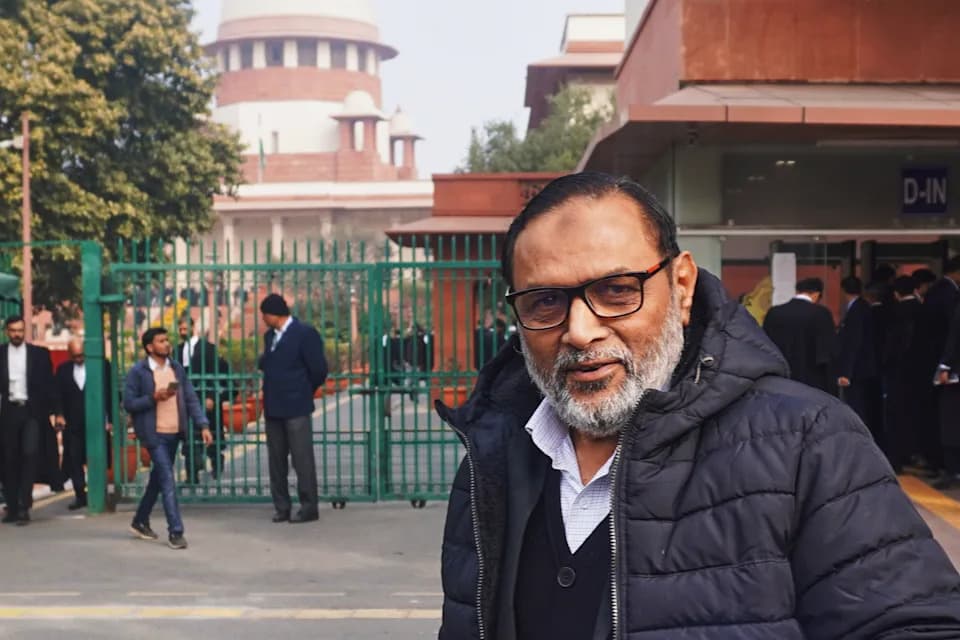
India Hate Lab — founded by U.S.‑based Kashmiri journalist Raqib Hameed Naik and operating under the Center for the Study of Organized Hate, a Washington‑based nonprofit — said it applies the United Nations' definition of hate speech, which covers prejudiced or discriminatory language directed at an individual or group based on attributes including religion, ethnicity, nationality, race or gender.
The BJP has previously criticized India Hate Lab's reporting as biased. The Indian embassy in Washington did not immediately respond to requests for comment for this report. Modi and his party deny discrimination, noting policies such as food subsidy schemes and electrification projects that they say benefit all communities.
Reporting: Kanishka Singh in Washington; editing by Kat Stafford and Lincoln Feast.
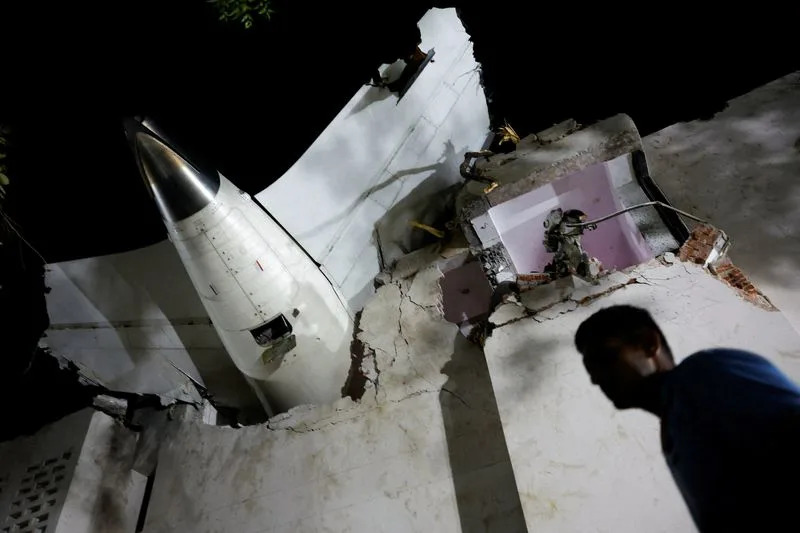
A person walks past debris at the crash site after an Air India aircraft, bound for London's Gatwick Airport, crashed during take-off from an airport in Ahmedabad, India June 12, 2025. REUTERS/Adnan Abidi
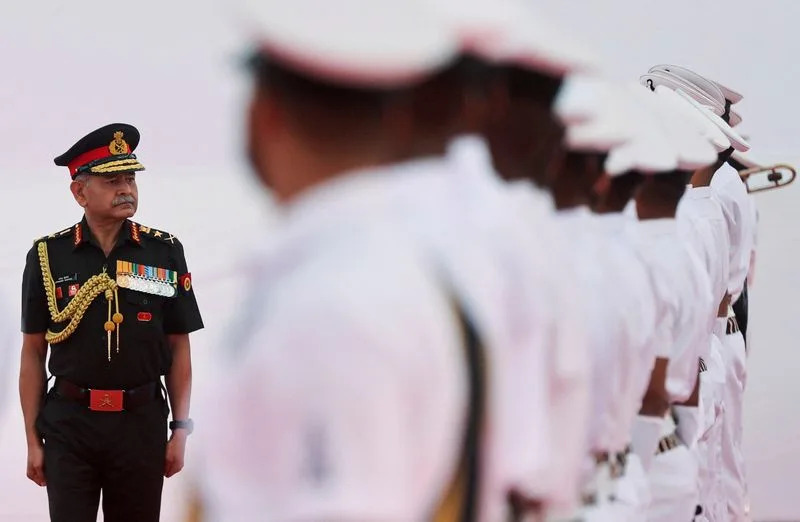
Chief of the Army Staff (COAS) General Upendra Dwivedi attends the commissioning ceremony of INS Mahe at the Naval Dockyard in Mumbai, India, November 24, 2025. REUTERS/Francis Mascarenhas
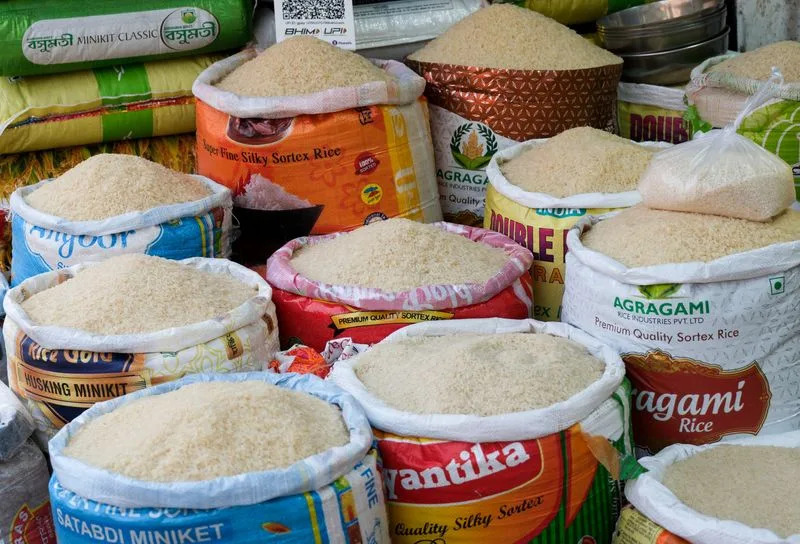
Stacks of rice are placed for sale inside a shop at a wholesale market in Kolkata, India, January 13, 2026. REUTERS/Sahiba Chawdhary
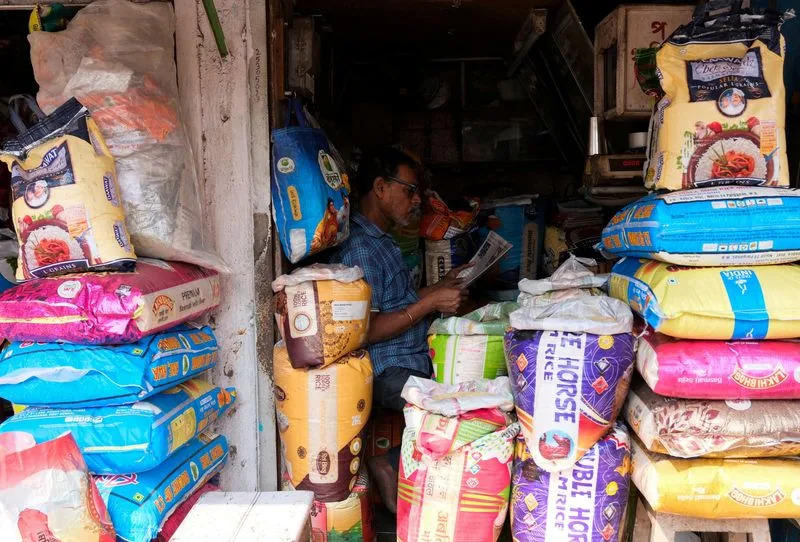
A shopkeeper reads a newspaper inside a shop selling rice at a wholesale market in Kolkata, India, January 13, 2026. REUTERS/Sahiba Chawdhary
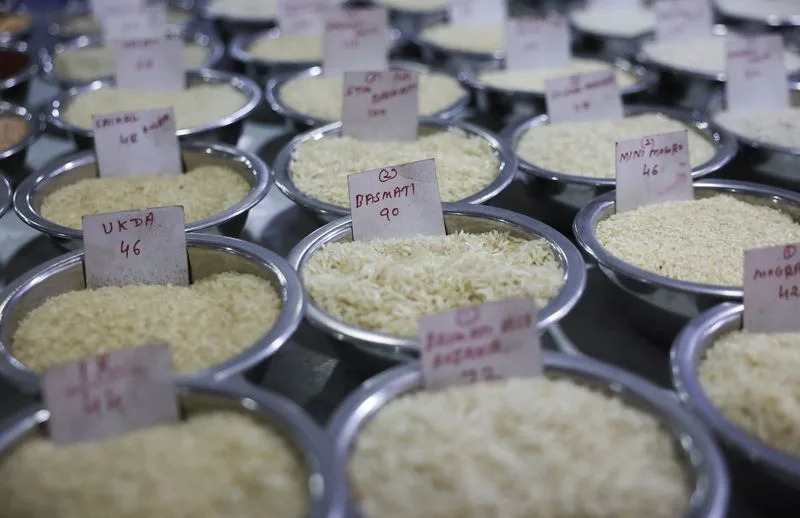
Different varieties of rice are displayed at a wholesale market in Navi Mumbai, India, January 13, 2026. REUTERS/Francis Mascarenhas

Redtape footwear is displayed inside a store at a mall in Navi Mumbai, India, January 13, 2026. REUTERS/Francis Mascarenhas
A Red Tape signboard in front of its store in Bengaluru, India, January 13, 2026.REUTERS/Priyanshu Singh
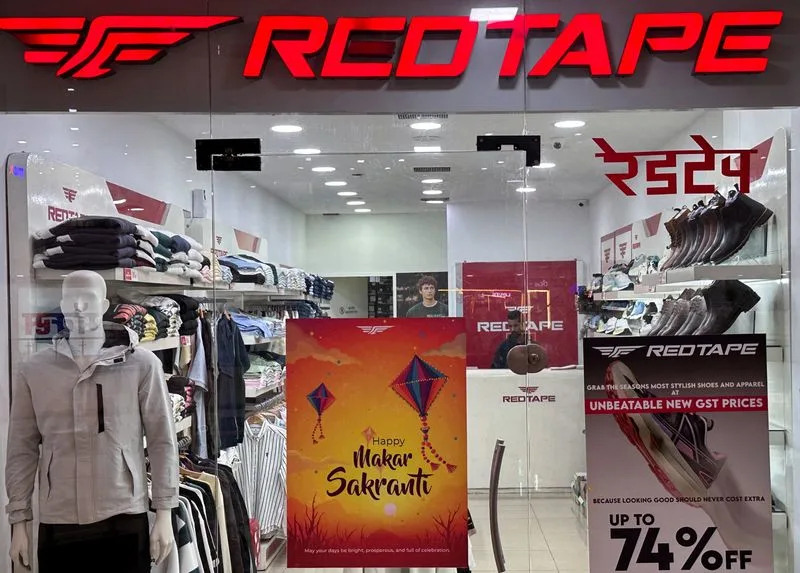
A man works at a Redtape apparel store at a mall in Navi Mumbai, India, January 13, 2026. REUTERS/Francis Mascarenhas
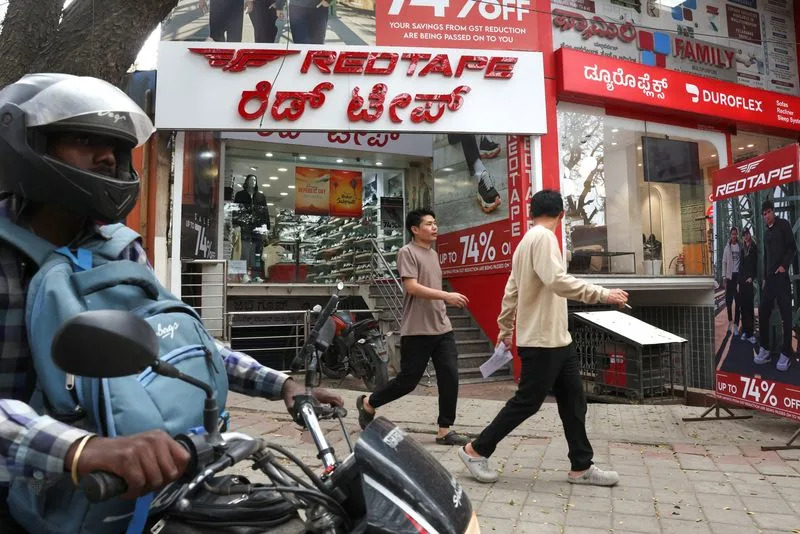
Pedestrians walk past a Red Tape apparel store along the street in Bengaluru, India, January 13, 2026.REUTERS/Priyanshu Singh
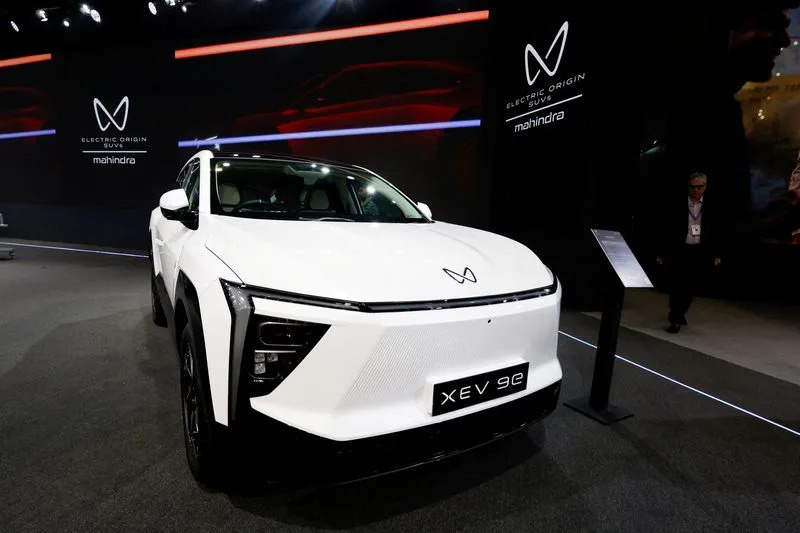
FILE PHOTO: The Mahindra XEV 9e, an electric SUV, is displayed during India's five-day auto show in New Delhi, India, January 18, 2025. REUTERS/Priyanshu Singh/File Photo
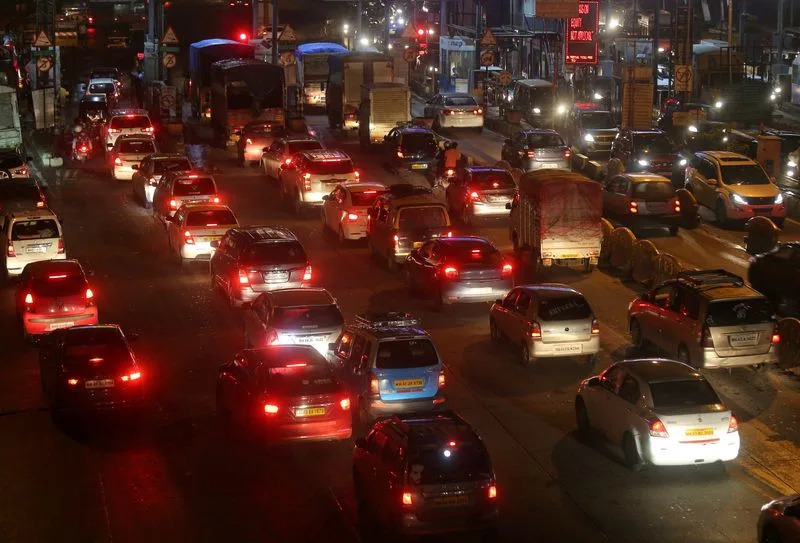
FILE PHOTO: Vehicles are pictured at a toll post in Mumbai, India, August 13, 2019. REUTERS/Francis Mascarenhas/File Photo

FILE PHOTO: Vehicles move past electricity pylons in Gurugram, India, September 11, 2025. REUTERS/Bhawika Chhabra/File Photo
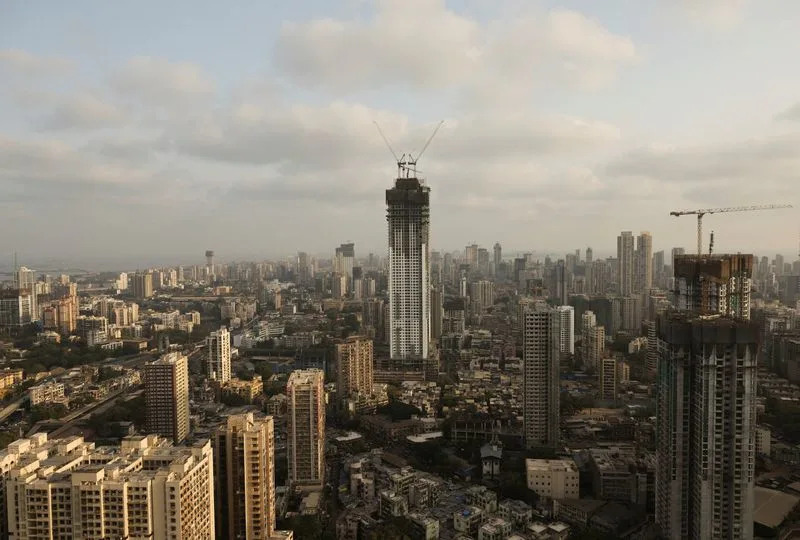
A general view of the skyline in Mumbai, India, May 5, 2025. REUTERS/Francis Mascarenhas
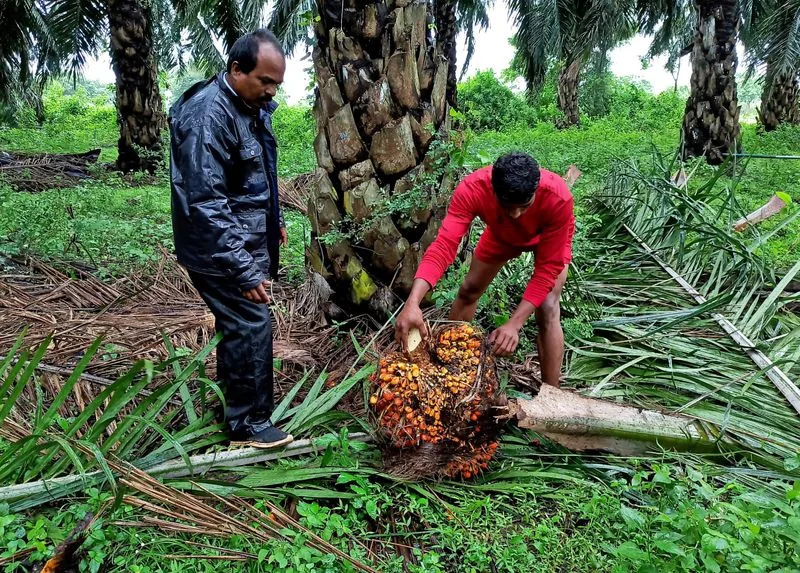
A worker checks a fresh fruit bunch of oil palm during harvest at a palm oil plantation in Khammam district in southern state of Telangana, India, July 12, 2022. REUTERS/Rajendra Jadhav
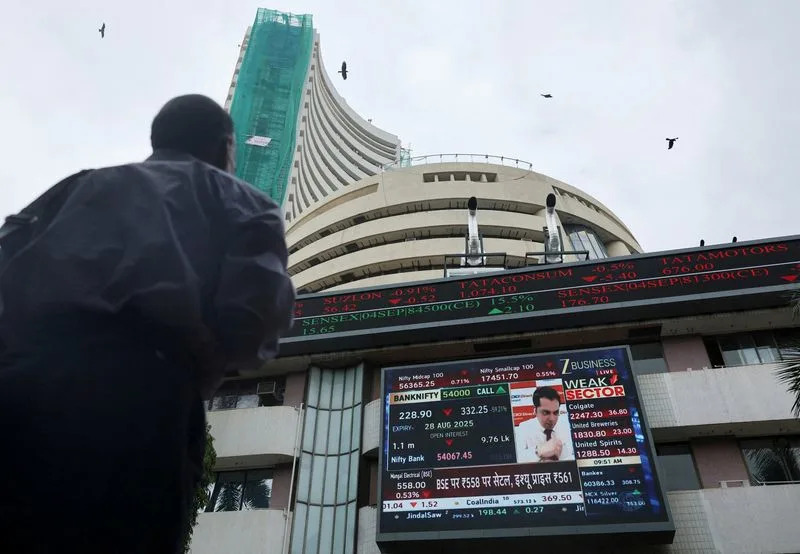
FILE PHOTO: A man looks at a screen outside the Bombay Stock Exchange (BSE) in Mumbai, India, August 28, 2025. REUTERS/Francis Mascarenhas/File Photo/File Photo
Help us improve.