
Both parties are intensifying efforts to win young male voters ahead of the 2026 midterms. Democrats point to gains in recent local races and are rolling out affordability and male-focused initiatives, while Republicans emphasize economic messaging and critiques of diversity programs. Polling shows Trump’s support among voters under 30 has fallen from about 42% last year to the low 30s, with economic stress and job uncertainty cited as major drivers. The contest remains fluid and could shape several key midterm races.
The Battle For Young Male Voters Intensifies Ahead Of The 2026 Midterms

New York Mayor Zohran Mamdani, D-N.Y., greets voters in New York City on June 24. (Michael M. Santiago / Getty Images)
Winning the support of young men has become a central focus of U.S. politics as both parties prepare for the 2026 midterm elections. Republicans have sought to preserve gains former President Donald Trump made with that group, while Democrats — worried about losing an alienated cohort for years to come — have launched targeted outreach and policy initiatives aimed at affordability, mental health and male-focused programs.
Where The Parties Stand
Some Democrats say recent local races show momentum shifting their way. High-profile Democrats in last month’s contests — Abigail Spanberger in Virginia, Mikie Sherrill in New Jersey and Zohran Mamdani in New York City — narrowed the party’s deficit among young men and even attracted portions of recent Trump voters. Several potential 2028 Democratic presidential hopefuls have also introduced proposals focused on men and boys.
Republicans, meanwhile, plan to depict Democrats as out of touch with young men’s concerns and to highlight economic proposals they say will improve prospects for that group, citing elements of Trump’s proposed agenda such as changes to tipped-wage rules.
Polling And The Economics Of The Shift
Polling suggests some of Trump’s gains with younger voters have softened. The Yale Youth Poll found approval of Trump at roughly 34% among voters ages 18–22 and 32% among those 23–29, down from the 42% he received among voters under 30 last year. Exit polls from recent races show Democrats who emphasized affordability improved among young men and picked up 7%–9% of voters who had backed Trump.
Economic stress is a central factor in these shifts. Youth unemployment (ages 16–24) was 10.8% in July year over year according to the Bureau of Labor Statistics, and the unemployment rate for residents ages 20–24 hit 8.3% in November — the highest level since 2021 in that cohort. A Harvard Youth Poll also found around four in 10 people under 30 said they were "barely getting by" financially.
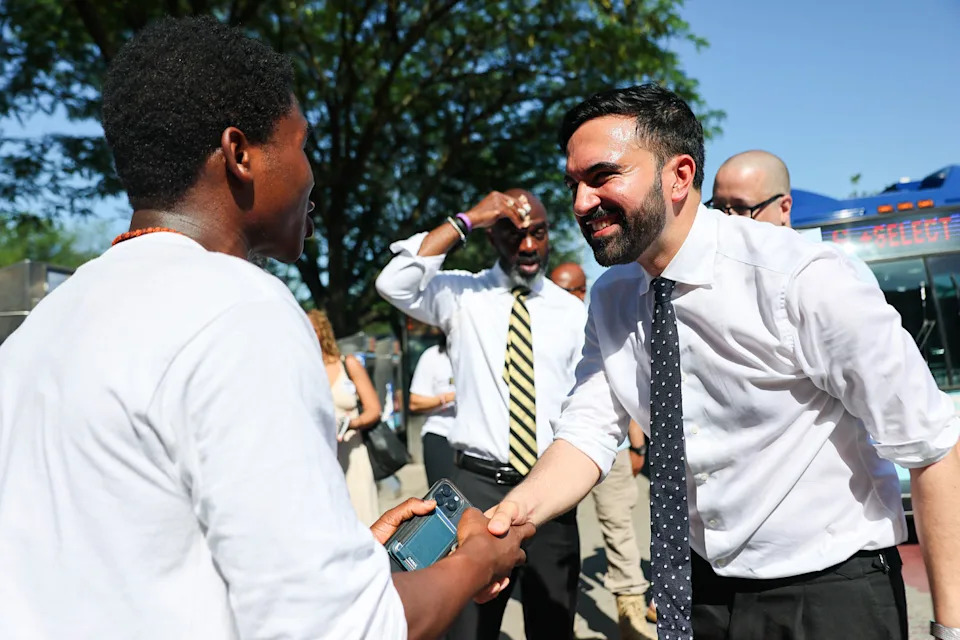
New York Mayor Zohran Mamdani, D-N.Y., greets voters in the South Bronx of New York City on June 24. (Michael M. Santiago / Getty Images)
Voices From Voters And Strategists
Voters describe economic disappointment as a key reason for changing preferences. Christian G., 25, an independent from New Jersey, said he voted for Rep. Mikie Sherrill after supporting Trump because he felt let down by unmet economic expectations.
“I would say for me it is kind of a testament to how, I guess, trust was lost over the year. Whereas I voted for him back in ’24, now, a year later, I’m feeling let down,”
Party operatives caution the contest is far from decided. A senior Republican strategist argued it would be short-sighted for Democrats to celebrate any early gains, saying the Republican ecosystem remains strong in this space. A GOP Senate aide likewise suggested many Republicans are counting on Trump’s continued ability to mobilize disaffected young men.
How Parties Are Responding Tactically
Democrats are experimenting with direct, authentic outreach to young men: campaigns that emphasize affordability, public appearances on popular podcasts and free or low-cost community events. Zohran Mamdani, who won decisively among young men in New York City and frequently appeared on podcasts, stressed that Democrats should stop speaking down to young people and instead address concrete problems like housing costs.
At the state level, officials have announced male-focused initiatives: Maryland Gov. Wes Moore proposed recruiting more male teachers, California Gov. Gavin Newsom signed executive orders aimed at male suicide prevention and launched a "California Men’s Service Challenge," and Virginia legislators have proposed advisory boards on boys’ and men’s issues.
What To Watch Ahead Of 2026
The competition for young male voters could shape several pivotal midterm races. Democrats hope to build on modest local gains by focusing on affordability and engagement, while Republicans aim to reframe the discussion around economic opportunity, resentment over diversity policies and cultural messaging that appeals to young men. Ultimately, strategists on both sides say turnout and the broader economy will determine whether these shifts hold through the 2026 midterms.
Note: This piece synthesizes reporting from recent races, public polling (including the Yale Youth Poll), Bureau of Labor Statistics data and campaign statements. Originally reported on NBCNews.com.


