Chinese researchers developed a data-driven, AI-based controller for tokamak plasma trained on Huanliu-3 experimental data. The model combines LSTM networks with scheduled sampling and self-attention to reduce simulation errors and better predict plasma evolution. Tests showed improved plasma stability and adaptability, marking a practical step forward for fusion research. Challenges remain, including high upfront costs and engineering hurdles, but the approach could accelerate progress toward low-carbon fusion power.
AI Tames Tokamak Plasma: Chinese Team's Data‑Driven Controller Advances Fusion Power

Chinese researchers develop AI-driven control for tokamak plasma
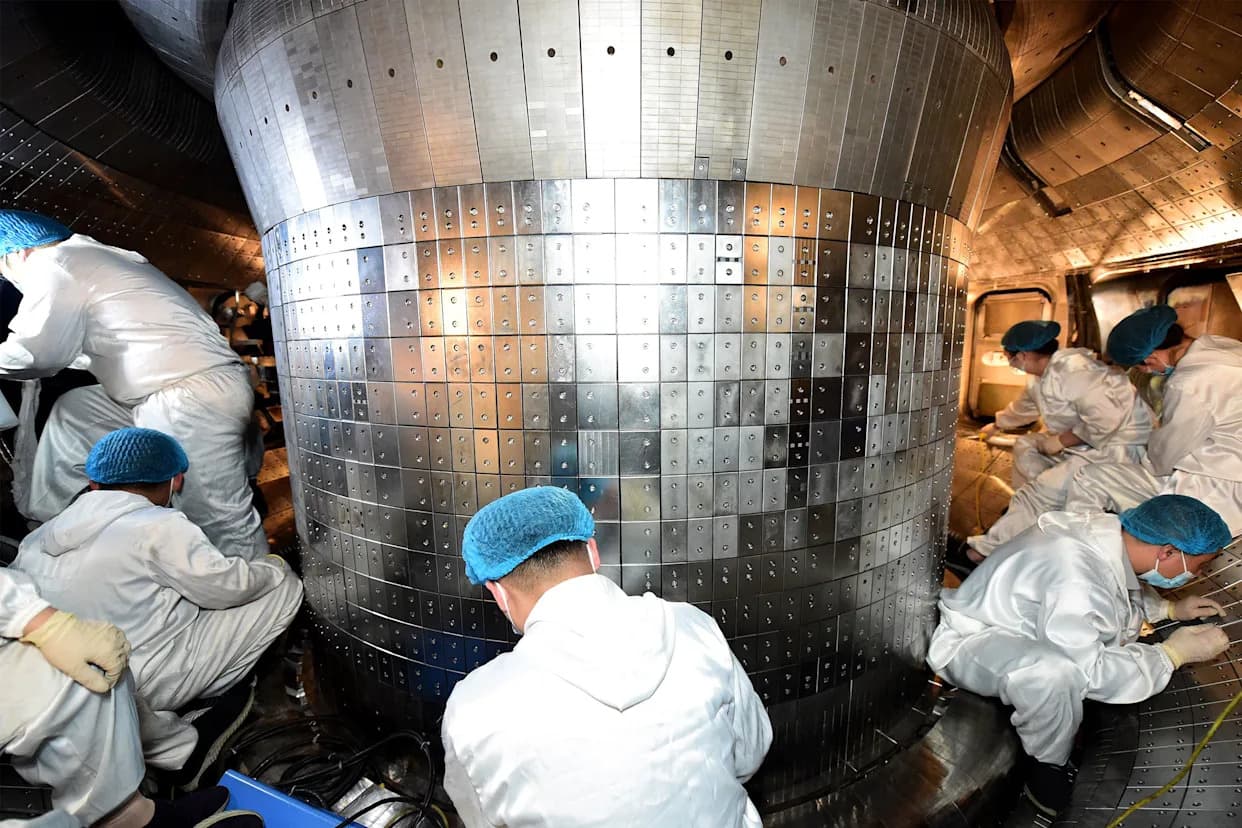
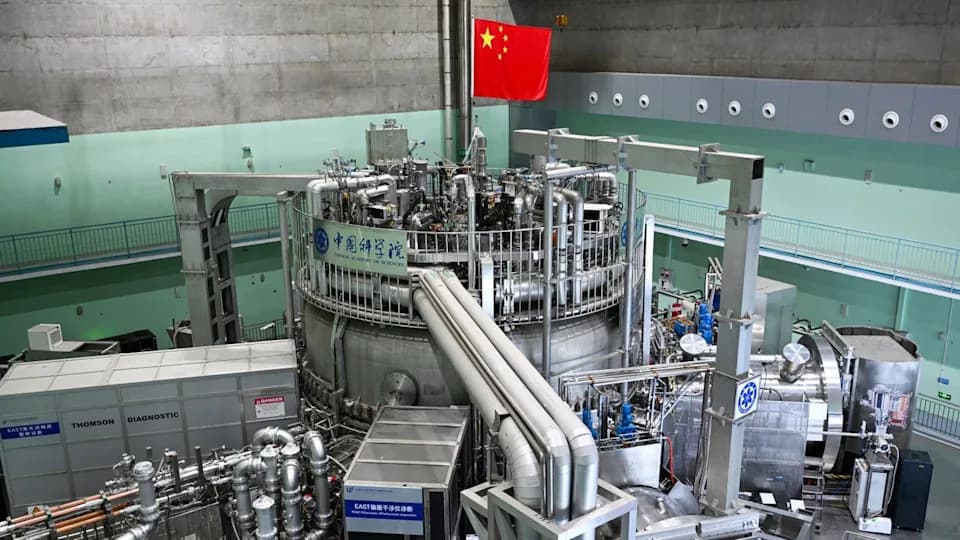
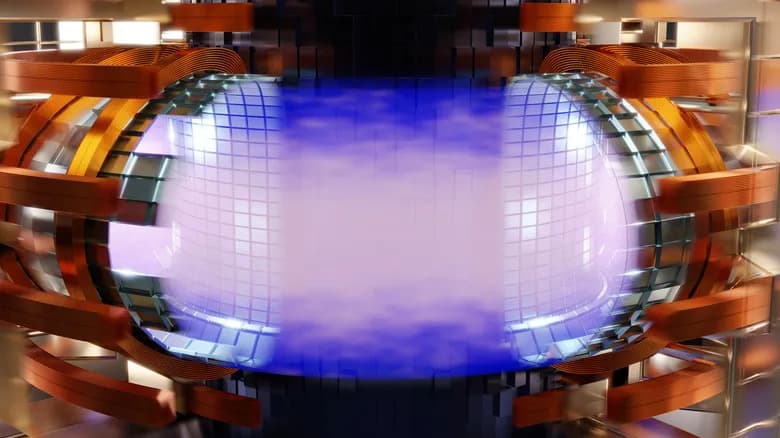
Researchers in China have taken a notable step toward practical fusion energy by developing a data-driven control system for tokamak plasma. Reported by CGTN, the team from the Southwestern Institute of Physics, together with Zhejiang Lab and Zhejiang University, trained an AI model on experimental records from the Huanliu-3 tokamak to improve plasma stability and control.
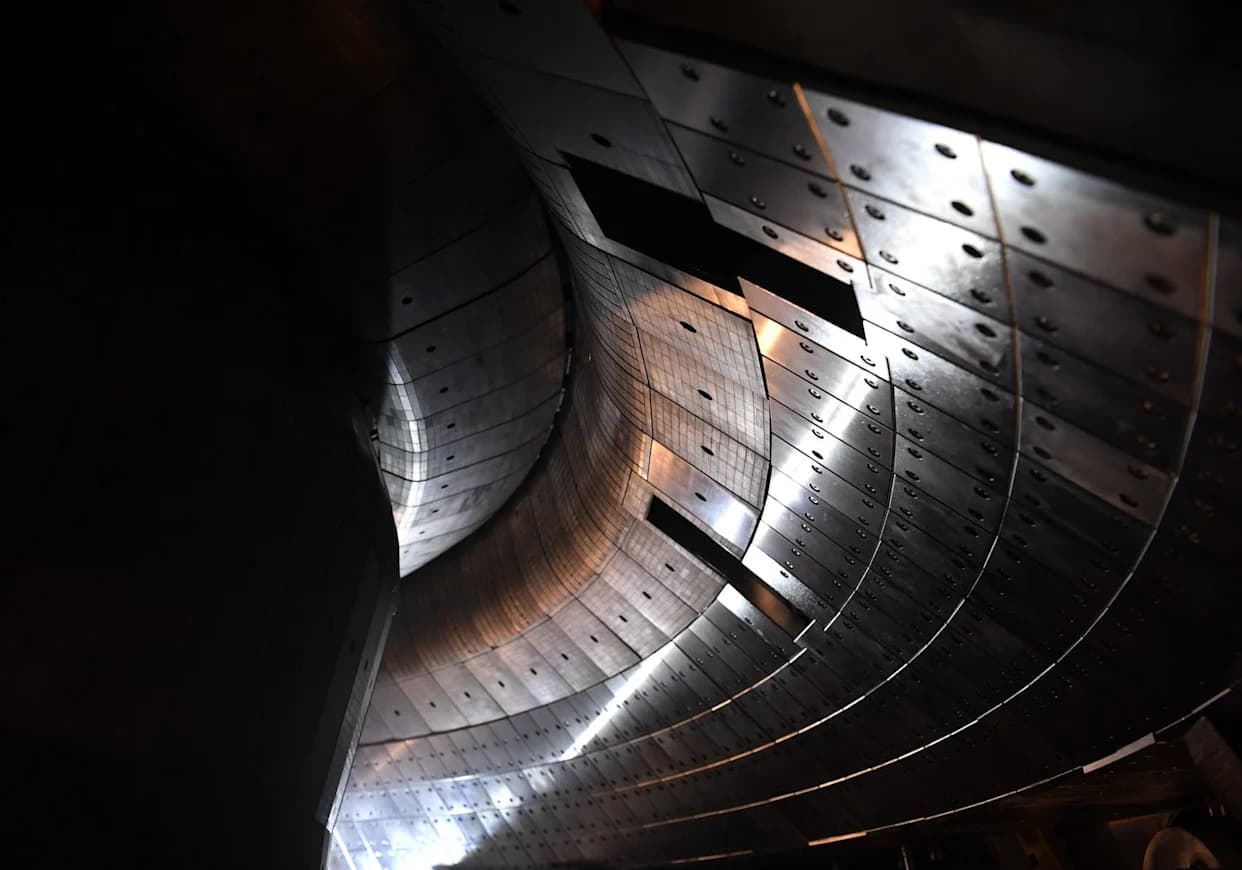
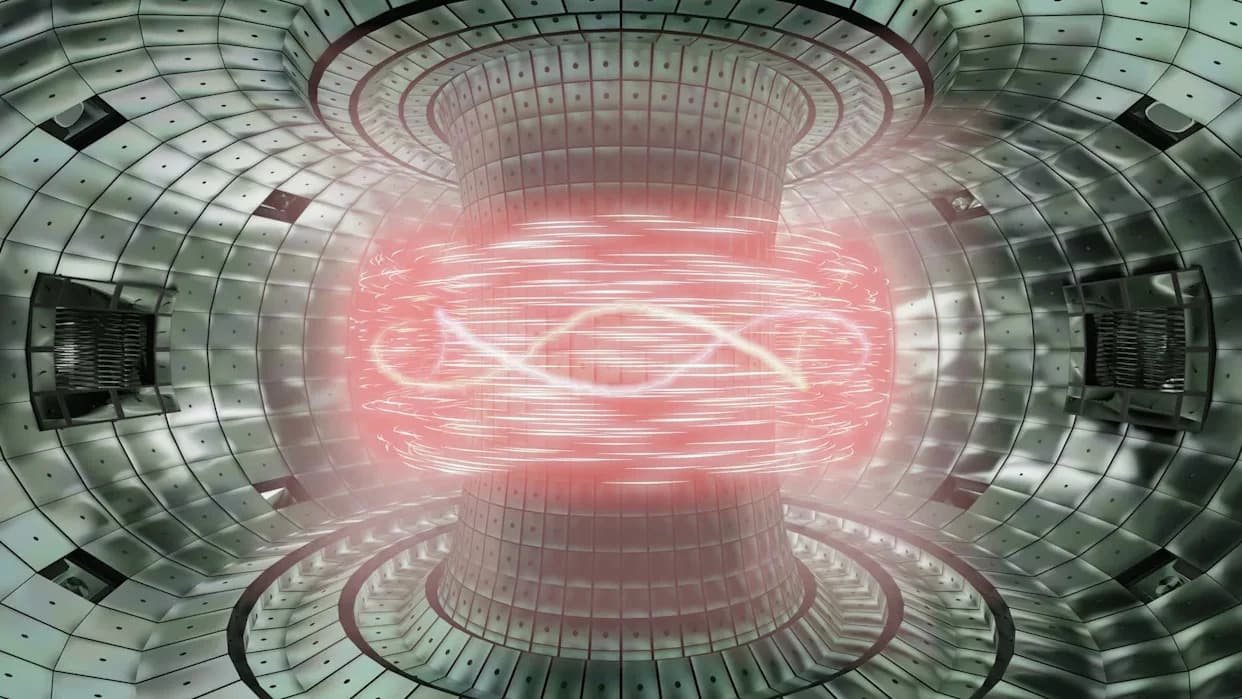
Why this matters: Fusion releases energy when light nuclei fuse into heavier ones and is often described as a potential source of abundant, low-carbon electricity. If harnessed at scale, fusion could help reduce reliance on fossil fuels, slow the pace of global warming, and support cleaner air and water. However, maintaining stable, high-temperature plasma long enough to extract useful power remains a major technical challenge.
What the team built: Instead of relying solely on first-principles simulators, which are computationally intensive and can be hard to use for controller training, the researchers created a high-fidelity, data-driven control model. They trained the system on historical experimental runs from the Huanliu-3 and combined machine-learning elements such as long short-term memory (LSTM) networks with scheduled sampling and self-attention mechanisms. Scheduled sampling helps the model avoid accumulating predictive errors over time, while self-attention lets it focus on the most relevant parts of the input sequence when forecasting plasma behavior.
According to the team, the AI-based controller accurately tracked and forecasted key plasma parameters in tests, keeping the plasma stable and showing adaptability across different operating conditions. Because the model is tuned to real experimental data, it can capture complex, device-specific dynamics that some traditional simulators may miss.
Benefits and limitations: A robust, data-driven controller could accelerate fusion research by enabling more effective and efficient plasma regulation in tokamaks, potentially shortening the path to sustained fusion performance. Broader societal benefits of eventual commercial fusion include low-carbon electricity and the possible indirect support of food and water security through reliable power for irrigation, treatment, and refrigeration.
At the same time, significant hurdles remain: large upfront costs, substantial engineering challenges, and vigilance about any advanced nuclear research that could be misused. It is also important to note the distinction between fusion and fission: fusion does not generate the same long-lived, high-level radioactive waste as fission does, though reactor materials can become activated and require careful management.
Outlook: The experiments on the Huanliu-3 suggest that AI-enhanced, data-driven control systems are a promising tool for improving tokamak performance. While this development does not mean fusion is solved, it represents a practical step that could make future fusion experiments more stable and efficient.
Key institutions: Southwestern Institute of Physics, Zhejiang Lab, Zhejiang University. Device: Huanliu-3 tokamak.
Help us improve.