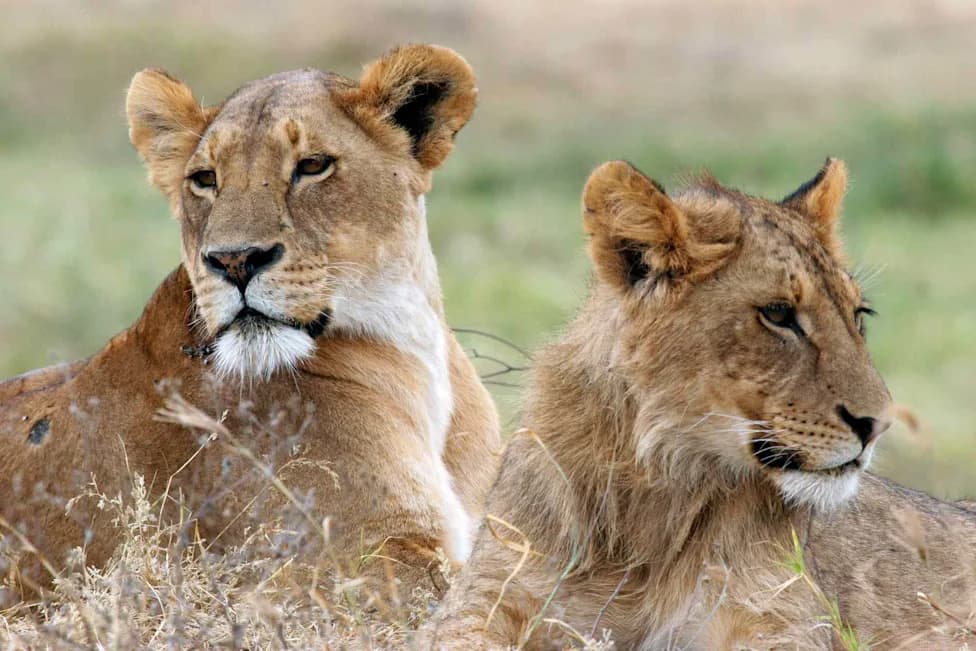
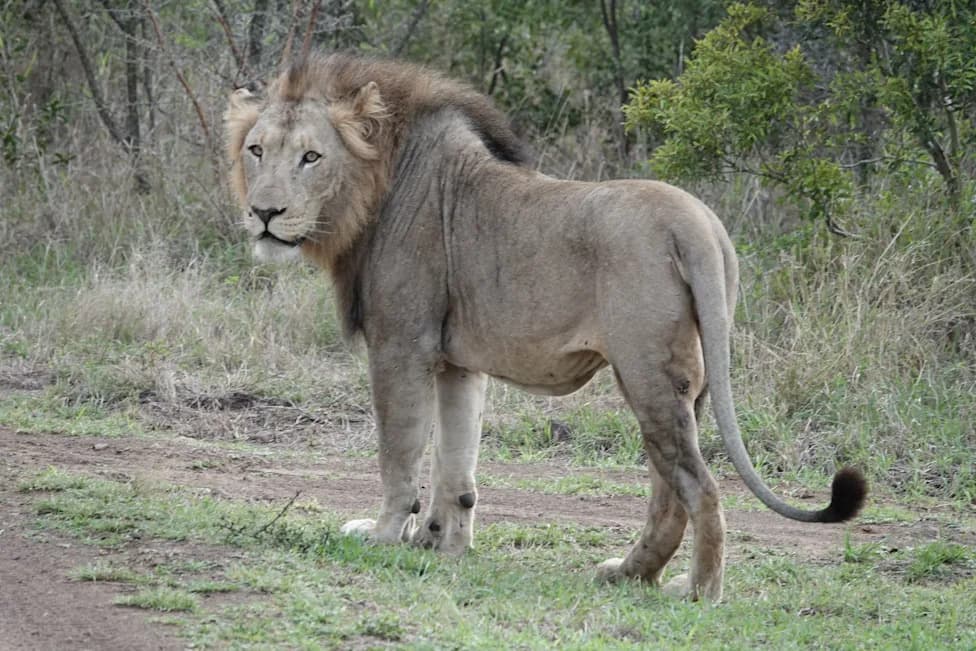
Ten lions in the Ndutu area of Tanzania’s Ngorongoro Conservation Area were found dead after feeding on a giraffe carcass; preliminary findings suggest possible poisoning. The Ngorongoro Conservation Area Authority has launched a technical investigation, though officials say it is too early for definitive conclusions. Teams have located 12 of an estimated 33 lions, and one symptomatic animal is receiving treatment and reportedly improving. Conservationists warn poisoned carcasses can also kill scavengers like hyenas and vultures, threatening the wider ecosystem.
Ten Lions Found Dead in Tanzania’s Ngorongoro — Suspected Poisoning After Feeding on Giraffe Carcass
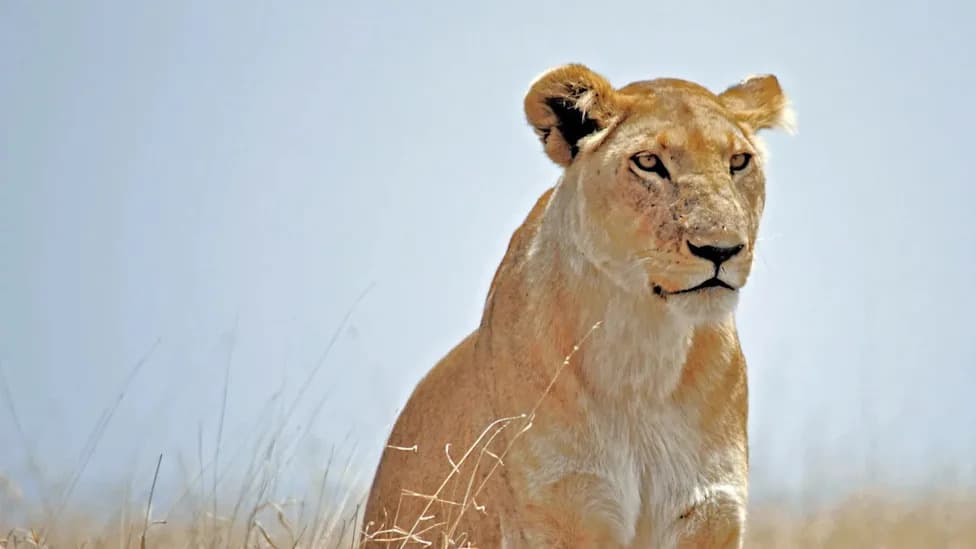
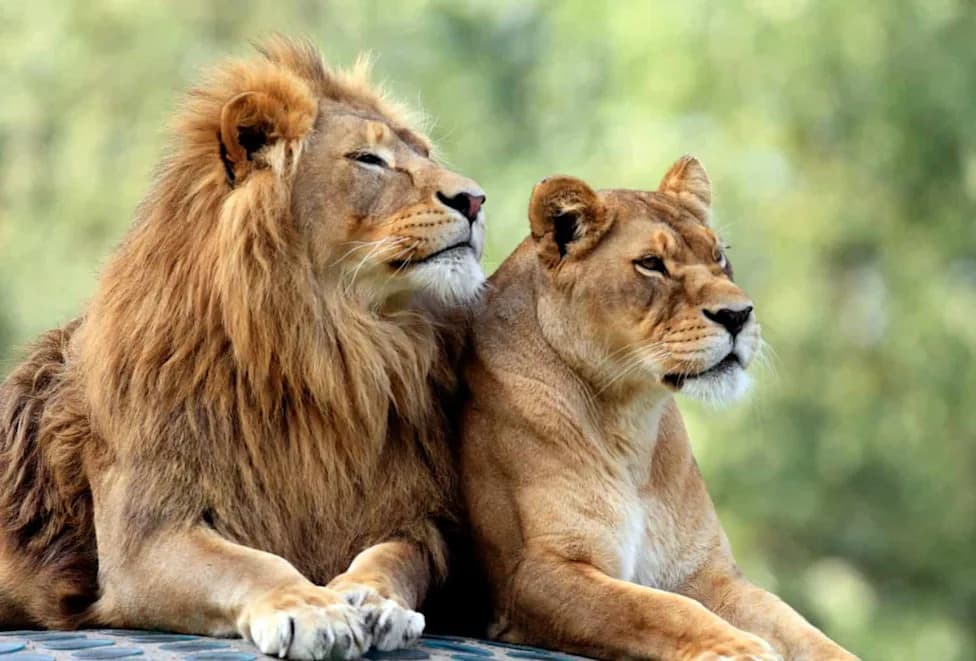
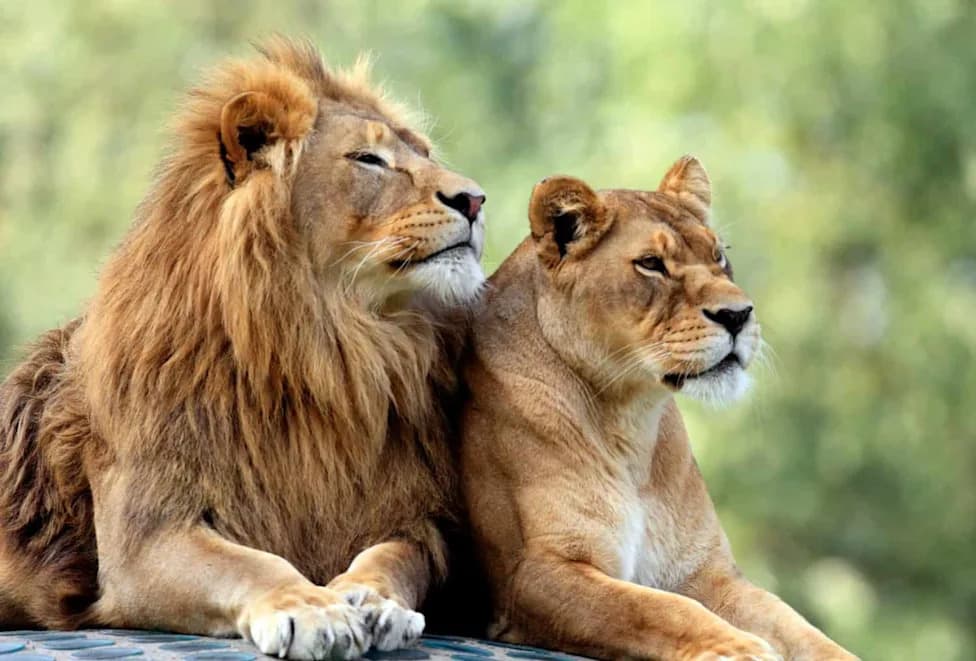
File Photo. Image Credit: Jaliya Rasaputra on Unsplash.
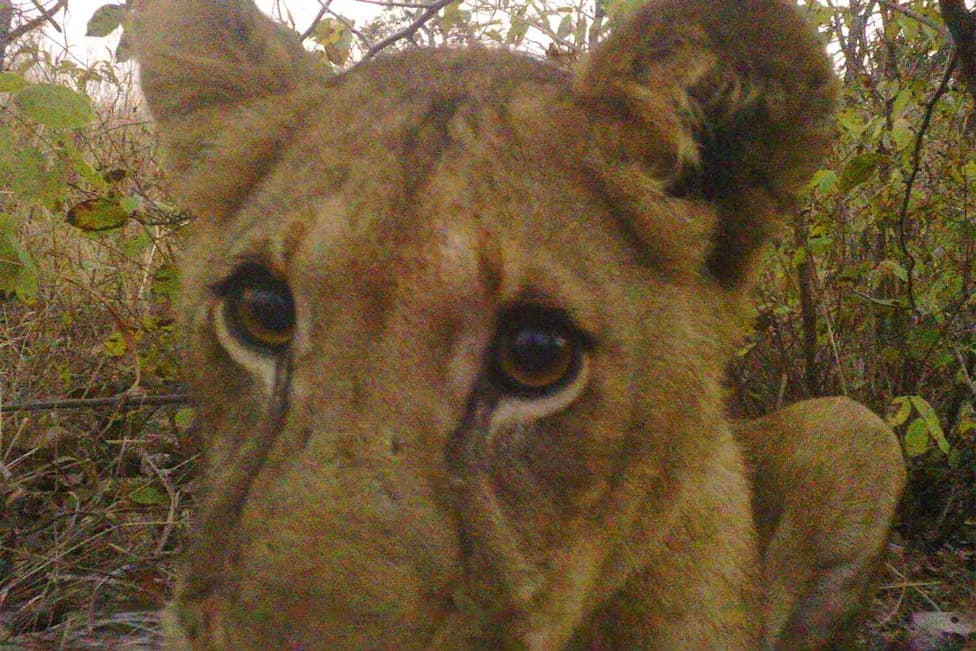
Ten lions were discovered dead in the Ndutu area of Tanzania’s Ngorongoro Conservation Area in what wildlife officials say may be a poisoning incident. The Ngorongoro Conservation Area Authority (NCAA) issued a Sept. 19 statement saying preliminary findings indicate the lions "may have died after ingesting poison," and that a technical investigation has been launched to determine the cause and whether anyone is responsible.
Investigation Under Way
While the NCAA has opened a formal inquiry, Deputy Conservation Commissioner Joas Makwati, quoted by The Guardian Tanzania, cautioned that it is too early to draw firm conclusions and urged the public to await the government's final findings. The incident is being examined by wildlife authorities and veterinary teams working in the field.
What Happened
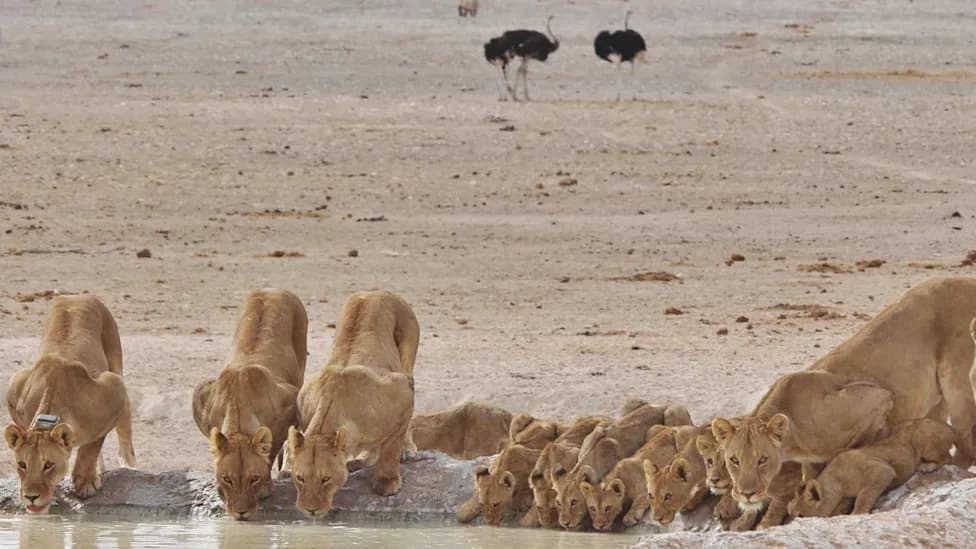
Ndutu Supervisor Abihudi Sengele said the affected pride numbers about 33 lions. By Sept. 22, teams had located 12 lions alive and accounted for, with search efforts continuing to find the remainder. Sengele reported that the 10 dead lions had fed on a giraffe carcass, left the carcass, and later returned to feed again — a detail that has focused investigators on the possibility of a toxic carcass.
Animal Care
One additional lion showed symptoms including excessive salivation and vomiting and has been captured for monitoring and treatment. NCAA wildlife veterinarian Dickson Wambura said the animal was responding to therapy.
"Yesterday we continued monitoring it, and today we administered additional medication," Wambura told The Guardian Tanzania. "It is progressing well."
Wider Ecological Concerns
Ngorongoro is a UNESCO-designated multiple-use conservation area where wildlife coexists with semi-nomadic Maasai pastoralists and their livestock, and it forms part of the larger Serengeti ecosystem. Conservation groups, including the International Union for Conservation of Nature (IUCN), warn that poisoned carcasses can pose a broader ecological threat by killing scavengers such as hyenas and vultures that feed on remains, potentially amplifying the environmental impact far beyond the initial incident.
Authorities are continuing technical analyses to confirm the cause of death and to determine whether criminal activity was involved. Local officials urge residents and visitors to avoid contact with animal carcasses and to report sightings to wildlife authorities.
Help us improve.