The Trump administration is seeking to reallocate roughly $176.9 million from the State Department's Human Rights and Democracy Fund to 43 awards that largely favor right‑wing and conservative causes, including a $40 million anti‑communism grant and funding for groups in Europe, South Africa and Brazil. Critics warn the plan could undermine U.S. values and strain relations with allies, while supporters portray it as defending Western civilisation and free speech. Congressional holds, journalistic scrutiny and looming September 30 deadlines have already prompted the withdrawal of some grants and escalate the dispute over what qualifies as human‑rights assistance.
Trump Allies Move To Channel $176m Human Rights Fund Toward Right‑Wing Causes As Deadline Nears
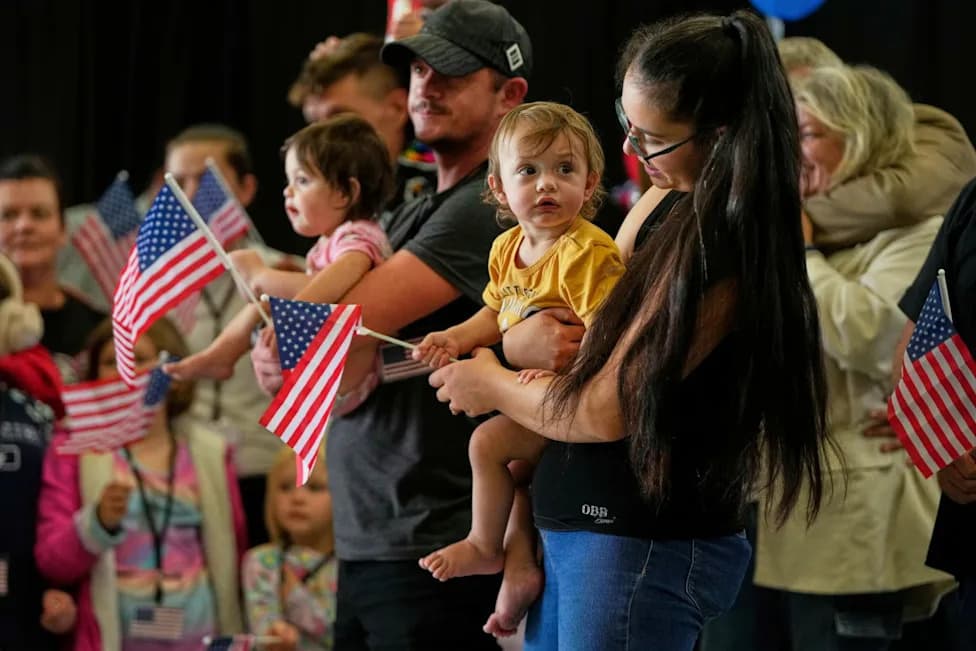
Afrikaner refugees from South Africa hold American flags as they arrive at Dulles airport in Washington last May.Photograph: Julia Demaree Nikhinson/AP
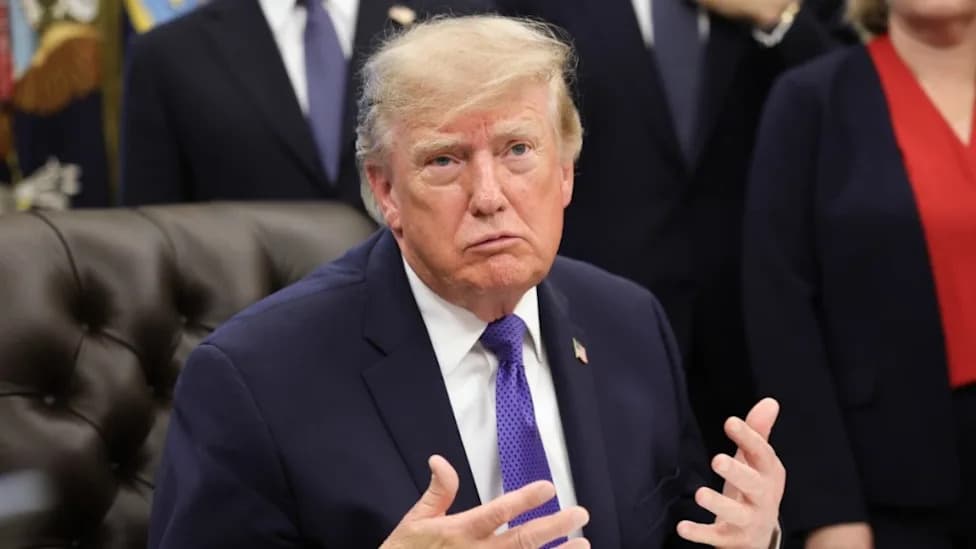
The Trump administration is attempting to reallocate more than $175 million from the State Department's Human Rights and Democracy Fund (HRDF) to a slate of 43 awards that critics say would disproportionately benefit right‑wing and conservative causes around the world. With the fiscal‑year deadline fast approaching, the proposed package has drawn intense scrutiny from lawmakers, journalists and foreign policy experts.
What Is Proposed
The contested grants — roughly $176.9 million of the $205 million Congress appropriated for the HRDF — include programs that range from a $40 million anti‑communism consortium to support for groups advocating Afrikaner interests in South Africa, campaigns targeting Brazil's supreme court, and initiatives aimed at advancing what the documents call "western civilisational norms" in parts of Europe.
Notable Awards And Controversies
- $40 million earmarked for a consortium led by the Victims of Communism Memorial Foundation (VOC). Department records show VOC previously received much smaller contracts (about $96,997 over five years) and lists Andrew Bremberg, a former Trump White House adviser, as a senior leader.
- A number of no‑bid grants proposed for British groups — including a $3 million award to the Jobs Foundation and a later‑withdrawn $5 million award to the Free Speech Union — that together would have sent roughly $15 million in U.S. funds to UK organizations working on issues such as regulation, online safety and migration.
- Smaller awards to programs described in planning documents as countering "gender ideology," resisting perceived "supra‑national" regulation, documenting alleged democratic backsliding tied to migration, and creating early‑warning networks to protect Christians in Nigeria.
- A $1 million proposal titled "Countering Lawfare and Censorship in Brazil," aimed at supporting civil society groups critical of decisions by Brazil's supreme court, a measure tied in reporting to lobbying by Brazilian political figures.
Who’s Behind The Push
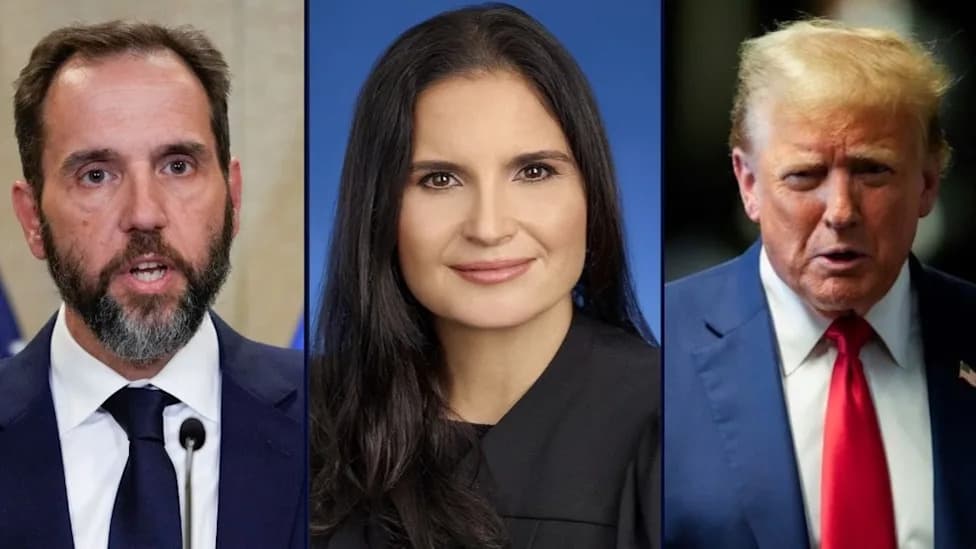
According to reporting by the Guardian and ProPublica, senior Trump administration officials personally lobbied for many of these awards. The grants reportedly reflect priorities associated with figures such as Senator J.D. Vance and adviser Stephen Miller. Documents and reporting also identify Samuel Samson, a 27‑year‑old deputy assistant secretary overseeing the new grants, as having ties to conservative circles and institutions such as Hillsdale College.
“Congress appropriated money for the democracy fund on a bipartisan basis to support defenders of human rights, to assist victims of human rights violations and to promote the growth of democracy abroad,” said Senator Jeanne Shaheen, the Senate Foreign Relations Committee's top Democrat. “The Trump administration's proposals would use taxpayer funds to promote far‑right organizations and programs in established democracies.”
State Department Response And Oversight
The State Department told the Guardian the proposals remained in "active deliberation," that awardees would meet federal grant guidelines, and that programming would undergo a "standard and rigorous vetting process by grant professionals." A department official framed some of the initiatives as supporting European partners' civilisational self‑confidence and sovereignty while advancing political liberty and free speech.
Timing, Pushback And Next Steps
By law the HRDF funds must be obligated by 30 September, the fiscal‑year deadline when unobligated money typically lapses. Senator Shaheen placed a partial hold on awarding funds to several controversial grantees, setting up a showdown with the State Department in the final hours before the obligation deadline. Several proposed awards have already been marked withdrawn following congressional and public pushback.
The debate raises broader questions about how the U.S. defines "human rights" and which organizations should receive democracy assistance — particularly when grants appear to support political causes in allied democracies rather than classic human‑rights defenders operating under authoritarian regimes.
Reporting note: This account synthesizes reporting from The Guardian and ProPublica and summarizes documents and statements seen or provided to those outlets.
Help us improve.