Health authorities in Muchinga province, Zambia, have warned people not to eat meat from wild animals after an anthrax outbreak killed dozens of animals, including 46 hippos. Twelve people were infected after consuming carcasses in the Munyamadzi River area; all are receiving treatment and no deaths have been reported. Hunting is suspended while surveillance and laboratory tests continue, and the public is urged to report sudden animal deaths and avoid handling wild meat.
Anthrax Outbreak in Muchinga: Dozens of Wild Animals Dead, 12 People Infected After Eating Carcasses
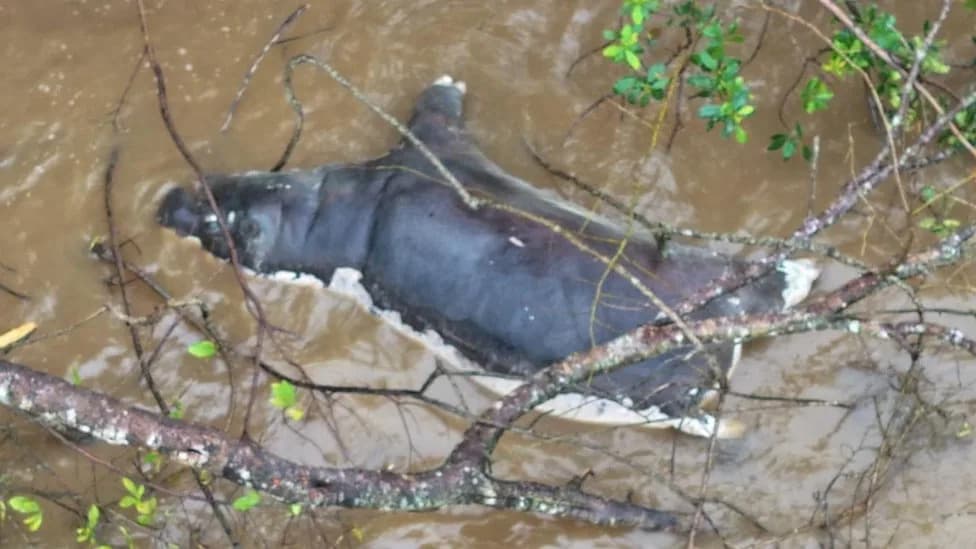
Anthrax mainly affects grazing animals and can lead to sudden death (file photo) [Reuters]
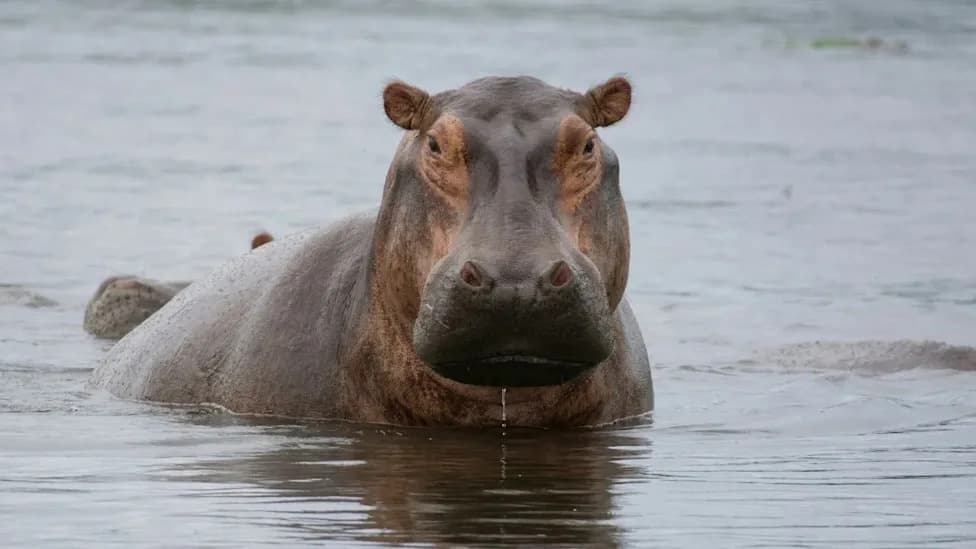
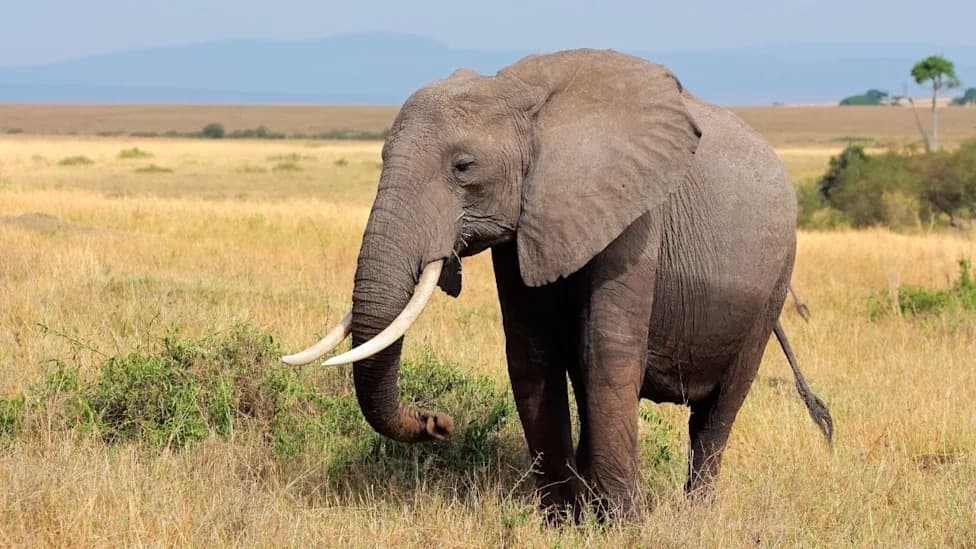
Authorities in Zambia have warned residents not to eat meat from wildlife after an anthrax outbreak in Muchinga province killed dozens of animals, including hippos, elephants, buffalo and a crocodile.
The Disaster Management and Mitigation Unit (DMMU) reported that 12 people were infected after consuming meat from animals found dead in the Munyamadzi River area. All infected individuals are receiving treatment and no human deaths have been reported so far.
What Happened
Since July, surveillance teams say 46 hippos, eight elephants, five buffalo and one crocodile have died in the Munyamadzi Game Management Area. Authorities have urged local communities to report any sudden wildlife deaths and to avoid handling, selling or consuming meat from animals that die unexpectedly or from unknown causes.

[BBC]
Norman Chipakupaku, National Coordinator at the DMMU, said: "The sad story about the deaths of this wildlife is that the carcasses ended up being eaten by the local people — that's what they depend on for their food."
Health Risks and Response
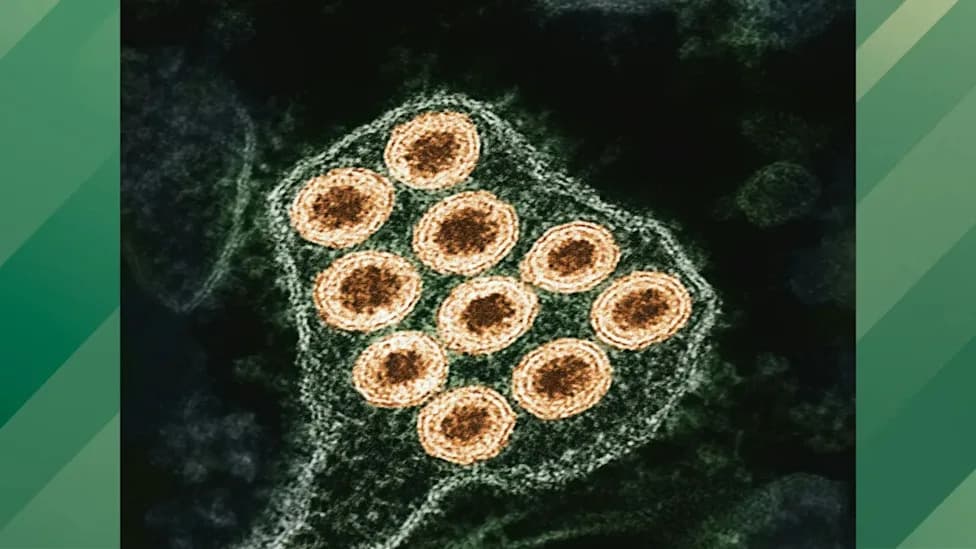
Anthrax is caused by the bacterium Bacillus anthracis, which can persist for years as spores in soil. Animals typically become infected through grazing contaminated pasture, and humans can contract the disease via contact with contaminated animal products, cuts and wounds, inhalation, or — less commonly — ingestion of infected meat. The disease often causes sudden death in grazing animals.
Authorities have suspended hunting in the affected area while surveillance and laboratory testing continue to determine the outbreak's geographical spread and risks. Officials are advising against handling carcasses and are working with veterinary and public health teams to contain the outbreak.
Background
Anthrax is endemic in parts of Zambia, but human fatalities are relatively rare. A major outbreak in 2023 was described as "unprecedented," killing four people and spreading to nine of the country's 10 provinces. In 2011, more than 500 cases were linked to infected hippos, and five people died after consuming contaminated meat.
Public health guidance emphasizes reporting sudden animal deaths, avoiding the consumption or sale of meat from animals that die mysteriously, and seeking immediate medical care if exposure or symptoms are suspected.
Help us improve.