A GPS study in Frontiers in Ethology challenges the long-held idea that hyenas simply follow lions to scavenge. Researchers collared 17 lions and 14 spotted hyenas across Etosha (Namibia) and Chobe–Linyanti (Botswana), recording positions every five minutes during active hours. Results show hyenas generally moved away from lions while male lions were more likely to approach; lionesses tended to hang back. Authors note sample-size and simultaneous-tracking limits but say the findings reveal how predators negotiate space and risk.
Documentaries Got It Wrong: GPS Study Shows Lions Often Track — Not Trail — Hyenas
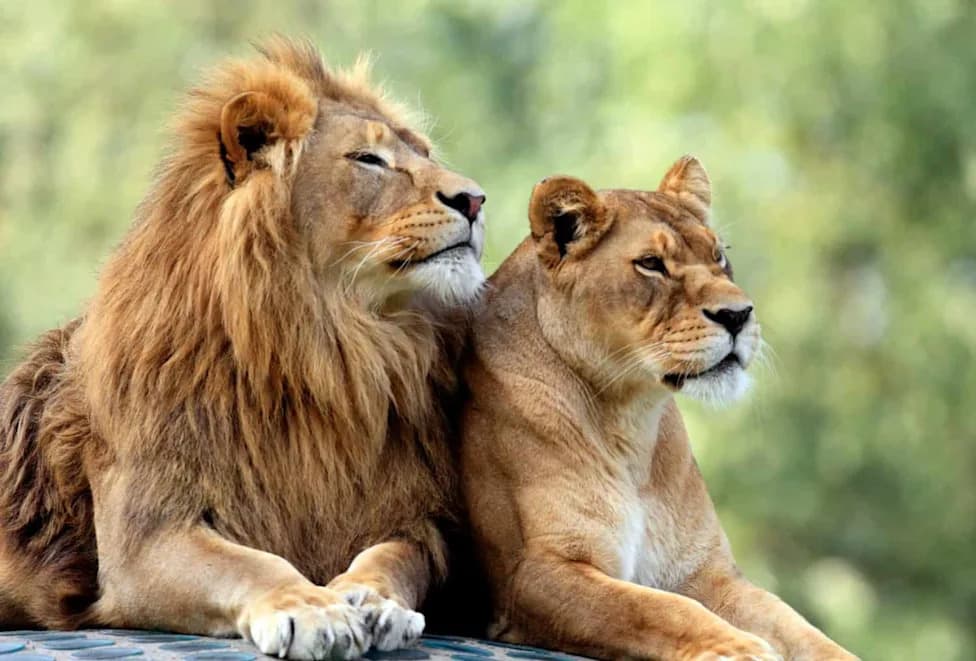
Pair of adult Lions in zoological garden© ArtMediaFactory/Shutterstock.com
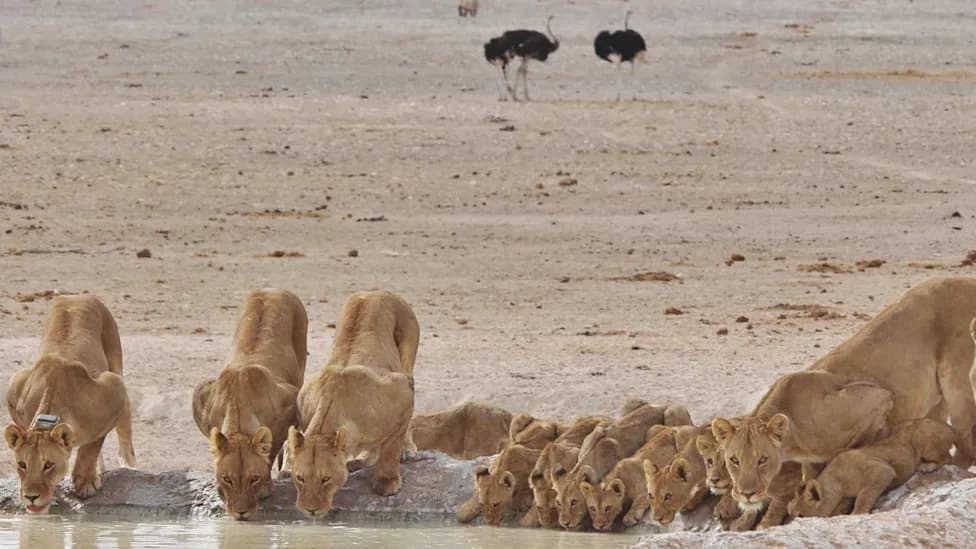
Nature documentaries have long portrayed a simple story: lions make the kill and hyenas swoop in to scavenge the leftovers. A new GPS-based study published in Frontiers in Ethology challenges that narrative, revealing a more complex relationship between these two iconic African predators.
High-Resolution Tracking Reveals Who Moves Toward Whom
Over four years, researchers fitted GPS collars to 17 lions and 14 spotted hyenas in Etosha National Park (Namibia) and the Chobe–Linyanti region (Botswana). The collars recorded locations every five minutes during peak activity periods — typically at dusk, dawn and through the night — allowing scientists to identify moments when individuals from both species occupied the same area and had simultaneous GPS fixes.
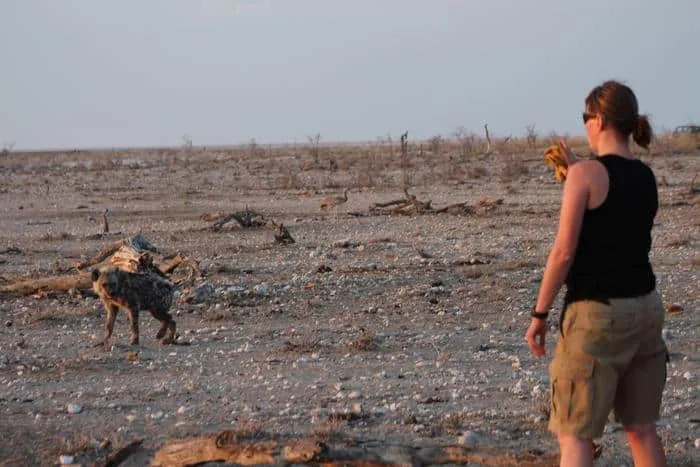
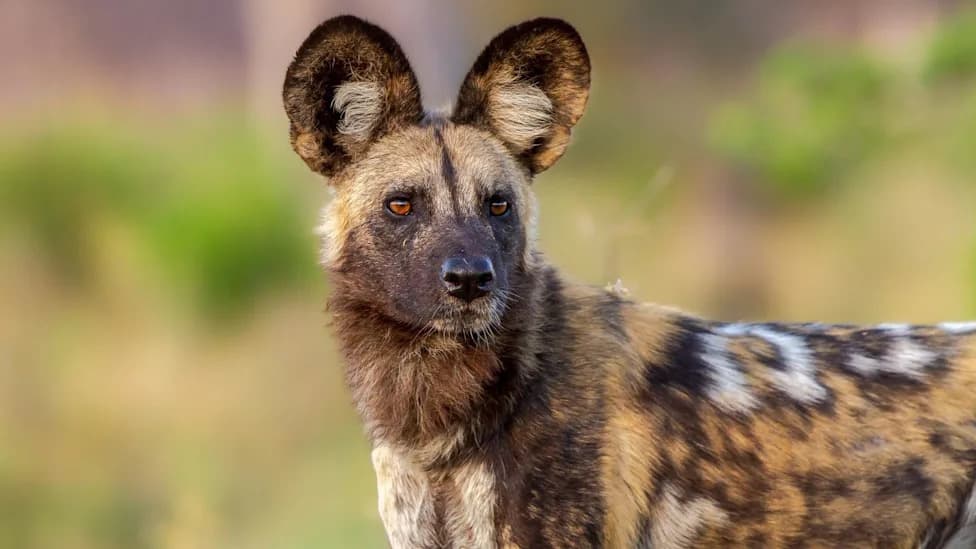
Dr. Nancy Barker interacts with a spotted hyena at Etosha National Park in Namibia.©Dr. Nancy Baker –Original/License
Key Findings
The movement data produced a consistent pattern: spotted hyenas usually moved away from lions, while lions — particularly adult males — tended to approach hyenas. In many cases, hyenas began to alter their path more than a mile away from an approaching lion, indicating a clear avoidance response. Female lions (lionesses) were less likely to pursue hyenas and often hung back when males advanced.
“Our GPS collar data shows that African lions and spotted hyenas leave a clear, measurable signature in the way they move around one another,” said Dr. Nancy Barker, lead author and researcher at the University of KwaZulu-Natal. “Spotted hyenas consistently move away from lions, while male lions tend to move toward hyenas.”
Context and Caveats
These results align with earlier observations that hyenas are wary of lions: previous research in Etosha found lions were responsible for roughly 71% of hyena deaths in that park. The study also reinforces that hyenas are not merely scavengers — spotted hyenas often secure most of their own food, with hunting accounting for a large share of their kills in many locations.
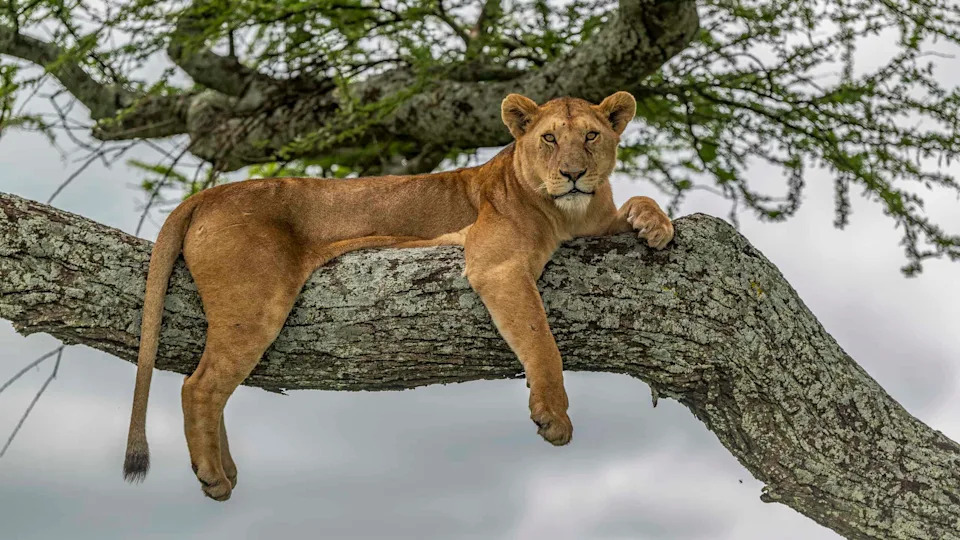
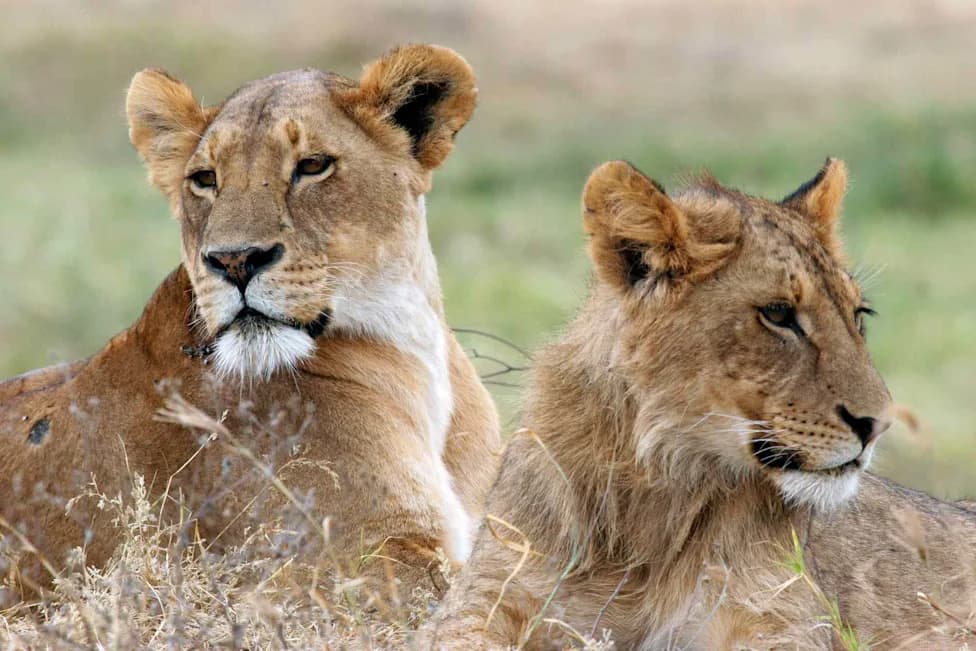
Female lions, called lionesses, tended to hang back and not pursue the hyenas.©iStock.com/Jennifer Watson
At the same time, the authors caution against overgeneralizing. Collaring and simultaneously tracking many large carnivores is logistically difficult; the sample size (17 lions, 14 hyenas) and the requirement for simultaneous GPS fixes limit the scope of inference. Barker stresses that some fine-scale sex- or age-related patterns should be interpreted as trends rather than definitive conclusions.
Why This Matters
By quantifying movement interactions at high temporal resolution, the study reframes how researchers think about predator interactions and space use. Rather than a one-way scavenging relationship, lions and hyenas appear to actively negotiate space and risk — with male lions often driving encounters and hyenas avoiding conflict when possible. The authors hope to extend this approach to other members of the carnivore community to link movement patterns to survival and reproductive outcomes.
Overall, the research underscores that predator behavior is dynamic and context-dependent — and that technology like GPS tracking can reveal subtle but important patterns missed by traditional observation.
Help us improve.