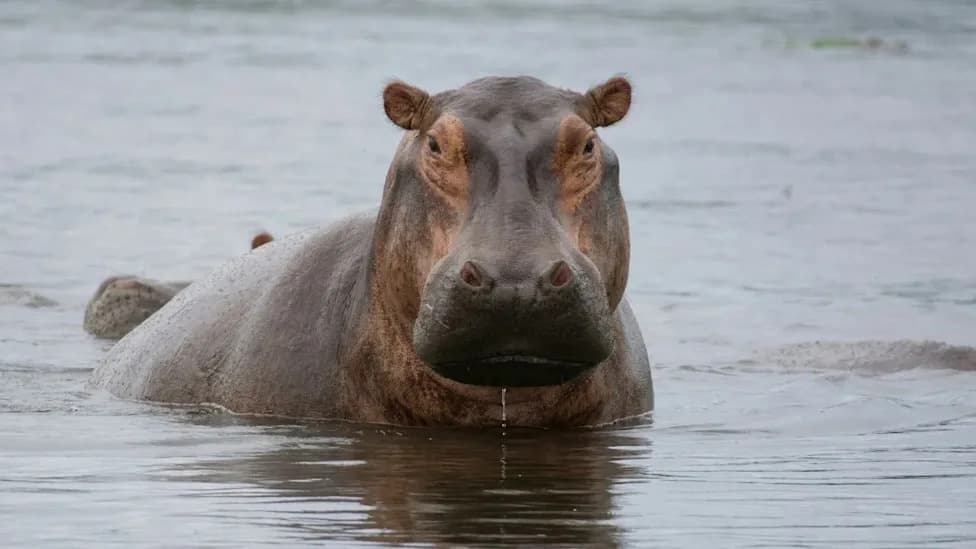
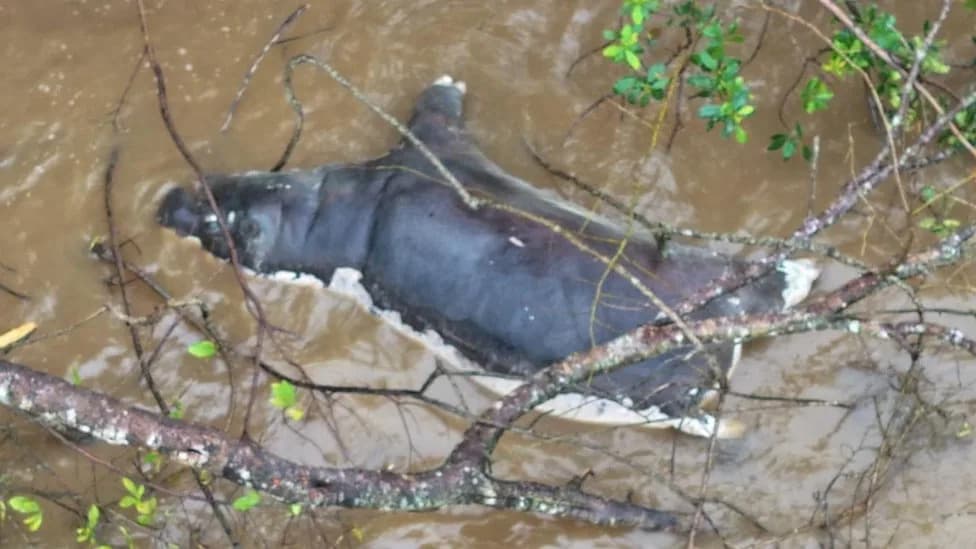
Ten lions were found dead on Sept. 18 in the Ndutu area of Tanzania's Ngorongoro Conservation Area, and preliminary examinations suggest poisoning. The NCAA has launched an expert investigation and has not yet identified a motive or suspects. Ngorongoro is a UNESCO World Heritage site that supports roughly 25,000 large animals and one of the densest lion populations, and the area is marked by rising human-wildlife tensions. The incident follows a wider rise in suspected poisoning events across East Africa, a threat that endangers predators and scavengers through contaminated carcasses.
Suspected Poisoning Kills Ten Lions in Tanzania’s Ngorongoro — Investigators Probe Deliberate Act
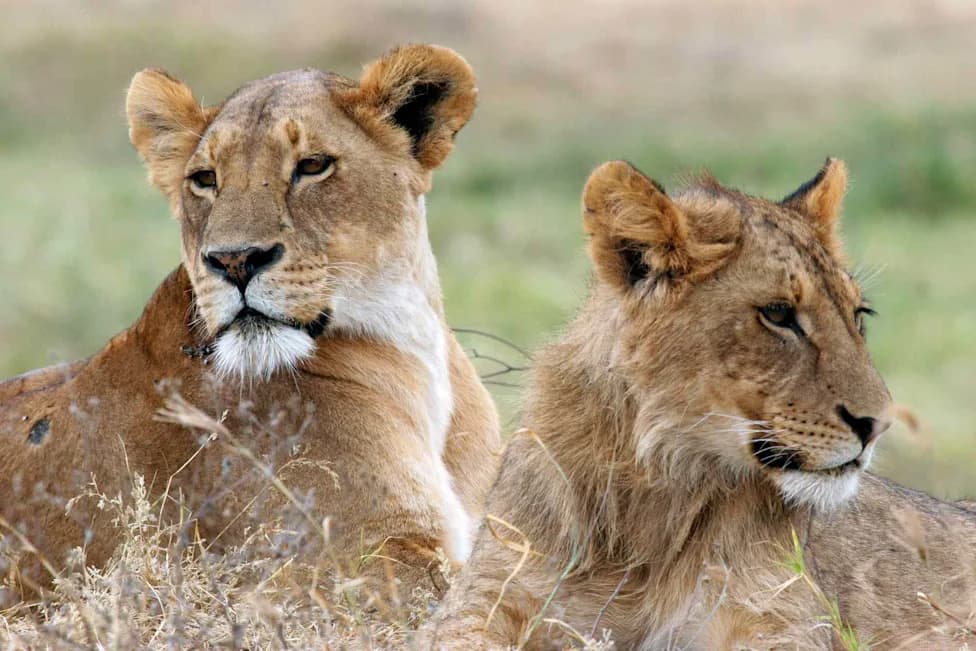
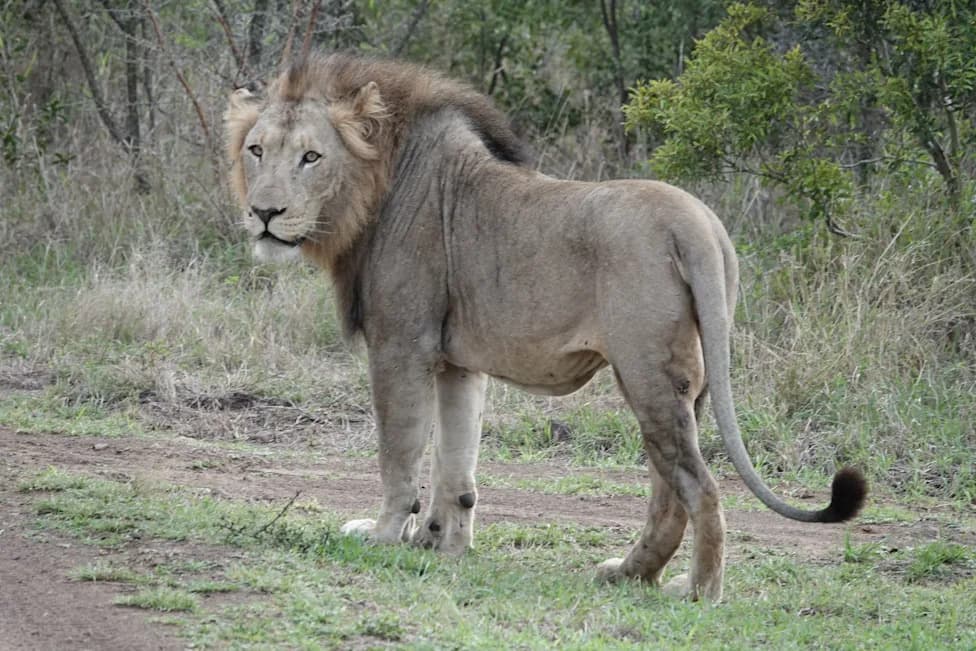
Lioness and young male lion (Panthera leo) resting on the savanna, Ngorongoro crater, Tanzania, East AfricaCredit: Arterra/Universal Images Group via Getty
On Sept. 18, ten lions were discovered dead in the Ndutu area of Tanzania's Ngorongoro Conservation Area. The Ngorongoro Conservation Area Authority (NCAA) reported that initial examinations indicate the animals may have died after ingesting poison, and a team of experts has launched a detailed investigation to determine the cause and identify those responsible.
What Officials Say
The NCAA said it regrets to inform the public of the deaths and that laboratory and field examinations are ongoing. At this stage, investigators have not named any suspects or motives, and they will release additional findings when the probe concludes.
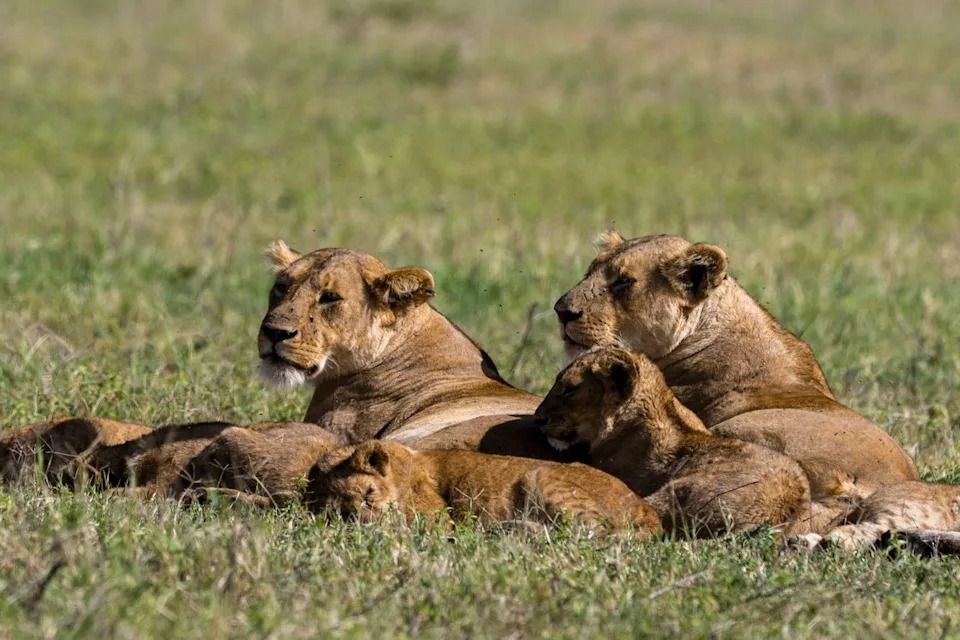
Lions (Panthera leo), Ngorongoro crater, Ngorongoro Conservation Area, Serengeti, Tanzania.Credit: Sergio Pitamitz / VWPics/Universal Images Group via Getty
Why This Is Significant
The Ngorongoro Conservation Area, centered on a massive volcanic caldera and protected as a UNESCO World Heritage site, supports roughly 25,000 large animals and hosts one of the densest lion populations in the world. The loss of ten adult lions is therefore a major blow to the local ecosystem and to conservation efforts in the region.
Human-Wildlife Coexistence And Rising Tensions
Ngorongoro is unusual among reserves because people and wildlife share the same landscape. Semi-nomadic Maasai pastoralists live and graze cattle inside the conservation area, using many of the same ranges as predators. That coexistence has become increasingly strained over decades as the human population within Ngorongoro has grown from about 8,000 in 1959 to more than 100,000 today. Tensions escalated further after a government eviction program that began in 2022, which at times turned deadly.
Regional Pattern Of Poisoning
This incident echoes a troubling trend across East Africa. Since June, at least 20 elephants in Kenya's Amboseli ecosystem have died from suspected pesticide poisoning, and earlier cases included elephants sickened after eating tomatoes thought to have been laced with cyanide. Conservationists warn that poisons are an especially insidious threat because a single contaminated carcass can kill not only the intended target but also predators and scavengers that feed on it afterward.
Investigation Underway. For now, the fate of the ten Ngorongoro lions rests with investigators. Authorities say there are no confirmed leads as laboratory results and field inquiries continue.
Help us improve.