Russia's strengthened Duma and sustained military messaging indicate Moscow is unlikely to halt its full-scale invasion of Ukraine. Russian officials point to Ukrainian shortages in air-defence missiles and escalating strikes this winter. Meanwhile, the Kremlin is accused of running a hybrid "grey zone" campaign across Europe, and hawkish commentators warn of severe escalation if Western support for Kyiv continues.
Putin Doubles Down on Ukraine — Signals Point to Continued War and Stark Warnings to Europe
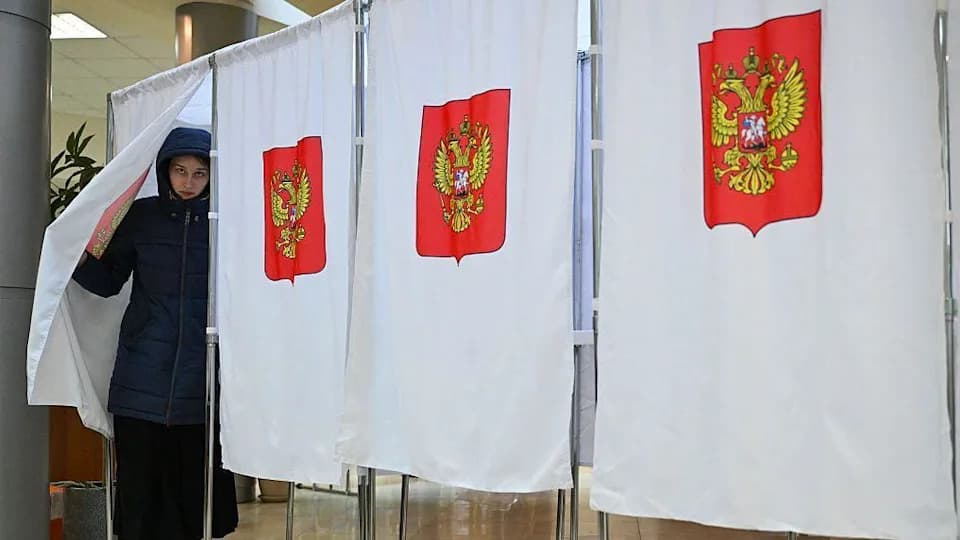
Russia's parliamentary vote in September was tightly controlled by the Kremlin and saw more United Russia MPs elected than ever before [AFP via Getty Images]
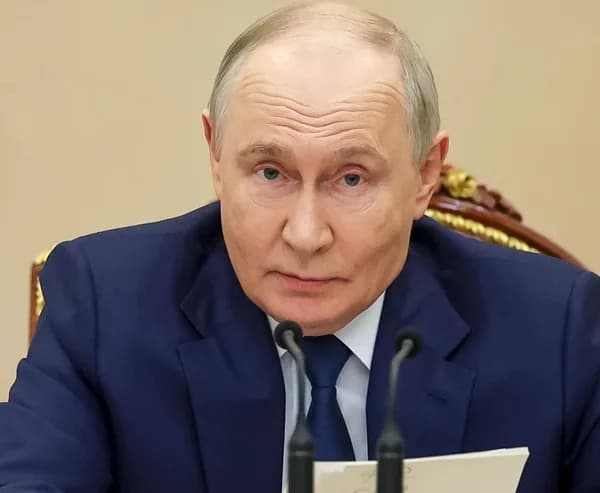
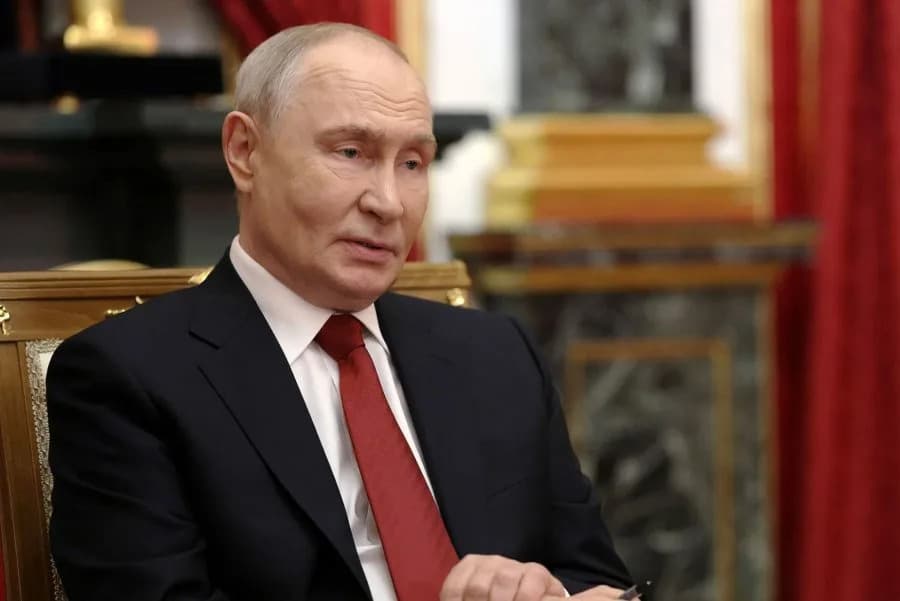
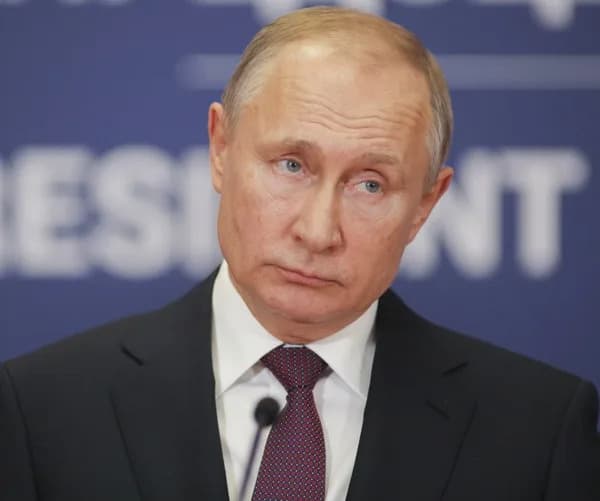
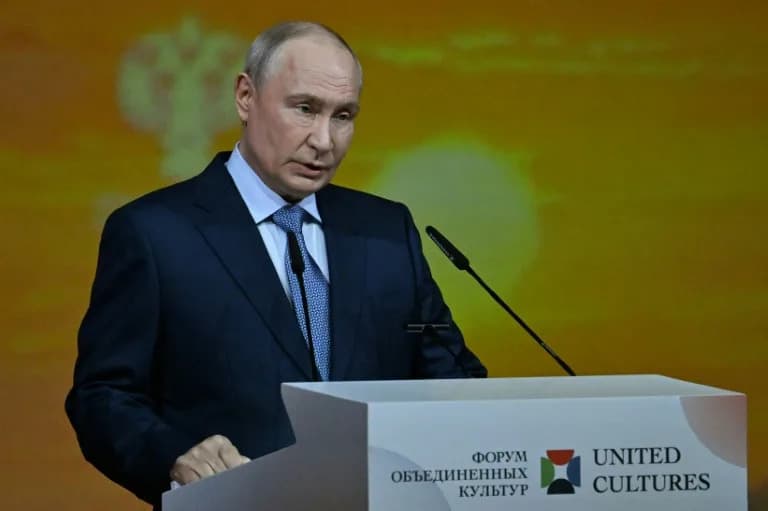
When Vladimir Putin addressed the State Duma this week, he did so from a stronger parliamentary position than ever: last month's tightly managed election increased United Russia's majority, allowing the Kremlin to claim a broad domestic mandate. But the central question remains—what will be done with that mandate?
All available signals suggest Moscow is preparing to press on with its full-scale invasion of Ukraine rather than seek a negotiated halt. Political consolidation at home, sustained military messaging, and increasingly aggressive diplomatic rhetoric all point toward continued operations on the battlefield and efforts to weaken European support for Kyiv.
Political Consolidation
Russia's enlarged pro-Kremlin Duma provides President Putin with a smoother legislative path for wartime measures and domestic policies tied to the conflict. The Kremlin will likely use this strengthened position to justify ongoing military spending and political controls framed as necessary for national security.
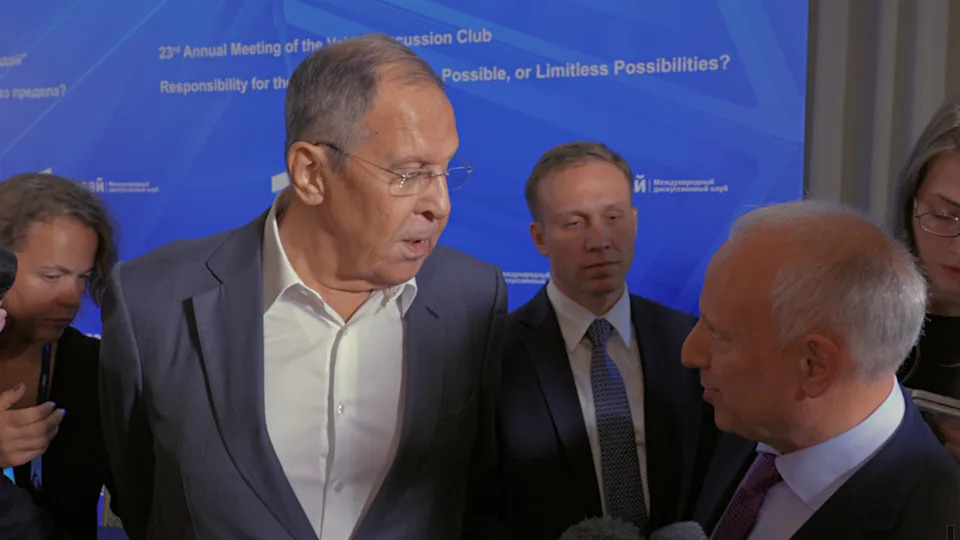
"This is a war Europe is waging against us": Sergei Lavrov speaks to the BBC [BBC]
Military Posture and Winter Campaigning
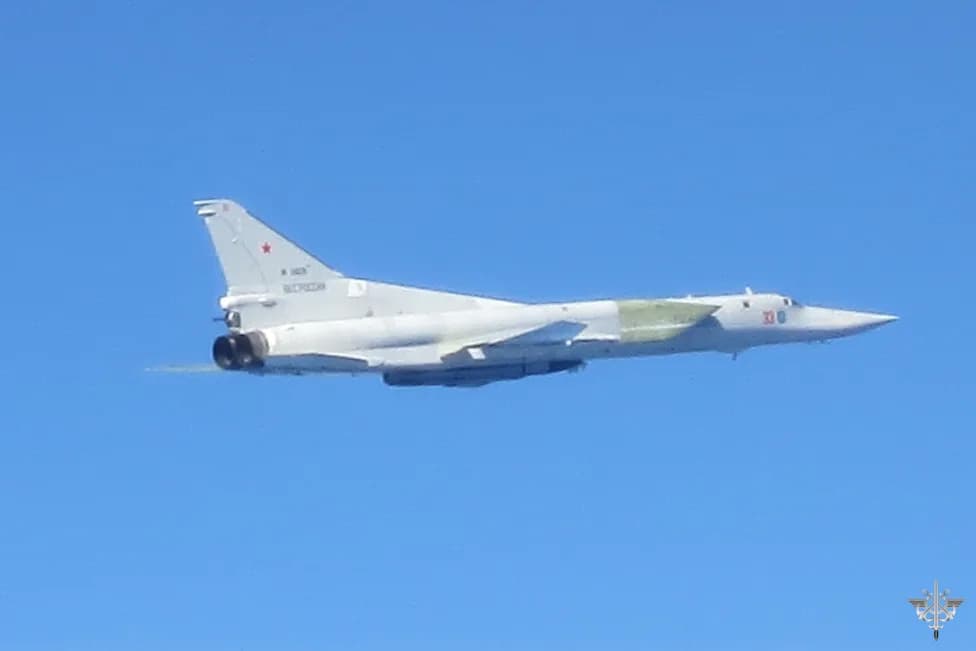
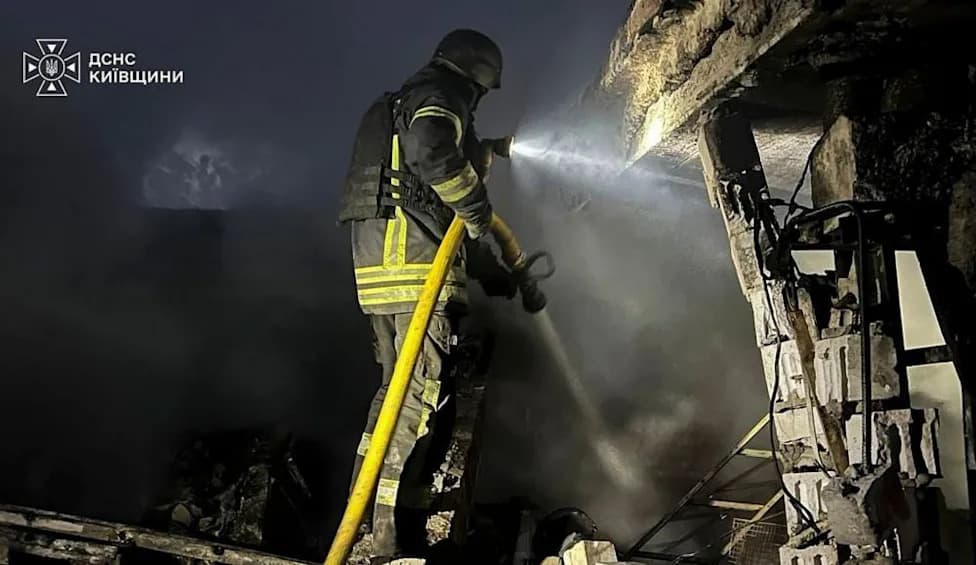
Russian officials and state media suggest Moscow sees opportunities this winter as Kyiv faces shortages of air-defence missiles and difficulty intercepting ballistic missiles and a new generation of jet-powered attack drones. Kyiv has reported persistent daily strikes, and both sides anticipate intensified operations during the cold months.
Hybrid Campaigns in Europe
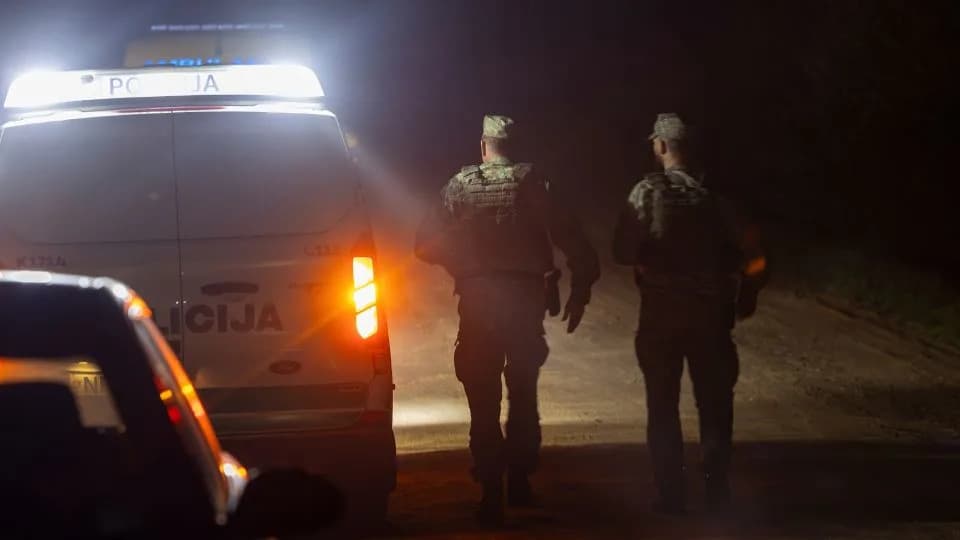
Western governments accuse Russia of a widening "grey zone" campaign across Europe — cyber-attacks, acts of sabotage and incursions by drones into European airspace. Security services point to incidents such as the discovery of an explosive-carrying drone near Ukrainian cargo aircraft at Leipzig airport as evidence Moscow is trying to unsettle capitals that support Kyiv.
Hawkish Voices and Escalation Rhetoric
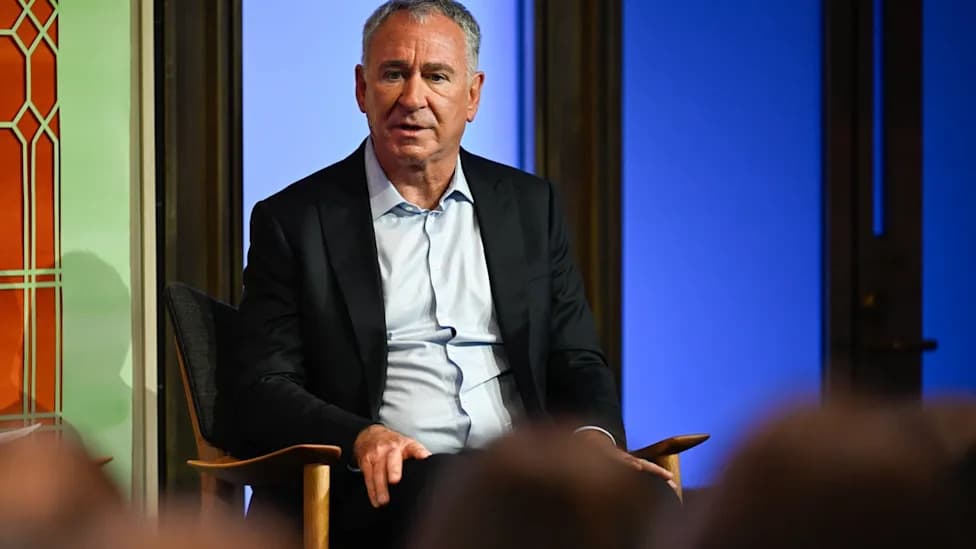
Influential figures in Russia's foreign-policy establishment are amplifying warnings of escalation if Europe continues to back Ukraine. Sergei Karaganov, honorary chairman of Russia's Council for Foreign and Defence Policy, said that initial blows would be conventional but suggested nuclear options if Europe did not "surrender." His comments underline a thread of extreme rhetoric that Moscow uses to attempt to intimidate Western publics and policymakers.
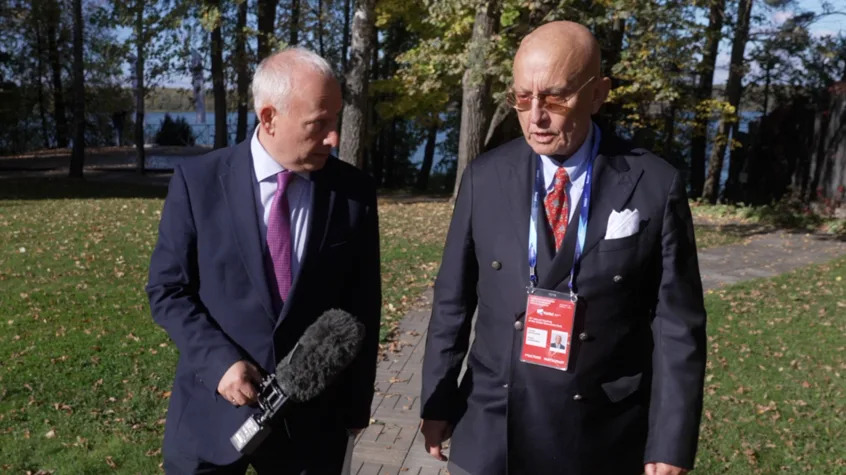
Sergei Karaganov (R) says Russia will "have to go nuclear" if Europe keeps helping Ukraine [BBC]
"According to my scenarios, the first series of blows will be conventional. But if Europe does not surrender, unfortunately, we will have to go nuclear," — Sergei Karaganov.
Official Narrative and Justifications
Russia's diplomatic messaging, led by Foreign Minister Sergei Lavrov, frames Western assistance to Ukraine as effectively turning the conflict into a "European war against us." Lavrov defends Russian strikes as action against infrastructure used by what Moscow describes as a "neo-Nazi" regime backed by the West — a justification widely rejected by independent observers.
"If you admit your weapons are being used to strike us and we destroy them, call it whatever you want. But I have no doubt this is a war Europe is waging against us," — Sergei Lavrov, to the BBC.
What This Means
Taken together, the strengthened parliamentary majority, persistent military operations, public warnings from hawkish strategists, and a clear narrative aimed at delegitimising Western support indicate Moscow is not preparing to stop fighting. Instead, the Kremlin appears focused on eroding European resolve and preparing for further pressure campaigns this winter.
While a direct conventional attack on a NATO member remains unlikely given the state of Russian forces, the risk of intensified hybrid actions aimed at intimidating European publics and policymakers is real. The international community must weigh both the battlefield dynamics in Ukraine and the broader security implications for Europe.
Help us improve.