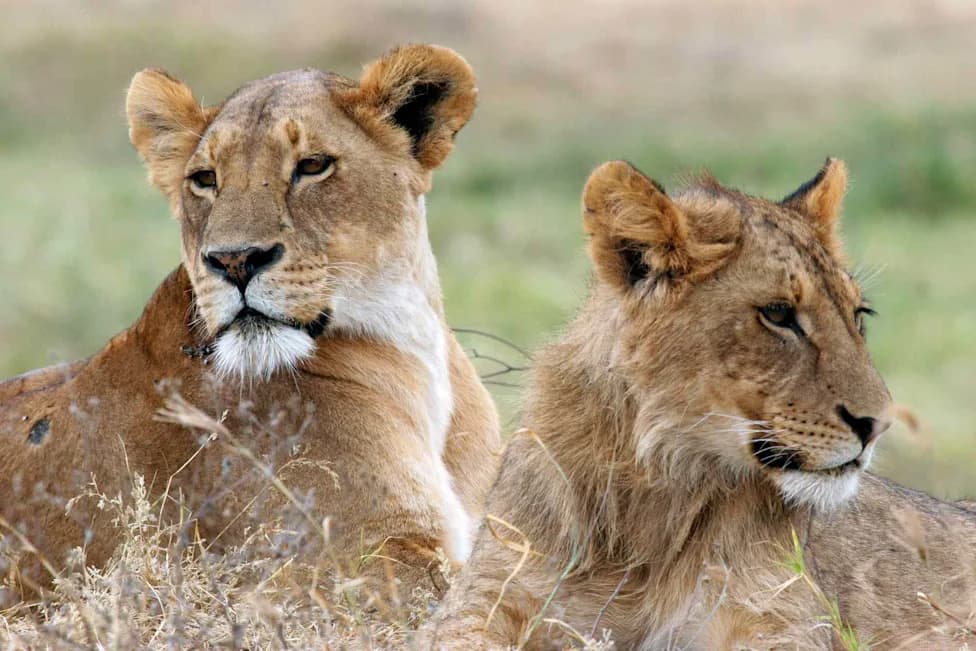
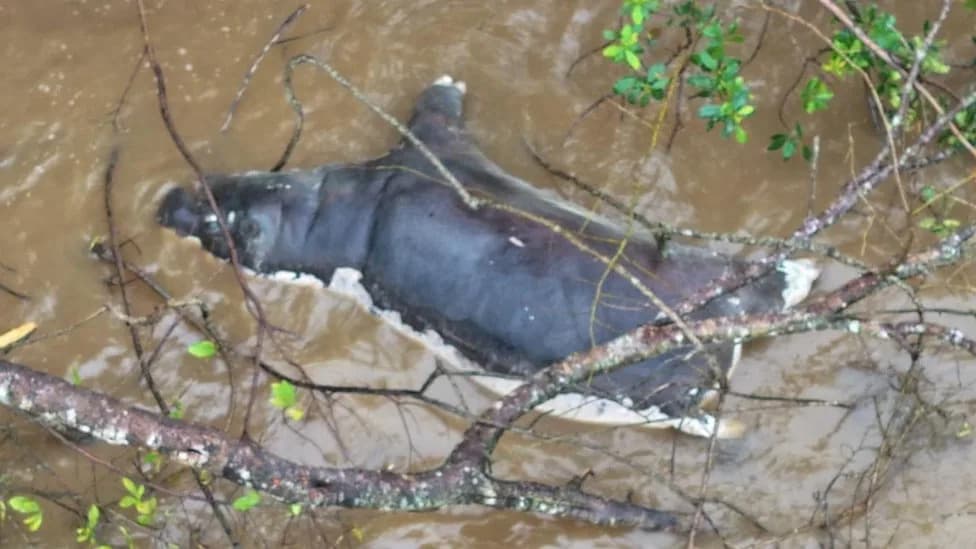
Authorities say ten lions were found dead in the Ndutu sector of Tanzania's Ngorongoro Conservation Area and preliminary tests point to poisoning. The Ngorongoro Conservation Area Authority has launched a full investigation and a manhunt for those responsible. Officials and conservationists say the incident highlights growing human-wildlife tensions driven by habitat loss and competition for water and grazing in this UNESCO World Heritage Site.
Ten Lions Found Dead in Suspected Poisoning at Tanzania's Ngorongoro — Authorities Launch Manhunt
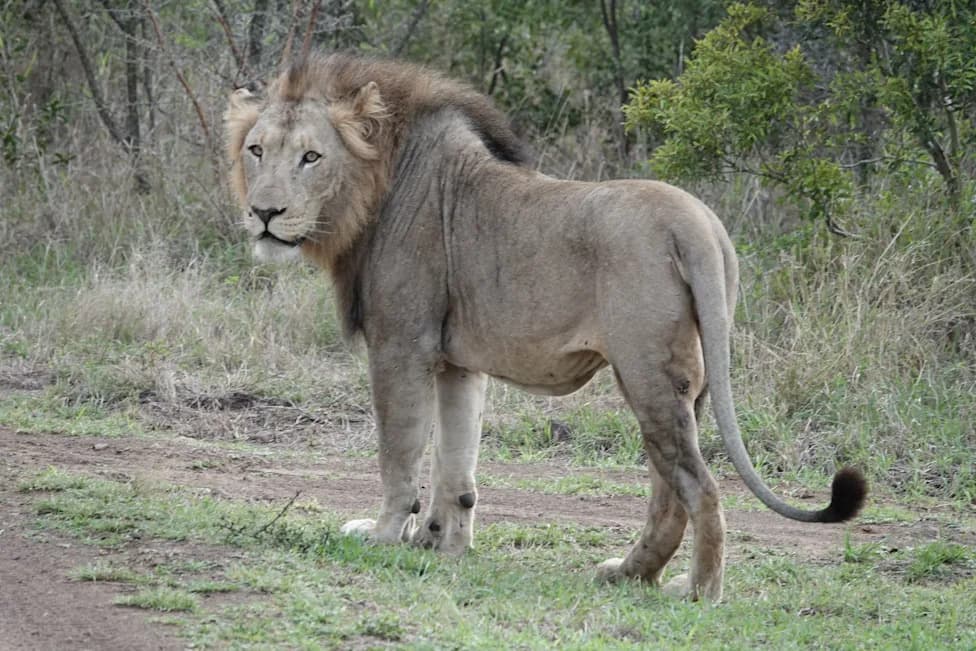
FILE PHOTO - A lion in Phinda Nature Reserve in KwaZulu-Natal, South Africa. (is associated with: «Ten lions found dead in suspected poisoning at Tanzania safari area») Kristin Palitza/dpa
Ten lions were discovered dead in Tanzania's Ngorongoro Conservation Area, and preliminary investigations indicate the animals were poisoned, authorities said.
The carcasses were found in the Ndutu sector of the park, the Ngorongoro Conservation Area Authority (NCAA) said. NCAA officials have opened a full criminal inquiry and launched a manhunt to identify and apprehend those responsible.
Investigation and Local Impact
Forensic teams are conducting tests to confirm the cause of death and determine how the poison was delivered. The NCAA said investigators are also working with local law enforcement and conservation partners to gather evidence and prevent further incidents.
Wider Context
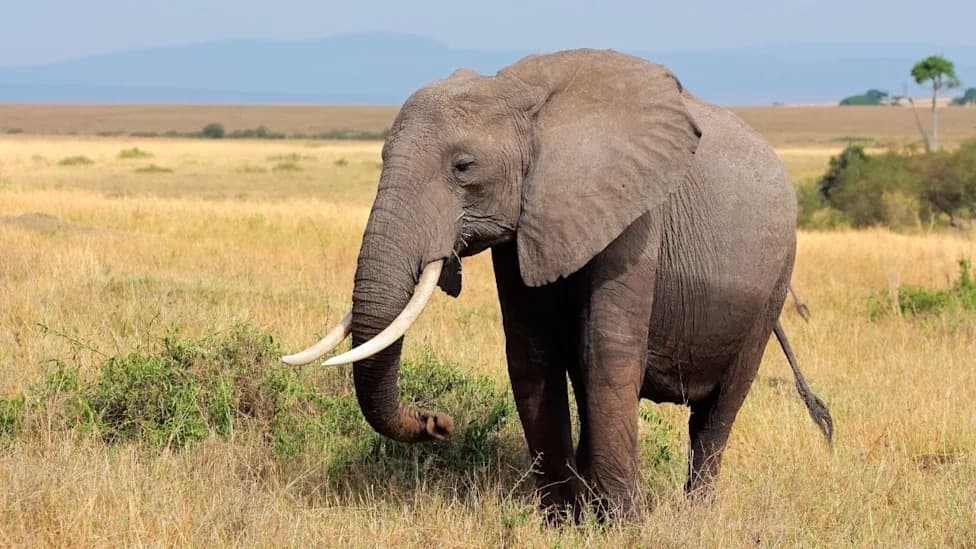
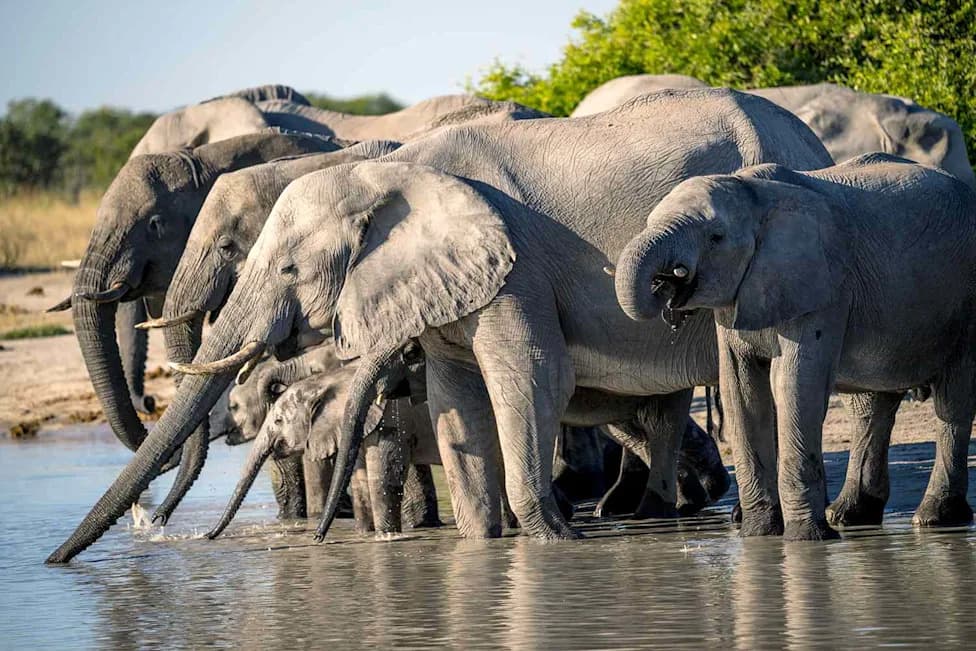
Human-wildlife conflict is common in and around protected areas in Tanzania and across Africa. Predators such as lions are sometimes killed in retaliation after livestock attacks, while elephants and other species can damage crops and property when they move into farmland. These tensions are compounded by habitat loss and increasing competition for scarce waterholes and grazing land.
Ngorongoro — a UNESCO World Heritage Site — is also home to the Maasai people, who traditionally graze livestock in the area. Conservationists warn that incidents like this threaten biodiversity, the well-being of local communities and the region's tourism economy.
Authorities Appeal: NCAA urges anyone with information to come forward to assist the investigation. Conservation groups also called for stronger measures to reduce human-wildlife conflict and protect both people and animals.
Help us improve.