Naserian, a GPS-tracked giant pangolin in Kenya's Nyekweri Forest, was electrocuted after contacting an electrified fence, exposing a growing threat for an already endangered species. Since 2022 researchers recorded 15 local deaths, 14 from electrocution, with fewer than 30 giant pangolins believed to remain in Kenya. Conservationists are working with landowners to modify fences, educate communities and secure more than 14,800 acres under conservation easement to protect habitat and wider ecosystems.
Naserian the Giant Pangolin Was Tracked — Then Killed by an Electrified Fence
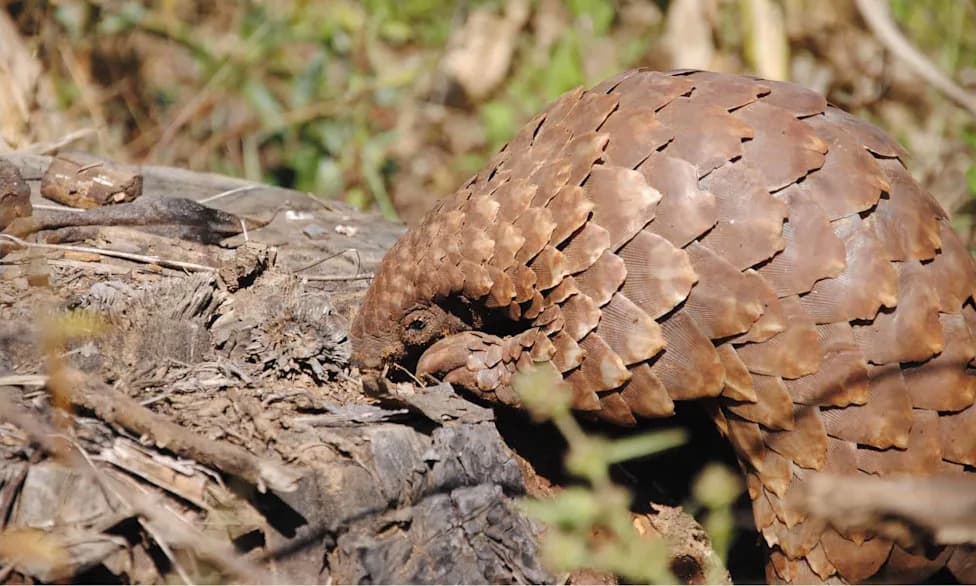
pangolin© Gemma Campling/Shutterstock.com
Naserian, a GPS-tagged giant ground pangolin living in Kenya's Nyekweri Forest, was fatally electrocuted after encountering a live wire on private farmland. Her death highlights a fast-growing threat to an already endangered species as once-connected habitats are carved into fenced parcels.
A Species Under Pressure
The giant pangolin (Smutsia gigantea) is the largest of the eight pangolin species. Males measure roughly 54 to 71 inches and females about 44 to 54 inches. These nocturnal, insectivorous mammals have reddish-brown scales, long snouts, oversized claws and heavy tails. They lack teeth and feed by tearing open termite mounds and anthills, using a long tongue to consume thousands of insects each night. Unlike many Asian pangolins, giant pangolins often move bipedally, balancing on their hind legs with forelegs and tail held aloft.
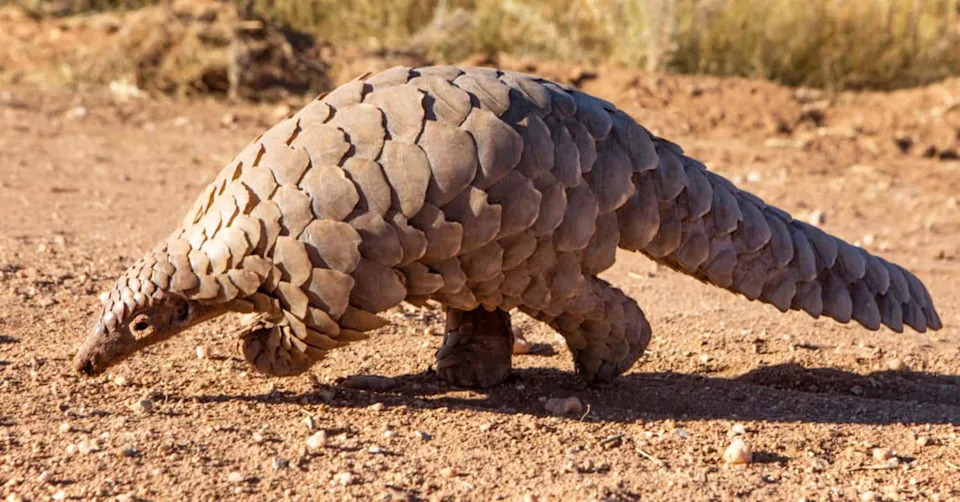
This species is endangered, and its population is increasingly threatened by electric fences in places like Kenya.©TRANDUYLONG/Shutterstock.com
The Quiet Danger of Electric Fences
Poaching for scales and meat has long threatened pangolins worldwide, but in parts of Kenya a new and largely invisible killer has emerged: electrified fencing. Since 2022, researchers monitoring the population near the Maasai Mara National Reserve have recorded 15 giant pangolin deaths in the region, 14 of them from electrocution. With fewer than 30 giant pangolins believed to remain in Kenya, each loss has a disproportionate impact on the species' survival in the country.
Michael Koskei, The Pangolin Project's conservation monitoring and data manager, warns that land change is outpacing animals ability to adapt: A woodland block that seemed secure just a few months earlier can disappear within a week. Trees are cut, charcoal is burned, land is subdivided among heirs, and fencing follows almost immediately.
Tracking data reveal that tagged pangolins regularly cross multiple privately owned parcels crisscrossed by roughly 268 kilometers (167 miles) of electrified wire. Fences intended to define property and protect livestock have become deadly obstacles for wildlife that still use traditional movement corridors.
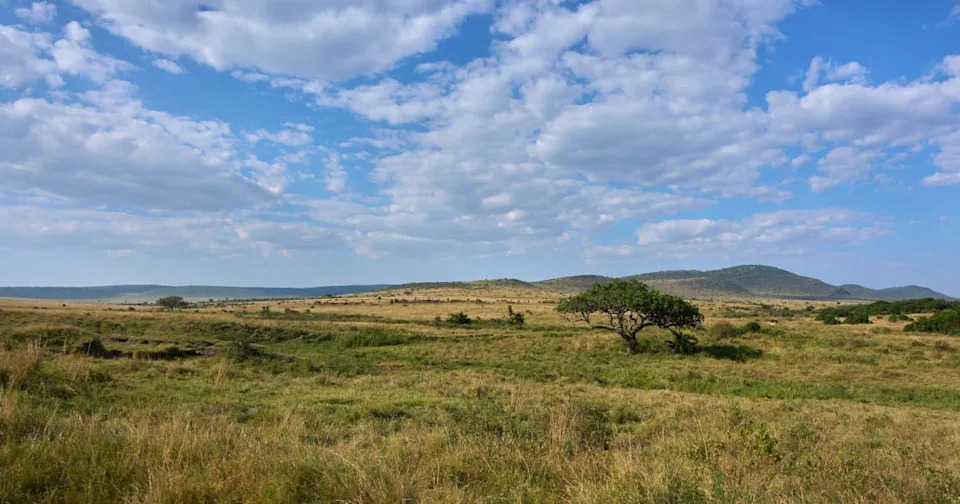
Various incentives have helped place 14,800 acres under conservation easements in areas surrounding Kenya's Maasai Mara Reserve.©Arakawa27/Shutterstock.com
Community Solutions and Conservation Progress
Rather than demanding blanket fence removal, conservation groups are working with local landowners on education and practical mitigation. Outreach explains that pangolins do not threaten crops and highlights their role controlling termites and ants. Farmers like Ole Manguyo have responded by reducing fenced areas and leaving lower wires unpowered so pangolins can pass underneath safely.
Financial incentives have also helped. More than 14,800 acres near the Maasai Mara have been placed under conservation easements, where families are paid to conserve existing forest. These protections benefit entire ecosystems that store carbon, protect water supplies and support local livelihoods.
Beryl Makori, chief program officer at The Pangolin Project, emphasizes the broader stakes: If we lose the remaining forest, we lose much more than pangolins. We lose an entire ecosystem that stores carbon, protects water sources, supports countless other species, and sustains local livelihoods. Protecting pangolins means protecting the forest itself.
Naserian's death underscores the urgency of landscape-level planning, safer fencing practices and continued community collaboration. Monitoring and local mitigation have reduced risk in some places, but without broader policy changes and wider adoption of wildlife-friendly fencing, conservationists warn that Kenya's remaining giant pangolins face an increasingly perilous future.
Help us improve.