Russia warned NATO in a written message that it could use "all its arsenal, including nuclear weapons" to defend Kaliningrad if the exclave were isolated. Russian embassies in Europe repeated claims that NATO planned an air and naval blockade; NATO denounced the threat and said its activities are defensive. Kaliningrad hosts significant Russian military assets, including Iskander missiles, and NATO has increased exercises in the Baltic amid concerns about Russian hybrid tactics.
Russia Tells NATO It Could Use Nuclear Weapons If Kaliningrad Is Isolated — Alliance Condemns Rhetoric
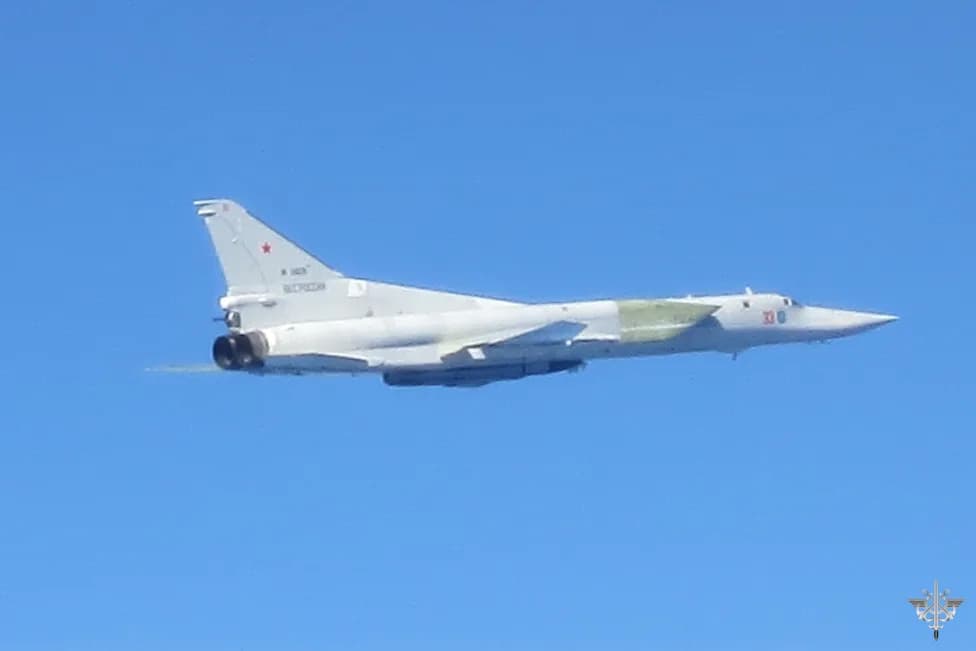
FILE - In this photo provided by the French Army on April 20, 2026, a Russian supersonic Tu-22M3 strategic bomber flies over the Baltic Sea. (Etat-Major des Armees via AP, File)(Etat-Major des Armées via AP)
Russia delivered a written warning to NATO saying it would not hesitate to use "all its arsenal, including nuclear weapons" to defend the western exclave of Kaliningrad if alliance members attempted to isolate it from the Russian mainland, according to statements released by Russian diplomatic missions and confirmed by NATO.
What Was Said
Several Russian embassies in Europe — including missions in the U.K., Ireland and Belgium — published notices this week claiming Moscow has "information that NATO is preparing (an) air and naval blockade of Kaliningrad and Kaliningrad region." The embassy in Ireland added:
"There should be no mistake — Russia would be ready to use all its arsenal, including nuclear weapons, to defend its territory if NATO countries try to isolate Kaliningrad region from the rest of the country."
NATO's Response
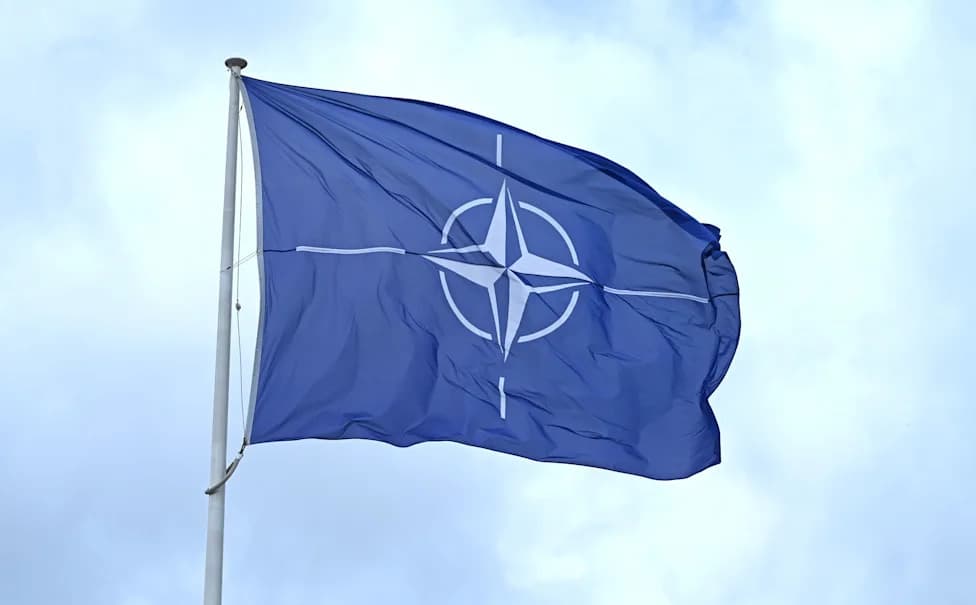
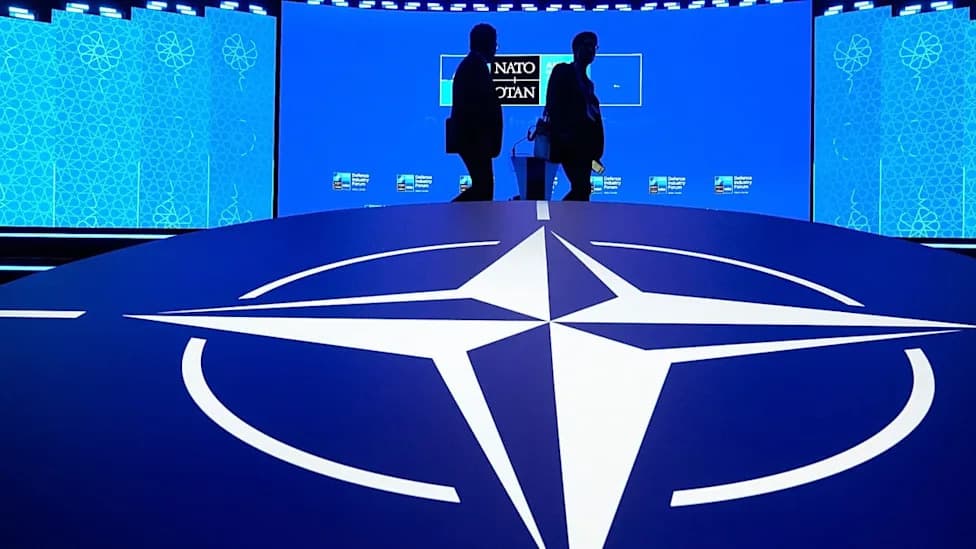
NATO spokesperson Allison Hart confirmed that Russia sent a written message to the alliance and strongly denounced the threat of force, calling the nuclear rhetoric irresponsible. She said NATO replied by reiterating that it is a defensive alliance and that its activities and exercises are not aimed at any part of Russia.
Military Context
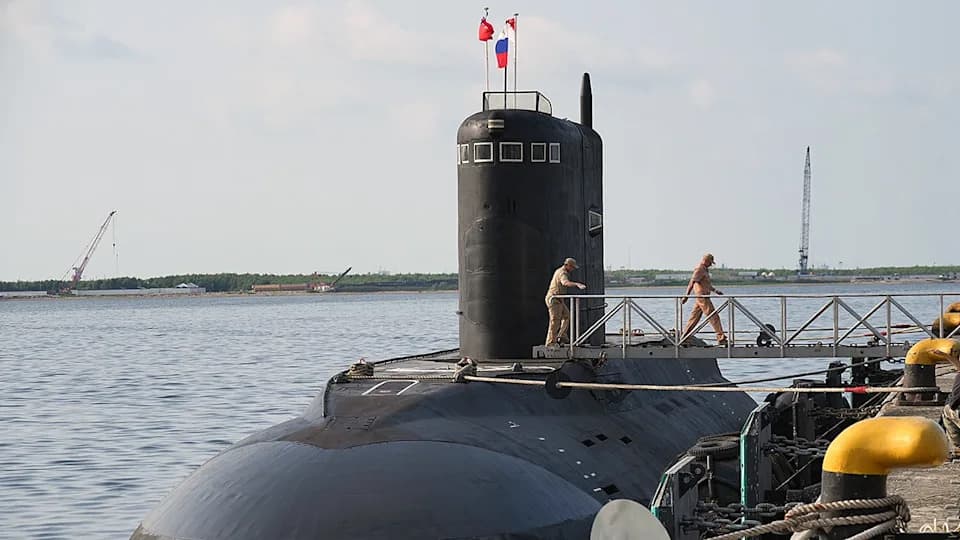
Kaliningrad is a Russian exclave on the Baltic Sea sandwiched between NATO members Poland and Lithuania. It hosts Russia's principal Baltic naval base and other military infrastructure; Russian forces have also deployed Iskander missiles there, which are capable of carrying conventional or, in theory, nuclear warheads.
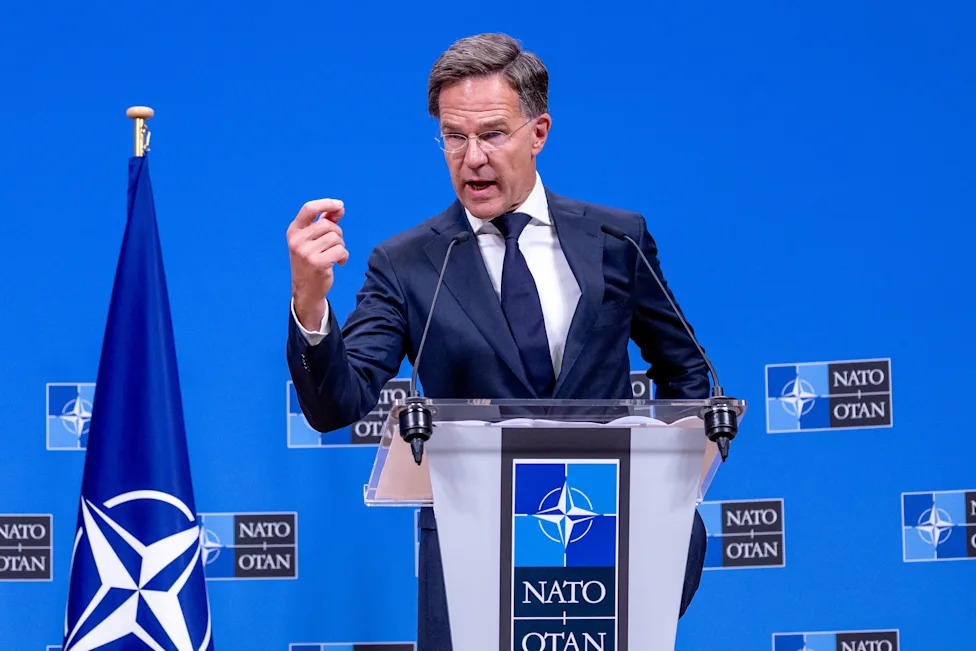
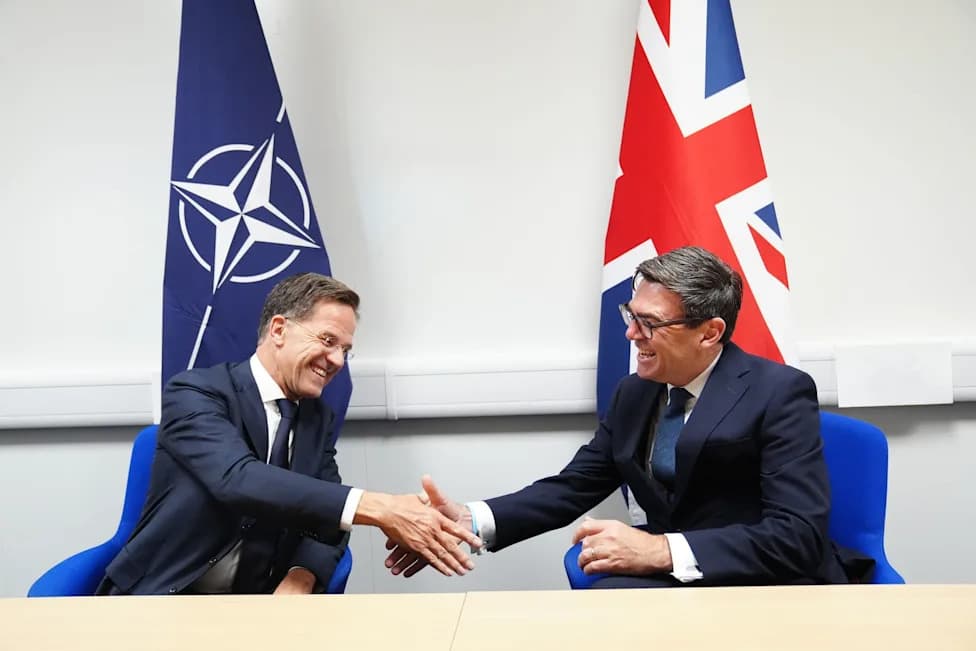
NATO Secretary General Mark Rutte gestures as he speaks during a joint press conference with Lithuanian Prime Minister Mindaugas Sinkevicius at NATO headquarters in Brussels, Tuesday, Sept. 29, 2026. (AP Photo/Omar Havana)(AP Photo/Omar Havana)
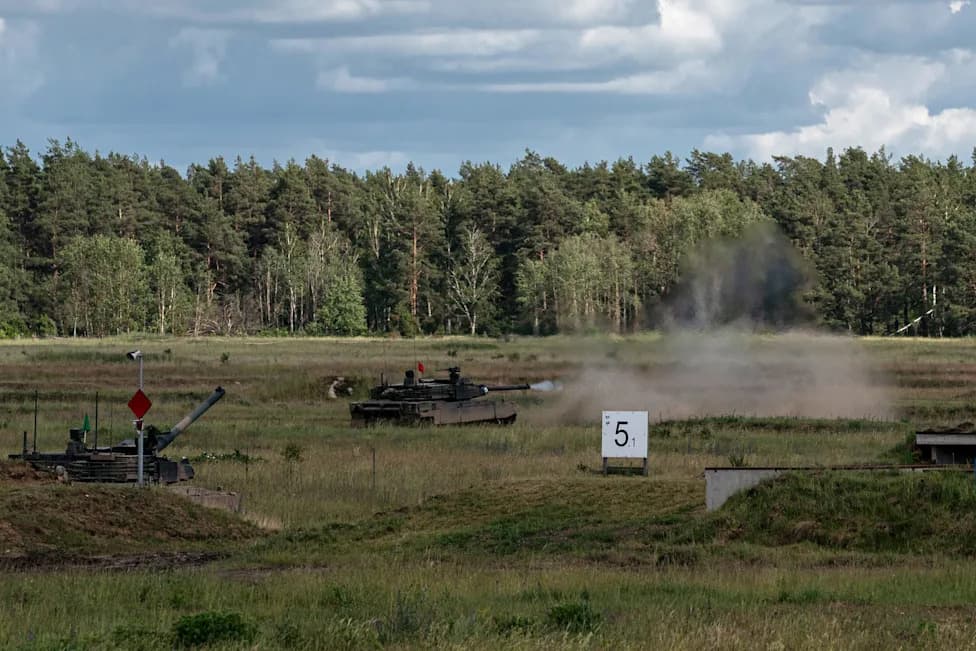
Western military officials have long said that key installations in Kaliningrad would be among the first targets if Russia were to attack a NATO ally. In recent months, NATO allies have stepped up exercises in the Baltic Sea region and launched operations such as "Operation Baltic Sentry" to protect undersea cables and pipelines.
Political Reactions and Risks
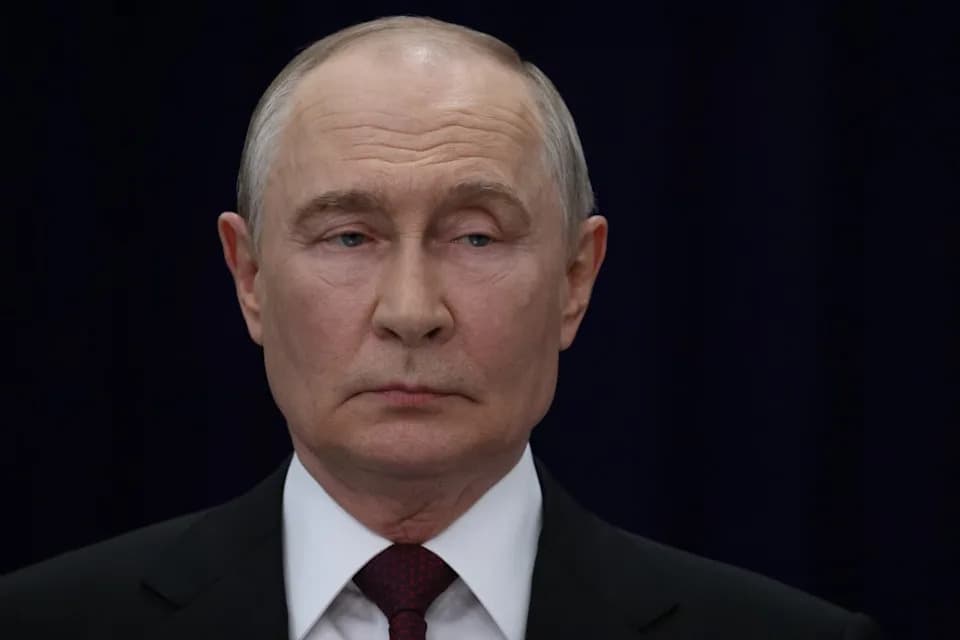
Kremlin spokesman Dmitry Peskov accused Poland and other European governments of provocative statements about Kaliningrad and said Russian diplomats were reminding European audiences of Moscow's policy documents on the matter. European leaders and intelligence services have warned of an intensifying Russian hybrid campaign and say Moscow could be capable of striking beyond Ukraine if it believes doing so serves its objectives.
NATO and many Western officials describe Russia's recent threats and hybrid tactics as signs of escalation or desperation, but say they remain committed to defending allied territory and supporting Ukraine.
What This Means
The exchange underscores the volatility of the Baltic region and the acute risks inherent when military posturing and nuclear rhetoric converge. While Russia's warning increases tensions, NATO maintains it is not seeking confrontation and emphasizes collective defense.
Help us improve.