Panthera deployed 300+ custom camera traps across western Tanzania, collecting more than 150,000 images that reveal rare species records and concerning conservation signals. The survey captured Tanzania's first documented "servaline" servals and recorded aardwolves, bat-eared foxes and springhares in the region. Photos also show declining lion numbers in the Luganzo-Tongwe and Ugalla reserves, providing urgent data for conservation planning.
150,000 Photos From 300+ Camera Traps Reveal Rare "Servaline" Servals and Falling Lion Numbers in Western Tanzania
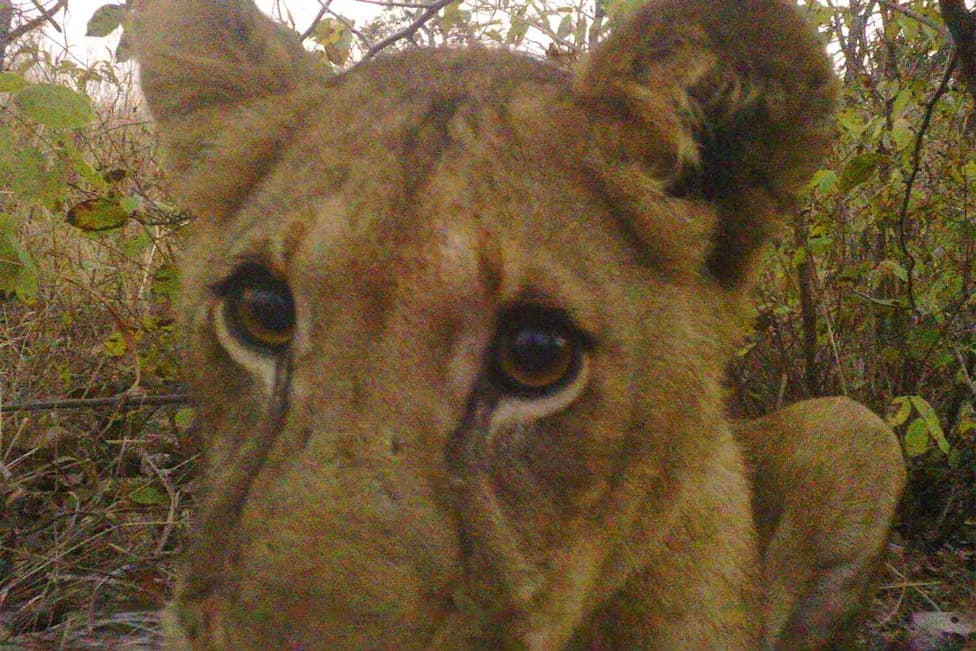
A lion cub inspects Panthera's camera trap in western TanzaniaCredit: Paolo Strampellli/Panthera
A network of more than 300 hidden camera traps has produced an unprecedented window into the wildlife of western Tanzania, collecting over 150,000 images that document rare animals, surprising phenotypes and worrying trends for big cats.
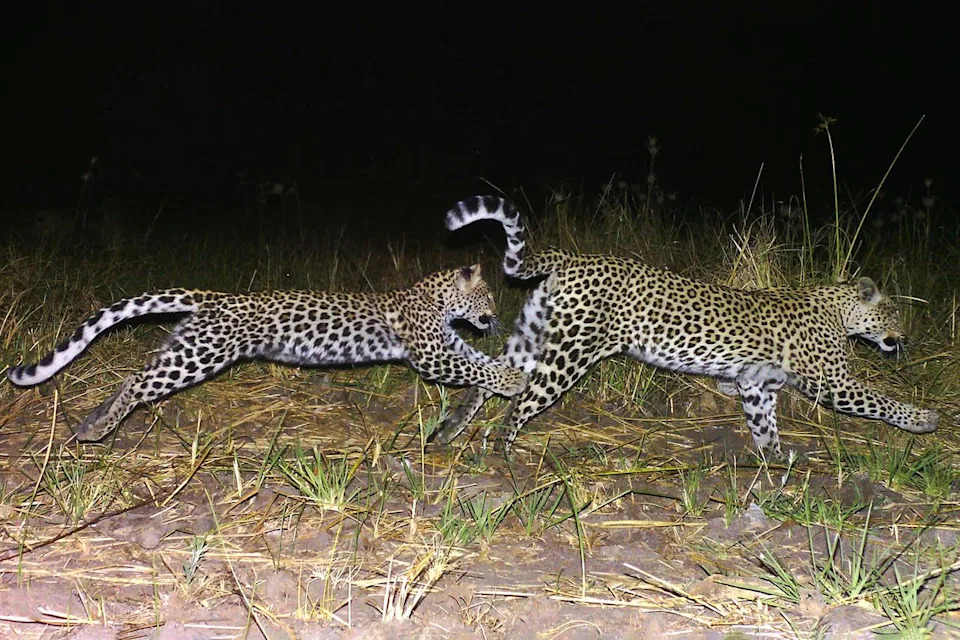
Leopard cubs playing in front of a Panthera camera trap in western Tanzania.Credit: Paolo Strampellli/Panthera
Notable Discoveries
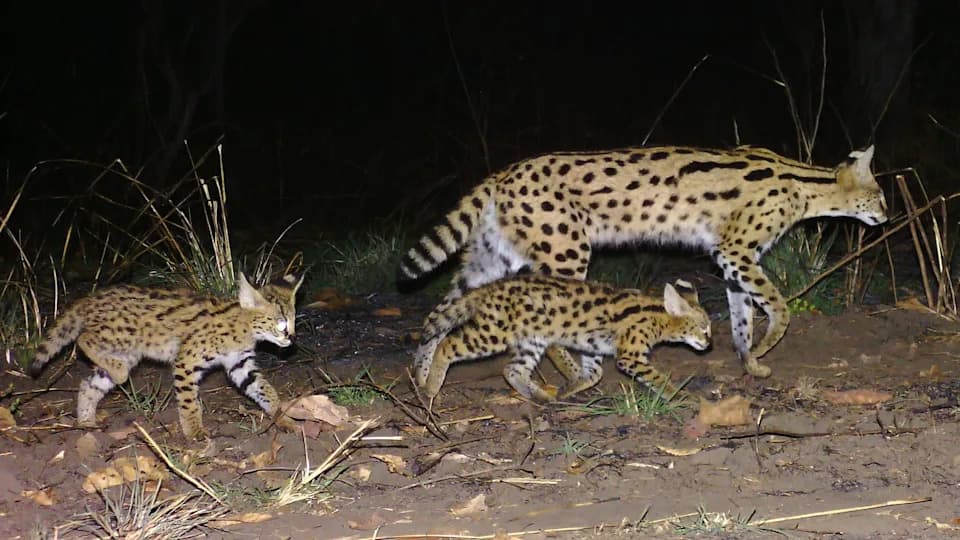
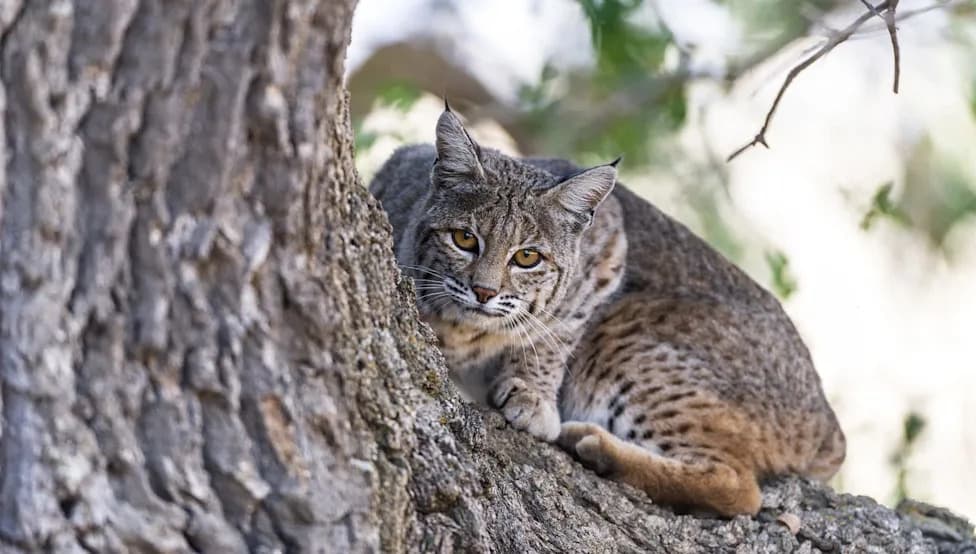
The Panthera team deployed custom-built "PantheraCams" across an area roughly the size of Cape Verde. The images include the first Tanzanian records of a "servaline" serval — a rare color variant with reduced, freckle-like spots — as well as early regional records of aardwolves, bat-eared foxes and springhares.
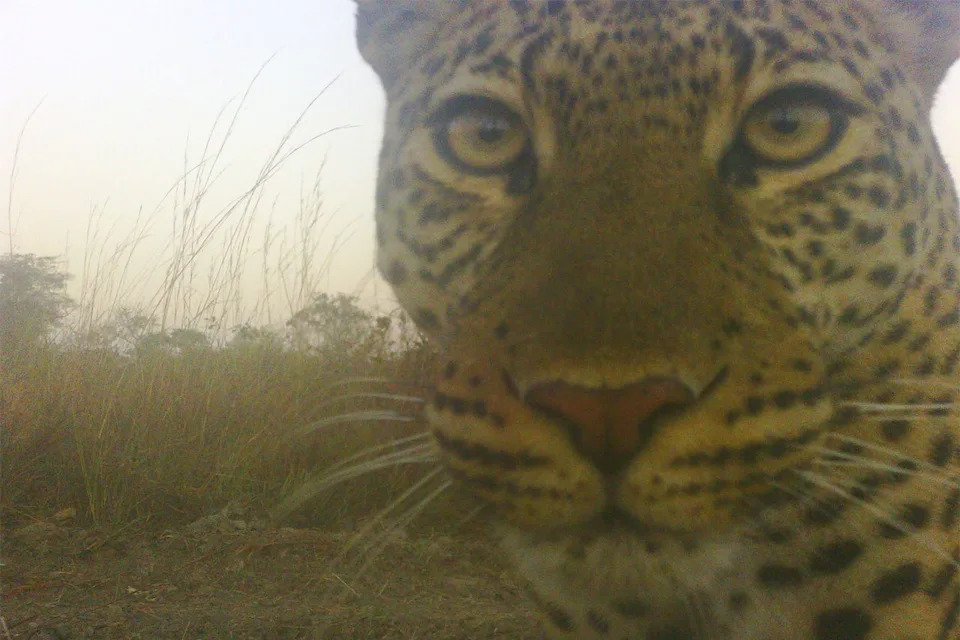
A leopard selfie in western Tanzania.Credit: Paolo Strampellli/Panthera
"When reviewing the photos from our first camera trap surveys in western Tanzania in 2025, we were very excited to come across two different kinds of servals," said Charlotte Searle, senior ecologist and data specialist with Panthera Tanzania. She added that spotting a serval is already uncommon, and capturing the rare servaline form made the find particularly special.
Conservation Concerns
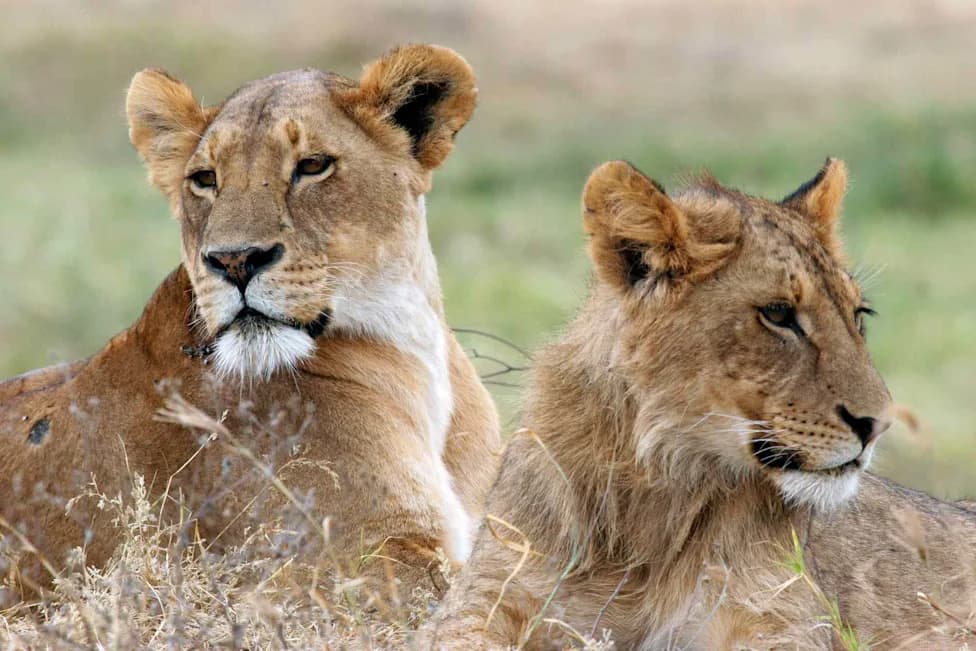
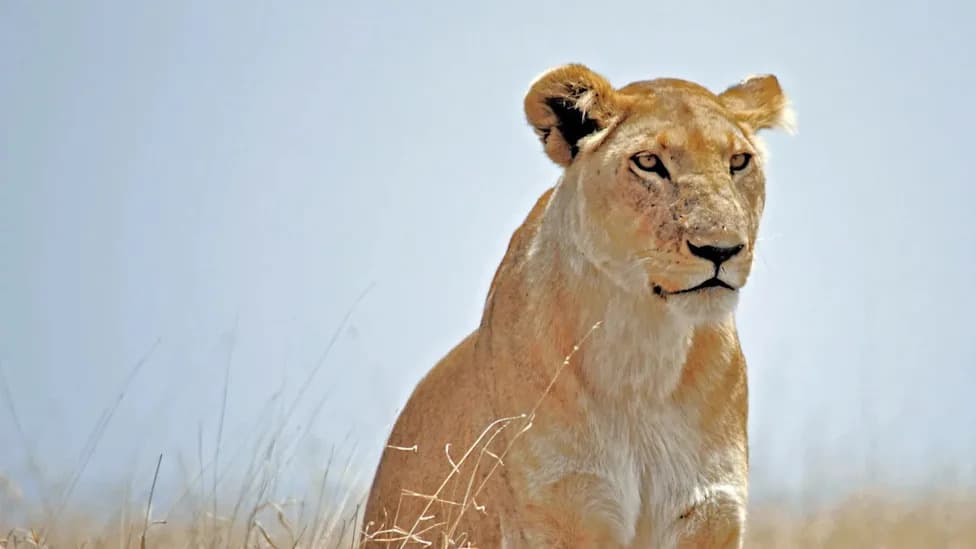
Alongside these exciting sightings, the dataset revealed a more troubling pattern: signs of dwindling lion populations in the Luganzo-Tongwe and Ugalla game reserves. These photographs provide critical baseline data to help conservationists and government partners monitor populations and human threats across the landscape.
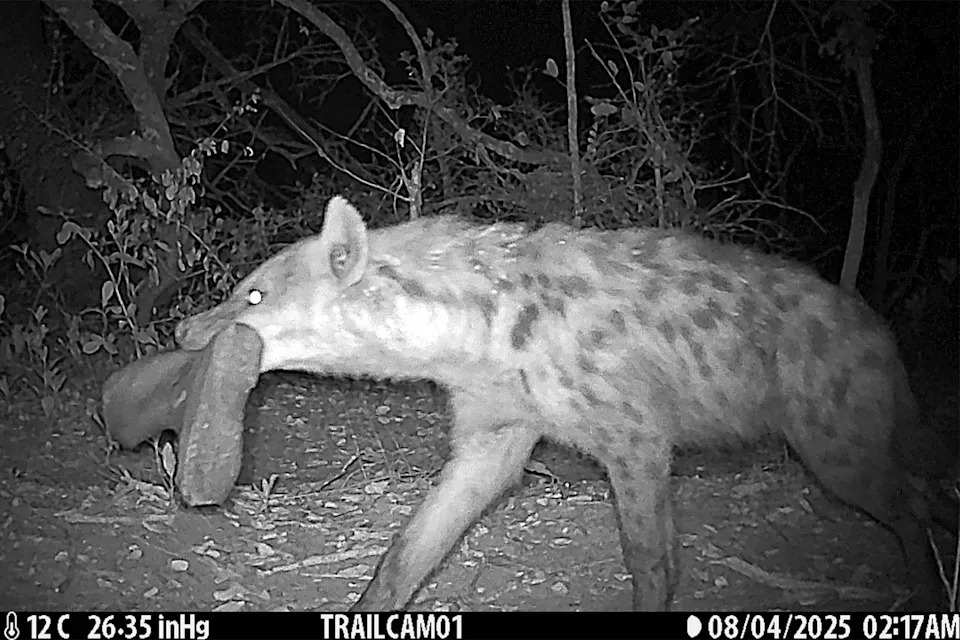
A hyena boot thief captured on camera in western Tanzania.Credit: Paolo Strampellli/Panthera
How the Survey Worked
Planning and camera placement were carefully designed. Teams used satellite imagery to build a survey grid and then scouted precise sites on the ground. "The objective is always to maximize pictures of wildlife, especially wild cats, so we try and 'think like a lion'," said Paolo Strampelli of Panthera, noting that habitat features, movement pathways and game trails were key to increasing captures.
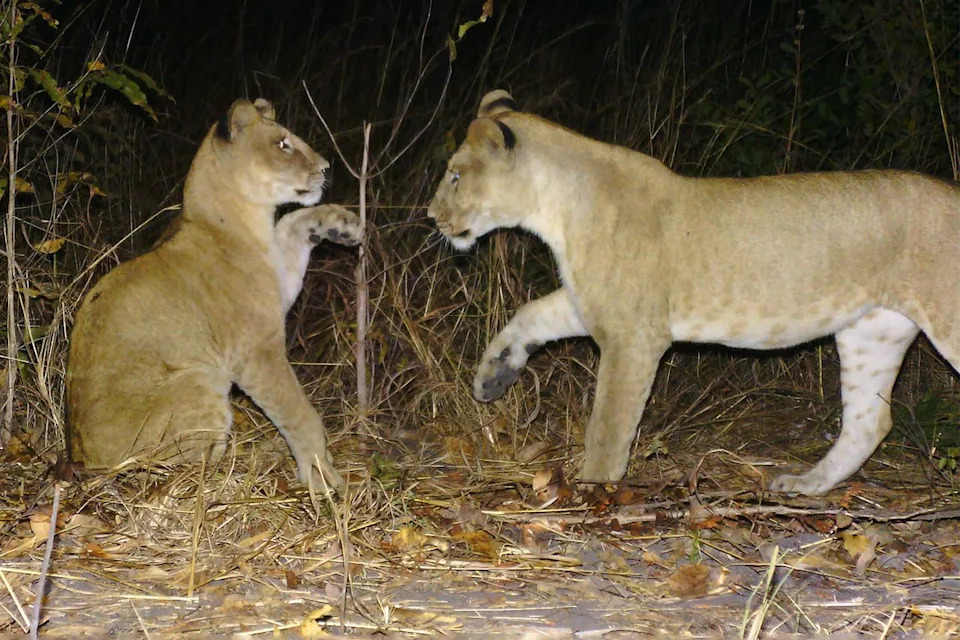
Lion cubs play in front of a Panthera camera trap in western Tanzania.Credit: Paolo Strampellli/Panthera
PantheraCams are engineered to withstand heat, humidity and even freezing temperatures so they can remain in the field for months and gather long-term, unobtrusive records. However, some cameras are still lost or damaged in the landscape — most commonly to elephants and spotted hyenas.
Why This Matters
These 150,000 images offer a richer, more continuous picture of western Tanzania's fauna than periodic field visits can provide. The combination of long-term camera monitoring and collaboration with Tanzanian government partners strengthens efforts to track threatened species, detect emerging threats, and prioritize conservation actions where they are most needed.
Photos credited to Paolo Strampelli / Panthera (as used by the project).
Help us improve.