Quick Take: In New York after his U.N. address, Iranian President Masoud Pezeshkian denied allegations that Tehran plotted to assassinate Donald Trump, defended recent strikes on U.S. bases and blamed U.S. sanctions for severe economic hardship at home. He said Supreme Leader Mojtaba Khamenei appeared "quite healthy" after a recent private meeting, while U.S. officials continue to restrict Iranian delegates' movements to U.N.-related business.
Pezeshkian in New York: Iran Denies Plot To Kill Trump, Blames Sanctions and Defends Strikes
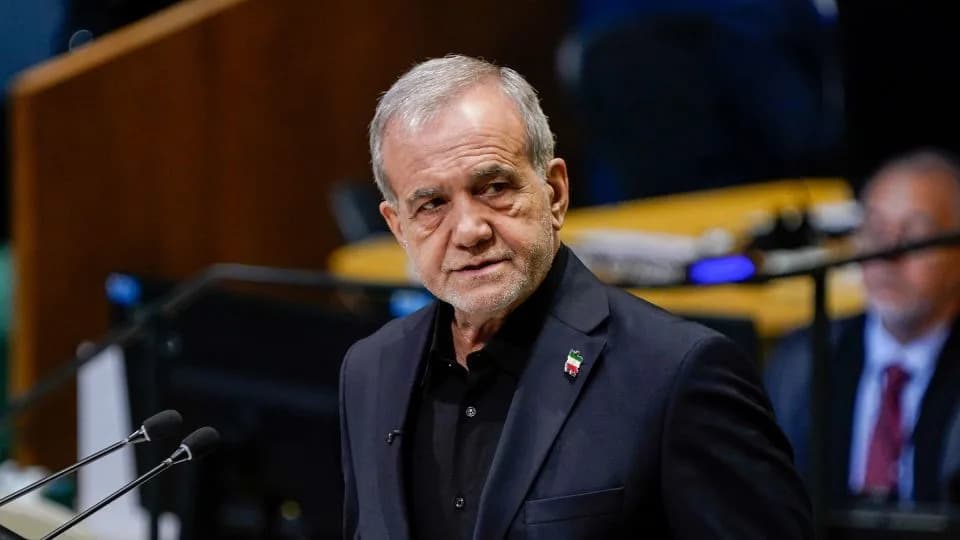
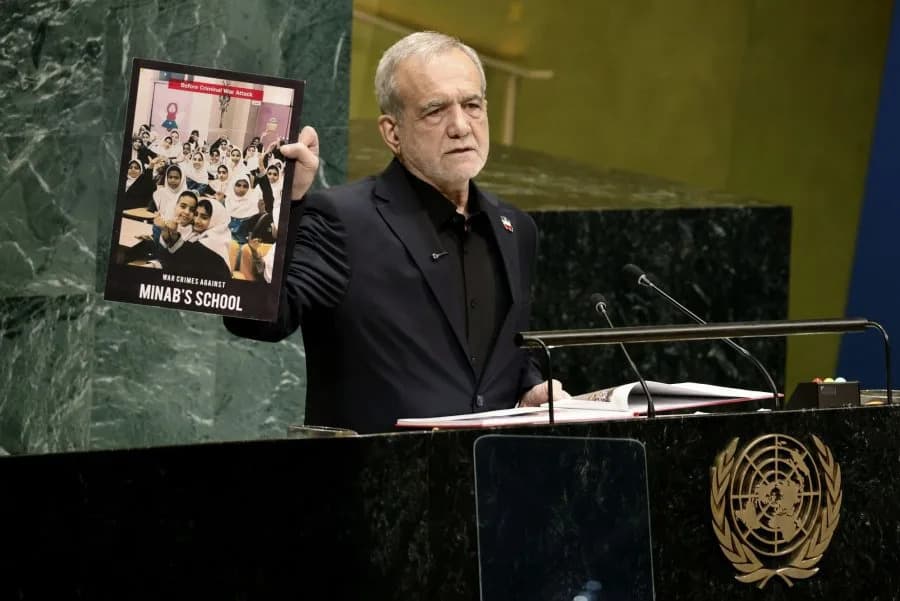
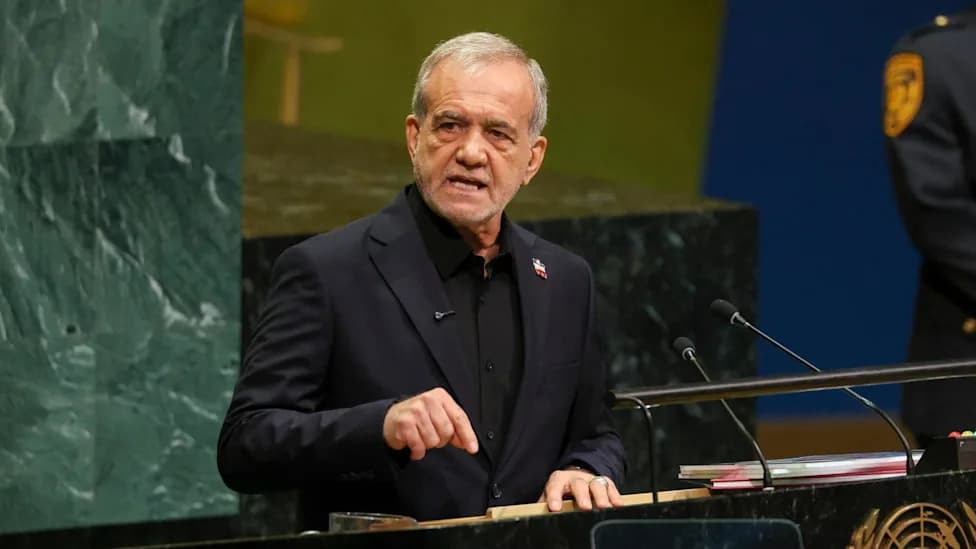
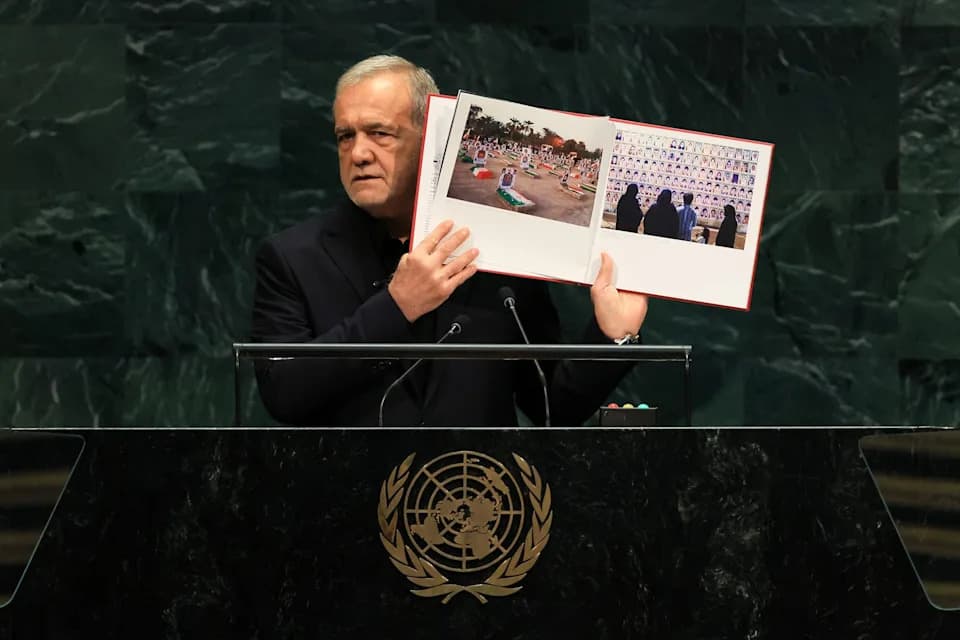
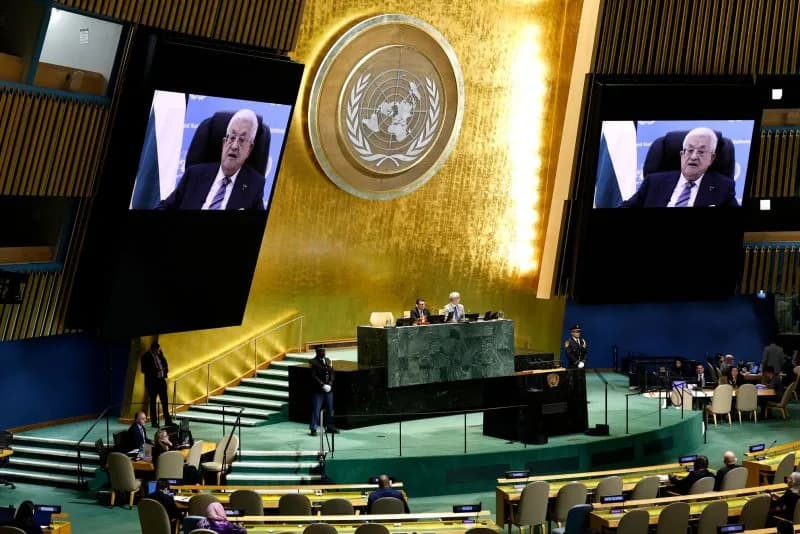
Iranian President Masoud Pezeshkian, during the United Nations General Assembly in New York, on Wednesday. - John Lamparski/Bloomberg/Getty Images
Iranian President Masoud Pezeshkian faced questions from reporters in New York on Thursday, a day after addressing the U.N. General Assembly, rejecting U.S. accusations that Tehran plotted to assassinate former President Donald Trump and defending Iran's actions in the region.
The briefing took place at the Millennium Hilton near U.N. headquarters, where Pezeshkian — traveling with limited movement permissions and under the protection of the U.S. Secret Service — and Foreign Minister Abbas Araghchi met journalists, including CNN correspondents. U.S. officials said the Iranian delegation was admitted to the country solely for U.N.-related business and must obtain State Department approval before traveling beyond the immediate U.N. area, John F. Kennedy International Airport or Iran's U.N. mission facilities.
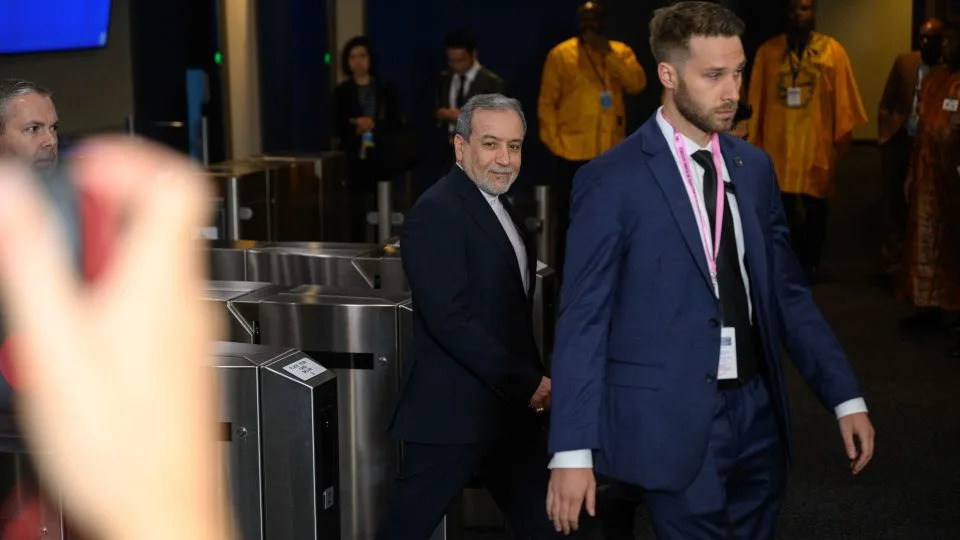
Iran's Foreign Minister Abbas Araghchi arrives during the 81st session of the United Nations General Assembly on September 22, 2026 in New York City. - Alexi J. Rosenfeld/Getty Images
Denial Of Assassination Claims
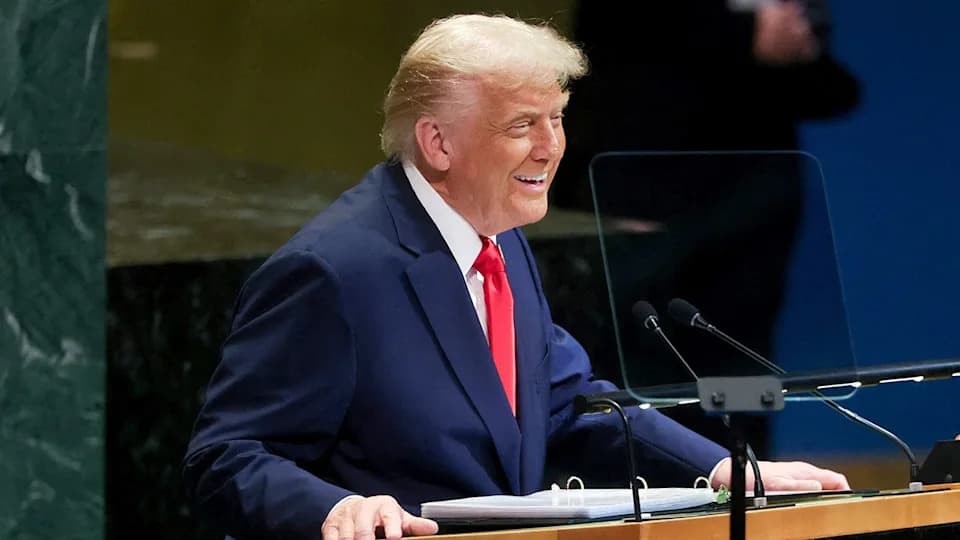
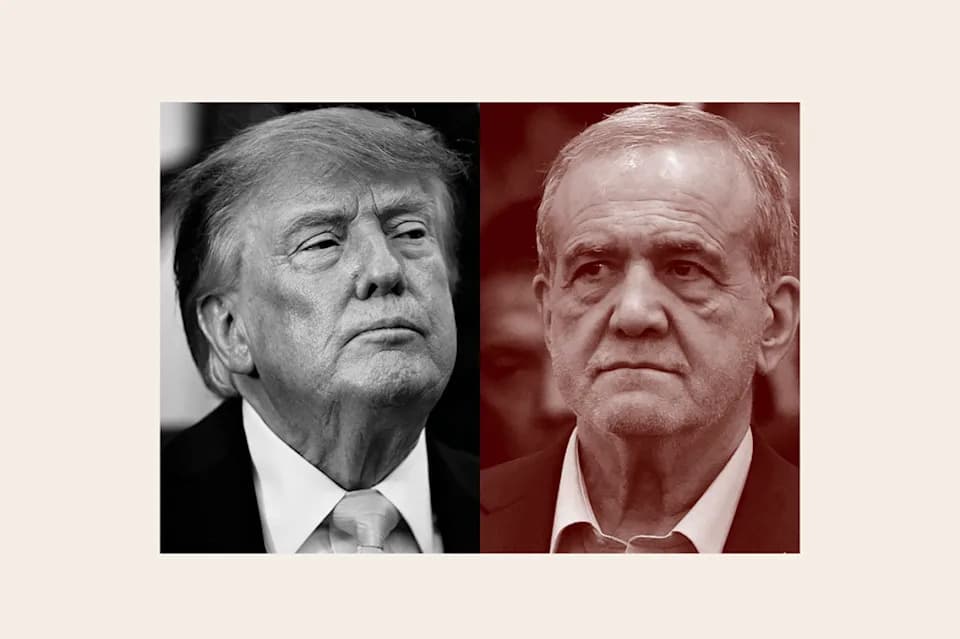
Pezeshkian flatly denied that Iran had sought to kill Donald Trump. "It has never been the position [of the Iranian government], overtly or covertly, to seek to assassinate Trump or his family members," he told reporters. His comments come after U.S. authorities said they had received intelligence alleging an Iranian plot and after the Justice Department in late 2024 announced federal charges tied to what it described as a foiled plan.
"It has never been the position [of the Iranian government]...to seek to assassinate Trump or his family members." — Masoud Pezeshkian
Supreme Leader's Health And Internal Speculation
Pezeshkian described a recent private meeting with Iran's Supreme Leader, Mojtaba Khamenei, saying the leader appeared "quite healthy" and that their in-person session a month earlier lasted about seven hours. He said they had sat on pillows on the floor and taken breaks to stand and walk. There has been international speculation about Khamenei's condition after reports he sustained injuries in an early conflict strike; U.S. intelligence agencies have nevertheless assessed that he continues to play a central role in shaping Iran's strategy.
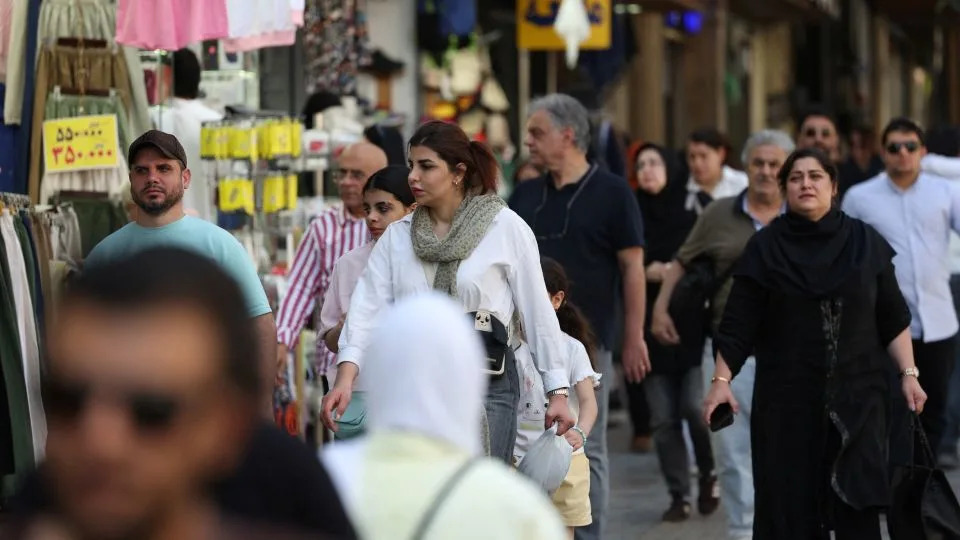
People walk on a street in Tehran, Iran, September 23, 2026. - Majid Asgaripour/Wana News Agency/Reuters
Economic Pain And Domestic Unrest
The president highlighted severe economic strain at home, blaming U.S. sanctions and the costs of war for rising prices and shortages of basics. He described sanctions as a "silent murderous campaign" and acknowledged "unprecedentedly difficult problems," noting that poor economic conditions helped fuel anti-regime protests in Tehran in 2025.
Security Claims And Regional Strikes
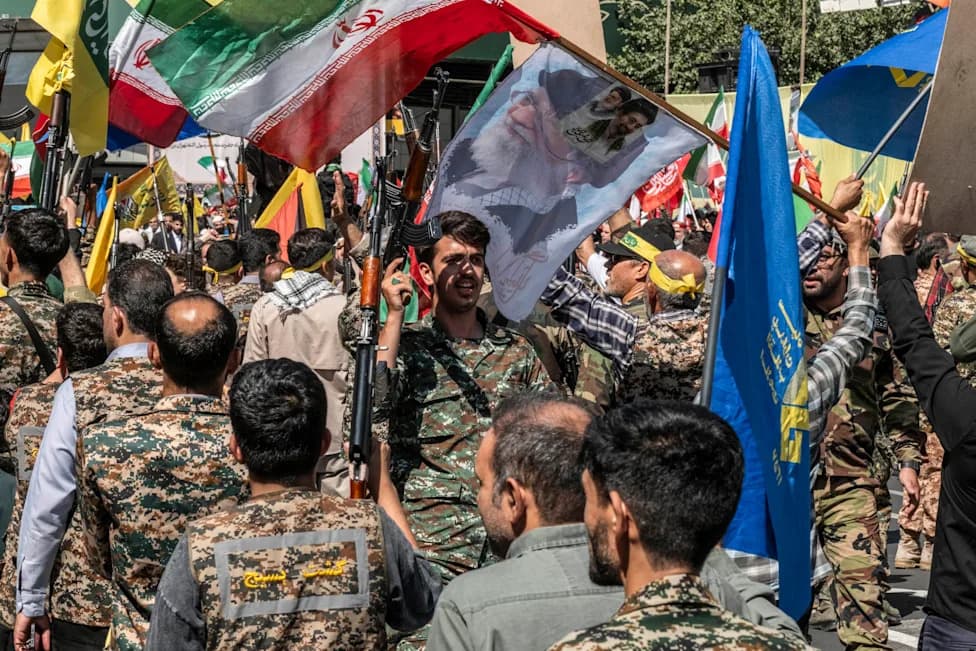
Pezeshkian defended Iranian strikes on U.S. bases in the region, asserting that many bases had been rendered unusable. He said, "Most of the American bases in the region are no longer useable," a claim that follows a Pentagon watchdog report documenting damage to hundreds of buildings and structures at U.S. facilities during the early months of the conflict. He added that, while the U.S. has extensive military power, it is "impossible to bring about Iranian surrender."
U.S. Response
White House spokesperson Anna Kelly responded to Pezeshkian by condemning Iran's record, saying the regime had killed its own citizens, struck Americans abroad, and attacked regional shipping. She emphasized the U.S. president's commitment to preventing Iran from acquiring nuclear weapons and to protecting U.S. interests and partners.
Reporting on the briefing included contributions from CNN journalists Jennifer Hansler, Holmes Lybrand, Todd Symons, Zachary Cohen, Natasha Bertrand and Jim Sciutto.
Help us improve.