At the UN General Assembly, President Trump delivered a stark ultimatum toward Iran, saying he was weighing whether to "annihilate" the Islamic Republic, but then revealed that US and Iranian officials had held a three-hour meeting on the sidelines that he described as "very good." He named Steve Witkoff and Jared Kushner as participants and said additional talks are planned. Trump linked potential diplomacy to political timing around the November midterms, reiterated concerns about Iran's nuclear ambitions, and also discussed Ukraine and a security pact allowing US bases in Greenland.
Trump Threatens to 'Annihilate' Iran at UN — Then Discloses Three-Hour US–Iran Meeting
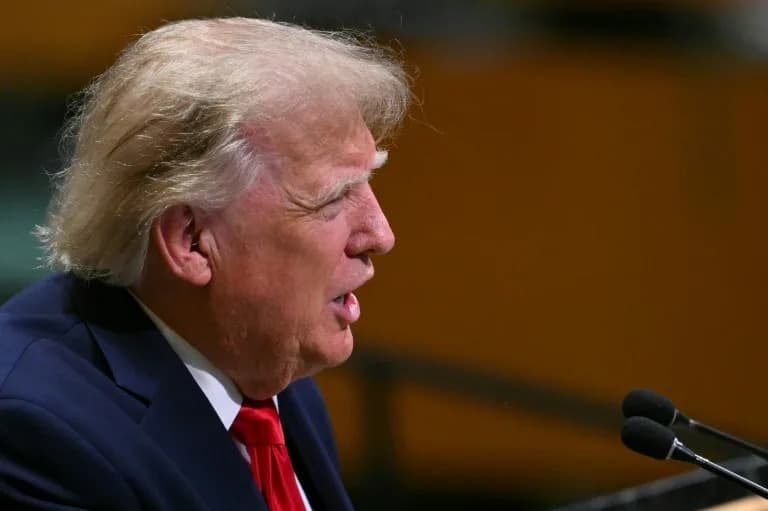
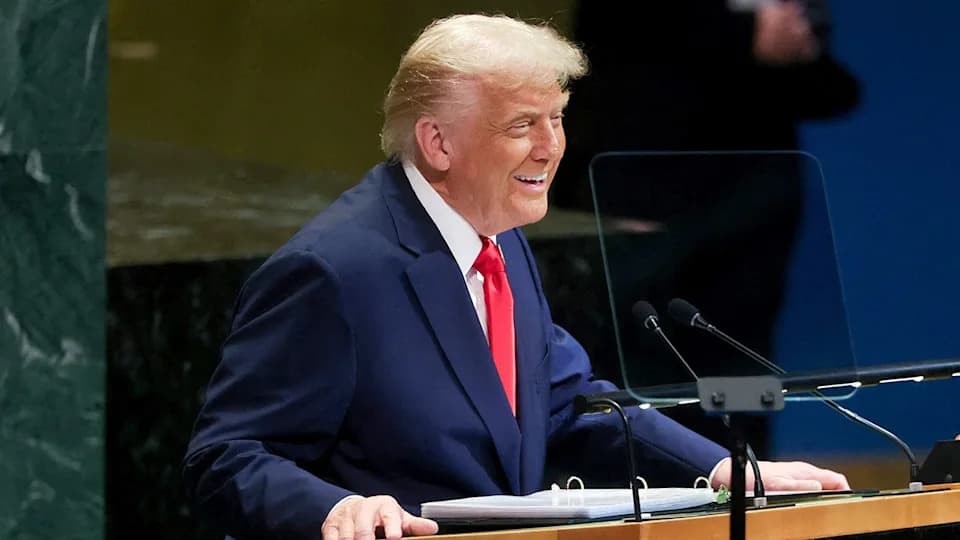
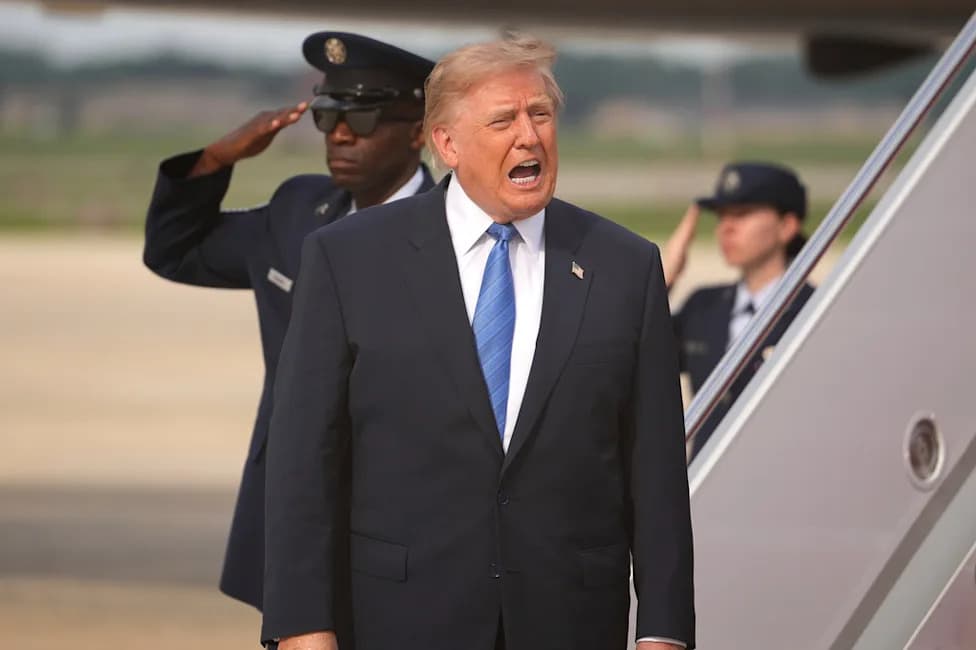
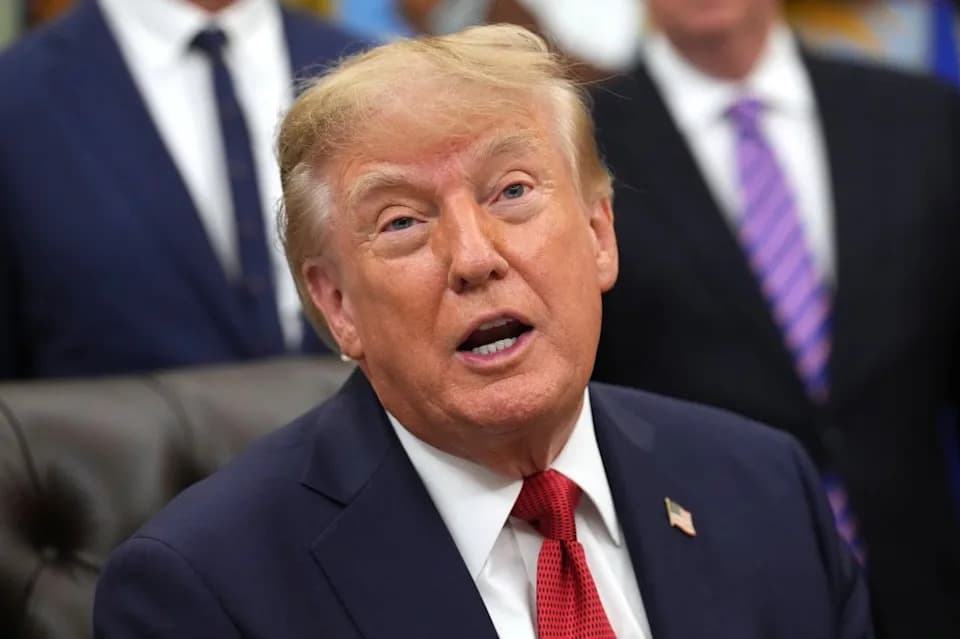
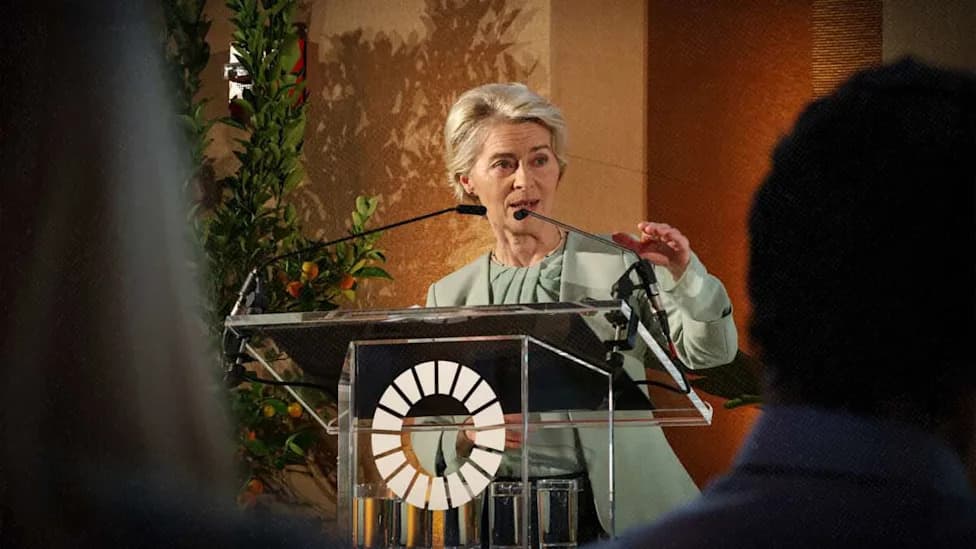
US President Donald Trump said he was deciding whether to 'annihilate' Iran (ANGELA WEISS)
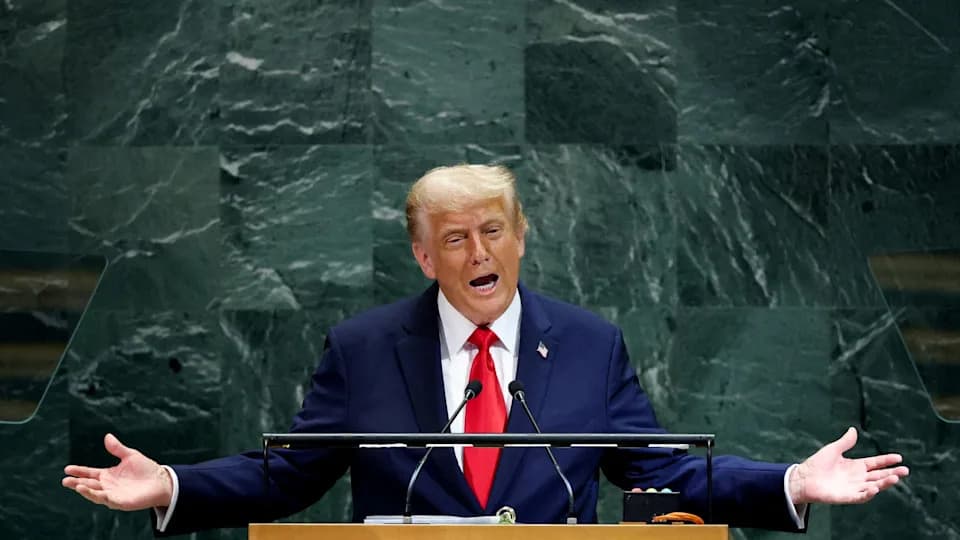
President Donald Trump delivered a blistering address to the United Nations General Assembly, saying he was weighing whether to "annihilate" the Islamic Republic of Iran — comments he made shortly before revealing that US and Iranian representatives had met for talks.
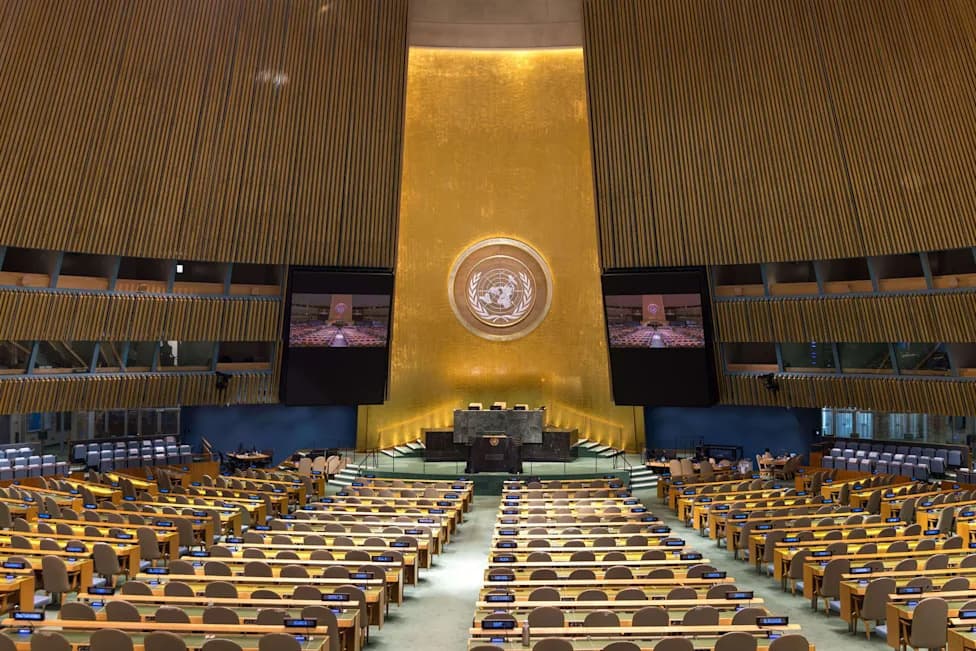
Speaking in New York, Trump used a stark "carrot-and-stick" formulation as he set out a choice between diplomacy and overwhelming force. During his remarks, all but one member of the Iranian delegation reportedly left the chamber.
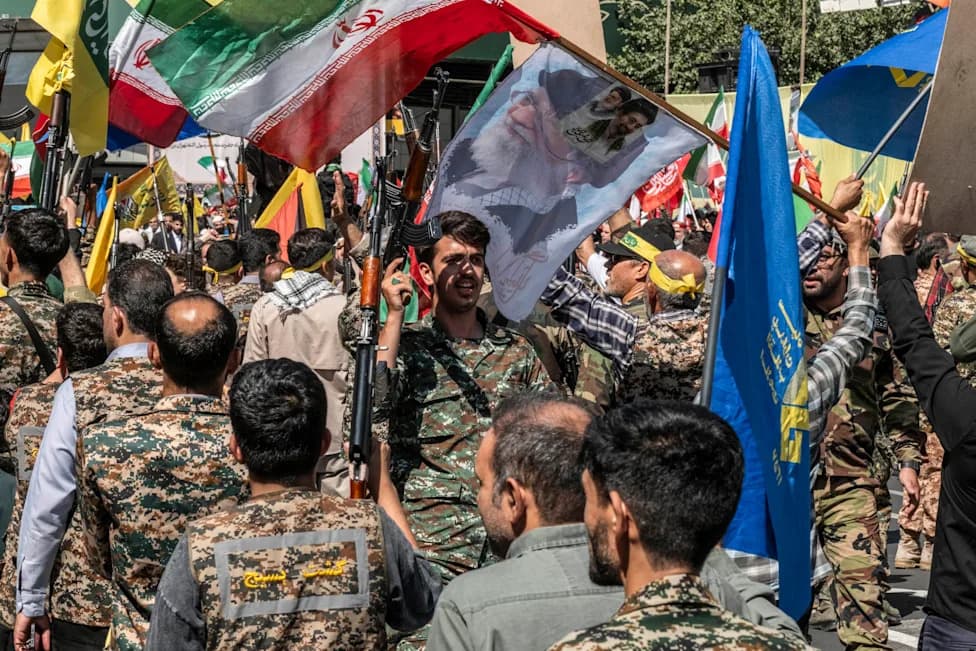
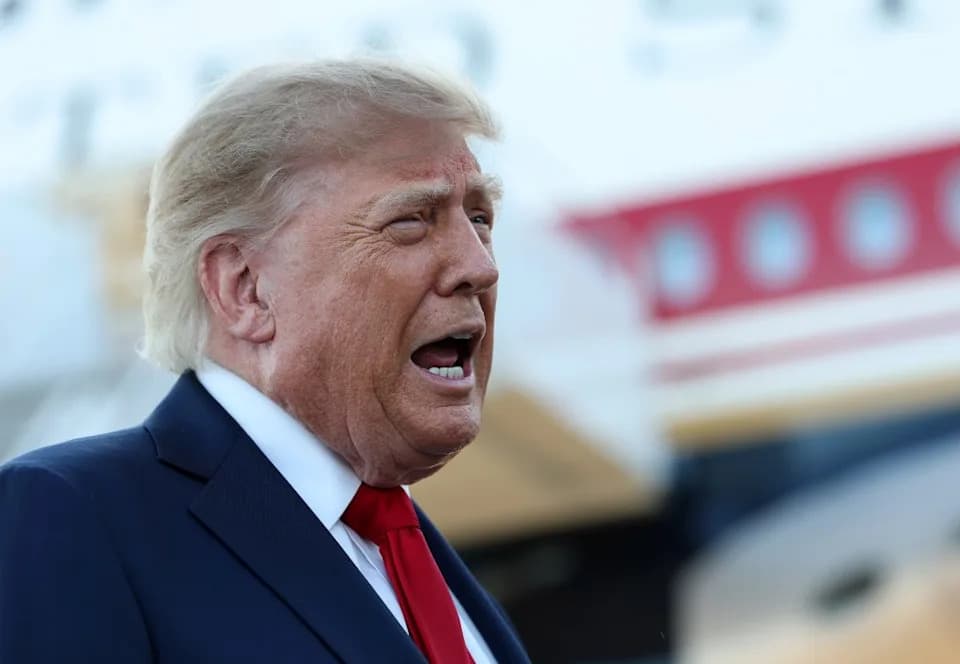
"I have a big decision to make — will a deal be made with Iran that lets them rebuild and create a far greater country? Or do I annihilate the Islamic Republic and do it quickly, never giving them a chance to kill and destroy people and countries again? Do I drive them into hell with no chance of survival?"
Hours after those remarks, Trump told reporters that representatives from the United States and Iran had held a "very good" three-hour meeting on the sidelines of the UN gathering. He named businessman-turned-negotiator Steve Witkoff and his son-in-law Jared Kushner as participants in the talks and said further meetings are planned.
Witkoff told reporters he "feels very good right now" about the discussions but provided no further details. The encounter is believed to be the first direct, in-person contact between US and Iranian officials since Vice President JD Vance's meetings with senior Tehran representatives in Switzerland in June.
Diplomacy, Timing and Domestic Politics
Trump suggested a possible link between diplomacy and domestic politics, saying he expected Iran might be willing to make a deal after the November midterm elections — a contest in which Republicans face potential losses amid voter unease about economic pain tied to the conflict, including higher fuel prices.
At the UN, the president framed his posture as both firm and conciliatory: pressing Iran on nuclear ambitions while holding out the possibility of negotiations. Analysts say the rhetoric underlines the tension between an aggressive public stance and discreet diplomatic engagement.
Ukraine And Other Foreign-Policy Notes
Trump also discussed efforts to help resolve the war in Ukraine. He met briefly with Ukrainian President Volodymyr Zelensky and said the United States was working with leaders on both sides to reach a settlement, though there has been little sign that Russian President Vladimir Putin is ready to make concessions.
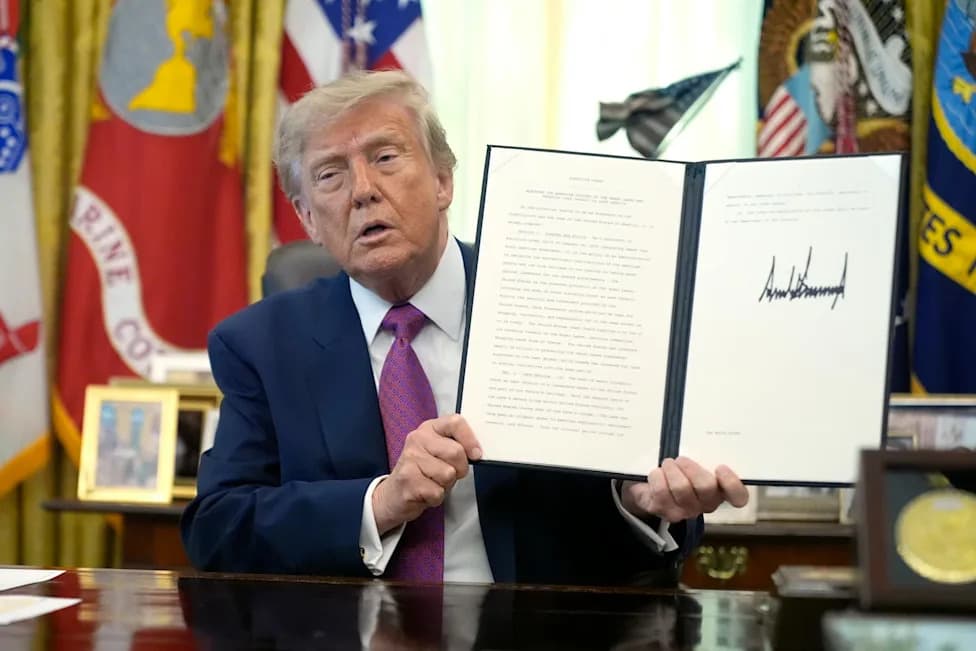
Finally, Trump signed a security agreement with Greenland and Denmark during the visit. The pact allows the United States to construct two military bases in southern and eastern Greenland and includes a provision barring non-NATO powers from establishing a military presence on the island — a development that has, at least temporarily, eased his earlier calls to pursue territorial claims.
Overall, the UN appearance combined aggressive rhetoric with hints of back-channel diplomacy, underscoring the unpredictable mix of threats and talks shaping the current US approach to Iran and other global crises.
Help us improve.