Iranian President Masoud Pezeshkian traveled to the United Nations General Assembly, pledging to "defend our positions with strength" as tensions with the United States persist, particularly around the Strait of Hormuz. The Islamic Revolutionary Guard Corps says the conflict is ongoing and has warned it will change tactics and deploy new weapons if fighting resumes. A tanker in the Strait of Hormuz was reportedly struck by an unknown projectile, and the U.S. State Department issued travel advisories warning of potential disruptions and rapid escalation.
Iranian President Heads to UNGA, Vows to 'Defend Our Positions With Strength' Amid Tensions Over Strait of Hormuz
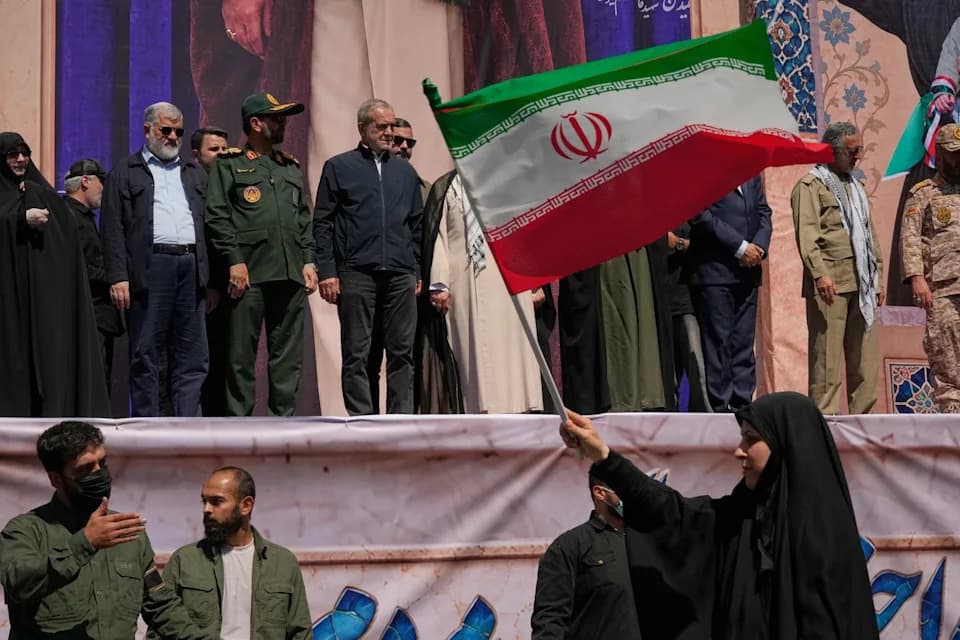
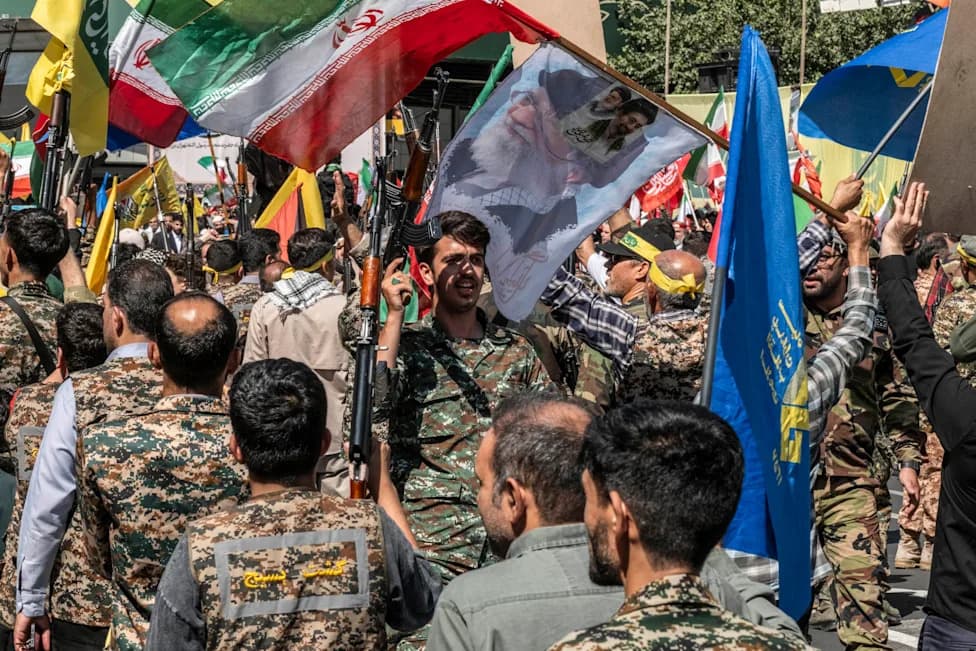
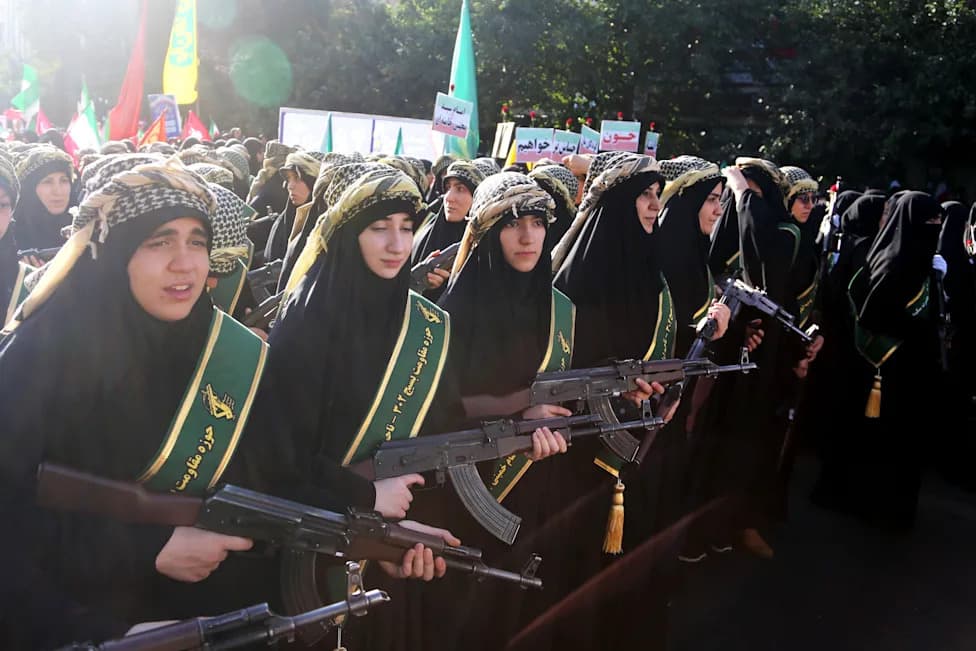
Vahid Salemi/AP Photo - PHOTO: Iranian President Masoud Pezeshkian and other officials watch as a woman waves an Iranian flag during the state-organized parade in Tehran, Iran, on Sept. 18, 2026.
Iranian President Masoud Pezeshkian departed Tehran on Tuesday for the United Nations General Assembly in New York, telling reporters he will "defend our positions with strength," state-affiliated media reported. His trip comes as tensions with the United States remain high and the strategic Strait of Hormuz continues to be a flashpoint.
Developments and Diplomatic Context
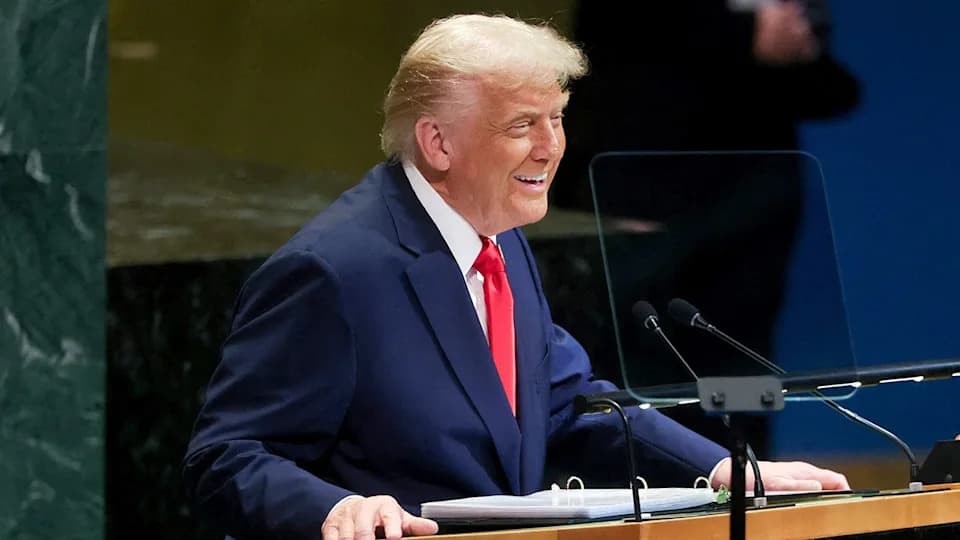
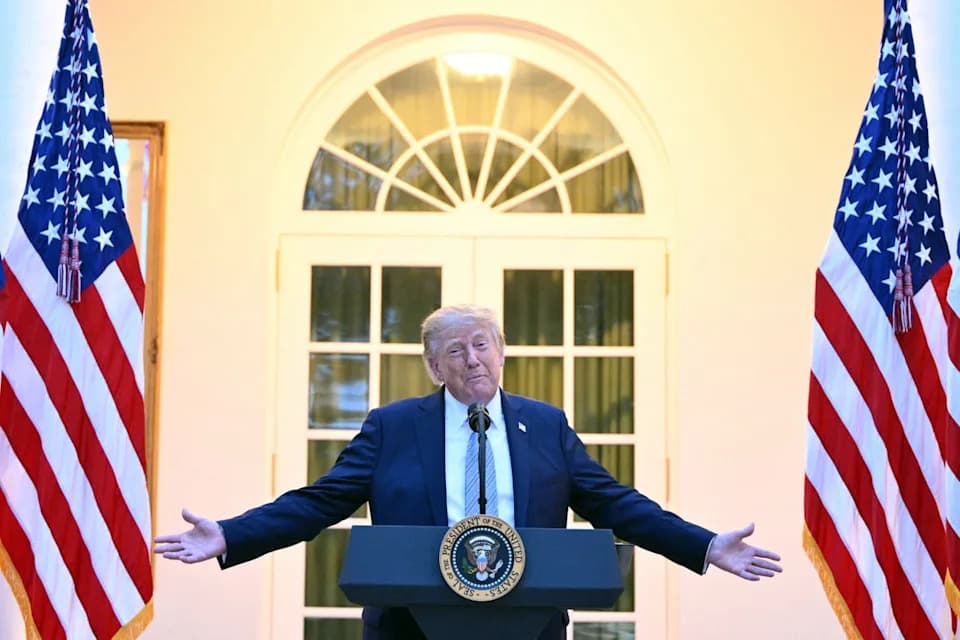
Earlier this year, former U.S. President Donald Trump announced "major combat operations" on Feb. 28 after what were described as large-scale U.S.-Israeli strikes on Iranian military, government and infrastructure sites. In June, delegations from Washington and Tehran entered negotiations on a memorandum of understanding intended to end hostilities, but those talks later collapsed amid continued exchanges of strikes.
Foreign Minister Abbas Araghchi is part of Iran's UN delegation; state media said he arrived in New York on Monday. Pezeshkian stressed that "nations cannot be forced into submission through force," according to the semi-official Tasnim News Agency.
Military Posture and IRGC Statements
The Islamic Revolutionary Guard Corps (IRGC) has signaled it considers the conflict unresolved. IRGC spokesman Hossein Mohebbi told Iranian state television that "the war has not ended" and that the corps is "prepared for a long-term war." Mohebbi said Iran plans to change the "geography of the war," introduce new weapons and tactics, and demonstrate the "power and precision" of its armaments.
"We will certainly change the geography of the war. There will be changes in the weapons and military equipment … and the world will see the power and precision of our weapons and the world will be astonished," Mohebbi said, adding that Iran's targets "are no longer necessarily the same as before."
State media also quoted Mohebbi as asserting that the United States had suffered a "historic and disgraceful defeat." Iranian officials warned that renewed U.S. attacks would prompt significant changes to Iran's defensive and counteroffensive posture.
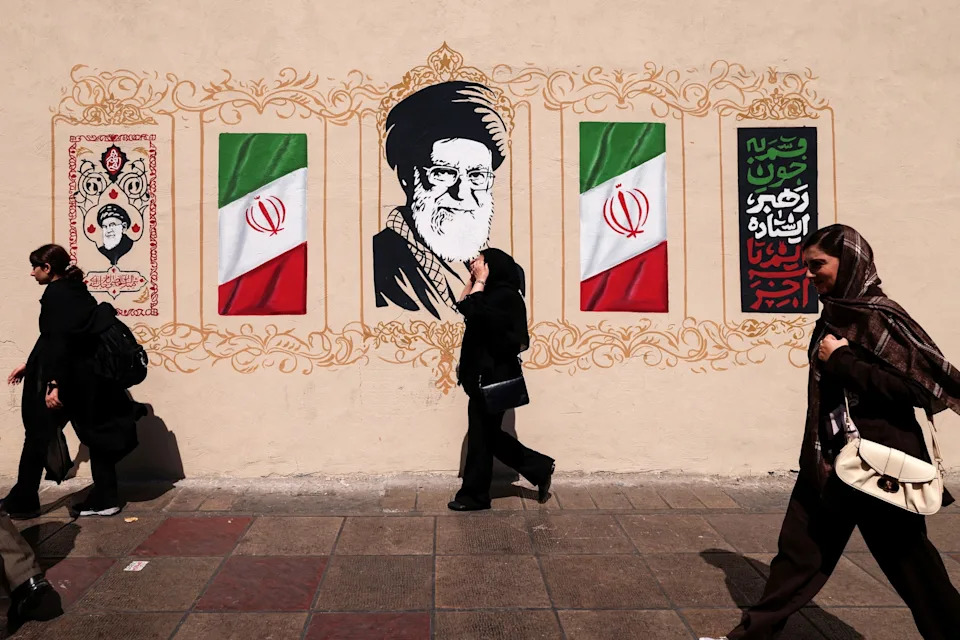
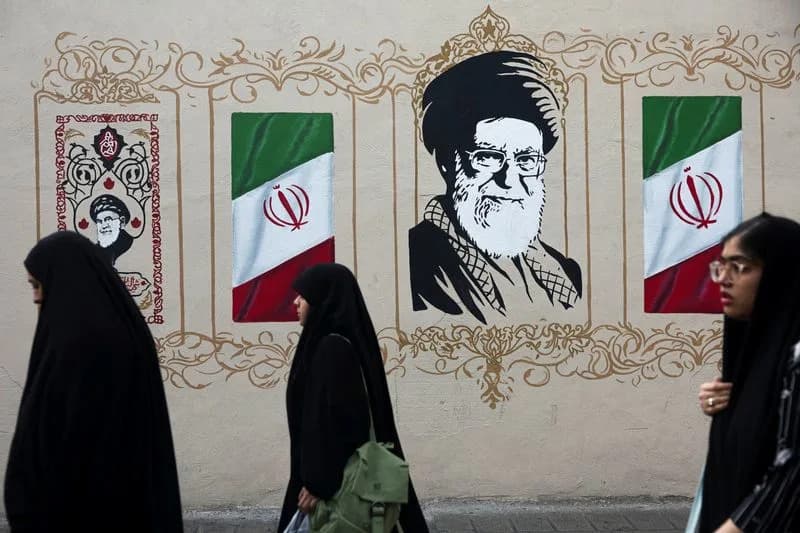
Atta Kenare/AFP via Getty Images - PHOTO: Iranians walk past a wall decorated with the image of assassinated Iranian supreme leader Ayatollah Ali Khamenei and the national flag, in Tehran, September 14, 2026.
Maritime Incident Near Strait of Hormuz
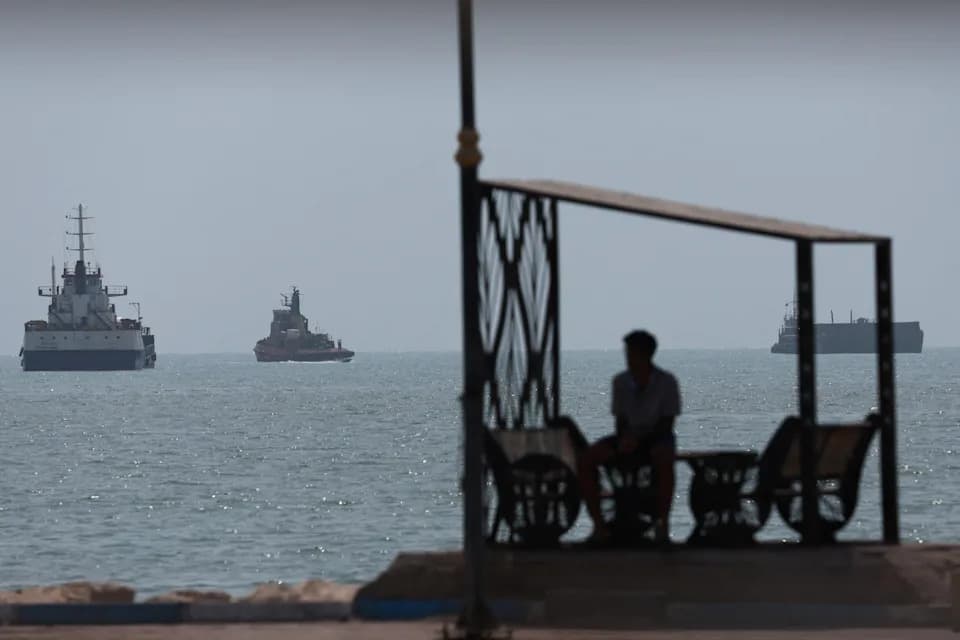
The United Kingdom Maritime Trade Operations (UKMTO) Centre reported that a tanker in the Strait of Hormuz was "struck by an unknown projectile" Monday morning, injuring at least two crew members. UKMTO said the vessel continued to its next port of call under its own power and that there was no reported environmental impact at the time of the alert.
Political Statements and Regional Implications
Parliament speaker Mohammad Bagher Ghalibaf said Tehran would not permit the reopening of the Strait of Hormuz until all of Iran's conditions are met. In a statement published by the semi-official Fars News Agency, Ghalibaf said Iran has demonstrated it is "not helpless in the face of aggression" and that the country must both "fight and negotiate."
Ghalibaf added that Iranian demands have been conveyed through mediators and warned that "the path of deception and one-sided imposition is closed." He said there would be no return to prior negotiation terms or to reopening the Strait until Iran's conditions are satisfied and its rights recognized.
U.S. Travel Advisory
The U.S. State Department issued a security alert advising Americans in the Middle East to "exercise heightened vigilance" and warned of potential flight cancellations, airspace closures and travel disruptions. The advisory also urged Americans outside the region to "seriously reconsider travel to and through the region," citing strikes by Iranian-backed Houthi forces against Saudi Arabia and the risk of rapid escalation.
Photo: Iranian President Masoud Pezeshkian and officials watch a parade in Tehran (Vahid Salemi/AP). Photo: A wall in Tehran decorated with the image of Ayatollah Khamenei (Atta Kenare/AFP).
Help us improve.