Quick Take: U.S. and Iranian envoys held indirect talks in New York during the U.N. General Assembly as President Trump warned he might "annihilate" Iran if no deal ends the nearly seven-month war. A merchant ship, the Cape Dao, was struck in the Strait of Hormuz, killing one Indian crew member and prompting the evacuation of 27. Diplomatic contacts were accompanied by new sanctions, aviation suspensions, reports of U.S. military personnel strains, and renewed regional fighting—while key disagreements over lifting a U.S. naval blockade remain.
U.S. and Iran Hold First Talks Since June as Trump Threatens 'Annihilation'; Ship Struck in Strait of Hormuz
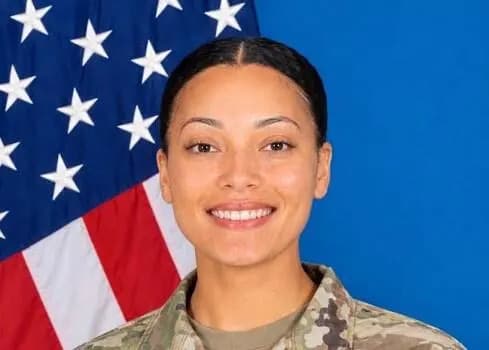
U.S. Army Capt. Bianca C. Wilkerson, 37, of Norfolk, Va., died on Sept. 18, 2026, as a result of a non-combat related incident, the Army said in a statement. She was posthumously promoted to major. / Credit: U.S. Army/Handout
Summary: U.S. and Iranian envoys held indirect talks on the sidelines of the U.N. General Assembly while President Trump warned he could "annihilate" the Islamic Republic if a deal to end the nearly seven-month war is not reached. The diplomatic contacts came amid a deadly strike on a merchant vessel in the Strait of Hormuz, mounting sanctions, flight suspensions, and renewed regional fighting.
Diplomatic Contacts at the U.N.
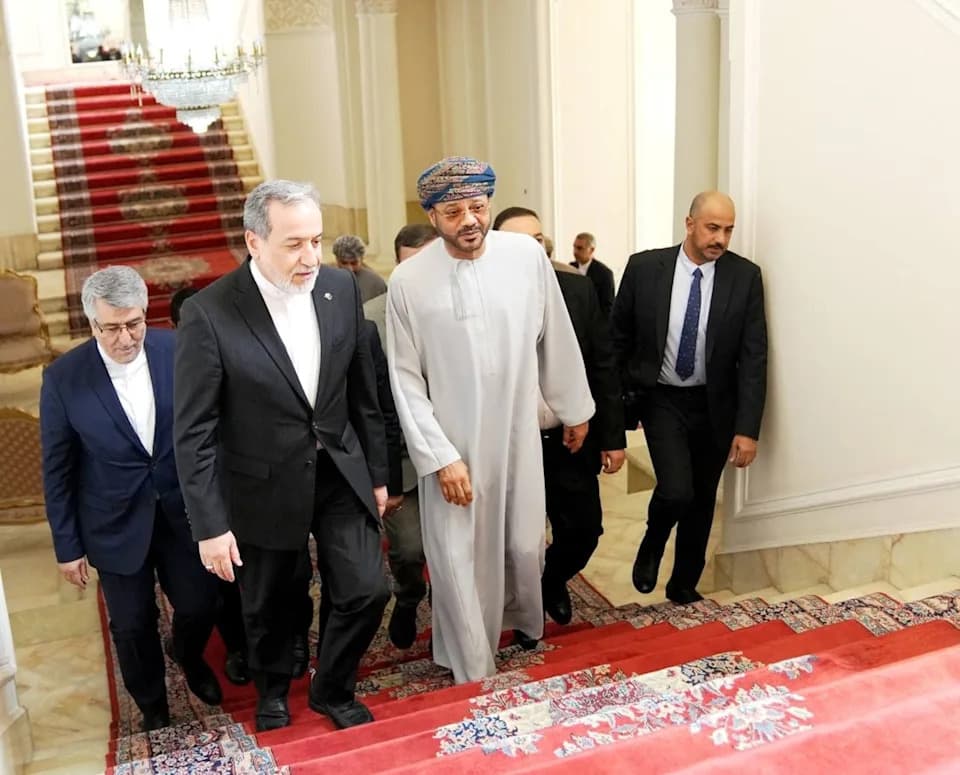
U.S. representatives, including Jared Kushner and special envoy Steve Witkoff, held indirect talks with Iranian officials on Tuesday during the U.N. General Assembly in New York. Both sides said the discussions, mediated by Qatar, were lengthy and constructive, and President Trump described the meeting as "very good" and about three hours long. Iran’s Foreign Ministry said it set out its conditions "very explicitly and clearly" via mediators.
Trump's Warning and Iran's Response
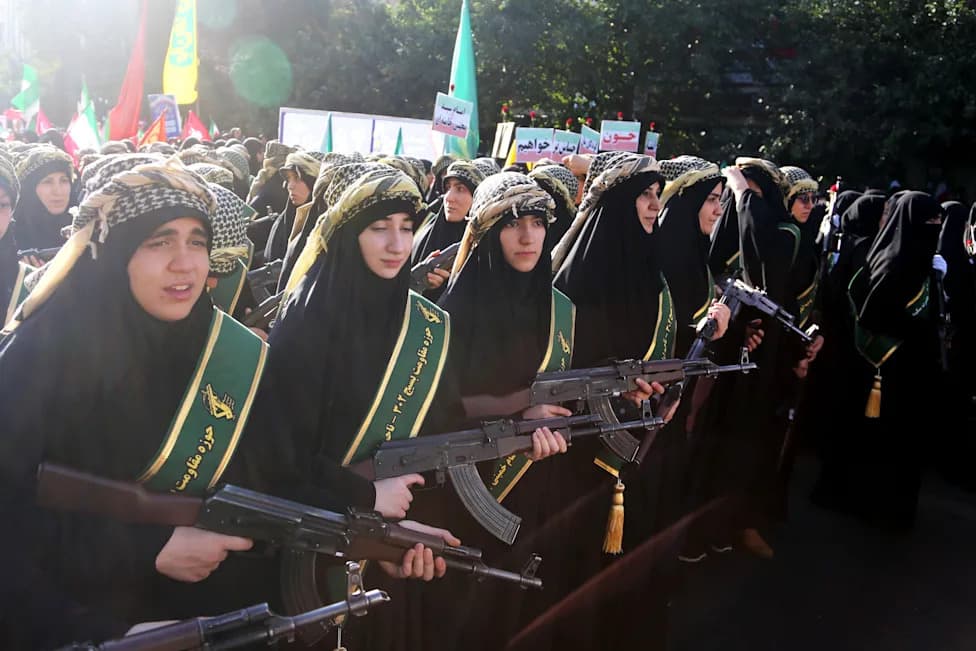
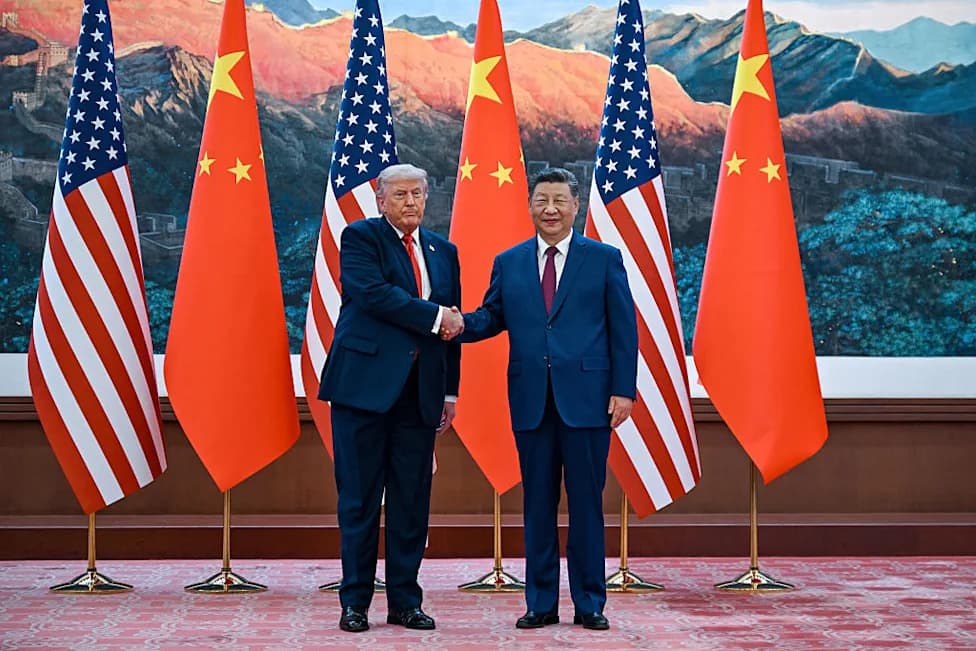
In his U.N. address, President Trump warned he faced a choice to either strike a deal that would let Iran rebuild or to "annihilate" the Islamic Republic if no agreement is reached to end the conflict. Iranian President Masoud Pezeshkian, speaking through a translator, condemned U.S. and Israeli actions and said Iran has "never ever been an aggressor," emphasizing Tehran's openness to diplomacy but rejecting coercion and the "language of force."
Attack in the Strait of Hormuz
A commercial vessel, identified by Oman as the Antigua and Barbuda-flagged Cape Dao, was struck by a projectile in the Strait of Hormuz and left burning and adrift. Omani authorities reported one crew member—a national of India—was killed and 27 crew were evacuated. The U.K. Maritime Trade Operations center corroborated that the vessel was on fire and adrift roughly 2.5 nautical miles off Musandam.
Naval Blockade, Navigation and Iran's Demands
U.S. Central Command said a U.S. naval blockade has redirected 115 commercial vessels entering or leaving Iranian ports. Iran has made reopening the Strait of Hormuz and an end to the blockade central to its negotiating demands. Maj. Gen. Mohsen Rezaei, secretary of Iran’s Supreme National Security Council, said the strait would remain closed until U.S. conditions are met and called for rapid implementation, rejecting a step-by-step approach.
Sanctions, Financial Measures and Aviation Restrictions
Canada announced sanctions on five senior Iranian officials and five state-run entities for their roles in repressing dissent. The UAE central bank barred Emirati branches of Iran's Bank Melli from conducting transactions to and from Iran, citing anti-money-laundering and counter-proliferation concerns. Several countries, including Georgia, Azerbaijan and Iraq, began suspending or rerouting flights by Iranian carriers after new U.S. aviation sanctions took effect; Mahan Air was tracked arriving in Guangzhou, China, in a flight not listed on the airport schedule.
Human Toll and Domestic Unrest
Domestic unrest and the human cost of the conflict remain high. Iran reported thousands of deaths during large anti-government protests earlier in the year; rights groups and outside observers have questioned official tallies and blamed security forces for many civilian deaths. Students returned to schools after months of closures tied to the war, with official ceremonies acknowledging the bereavement suffered by families.
Military and Personnel Updates
The USS Abraham Lincoln carrier strike group, which deployed on an extended roughly 10-month deployment, recorded eight suicide attempts among its roughly 5,000 sailors, Acting Navy Secretary Hung Cao said in a letter. Separately, the U.S. Army identified Capt. Bianca C. Wilkerson, 37, as a soldier who died on Sept. 18, 2026, from a medical emergency while en route to the Middle East. The Pentagon counts 19 U.S. military deaths linked to the war in its Defense Casualty Analysis System.
Regional Escalation: Yemen and the Red Sea
Fighting in Yemen has intensified, with both Houthi and government sources reporting heavy casualties—figures that differ by source—with up to 169 reported killed over three days. Houthi leaders warned that any U.S. intervention to contest control of the Bab el-Mandeb Strait would prompt attacks on American interests in the region.
Energy Infrastructure
Damage to Iran’s South Pars gas field, reported earlier in the war after Israeli strikes, has reduced production capacity. Iranian officials said about 50% of the damaged capacity in the affected section had been restored by the end of September, with further repairs planned before winter.
What Comes Next
Despite the procedural progress of talks at the U.N., major gaps remain. Iran insists on an immediate lifting of the naval blockade, an end to hostilities on all fronts, access to restricted assets and acceptance of an Oman-mediated passage through the Strait of Hormuz. Western ministers urged Tehran to re-open the strait unconditionally and engage constructively in negotiations. Both sides signaled talks would continue, but significant differences persist.
Sources: Reporting compiled from CBS News, AFP, AP and official statements from U.S., Iranian and Gulf authorities.
Help us improve.