Iranian President Masoud Pezeshkian and Foreign Minister Abbas Araghchi have travelled to New York to present Tehran’s account of the conflict at the UN General Assembly and to pursue diplomatic channels. The delegation plans to raise alleged incidents — including the Minab school bombing — and to press seven conditions for reopening the Strait of Hormuz. The visit comes amid U.S. sanctions and a naval blockade, domestic political divisions in Iran, and regional diplomatic efforts to avert further escalation.
Iranian Delegation Heads to UNGA to Frame Narrative of Resilience — While Pushing Diplomatic Options
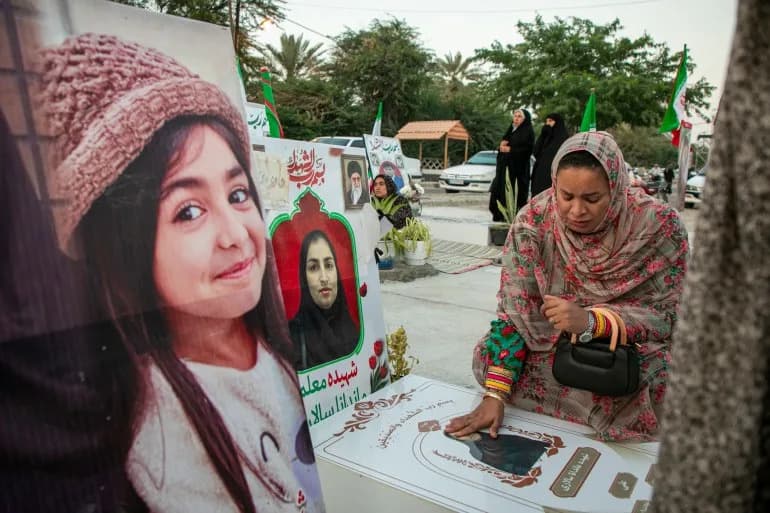
A woman touches the grave of a deceased relative as people gather to mourn at the cemetery of Minab City on May 14, 2026 in Minab, Iran [Majid Saeedi/Getty Images]
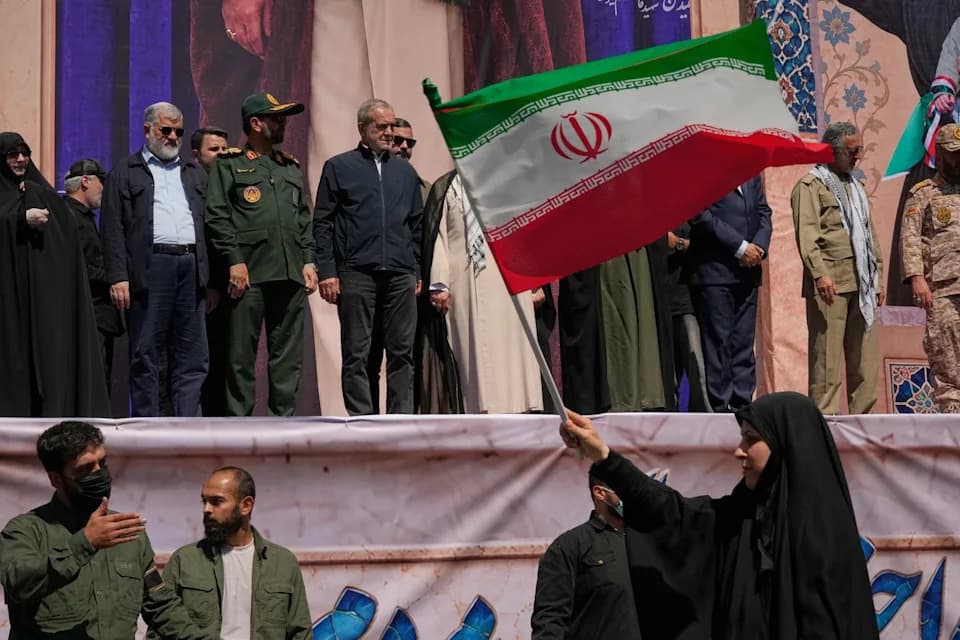
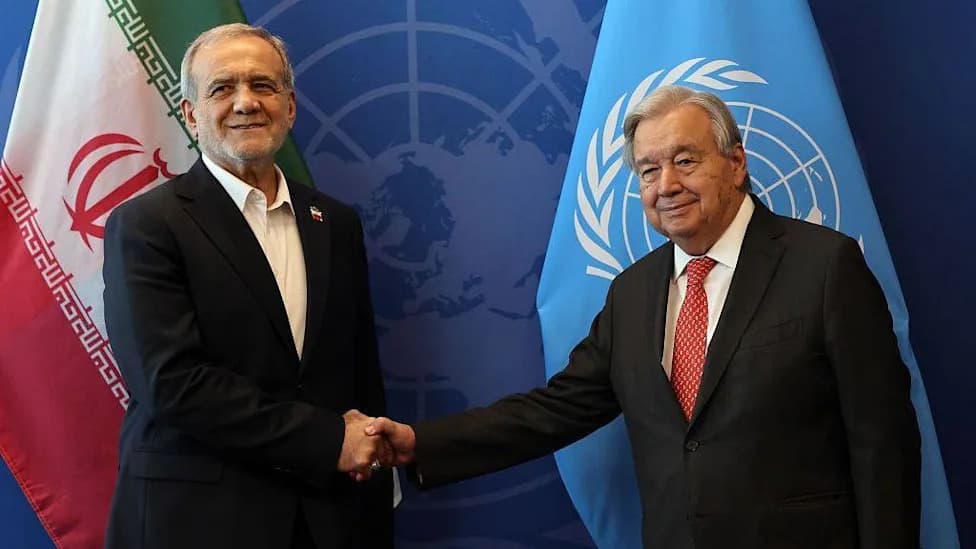
Tehran — Iranian President Masoud Pezeshkian, accompanied by Foreign Minister Abbas Araghchi and senior officials, has flown to New York to address the United Nations General Assembly (UNGA). The delegation says it will use the global platform to present Tehran’s account of the conflict with the United States and Israel, highlight alleged attacks on Iranian civilians and infrastructure, and outline conditions for a diplomatic settlement.
Delegation’s Goals and UN Address
Pezeshkian, who departed Tehran on Tuesday morning local time, is scheduled to address the 193-member assembly on Wednesday. He told reporters before departure that the delegation would focus on “expressing the plight of the Iranian nation, the crimes that have been committed against it, and the distrust that has been created.” He also warned that further use of force by Iran’s adversaries would be counterproductive, saying: “We will make the enemies disappointed.”
Diplomacy Alongside Accusations
Araghchi, who arrived in New York ahead of the president, said his priority in bilateral talks would be to “defend the rights and interest of the Iranian people.” Iranian officials have indicated they will raise a series of grievances at the UN, including the Minab school bombing and other serious incidents they say occurred on the opening day of the conflict. These allegations are being presented by Tehran as part of its broader narrative at the assembly.
Note: Where the article reports Iranian accusations (for example, targeted attacks or assassination claims), those are attributed to Iranian officials and remain allegations unless independently verified.
Context: Conflict, Sanctions and Shipping Disruptions
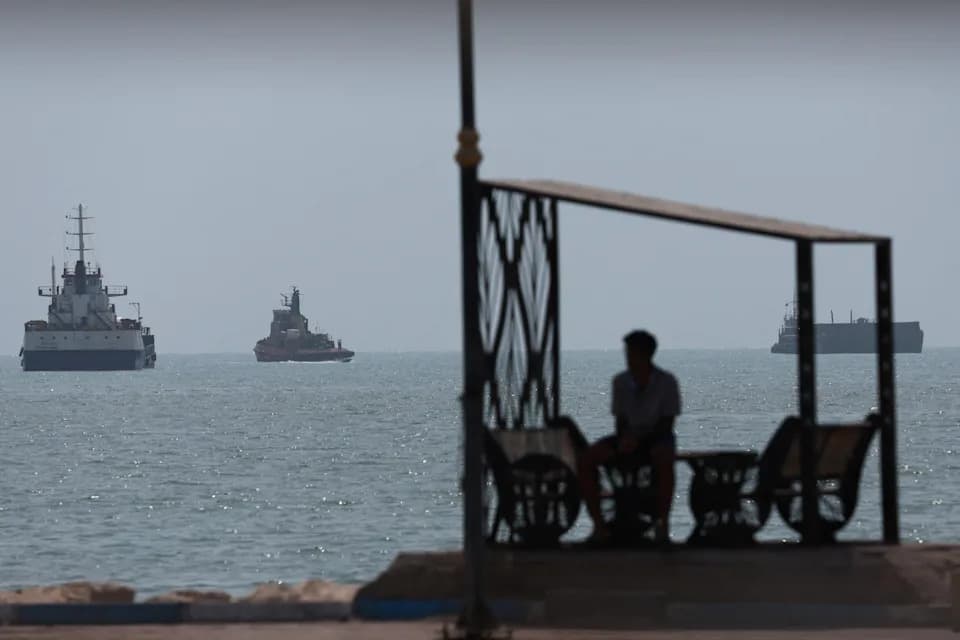
The delegation’s trip comes amid an ongoing confrontation that Iranian officials say began on February 28 following actions by the United States and Israel. Tehran links the hostilities to disruptions of shipping through the Strait of Hormuz and heightened volatility in global energy markets. The Iranian foreign ministry has also criticised the UN’s performance, with Araghchi saying trust in the organisation has eroded because of what he described as its ineffectiveness in preventing or resolving conflict.
President Pezeshkian’s office said U.S. authorities denied visas to members of his accompanying media team and placed restrictions on their movement; the office also said Iranian delegates faced limits on purchasing luxury goods during their stay. Despite those constraints, Pezeshkian plans meetings with Iranian expatriates, academics, think tanks and international media.
Conditions, Military Signals and Domestic Divisions
Mohsen Rezaei, secretary of Iran’s Supreme National Security Council, told Al Jazeera that Tehran has communicated seven conditions to Washington for reopening the Strait of Hormuz. These reported conditions include: an end to hostilities on all fronts; the release of frozen Iranian assets; lifting the blockade on southern ports; halting military attacks on Iranian territory; and non-interference in Iran’s internal affairs. Rezaei also warned Tehran remains prepared for intensified fighting and said Iran could reconsider its NPT commitments depending on future developments — an assertion framed by Iranian officials as contingent on external actions.
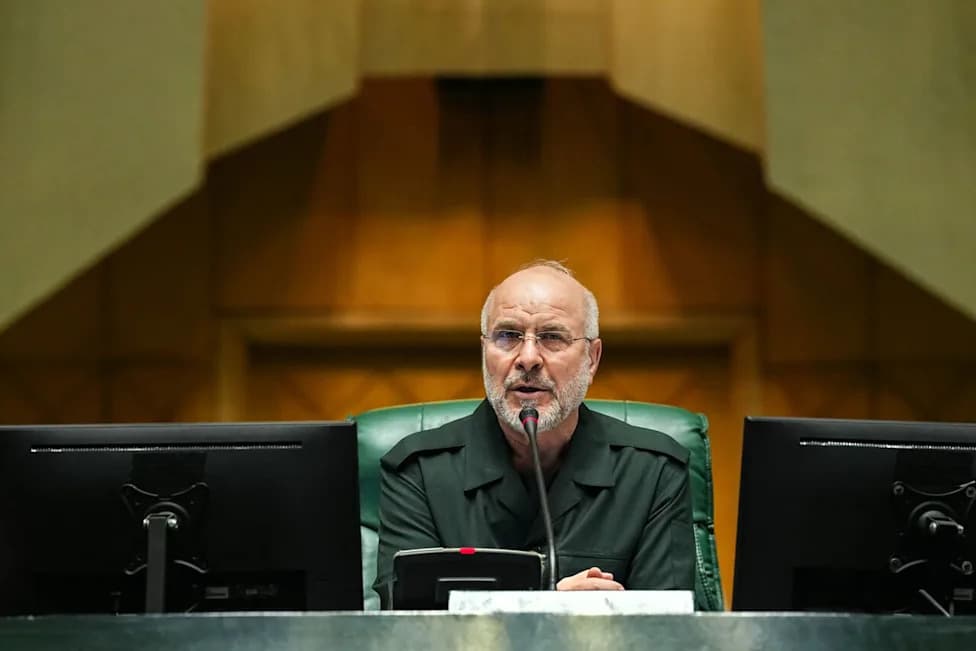
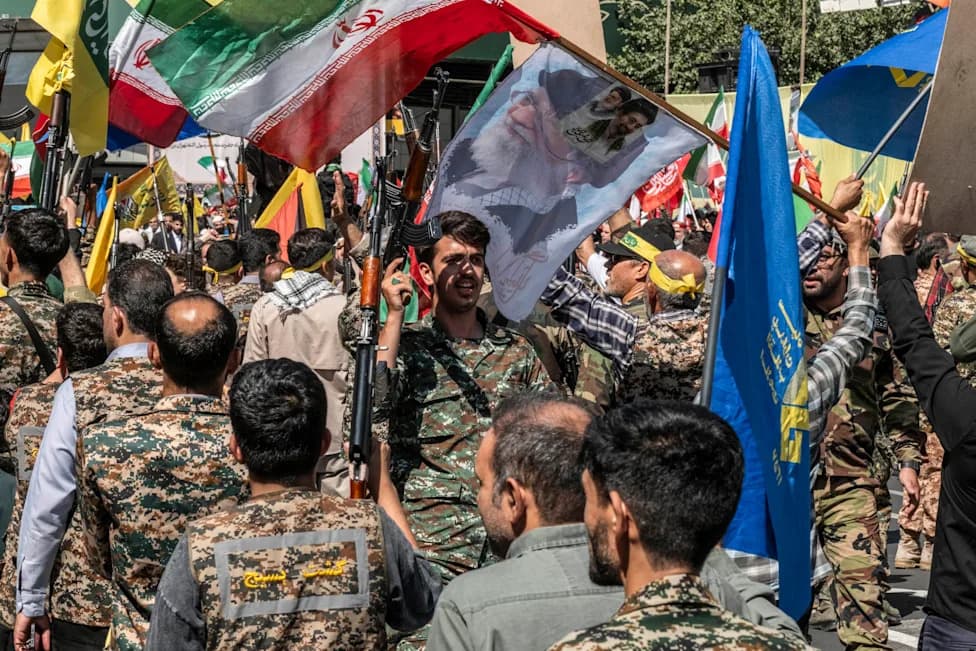
Inside Iran, opinion is divided. Some political factions favour negotiating an end to the confrontations, while hardline elements advocate continuing or escalating pressure until Tehran’s demands are met. The Islamic Revolutionary Guard Corps (IRGC) has made statements signaling readiness to use new weapons systems if necessary, but its spokesman also said Iran remains open to negotiations “if our national interests call for it.” Parliament speaker Mohammad Bagher Ghalibaf — who is acting as chief negotiator for the delegation — has said both diplomacy and continued pressure remain options.
Regional Diplomacy and International Responses
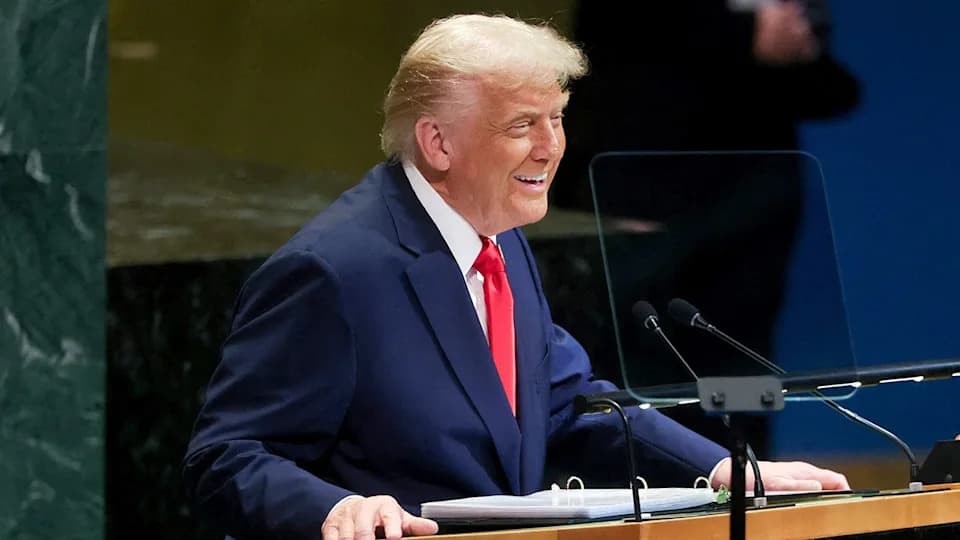
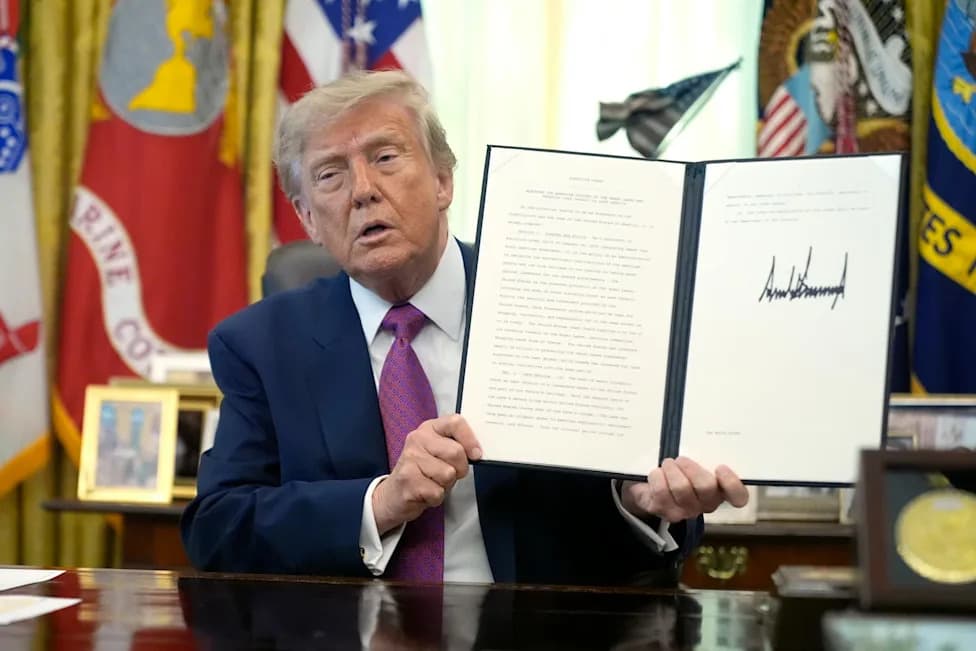
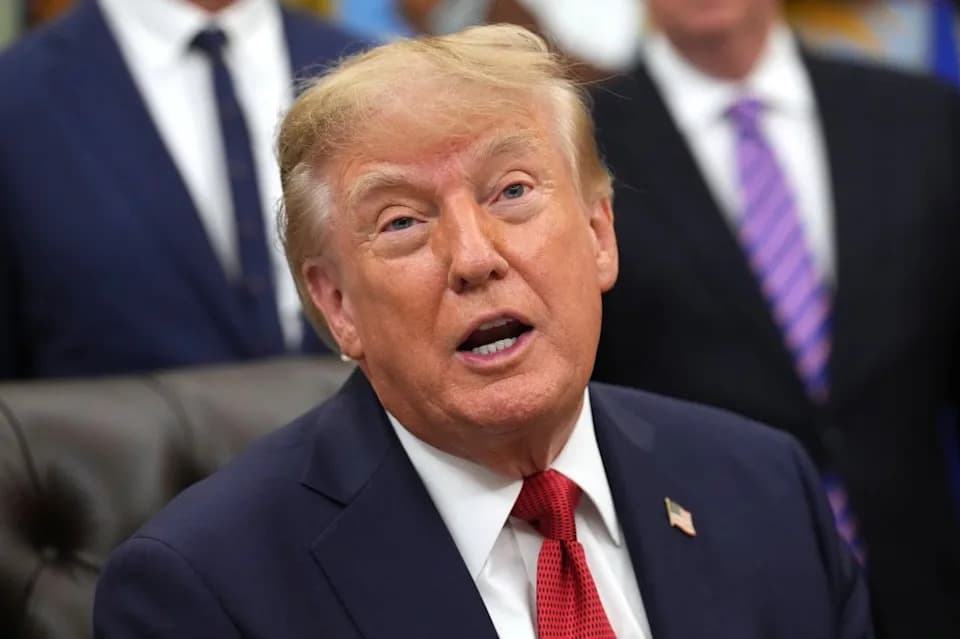
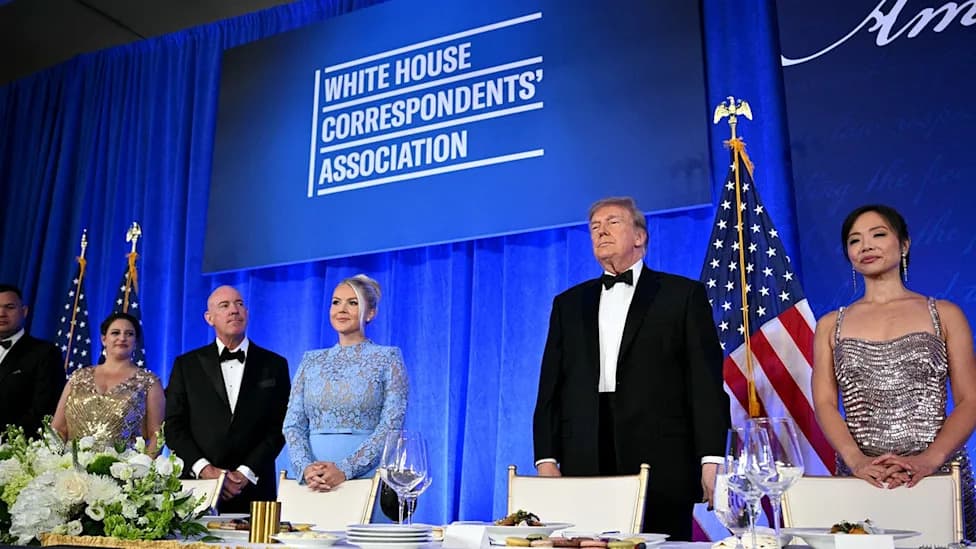
The visit coincides with U.S. consultations with Gulf Arab leaders: President Donald Trump said he was considering a major new military operation but wanted to hear views from regional partners first. He plans to meet representatives from Saudi Arabia, the UAE, Qatar, Oman, Kuwait and Bahrain in New York. Regional mediators such as Pakistan, Qatar, Oman and Turkiye have been pushing for diplomatic solutions amid concerns about wider escalation, including parallel fighting in Yemen where the Iran-aligned Houthi movement has extended control over parts of the Bab al-Mandeb strait.
The Iranian delegation is due to remain in New York for five days and return to Tehran on Saturday.
Image caption: A woman touches the grave of a deceased relative as people gather to mourn at the cemetery of Minab City on May 14, 2026 in Minab, Iran [Majid Saeedi/Getty Images].
Help us improve.