Over the past year, at least 10 reports describe Black people found hanging across multiple U.S. states. Families and civil-rights groups question some official rulings and point to the legacy of lynching and unequal investigative outcomes. The Legal Defense Fund is urging a congressional commission, better federal data, and independent reviews. Experts say historical trauma helps explain why communities demand fuller transparency and accountability.
A String Of Hanging Deaths Prompts Black Families To Demand Answers And Federal Oversight

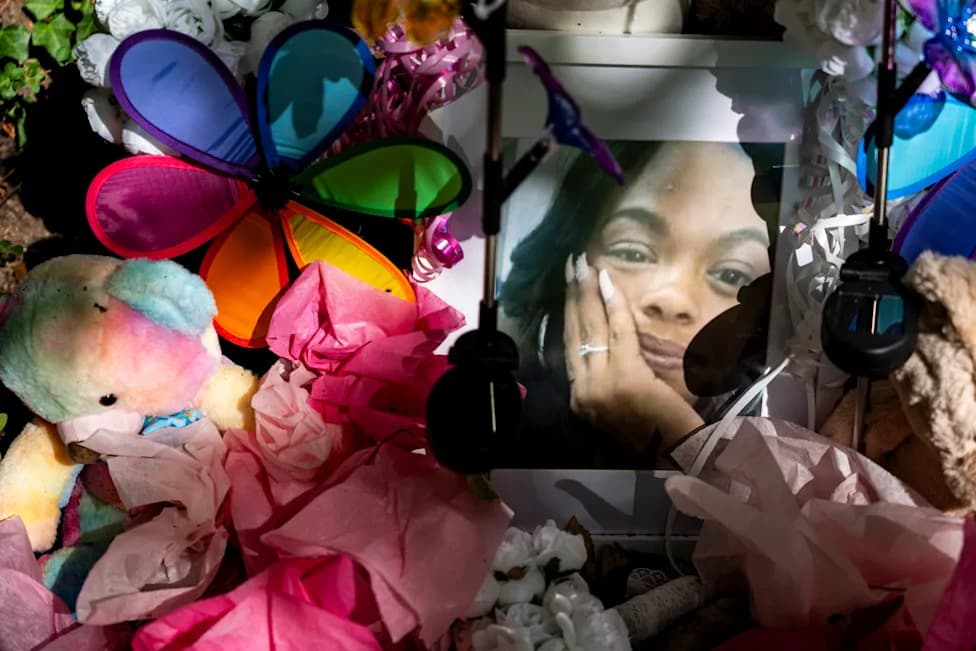
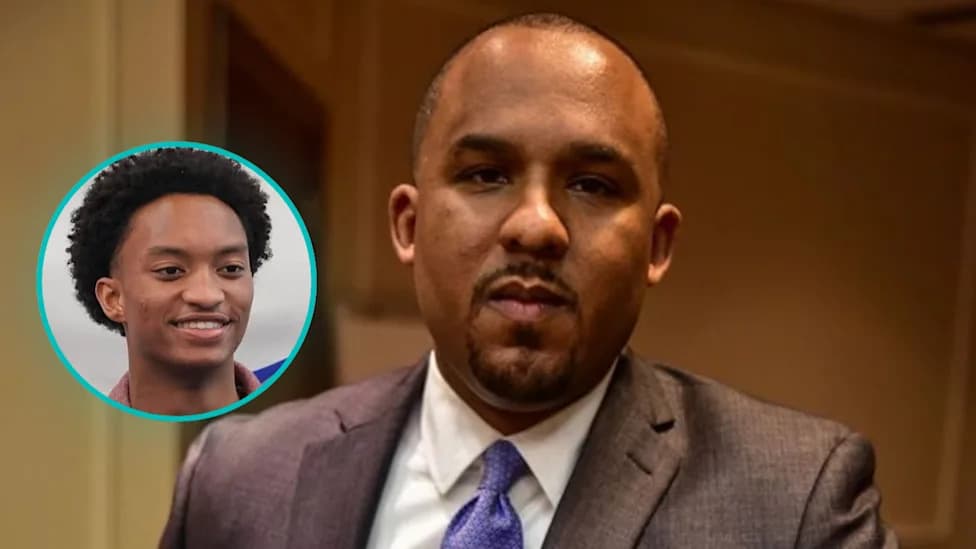
The mother of Tasia Fortune insists that her daughter did not take her own life. "I know my daughter, and she did not do this to herself," Christy Spivey said. (GoFundMe)
Trigger Warning: This article discusses suicide, self-harm, and deaths in traumatic circumstances. If you or someone you know is struggling, help is available: call or text 988 to reach the Suicide & Crisis Lifeline, or use the chat at 988lifeline.org for 24/7 support.
Over the past year, at least 10 news reports have described Black people found dead hanging in multiple U.S. states, from the Deep South to the Midwest. In some cases officials have ruled the deaths suicides; in others authorities have not publicly said whether they suspect foul play. The pattern, plus limited public information in many investigations, has left families and civil-rights advocates demanding greater transparency and independent review.
Why Families and Advocates Are Alarmed
For many observers, a Black person found hanging evokes the painful history of lynching in the United States and the cover-ups that often followed. That historical trauma, paired with data showing law enforcement closes homicide investigations involving Black victims at lower rates than for white victims, has eroded trust in some official conclusions.
“For generations, Black communities have lived with the knowledge that Black people could be subjected to violence in ways that were not always acknowledged, investigated, or treated with the seriousness they deserved by law enforcement,” said Keisha Blain, a historian and professor at Brown University.
Psychologists and sociologists say historical memory helps explain why communities react strongly when someone is found hanging. Sherry David Molock, a psychology professor at George Washington University, told reporters that such imagery naturally triggers questions about whether a full and impartial investigation has taken place.
Calls For Federal Action
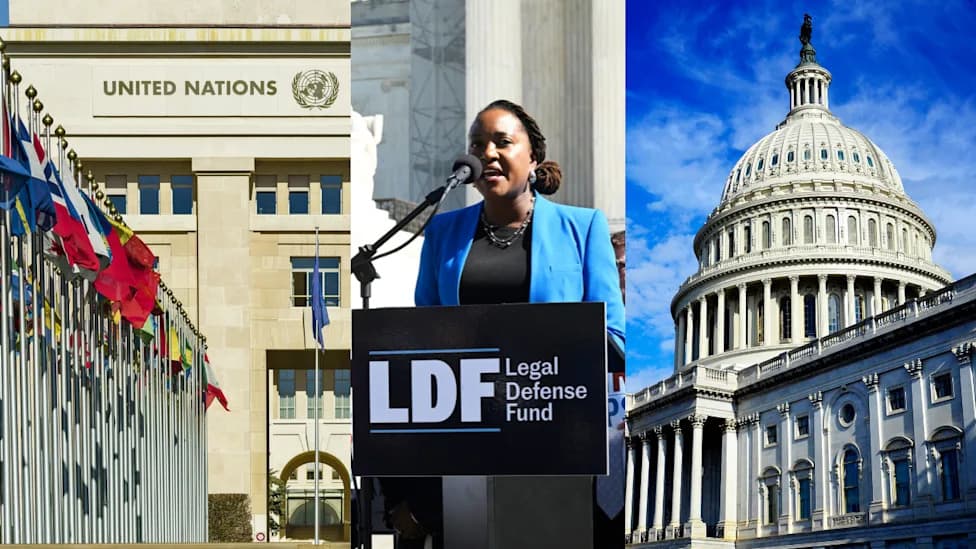
The Legal Defense Fund (LDF) has urged Congress to create a bipartisan commission to investigate suspicious deaths of Black people nationwide, improve federal data collection, and make findings public. The LDF’s Aug. 24 letter reflects wider frustration over unresolved or inconclusive cases and the absence of a comprehensive national accounting.
Independent organizations have also tried to quantify the problem. A recent report identified 70 cases from 2000 to 2025 described as "modern-day lynchings" across several Southern states. Advocates say better federal reporting, independent autopsies, and transparent investigations could help rebuild public trust.
Selected Cases That Have Drawn Attention
Below are several widely reported incidents that illustrate why families and communities are demanding answers. In many of these cases, authorities have either ruled the deaths suicides or said there was no evidence of foul play; in others, investigations remain unresolved.
Upper Marlboro, Md. (Sept.) — An unidentified Black man was found hanging from a tree. County officials called the death a suicide and the medical examiner later confirmed that finding. County leaders urged the public to avoid speculation and promised transparency.
Jackson, Miss. (Aug. 3) — Tasia Fortune, 29, was found hanging outside an abandoned house after traveling for a family reunion. Her mother has disputed a suicide finding. Authorities later announced an arrest in the case.
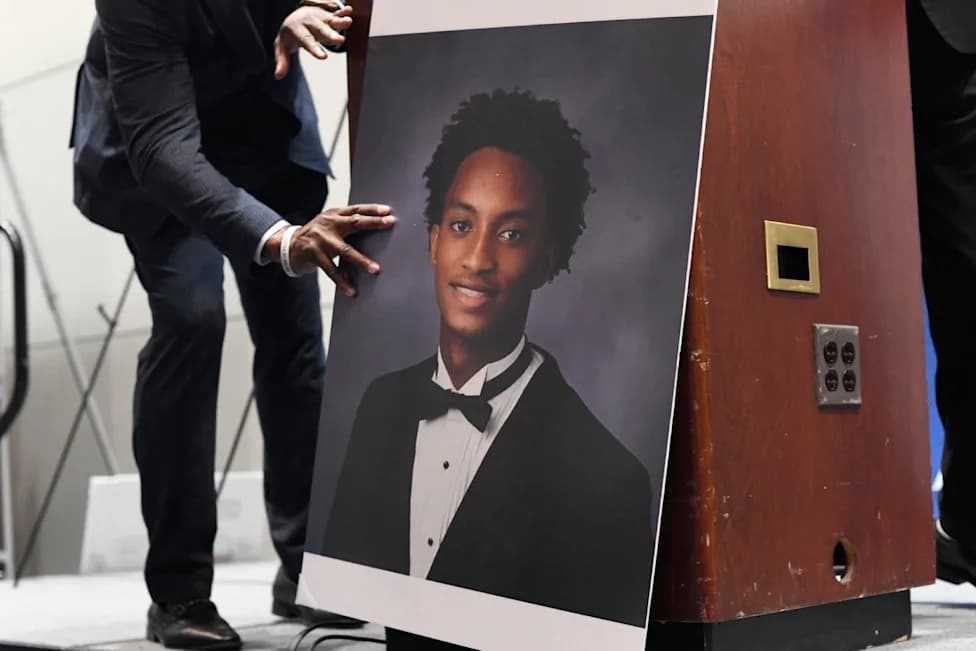
Delta State University, Miss. (Sept. 2025) — Demartravion “Trey” Reed, 21, was found hanging on campus about a month after starting classes. The Mississippi State Medical Examiner found no evidence of foul play; Reed’s family has questioned that ruling and sought independent review.

The family of Demartravion "Trey" Reed say they want to "bring the truth to the light" regarding his death. (Family photo)
Roanoke Rapids, N.C. (Aug. 21) — Demetrius Fleming, 38, was found dead in an apartment after a caller reported a possible suicide. Fleming’s obituary described him as outgoing and community-minded; he is survived by nine children.
Raleigh, N.C. — A 32-year-old Black man was found hanging from a tree downtown. Police released surveillance video showing the man alone with a cord; investigators said his mother reported he had been struggling with mental-health issues.
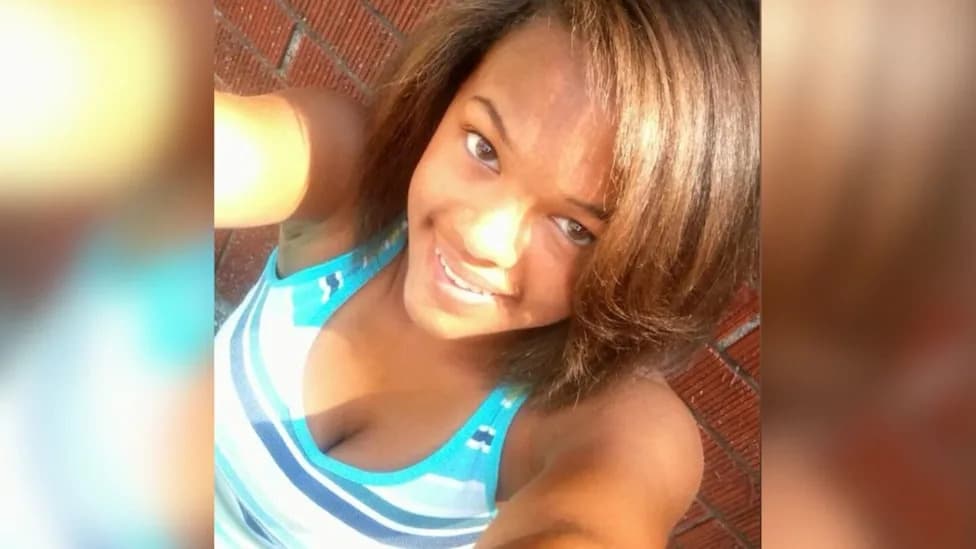
Charlotte, N.C. (April) — Juliana Nzita, 16 and an immigrant from the Democratic Republic of the Congo, was reported missing and found 11 days later on church property. Investigators reported no defensive wounds or signs of external involvement.
Albany, Ga. (June) — Justice Kai James, 21, was found hanging outside a job-training center and later ruled a suicide. His aunt has questioned the conclusion and said she was denied access to surveillance footage by both the center and police.
Cobb County, Ga. (Feb.) — Kyle Bassinga, 21, was found hanging in a county park. Surveillance footage reportedly shows him walking into the woods alone; authorities ruled the death a suicide, which sparked public outcry.
Miami, Fla. (June) — To'Nea Nicole Miller, 27, was found hanging in Gwen Cherry Park. The Miami-Dade Sheriff’s Office and the medical examiner ruled the death a suicide; family members dispute that finding and question details in official statements.
Rothbury, Mich. — Jerard “Jay” Jackson, 28, was found dead in a wooded area while attending a music festival. Police located his keys and wallet nearby and said there was no evidence of foul play.
Brookfield, Wis. (Nov. 2025) — Torrance “Tory” Medley, 39, was found hanging at a golf course. Police said surveillance did not show evidence of a crime; the family commissioned an independent autopsy and an attorney, and the family’s findings have not been released publicly.
What Families Want
Families and advocates are calling for:
- Transparent, thorough investigations and timely public updates;
- Independent autopsies or third-party reviews when families request them;
- Improved federal data collection and public reporting of suspicious deaths; and
- A federal commission to examine patterns, recommend reforms, and restore accountability.
These demands reflect a broader concern about how suspicious deaths are classified and investigated, and about whether existing systems adequately protect and value Black lives.
Note: This article summarizes reporting from multiple local and national news outlets and statements from civil-rights organizations. As investigations continue, official findings and legal actions may change the status or conclusions of individual cases.
Help us improve.