Tucker Carlson told NPR's Newsmakers podcast that President Donald Trump should have been removed under Section 4 of the 25th Amendment after what Carlson characterized as threats to use nuclear force against Iran. Carlson, once a visible Trump ally, urged Cabinet secretaries to act and even speculated that Trump may not have been the sole decision-maker — a claim with no credible public evidence. The piece explains that the 25th Amendment is most often used for temporary, voluntary transfers of power for medical procedures and notes that Section 4 has never been invoked.
Tucker Carlson Urges Trump’s Cabinet To Invoke 25th Amendment After Reported Nuclear Threats Toward Iran
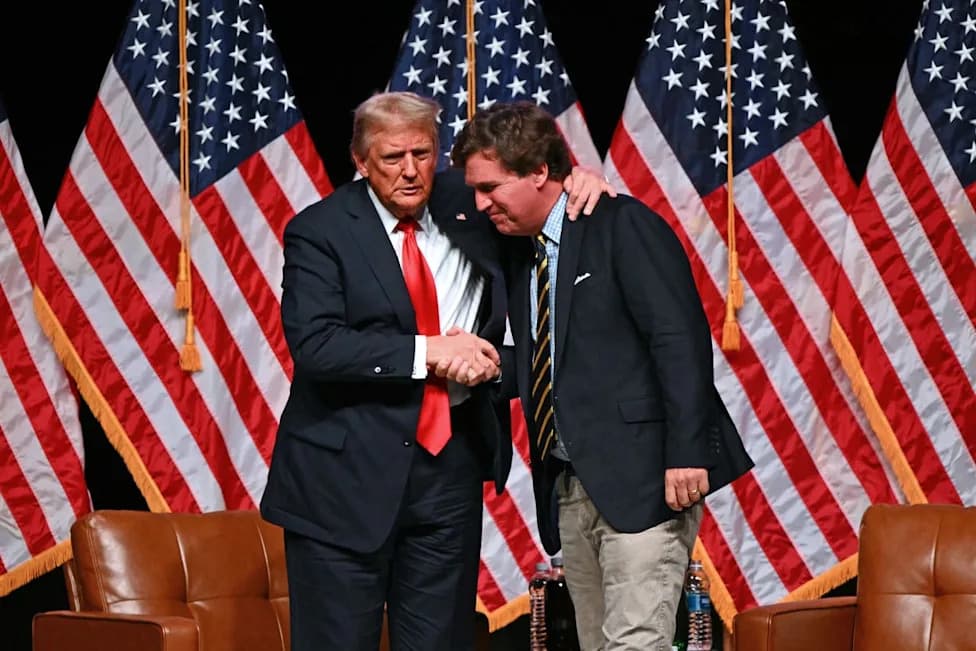
Tucker Carlson says Trump’s Cabinet must remove him from office under the 25th Amendment
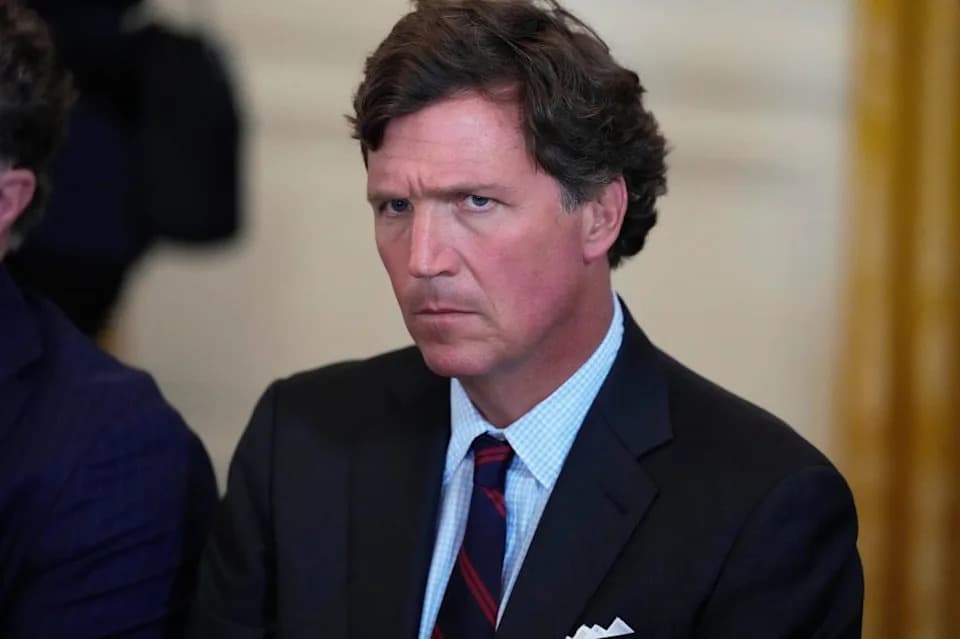
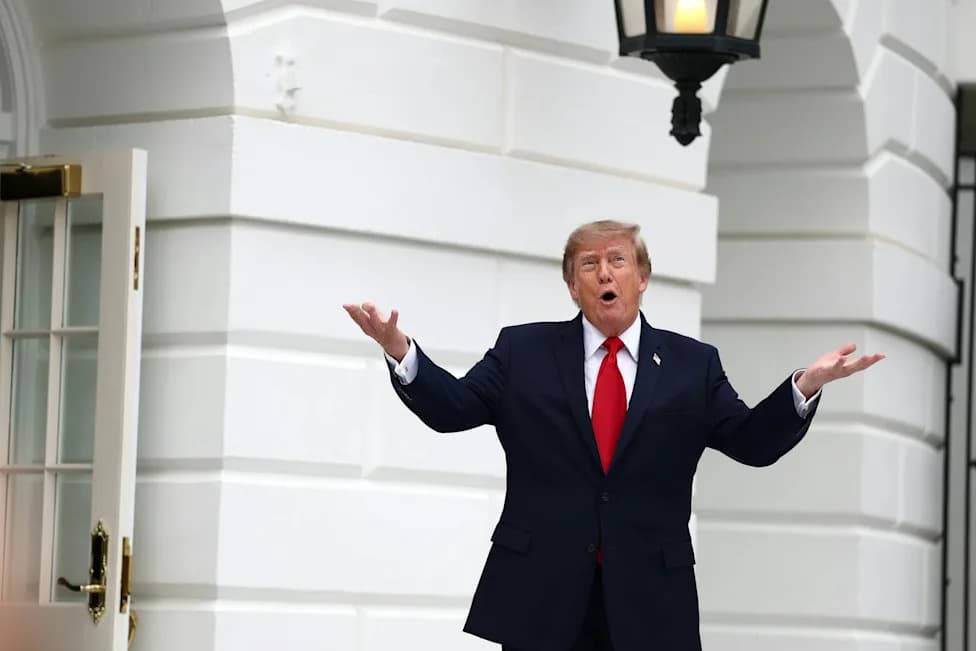
Tucker Carlson said on NPR's Newsmakers podcast that President Donald Trump should have been removed from office under the 25th Amendment after what Carlson described as threats to use nuclear force against Iran. Carlson, once a public supporter of Trump, criticized the president's conduct in the conflict with Tehran and urged Cabinet secretaries to act.
During the interview, Carlson told host Steve Inskeep that Mr. Trump "should have been bundled up and taken out" by his Cabinet the moment he threatened a nuclear attack. When Inskeep asked whether he was referring to the 25th Amendment, Carlson replied that Section 4 should have been invoked.
'That's correct. He should have been bundled up and taken out. That's a crime. There's no greater crime than that,' Carlson said on the podcast.
Carlson also suggested, without presenting evidence, that Mr. Trump may not have been the sole decision-maker in the U.S. response alongside Israel. There is currently no credible evidence that anyone other than the president led the U.S. into the reported confrontation with Tehran.
What The 25th Amendment Allows
The 25th Amendment permits the vice president and a majority of Cabinet secretaries to declare a president unable to discharge the duties of the office, which would transfer power to the vice president. Section 3 has been used when presidents voluntarily transferred authority temporarily for medical reasons. Section 4, which Carlson called for, allows the Cabinet and vice president to declare the president incapacitated over objections, but it has never been invoked to remove a sitting president.
Historical examples of voluntary transfers under Section 3 include President Ronald Reagan temporarily ceding power to Vice President George H. W. Bush during surgery in 1985, and President George W. Bush transferring authority to Vice President Dick Cheney in 2002 and 2007 for scheduled colonoscopies. The most recent use of Section 3 occurred in 2021 when President Joe Biden temporarily transferred power to Vice President Kamala Harris before a medical procedure.
Context And Legal Thresholds
Invoking Section 4 carries substantial political and legal risk because it requires a majority of Cabinet secretaries (or another body designated by Congress) to sign a declaration of incapacity. If the president contests the declaration, Congress must decide the matter within a specified timeframe. Because Section 4 has never been used, its practical application remains largely untested.
Carlson framed his argument as a moral imperative, arguing that a leader who threatens mass destruction should be removed. Critics would note that such a step would demand clear, demonstrable evidence of incapacity or danger, and would trigger a major constitutional and political confrontation.
This article reports Carlson's comments and the legal mechanisms he referenced. It does not assert as fact the underlying allegation that the president definitively issued an unlawful nuclear threat; it notes Carlson's position and the lack of publicly available evidence that others directed U.S. actions in the Iran matter.
Help us improve.