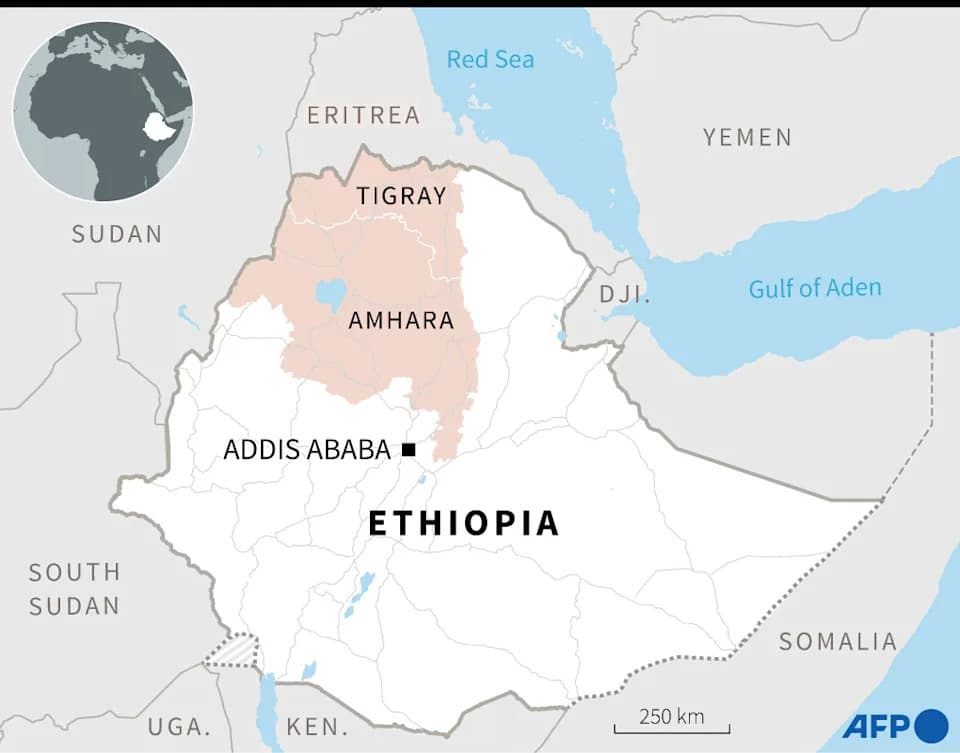
Renewed clashes in northern Ethiopia have undone the 2022 Pretoria peace deal, as the TPLF mobilizes with six other armed groups in a coalition aimed at toppling Prime Minister Abiy Ahmed. TPLF forces seized Mekelle’s airport, and analysts warn that new alliances and possible Eritrean involvement risk expanding the conflict. Regional organizations and international diplomats have called for de-escalation amid concerns for civilians.
Renewed Fighting in Northern Ethiopia Collapses 2022 Pretoria Peace Deal, Raises Risk of Wider Conflict
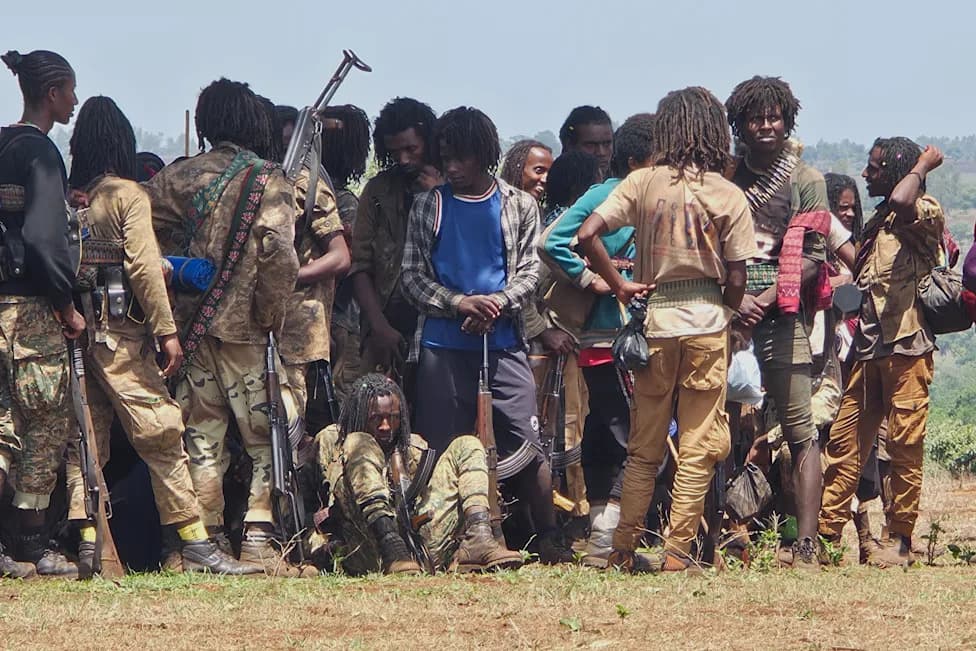
FILE - Oromo Liberation Army (OLA) fighters attend an orientation session in western Oromia, Ethiopia, June 2, 2025. (AP Photo, File)(AP Photo/)
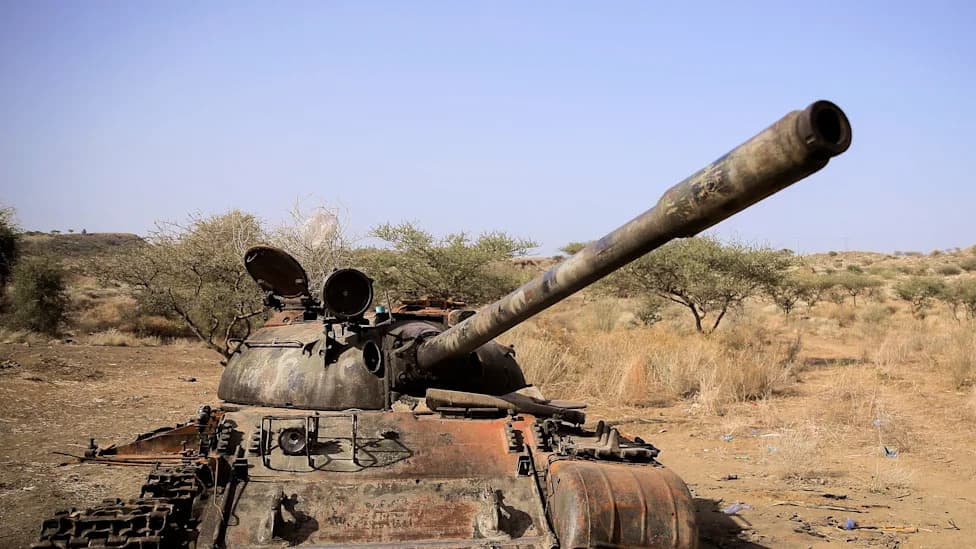
Renewed fighting in northern Ethiopia has effectively shattered the Pretoria peace agreement that ended the 2020–2022 war, as fighters loyal to the Tigray People’s Liberation Front (TPLF) mobilize alongside other opposition groups in what they describe as a campaign to remove Prime Minister Abiy Ahmed.
Who Is Fighting
The main combatants are Ethiopian federal forces and fighters aligned with the TPLF, the political and military organization from Ethiopia’s northern Tigray region. Eritrean troops supported federal forces during the earlier conflict, and analysts say Eritrea may again play a significant role in the region’s shifting alliances.
What Happened
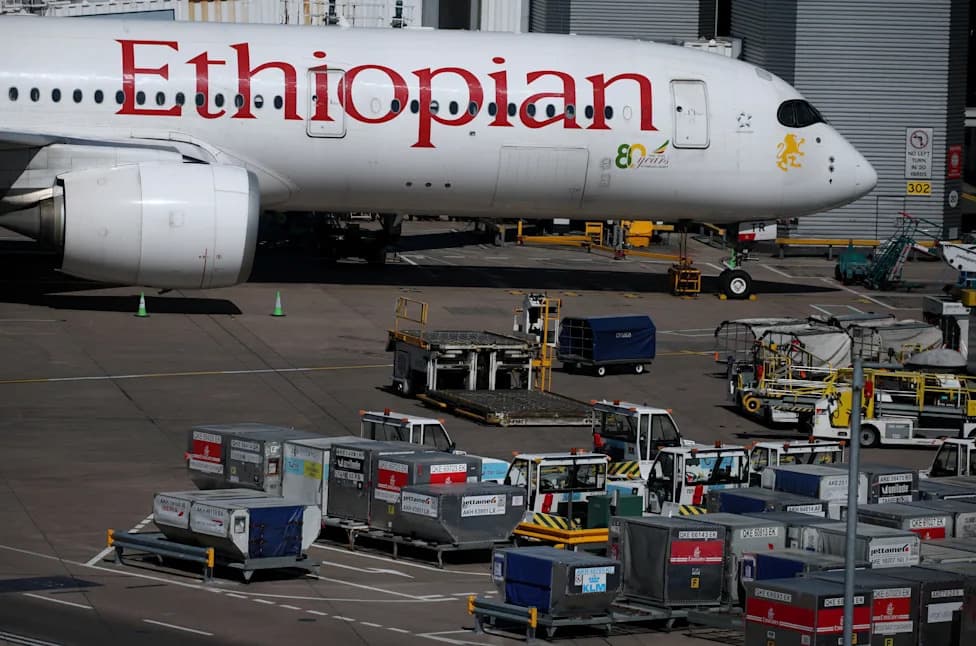
On Wednesday, TPLF fighters seized the airport in Mekelle, the regional capital, prompting Ethiopian Airlines to cancel flights to the city and other destinations in the region. Both sides deny responsibility for initiating the new round of hostilities, and most reported clashes are occurring in remote, rugged mountainous areas.
New Alliance
On Sunday the TPLF announced a coalition with six other armed groups, calling itself the Ethiopian Peoples' Forces Alliance for Survival. The alliance includes the Amhara Fano National Movement, the Oromo Liberation Army, the Ogaden National Liberation Front, the Afar Revolutionary Democratic Unity Front, the Benishangul Peoples' Liberation Movement and the Gumuz Peoples' Democratic Movement. The pact brings together groups that have sometimes been adversaries in the past and could increase pressure on Abiy’s government.
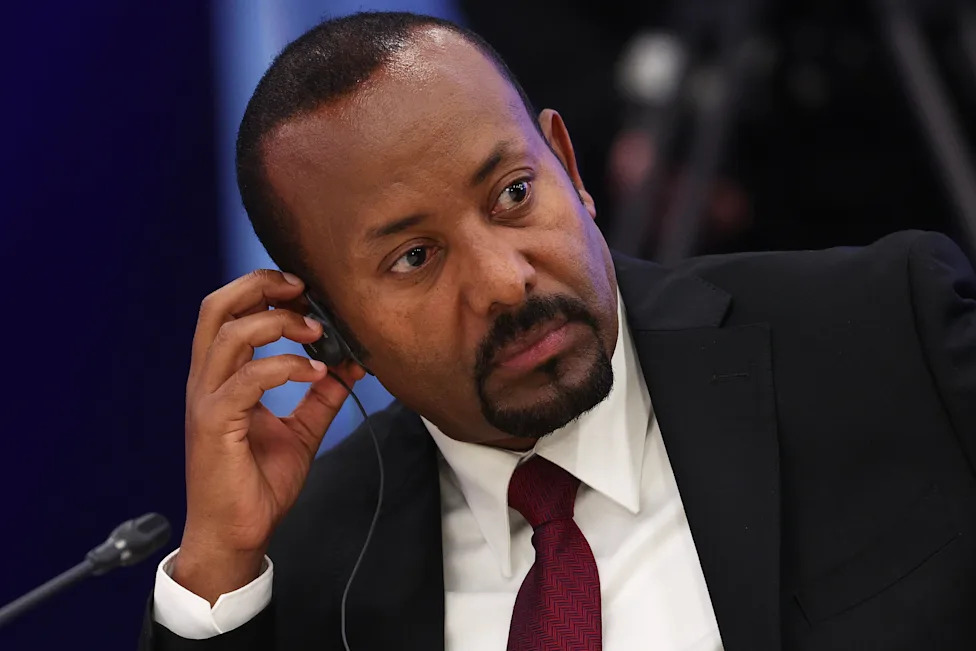
FILE - Ethiopian Prime Minister Abiy Ahmed Ali attends a session at the World Atomic Week forum at the Exhibition of Achievements of National Economy (VDNKh) in Moscow, Russia, Thursday, Sept. 25, 2025. (Sergei Bulkin, Sputnik, Kremlin Pool Photo via AP, File)(Sergei Bulkin/Pool Sputnik Kremlin via AP)
Political Context
After negotiators signed a Pretoria peace accord in November 2022, a caretaker administration widely seen as loyal to Prime Minister Abiy Ahmed was installed in Mekelle. Tensions persisted: in May the TPLF removed the region’s leader, Tadesse Werede, who reported to the federal government, and installed a new council led by Debretsion Gebremichael, a former Tigrayan commander.
Human Cost and International Response
Researchers at Ghent University estimate the civilian death toll from the earlier war at roughly 500,000, a figure that includes deaths from violence, famine and the collapse of health services. International bodies and regional blocs have urged restraint. The African Union and the Intergovernmental Authority on Development (IGAD) called for de-escalation, and U.S. Ambassador Ervin J. Massinga criticized the TPLF’s offensive as an "unwinnable fight" that harms civilians. A TPLF official called that characterization unfair.
Official Tone: The Ethiopian News Agency described the TPLF as a "Trojan horse," accusing it of "repeated attempts to incite conflict" that have tested the government's patience and magnanimity.
Regional Stakes
Analysts warn the current situation differs from the 2020–2022 conflict because of new alliances, including reported cooperation with Fano and potential backing via Eritrea. Kjetil Tronvoll, an analyst at Oslo New University College, noted that supply lines may now be secured through Eritrea, a development that could complicate efforts to contain the violence.
Prime Minister Abiy, who rose to power in 2018 as a reformer and won the 2019 Nobel Peace Prize for efforts to normalize relations with Eritrea, has critics who blame his policies for regional friction—including his push for sovereign access to the Eritrean port of Assab, which has alarmed neighboring states.
Reporting for this story was contributed by Rodney Muhumuza in Kampala, Uganda.
Help us improve.