U.S.-Iran tensions remain elevated after a year of strikes, stalled diplomacy and threats that have made the Strait of Hormuz a major flashpoint. Saudi Arabia briefly issued and then lifted safety alerts for several regions amid Houthi-linked cross-border incidents. At the U.N., Iran's president denied plans for nuclear weapons, displayed images of civilian casualties and insisted Iran "will never bow." Mediated, indirect talks took place in New York, and the UKMTO reported a cargo ship struck in the Strait of Hormuz with two casualties.
U.S.-Iran Standoff: Saudi Safety Alerts Lifted, Mediated UN Talks, and a Ship Struck in the Strait of Hormuz
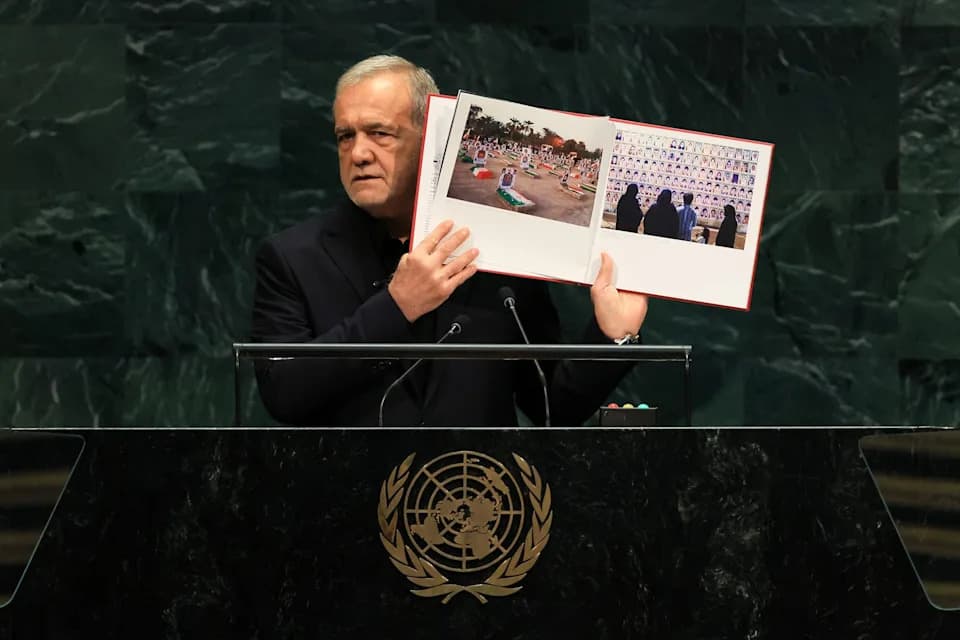
Spencer Platt/Getty Images - PHOTO: Iran's President Masoud Pezeshkian speaks during the 81st United Nations General Assembly at the United Nations Headquarters in New York, September 23, 2026.
Tensions between the United States and Iran remain high after a year marked by military strikes, stalled negotiations and diplomatic brinkmanship. Saudi authorities briefly issued — then lifted — civilian safety alerts for several western regions as cross-border hostilities linked to Houthi activity in Yemen continued. Meanwhile, indirect talks between U.S. and Iranian delegations on the sidelines of the U.N. General Assembly have added a fragile diplomatic thread to an increasingly volatile situation.
Latest Developments
On Feb. 28, President Donald Trump announced "major combat operations" against Iran and said coordinated U.S.-Israeli strikes had targeted Iranian military and infrastructure sites. Delegations from the two countries later held talks in June aimed at a memorandum of understanding to end hostilities, but negotiations collapsed as exchanges of strikes continued through the summer and fall. The strategically important Strait of Hormuz has repeatedly emerged as a flashpoint.
Saudi Civil Defence Alerts
The Saudi General Directorate of Civil Defence posted safety alerts on X for Yanbu, Tabuk, Taif, Mecca and Jeddah amid cross-border incidents tied to the Iran-backed Houthi rebels in Yemen. The directorate lifted the warnings within hours, saying the "danger has passed." Authorities urged residents to follow official guidance and remain alert to further notices.
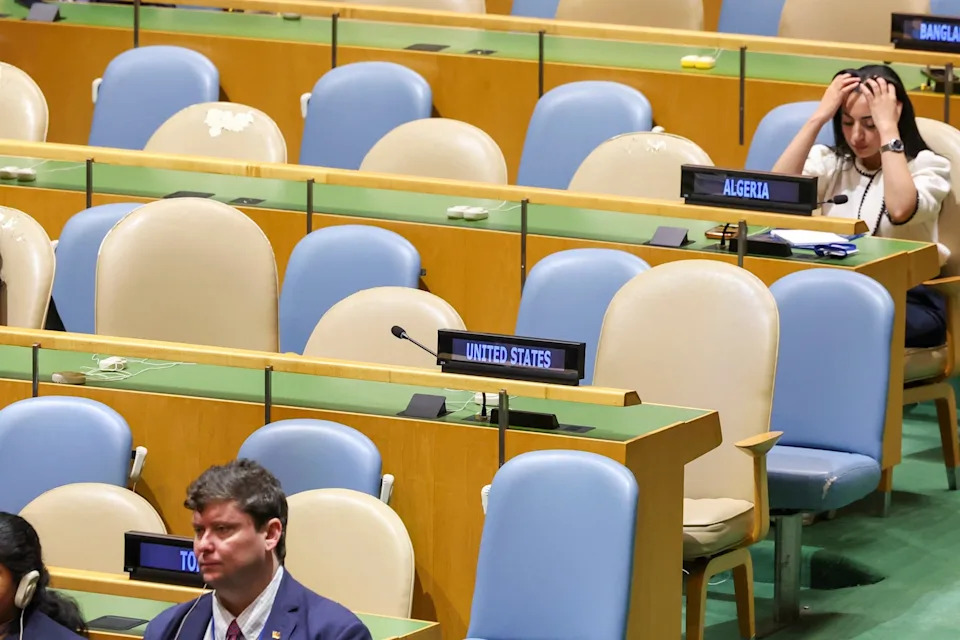
Sarah Yenesel/EPA/Shutterstock - PHOTO: The United States delegation's seats are seen empty as the President of Iran Masoud Pezeshkian speaks during the General Debate of the 81st session of the United Nations General Assembly in New York, New York City, September 23, 2026.
United Nations and Iranian Response
Iranian President Masoud Pezeshkian used his U.N. General Assembly platform to respond directly to U.S. statements, insisting Tehran "will never bow" to threats and denying any intent to develop nuclear weapons. He displayed images of civilian casualties and referenced strikes on a school in Minab and a sports hall in Lamerd — incidents a U.N.-backed report has suggested could amount to war crimes.
"You see these children? These children perished under bombs, with weapons used by the United States and Israel. They were innocent," Pezeshkian said. "We have only defended ourselves. We are not terrorists."
As his speech proceeded, the lone U.S. diplomat present reportedly left the assembly hall.
Diplomacy Through Mediators
Qatar and other intermediaries reportedly relayed messages between Tehran and Washington at the U.N. Special Envoy Steve Witkoff described indirect discussions that took place via mediators, saying they "successfully completed a round of discussions" though details remain limited. Iran's top negotiators say their conditions are fixed and await U.S. implementation; Iranian officials say they are "in no hurry" to resume direct negotiations.
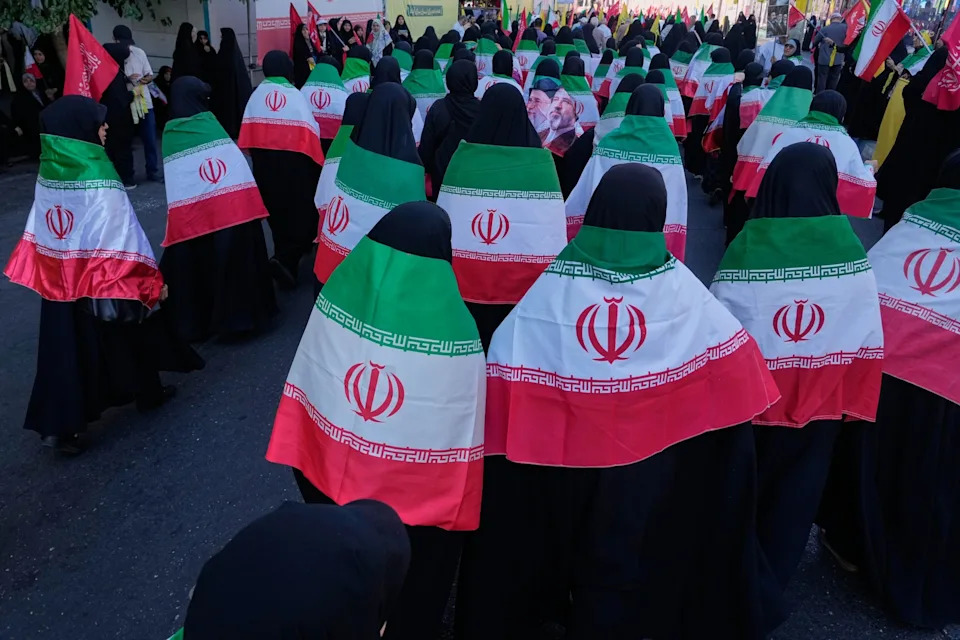
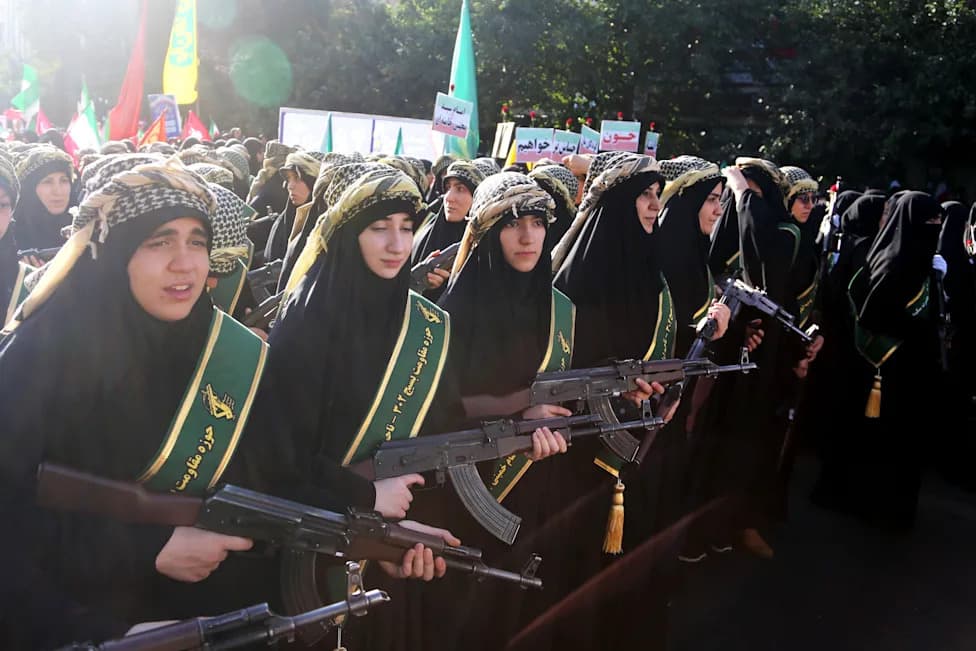
Vahid Salemi/AP Photo - PHOTO: Women draped in Iranian flags march during the state-organized "Janfada," or "Sacrifice for Iran," military-style parade in Tehran, Iran, Sept. 18, 2026.
Aviation, Sanctions and Warnings
Iranian authorities say U.S. sanctions and international pressure have forced the cancellation or rerouting of several regional flights. Iranian officials cited cancellations to Baghdad, parts of Iraq, Oman and Azerbaijan; some services have been rerouted to Najaf. Airlines including Austrian Airlines and FlyDubai announced temporary suspensions of services to Tehran. Iranian Security Council Secretary Mohsen Rezaei warned countries that cooperate with restrictions that their airports could be targeted if they join in punitive actions.
Maritime Incident in the Strait of Hormuz
The United Kingdom Maritime Trade Operations (UKMTO) Centre issued an advisory after a report that a cargo vessel had been struck by an unknown projectile in the Strait of Hormuz. The ship was reported adrift and on fire; the crew was evacuated and two casualties were reported. The incident heightens concerns about the safety of international shipping in the vital waterway.
What Comes Next
The situation remains fluid. Mediated contacts at the U.N. offer a window for de-escalation, but persistent threats, continued attacks and public rhetoric from senior officials on both sides complicate prospects for a stable settlement. Observers say the coming days and weeks will be critical for whether diplomacy gains traction or rhetoric and strikes lead to renewed escalation.
Help us improve.