The Trump administration has asked the US Supreme Court to restore a policy allowing deportations to third countries after a federal appeals court in Boston blocked the measure. The administration says the policy is a lawful tool to curb illegal immigration; critics warn some migrants have been sent to unstable and dangerous countries such as the Central African Republic and South Sudan. The dispute arises from a class‑action suit testing what due‑process protections are required before removing people to countries with which they have no ties.
Trump Administration Asks Supreme Court To Restore 'Third‑Country' Deportations
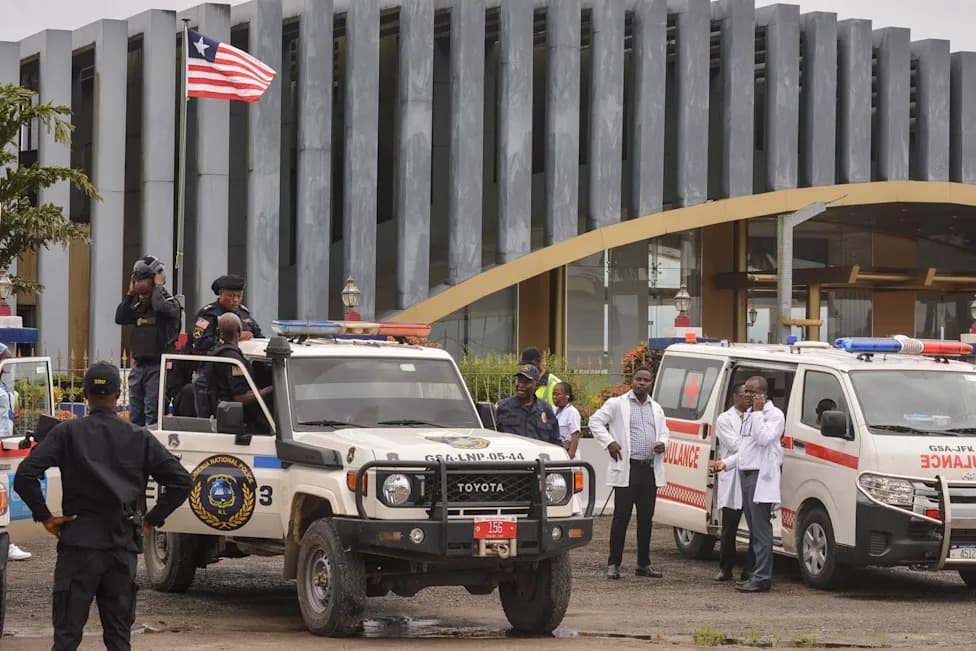
Liberia's national police officers stand guard for a plane carrying migrants deported from the US at the Roberts international airport in Harbel, on 20 August 2026.Photograph: Matthew Jacobs/AFP/Getty Images
The Trump administration has asked the US Supreme Court to reinstate a policy that permits deporting migrants to third countries—nations other than the migrants' country of origin. The Department of Justice filed an emergency application on Thursday after a three‑judge panel of the federal appeals court in Boston upheld a lower‑court injunction that blocked the practice.
Background
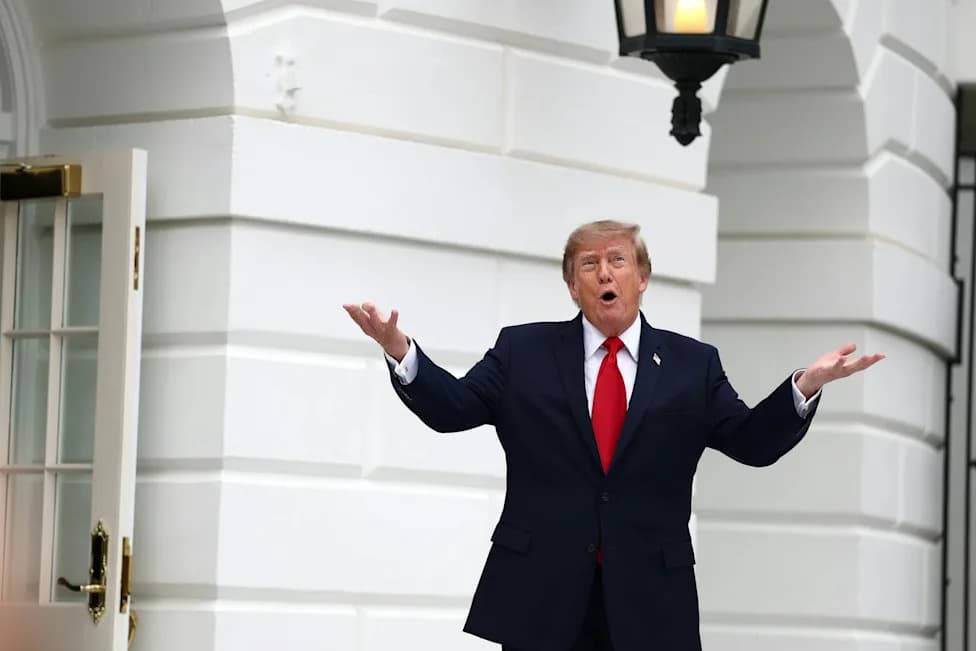
Todd Blanche, the US attorney general, said on X that the appeals court blocked the government "without even allowing the government a chance to respond," and described third‑country removals as an "entirely legal and invaluable tool to stem the tide of illegal immigration." The administration said it would promptly seek relief from the Supreme Court, which previously granted a stay in the same case.
Scope And Destinations
According to Third Country Deportation Watch, a project run by Refugees International and Human Rights First, the US has removed more than 25,000 migrants to at least 29 third countries under a series of agreements with foreign governments. Many of those removals have been to Mexico; others have gone to countries across Latin America, Central Asia, the Caribbean and Africa.
Humanitarian And Legal Concerns
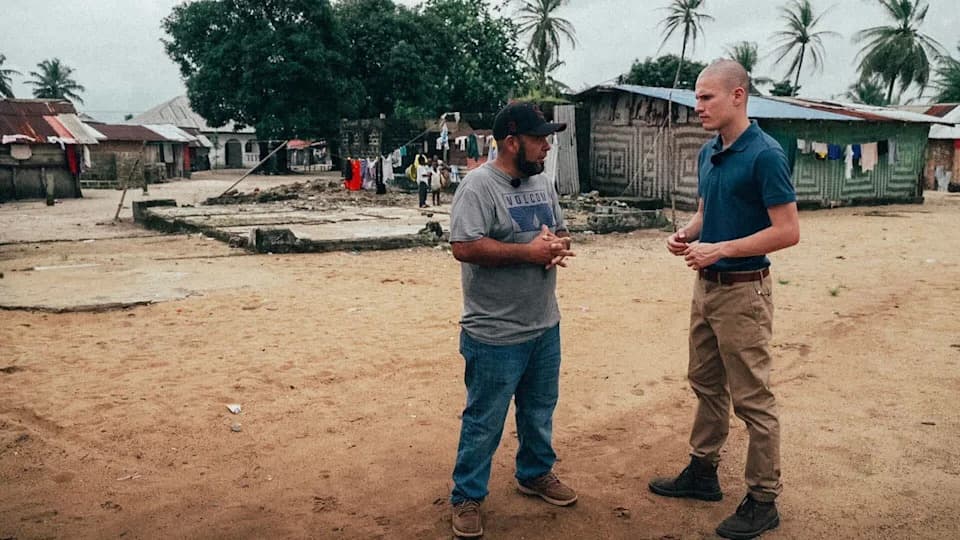
Human‑rights organizations and advocates warn that some migrants have been sent to countries that pose serious dangers. Examples highlighted by critics include the Central African Republic and South Sudan, both facing instability and acute humanitarian crises.
The policy is the subject of a class‑action lawsuit by migrants facing deportation orders. Plaintiffs argue the government must afford stronger due‑process protections before removing people to countries with which they have no connection; the Boston appeals panel agreed with a lower court that the Department of Homeland Security's policy is unlawful.
From DHS Counsel: James Percival, general counsel for DHS, defended the removals on X, rejecting characterizations of the policy as "cruel" and asserting that "what is cruel is allowing criminal illegals who can't be sent home to stay in our communities and victimize anew."
Human‑rights groups have described the policy as "machiavellian," saying migrants sent to unfamiliar countries are often left in "extremely precarious and stressful" situations. The Supreme Court's decision on the emergency filing will determine whether third‑country removals can resume while litigation continues.
Reporting contributed by Reuters.
Help us improve.