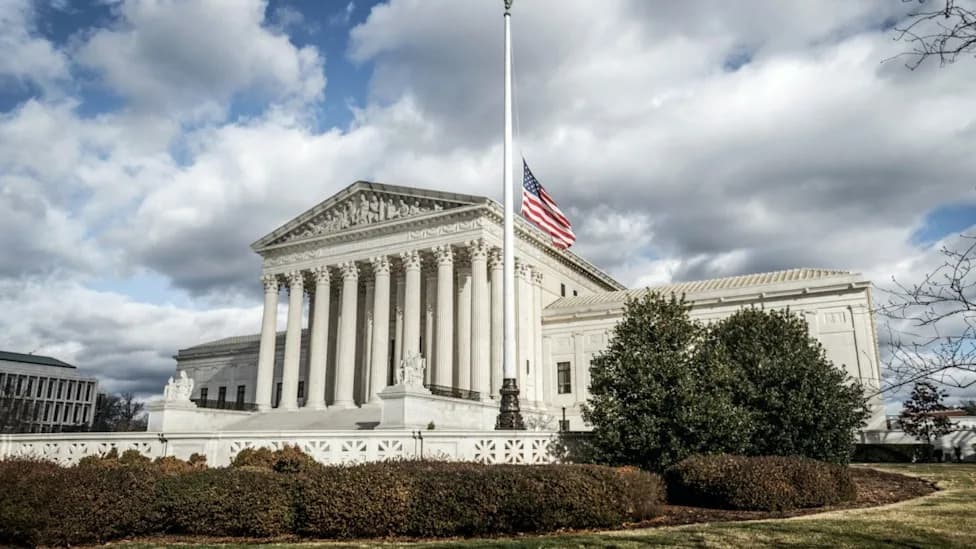
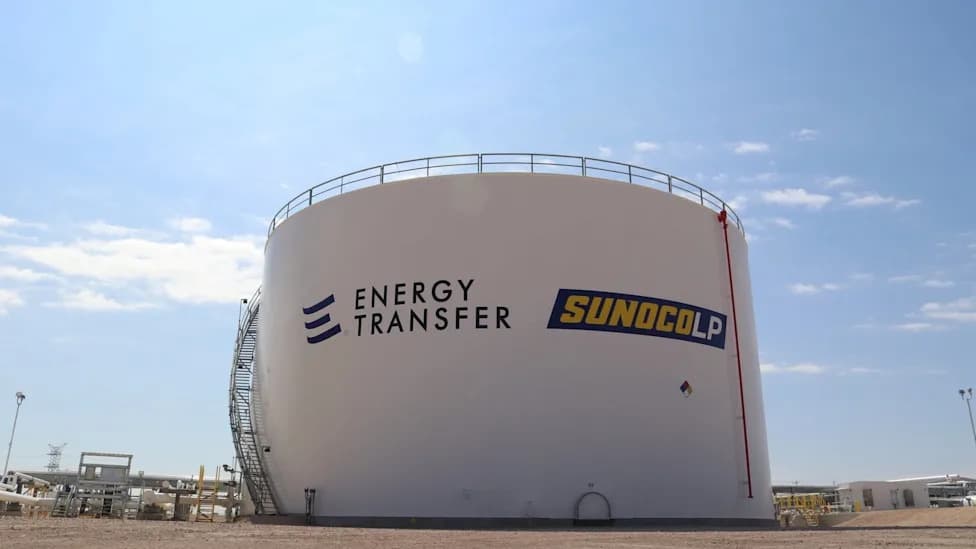
Suncor Energy v. County Commissioners of Boulder will be the first case the Supreme Court hears this term. Boulder accuses Suncor and Exxon Mobil of contributing to climate-driven harms and of misleading the public; it seeks local damages under state tort law. The Colorado Supreme Court held that the Clean Air Act does not preempt those claims. The U.S. Supreme Court will decide whether it can review the case now and whether federal law displaces state tort remedies—an outcome that could reshape future climate liability litigation.
Supreme Court Opens New Term With Landmark Climate Liability Case: Suncor Energy v. Boulder
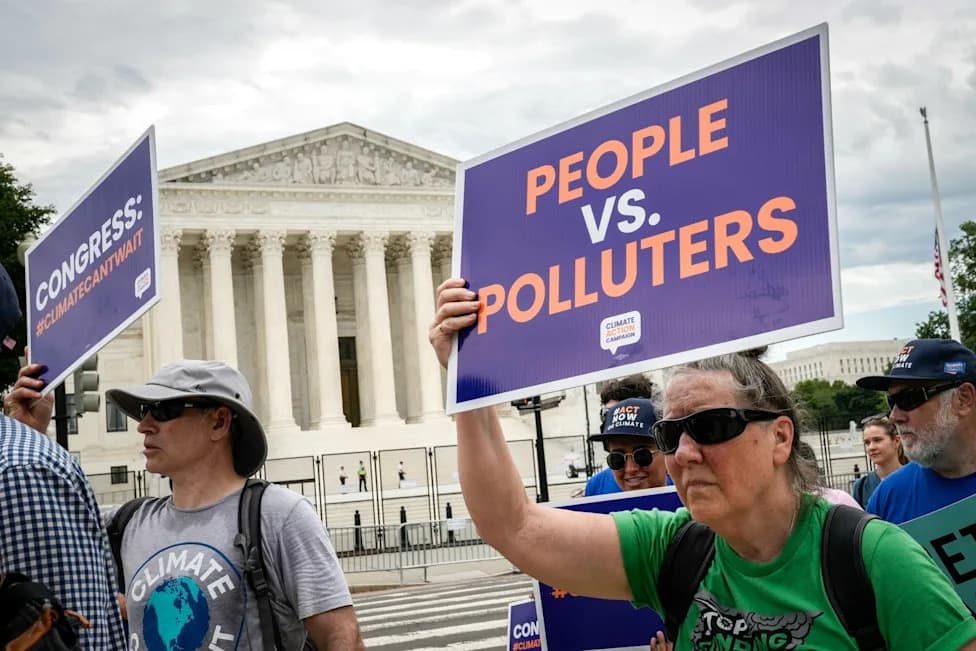
The Major Climate Lawsuit Kicking Off the Supreme Court’s Next Term
The U.S. Supreme Court will open its term with a high-stakes case that could reshape how communities seek redress for climate-driven harms. Suncor Energy v. County Commissioners of Boulder pits Boulder, Colorado—a city and county that say they have suffered from wildfires, drought and other climate impacts—against Suncor Energy and Exxon Mobil, which Boulder accuses of contributing to climate change and of misleading the public about its risks.
What Boulder Claims
Filed in 2018, Boulder’s lawsuit brings traditional state-law claims—nuisance, civil conspiracy, unjust enrichment and related torts—alleging two core wrongs. First, the city says the companies knowingly produced, marketed and sold fossil fuels at scales that contributed to climate change. Second, Boulder alleges the firms intentionally misled the public about the severity of climate risks and the companies’ role in causing them.
Scientific And Historical Context
Scientists overwhelmingly agree that burning fossil fuels has increased greenhouse-gas concentrations and driven global warming. For decades, some fossil-fuel companies challenged or downplayed that science; recent research indicates that certain firms not only understood the risks but also modeled and anticipated the potential harms from continued emissions.
How This Case Fits With Past Product-Liability Suits
Observers compare Boulder’s approach to earlier litigation against tobacco and asbestos manufacturers: efforts to hold producers accountable for long-tail harms caused by widely used products. But Boulder’s claim is narrower in scope: it seeks damages for local harms to residents and municipal costs, not a nationwide restructuring of the energy industry or federal emissions caps.
Legal Path So Far
Suncor and Exxon challenged the case in Colorado courts, arguing among other defenses that federal law—the Clean Air Act (CAA)—preempts state tort suits seeking damages for greenhouse-gas-related harms. The Colorado trial court and, on appeal, the Colorado Supreme Court rejected that preemption argument for three reasons:
- Congress did not expressly state that the CAA preempts state tort claims like Boulder’s.
- The CAA does not implicitly occupy the entire field of emissions regulation because it allows states to maintain their own regulatory regimes.
- There is no direct conflict making it impossible to comply with both federal law and state-law remedies.
Questions Now Before The U.S. Supreme Court
The Supreme Court agreed to hear the case and framed two central questions: (1) whether the Court has jurisdiction to review the Colorado court’s ruling at this procedural stage, and (2) whether federal law preempts state-law tort claims seeking damages for harms tied to greenhouse-gas emissions.
Procedural Issue: Boulder argues that the companies brought the matter to the Supreme Court prematurely—while the case is still at the motion-to-dismiss stage and before other defenses have been fully litigated.
Substantive Issue: The companies contend that climate change is the cumulative result of emissions from every state and nation, making it impossible to trace specific harms to particular actors and therefore inappropriate for state tort recovery. They warn that allowing such suits could expose the industry to massive, dispersed liabilities and could purportedly interfere with federal policymaking and international diplomacy.
Complicating Factors
Public policy and recent shifts in federal climate policy make the dispute more complex. Changes in federal regulatory posture, and legal efforts to scale back certain federal climate regulations, have been cited by commentators as affecting the preemption analysis and the broader context in which the companies press their arguments.
Why The Outcome Matters
The case raises major federalism and separation-of-powers questions: whether states may use traditional tort law to remedy local harms that arise from globally cumulative emissions, or whether federal law and interstate considerations should displace state remedies. If the Court broadens federal preemption or adopts a sweeping view of interstate unsuitability, it could sharply limit municipalities’ ability to seek compensation in state courts. Conversely, a ruling allowing Boulder’s claims to proceed would preserve a forum for local governments and residents to pursue damages for climate-related harms.
The Supreme Court is scheduled to hear oral arguments on October 5. The decision could set important boundaries for future climate-liability litigation and for the role of state courts in addressing local consequences of a global problem.
Help us improve.