Diesel prices have surged from roughly $3.63/gal in early 2025 to records above $6.50 amid Iran-related tensions and shipping disruptions in the Strait of Hormuz, tightening global supplies. The spike disproportionately hurts a heavily male, mostly white and strongly Republican diesel constituency—truckers, veterans and farmers—raising political risk for Donald Trump. Proposals such as export pauses, temporary tax suspensions and tapping strategic reserves are under discussion, and visible anger from former supporters makes diesel a key issue to watch ahead of the midterms.
Diesel Is a Growing Political Liability for Trump as Prices Hit Record Highs
We Now Know the Word That’s Going to Bury Donald Trump This November
Two years after Donald Trump tried to harness a single word—"groceries"—as a symbol of his connection to everyday Americans, another word is emerging as a potential political vulnerability: diesel.
Why Diesel Matters
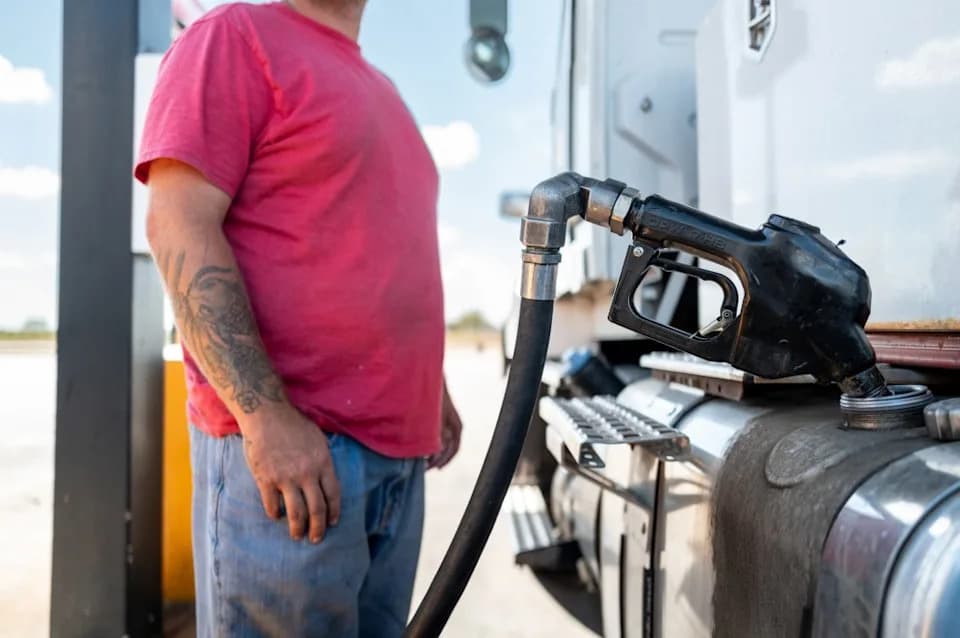
The fuel named for German engineer Rudolf Diesel powers farm equipment, military vehicles, container ships and, most importantly for U.S. politics, heavy-duty trucks. Diesel engines run on a heavier distillate of crude oil than gasoline and are central to freight, agriculture and many elements of the supply chain.
Prices and Global Pressure
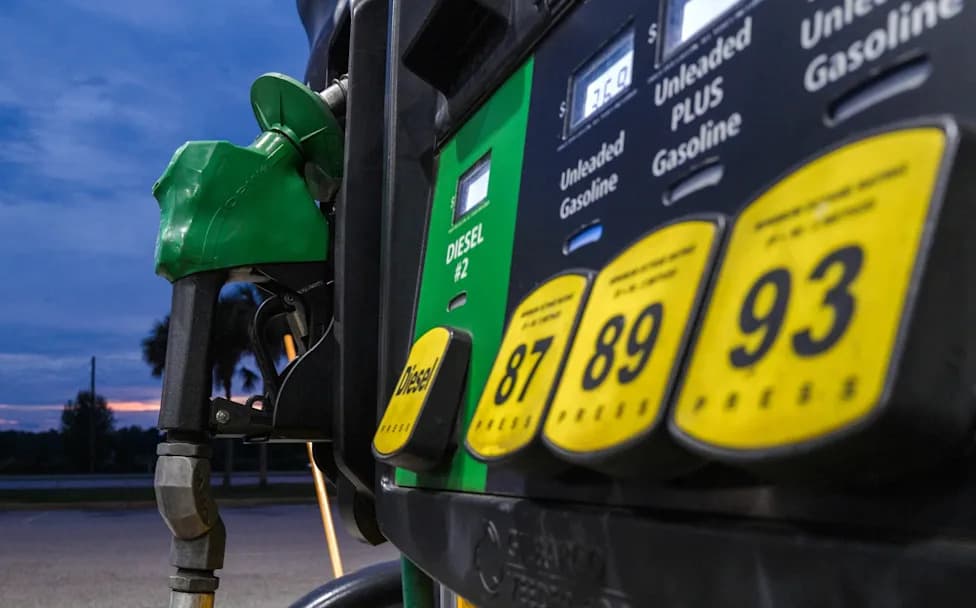
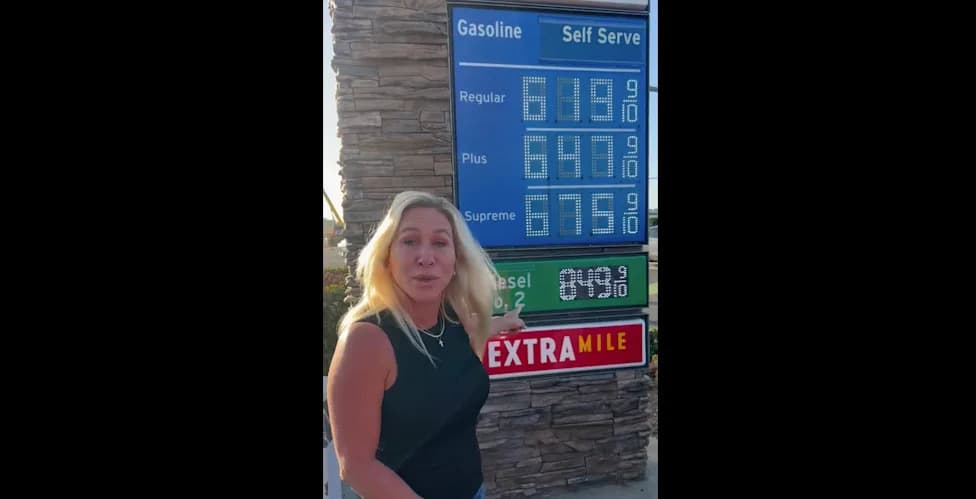
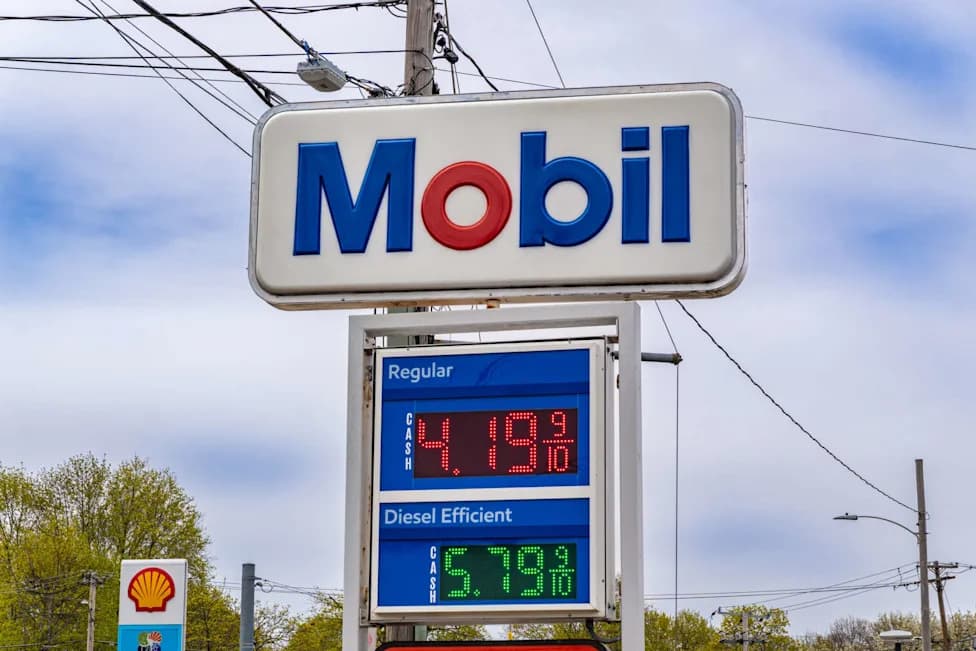
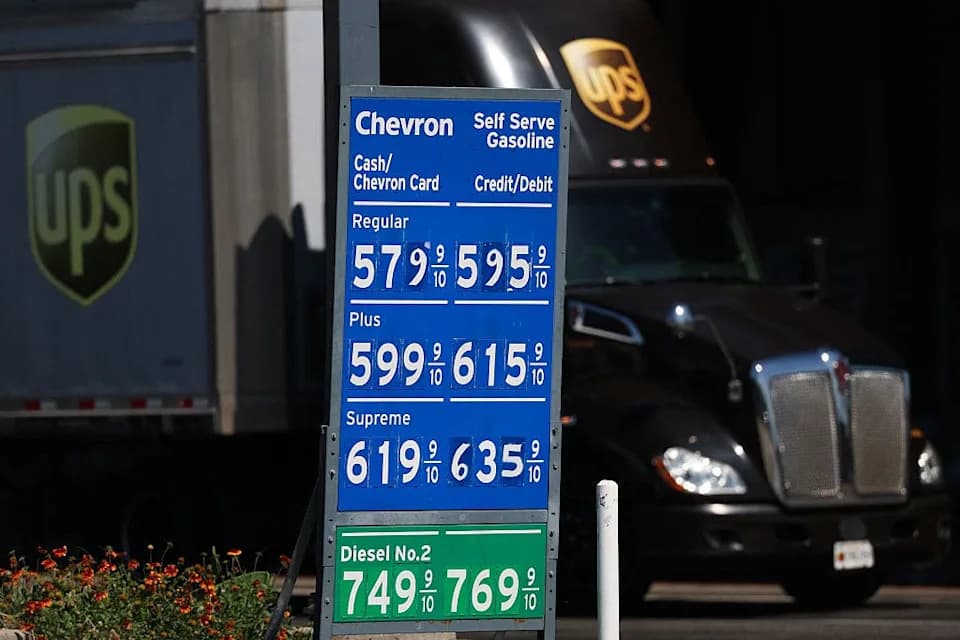
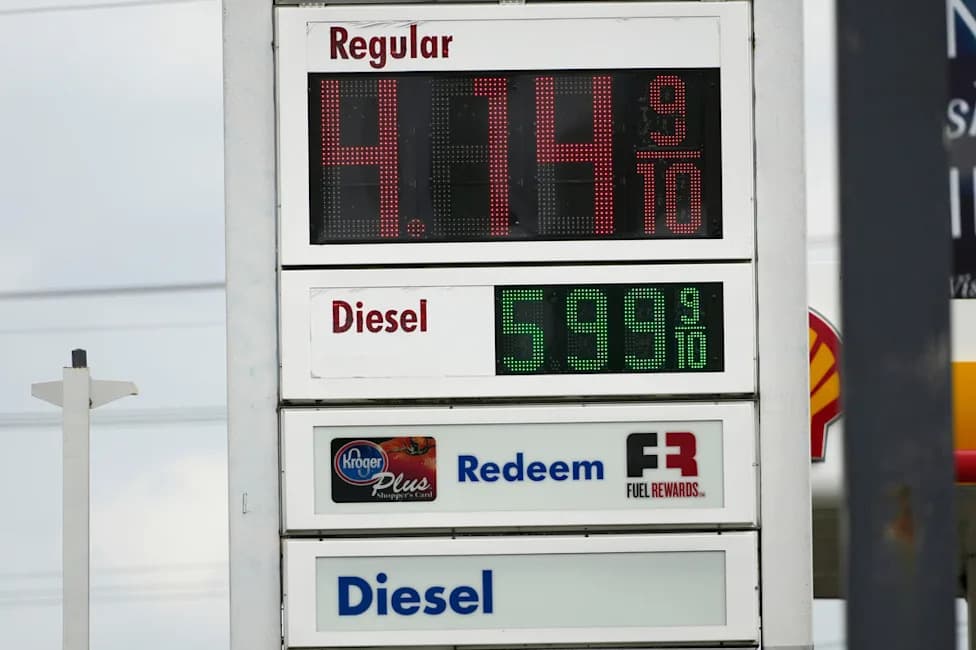
Diesel prices have climbed sharply since Trump returned to office and accelerated after late February, when regional tensions linked to Iran and disruptions to shipping in the Strait of Hormuz tightened crude and refined-fuel supplies. The U.S. average diesel price rose from roughly $3.63 per gallon in early 2025 to an average that first passed $5.85 and then pushed to records above $6.50 this month.
Tom Kloza, chief oil analyst at OPIS/Gulf Oil, posted on X that the national diesel average reached about $6.51 per gallon and warned that panic selling and tight markets could keep prices elevated for some time.
Political Consequences
Rising pump prices for groceries and gasoline has broad electoral impact, but diesel is especially potent politically because it directly affects a core constituency of Trump-aligned voters: truck drivers, many veterans and diesel-dependent small businesses. Heavy-duty diesel truck purchasers skew heavily male (approximately 90%), predominantly white (more than 84%), and strongly Republican—one analysis estimates Republicans buy about eight heavy-duty trucks for every one bought by Democrats.
That demographic matters in key states and districts. Social media is full of anguished posts and viral clips from drivers and former Trump supporters complaining about skyrocketing fill-up costs. There have also been unconfirmed reports of strike talk among truckers, though those reports remain rumorary rather than substantiated.
Administration Responses And Political Blame
Trump has publicly floated measures such as a temporary ban on diesel exports—"Let's not send out the diesel," he said—an option that would be difficult to implement quickly and unlikely to bring immediate relief at the pump. He has also argued that higher fuel costs are part of confronting foreign threats, while at times shifting blame to foreign actors.
Conservative voices have criticized Trump’s handling of fuel prices. Populist congresswoman Marjorie Taylor Greene, for example, blamed decisions tied to the Iran conflict for the domestic fuel crunch. With Trump’s approval ratings slipping in some polls, public frustration within his base carries political risk.
Policy Proposals And Local Politics
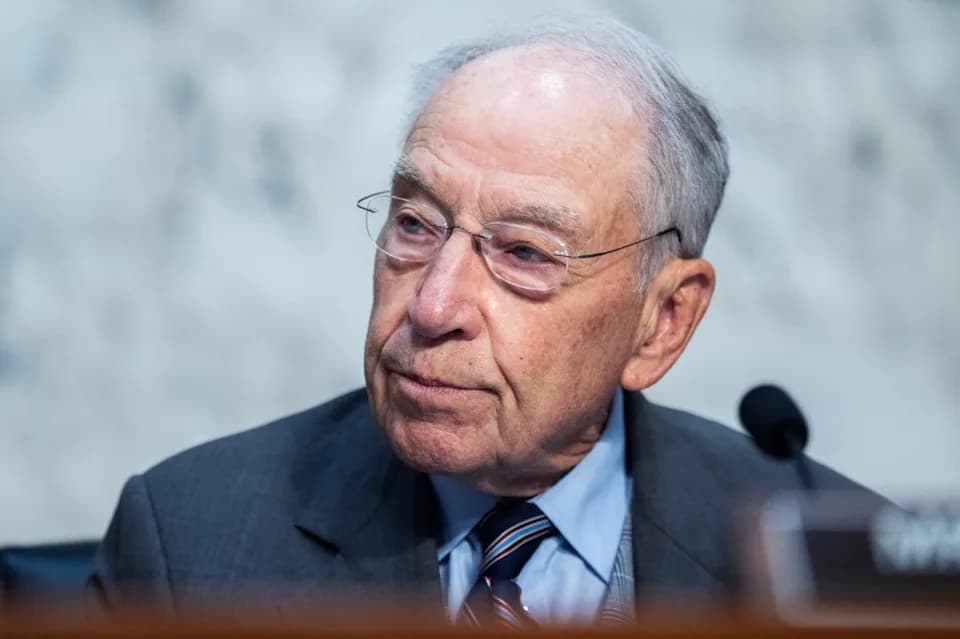
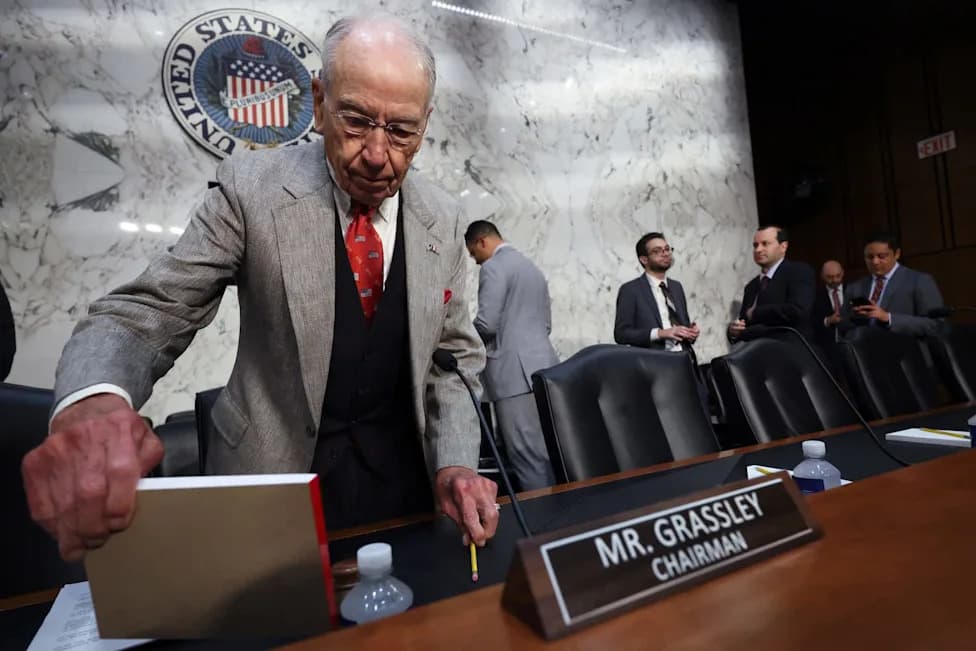
Politicians from both parties have proposed measures to blunt the pain: pausing diesel exports, temporarily suspending federal fuel taxes, and tapping strategic petroleum reserves. In Iowa, Democratic Senate candidate Josh Turek pushed such proposals ahead of harvest season—a period that depends heavily on diesel—and received surprising backing from longtime Republican Senator Chuck Grassley, giving the measures wider visibility.
Meanwhile, Transportation Secretary Sean Duffy has launched the "Freedom Hauler" initiative to encourage veterans to consider trucking careers, framing big-rig driving as aligned with military skills and patriotic service.
What To Watch
In close midterm contests, a concentrated, angry diesel electorate could swing outcomes in battleground districts and farm states. Whether short-term policy actions or market shifts will defuse the anger before voters go to the polls remains uncertain—yet "diesel" has become a useful shorthand for economic pain that could hurt the president at the ballot box.
Help us improve.