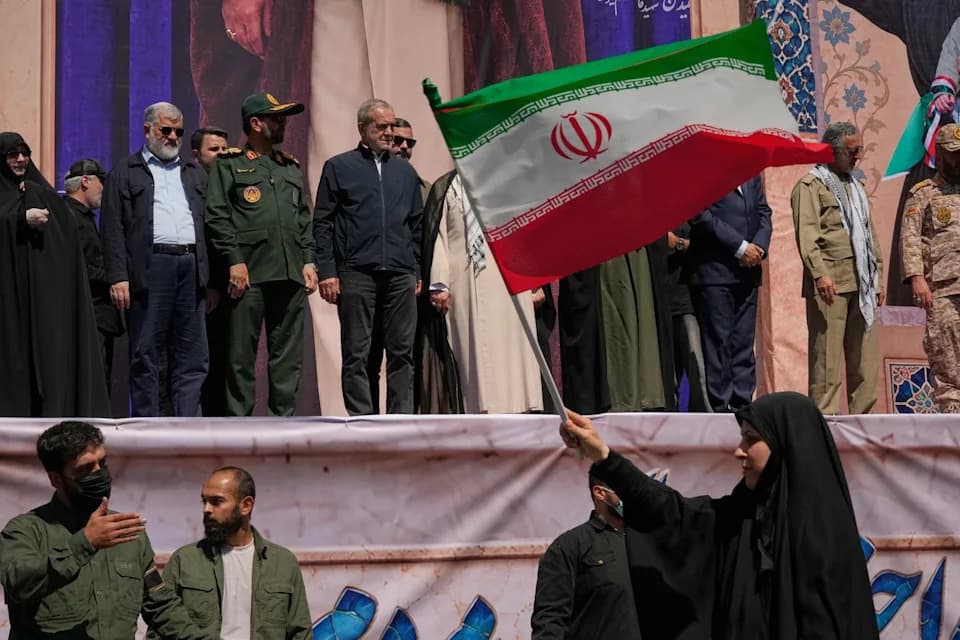
At the UN General Assembly, President Masoud Pezeshkian declared Iran will never "bend the knee" after nearly seven months of conflict with the US and Israel, while expressing a willingness to pursue diplomacy if the US ends its blockade of Iranian shipping. He displayed photographs Iranian authorities say show civilian casualties from recent strikes and repeated that Iran will keep a civilian nuclear programme while rejecting nuclear weapons. Indirect, Qatar-brokered talks between Iranian and US envoys took place in New York, but Tehran says its demands remain unchanged.
Iran’s President Says Nation Will Never “Bend The Knee” but Signals Willingness to Negotiate
[EPA]
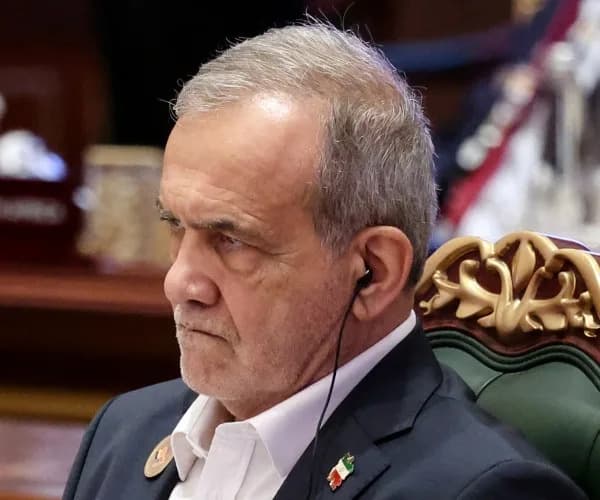
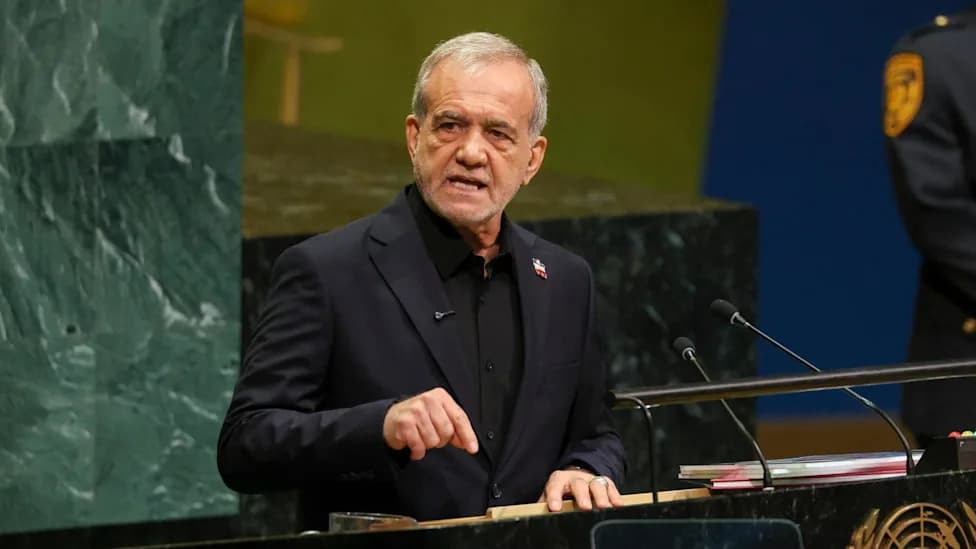
President Masoud Pezeshkian told the UN General Assembly that Iran will not "bend the knee" after nearly seven months of conflict with the United States and Israel, while saying Tehran remains open to a diplomatic resolution — provided key Iranian demands are met.
Defiance and Diplomacy
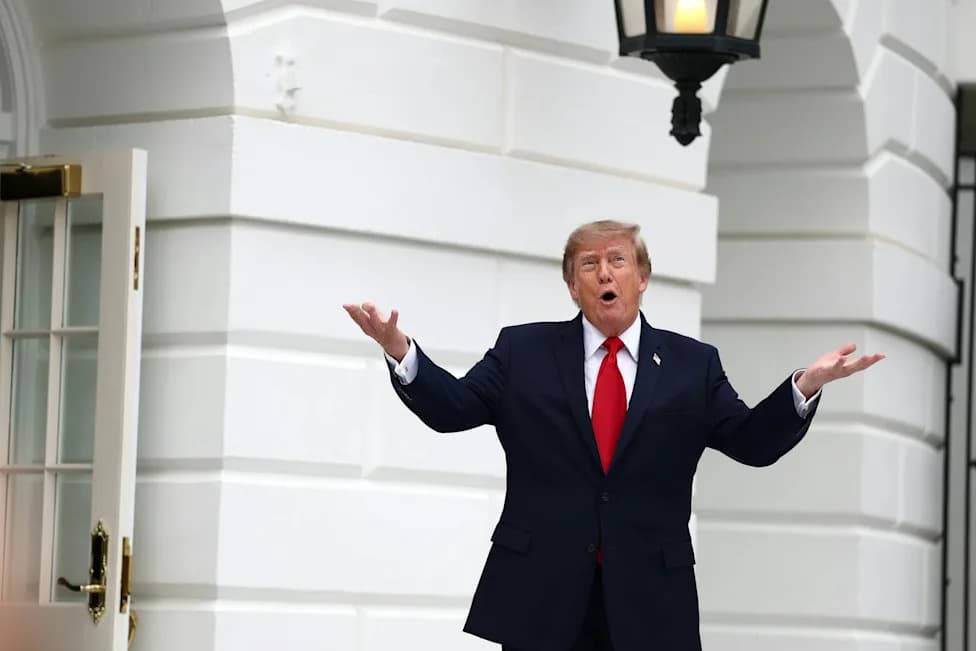
Addressing world leaders in New York, Pezeshkian directly responded to US President Donald Trump's warning that he could "annihilate" the Islamic Republic if a deal is not reached soon. "The resistance of the Iranian people will only increase in the face of sanctions, increased pressure, increased bullying," he said, adding that Iran would not submit to coercion but remained prepared to negotiate.
Condition for Any Deal: End the Blockade
Pezeshkian insisted that any settlement must include an end to the US blockade that has prevented Iranian vessels from using the strategically vital Strait of Hormuz. "It cannot be the case that everyone benefits from the Strait of Hormuz while we are denied access," he said, demanding restored navigation rights and an end to restrictions on Iranian shipping.
Casualties and Accusations
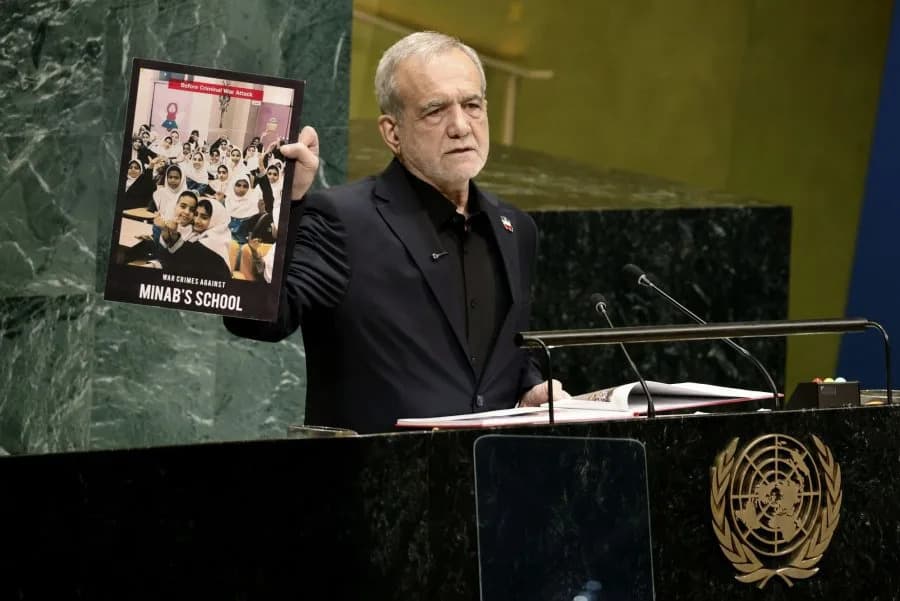
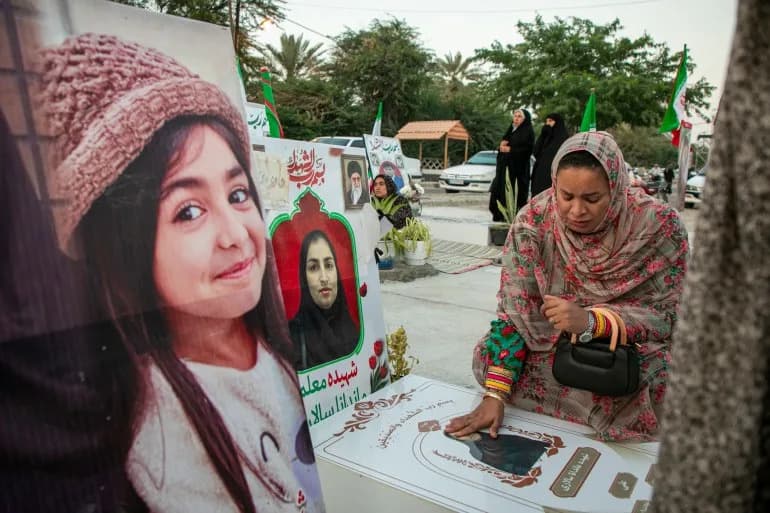
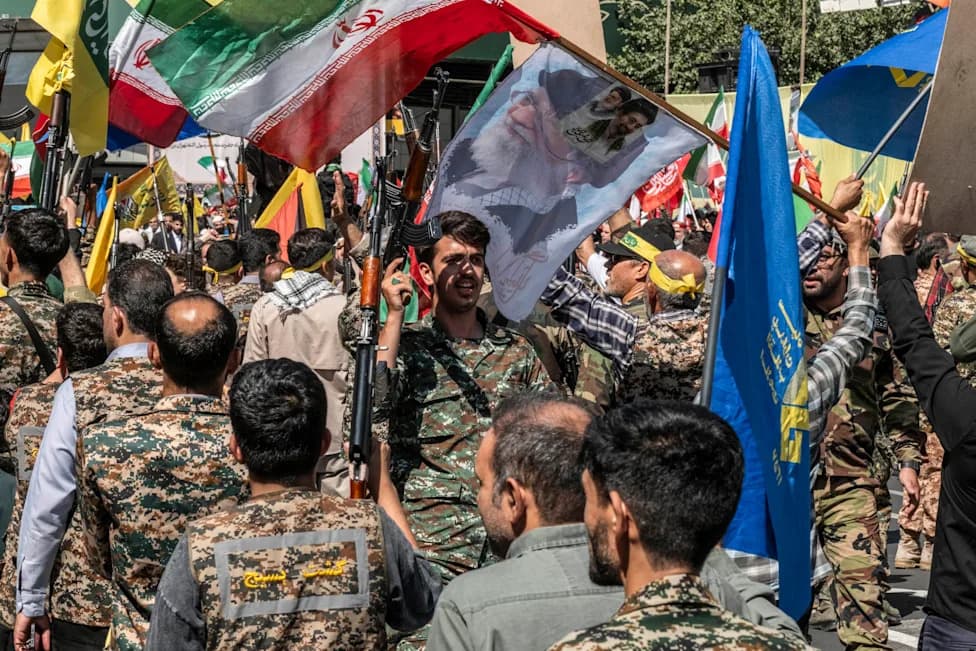
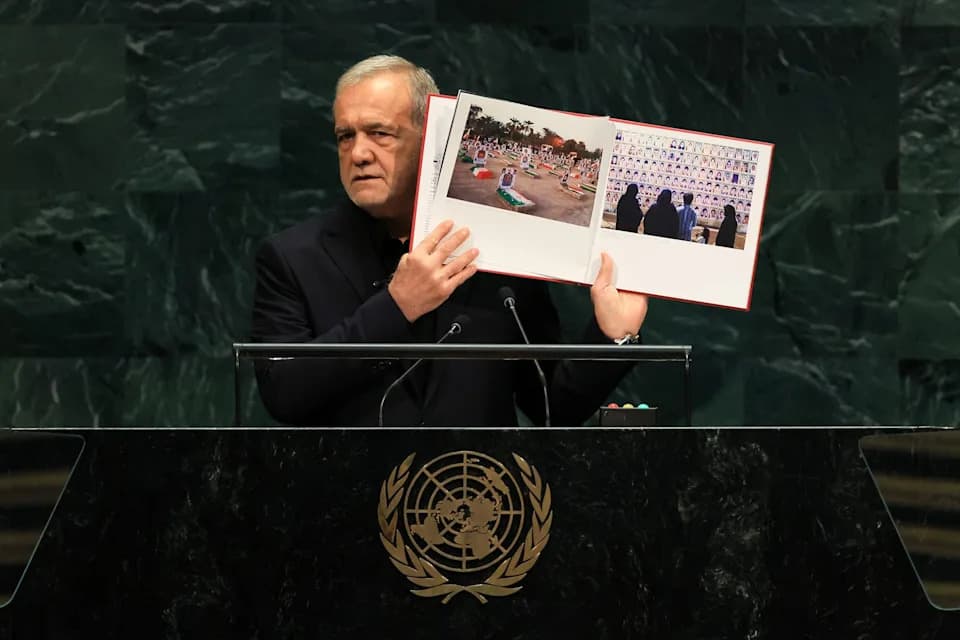
To underscore his message, the president displayed photographs that Iranian authorities say show the country's late Supreme Leader, Ayatollah Ali Khamenei, whom they claim was killed in a strike on his residence during a joint US–Israeli attack in late February. He also presented images of more than 175 civilian casualties — Iranian officials say two-thirds were children — from strikes on a primary school in Minab and a sports complex in Lamerd. The US has denied responsibility for the Lamerd strike and says it is still investigating the Minab incident; those allegations remain contested.
Recent Violence in the Strait of Hormuz
Also on Wednesday, an attack on a cargo ship in the Strait of Hormuz killed an Indian sailor, Agence France-Presse reported, citing Omani and Indian authorities. India's foreign ministry condemned the attack and called for unimpeded passage through the strait to be restored.
Background: Hostilities, Blockades and a Collapsed Deal
In February, Iran launched missile and drone strikes on Israel and neighbouring Gulf states that host US bases, in retaliation for an extensive US–Israeli air campaign. Tehran’s subsequent attacks on commercial vessels across the Gulf, Gulf of Oman and Arabian Sea effectively disrupted traffic through the Strait of Hormuz — a route for roughly one-fifth of global oil and gas shipments. The US responded with a blockade of Iranian ports and ships in April.
In June, Washington and Tehran reached a preliminary agreement intended to end hostilities and reopen the strait, but the deal collapsed within weeks after attacks on shipping resumed and the US reinstated its blockade. Iran has since said it wants to retain some measure of control over the strait and to collect transit fees, a demand the US rejects.
Nuclear Stance and Talks
Pezeshkian reiterated that Iran will not give up its right to a civilian nuclear programme and insisted Tehran does not intend to develop nuclear weapons: "We say it clearly: no nuclear weapons and no limitations on peaceful nuclear technology." In his UN remarks he countered the US argument that the conflict had prevented Iran from obtaining a bomb.
On the sidelines of the General Assembly, Iran's Foreign Minister Abbas Araghchi and US envoy Steve Witkoff held indirect talks brokered by Qatari mediators — the first such contacts since June. Witkoff described the meetings as potentially "constructive and promising." Iran’s foreign ministry spokesman Esmail Baqai, however, called the talks "not anything new," saying Araghchi reiterated Iran’s conditions, including an end to the blockade and the release of frozen Iranian assets.
International Response and Next Steps
The US delegation walked out at the start of Pezeshkian's address and provided no immediate comment. Investigations into the strikes cited by Iran are ongoing, and diplomatic mediators say they will continue efforts to bridge the gap. For now, both sides appear to maintain firm conditions, leaving the prospect of a negotiated settlement uncertain.
Help us improve.