Iran signaled a cautious willingness to explore diplomacy with the United States while insisting it will not quickly yield. Parliamentary Speaker Mohammed Bagher Ghalibaf framed negotiations as converting strength into political gains but warned against foreign coercion. U.S. Senator Marco Rubio said President Trump would be open to meeting Iranian President Masoud Pezeshkian at the U.N. General Assembly, and influential figures like Mehdi Karrubi urged engagement under the right conditions. The standoff remains centered on the Strait of Hormuz amid sanctions and heightened naval activity.
Iran Signals Cautious Diplomatic Outreach As US Keeps Door Open For Trump-Pezeshkian Meeting
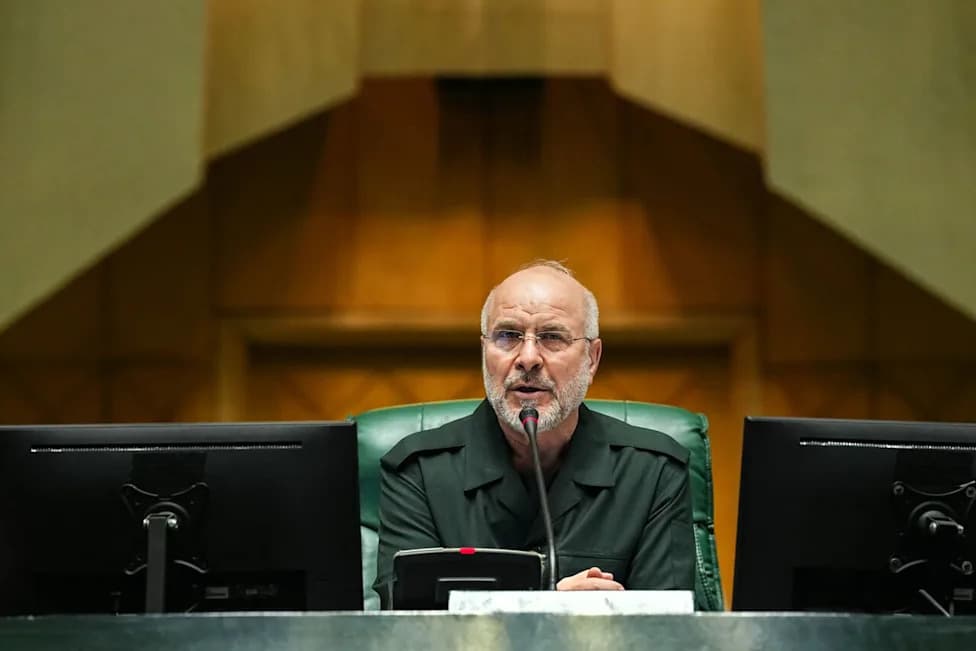
FILE PHOTO: A handout provided by Khane Melat, the Iranian Parliament's news agency, shows Mohammed Bagher Ghalibaf, the speaker of the Iranian Parliament, during a parliamentary session. Members of the Iranian Parliament wore the uniforms of the elite Revolutionary Guards as a sign of solidarity with the force. (is associated with: «Iran hints at talks as US leaves door open to Trump-Pezeshkian meeting») Hamed Malekpour/Khane Melat/dpa
Iran's leadership on Tuesday sent cautious signals that it may explore diplomatic channels with the United States, while making clear it will not make rapid concessions.
"Diplomacy does not mean capitulation but turning strength on the ground into political achievements," said chief negotiator and parliamentary speaker Mohammed Bagher Ghalibaf in Tehran, according to Iranian media. Ghalibaf, seen as a conservative pragmatist, struck a more conciliatory tone than some hardliners in the leadership, who have recently appeared willing to risk military escalation.
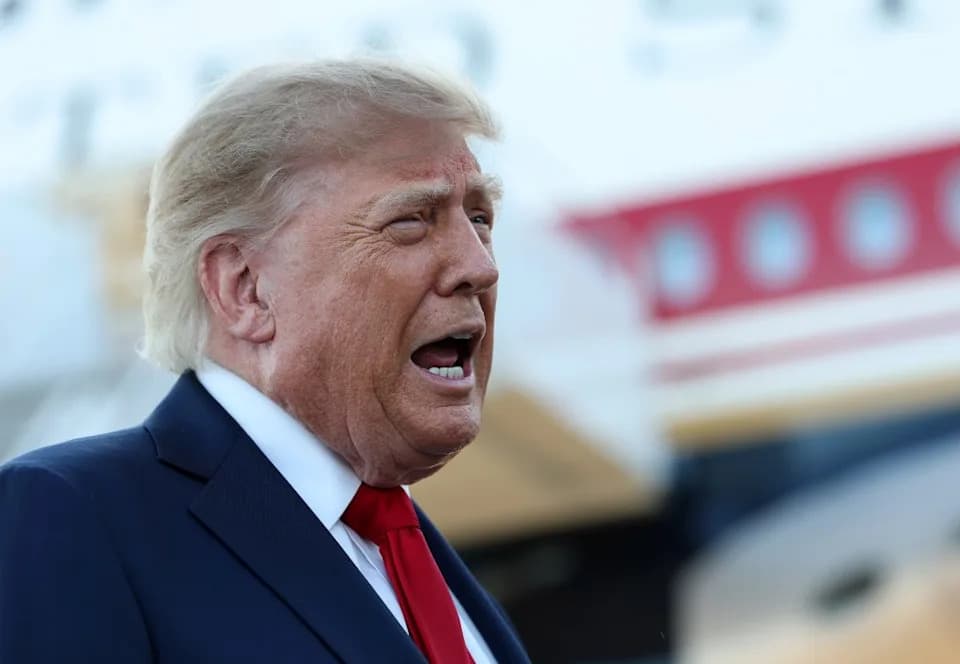
"He must know that he cannot impose his power on the Iranian people and the armed forces," Ghalibaf warned, addressing U.S. President Donald Trump.
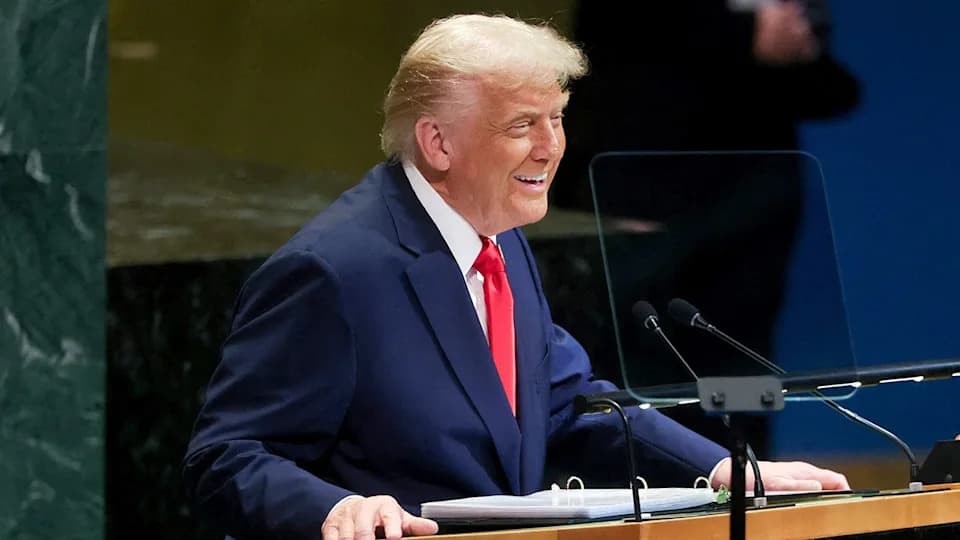
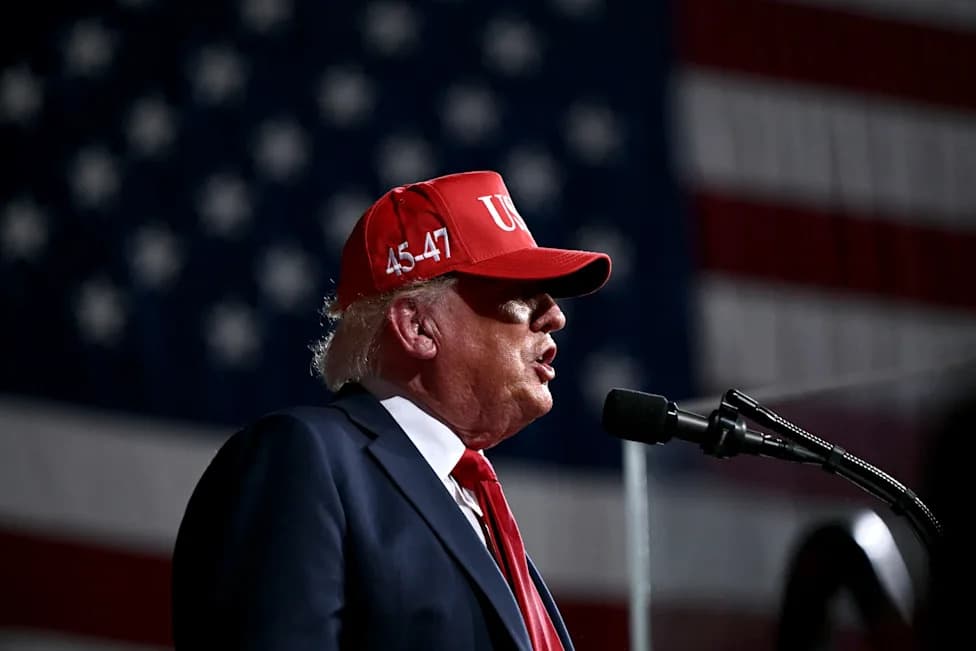
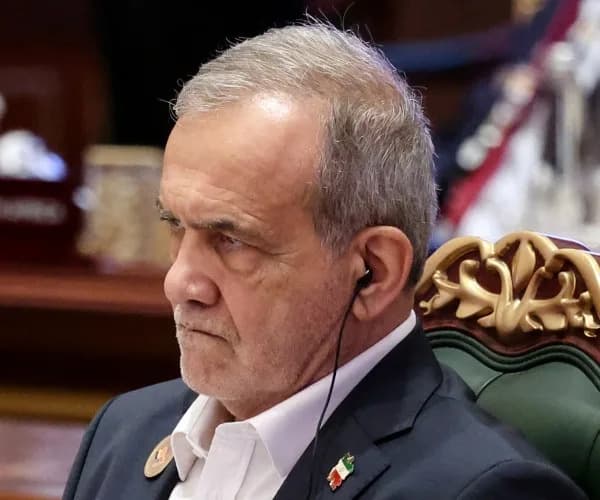
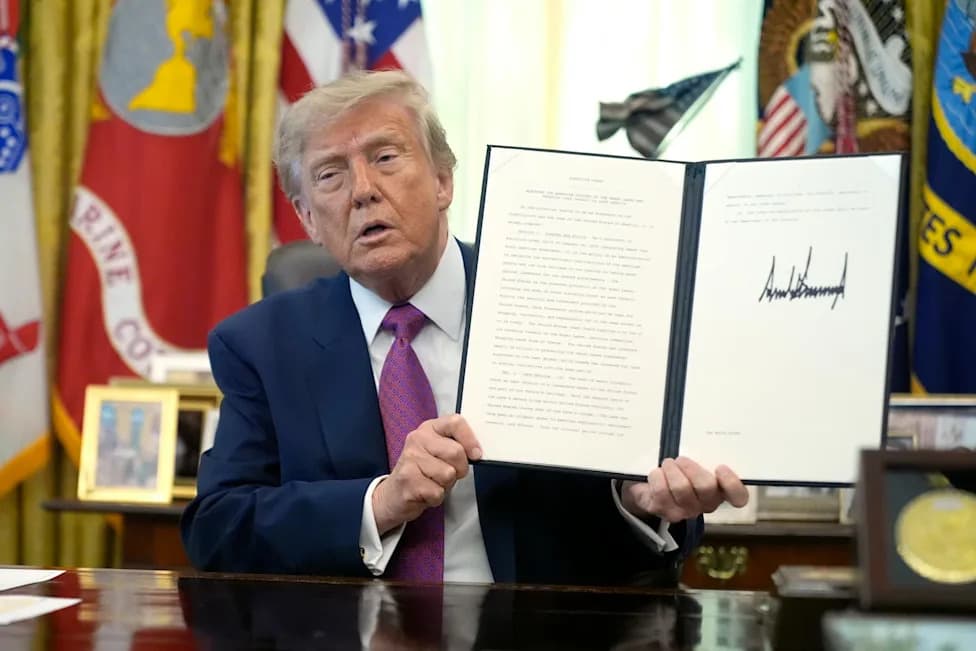
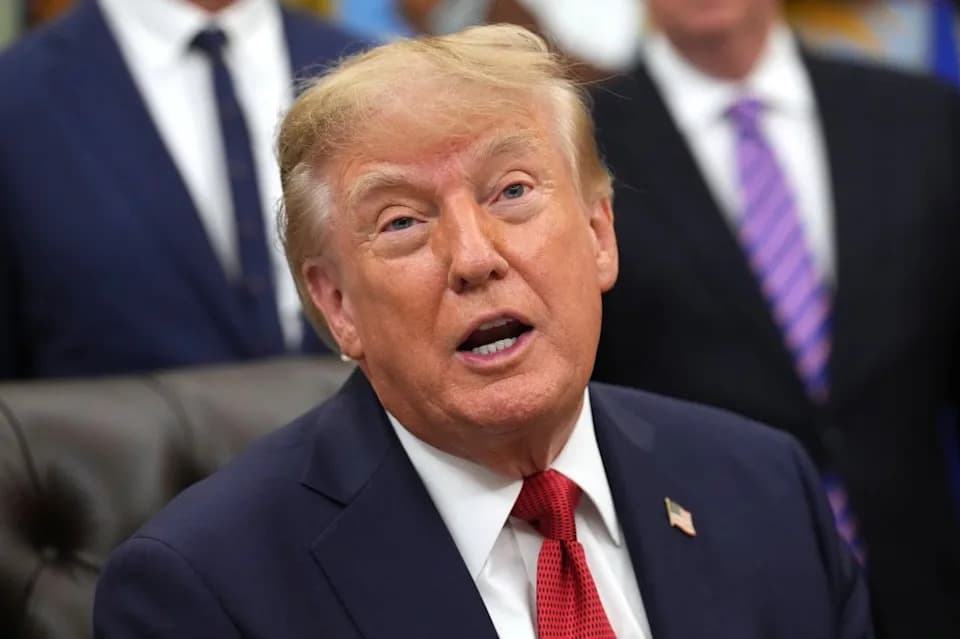
Meanwhile, U.S. Senator Marco Rubio — who spoke to Fox News — said President Trump would be open to meeting Iranian President Masoud Pezeshkian on the sidelines of the U.N. General Assembly in New York. Trump is scheduled to address the United Nations and Pezeshkian is set to speak the following day, creating an opportunity for side meetings between delegations, mediators, or U.S. officials.
Prominent cleric and opposition figure Mehdi Karrubi, who previously spent years under house arrest, urged Pezeshkian to seize the diplomatic opening "provided the conditions are right." In a letter published by the reformist Ensafnews portal, the 88-year-old former parliamentary speaker called on Iran to overcome self-imposed taboos and pursue diplomacy despite mistrust of the other side.
More than six months of heightened military and diplomatic tensions have centered on the Strait of Hormuz, where maritime traffic has slowed amid incidents and security concerns. Western governments have applied sanctions and maintained a robust naval presence aimed at pressuring Tehran to alter its behavior; Iranian leaders appear to be betting that higher global energy prices will blunt some economic pressure.
Outlook: The statements mark a slight opening for talks but contain firm red lines. Any substantive diplomatic progress would require careful conditions and safeguards acceptable to Iran’s diverse political factions and to U.S. negotiators.
Help us improve.